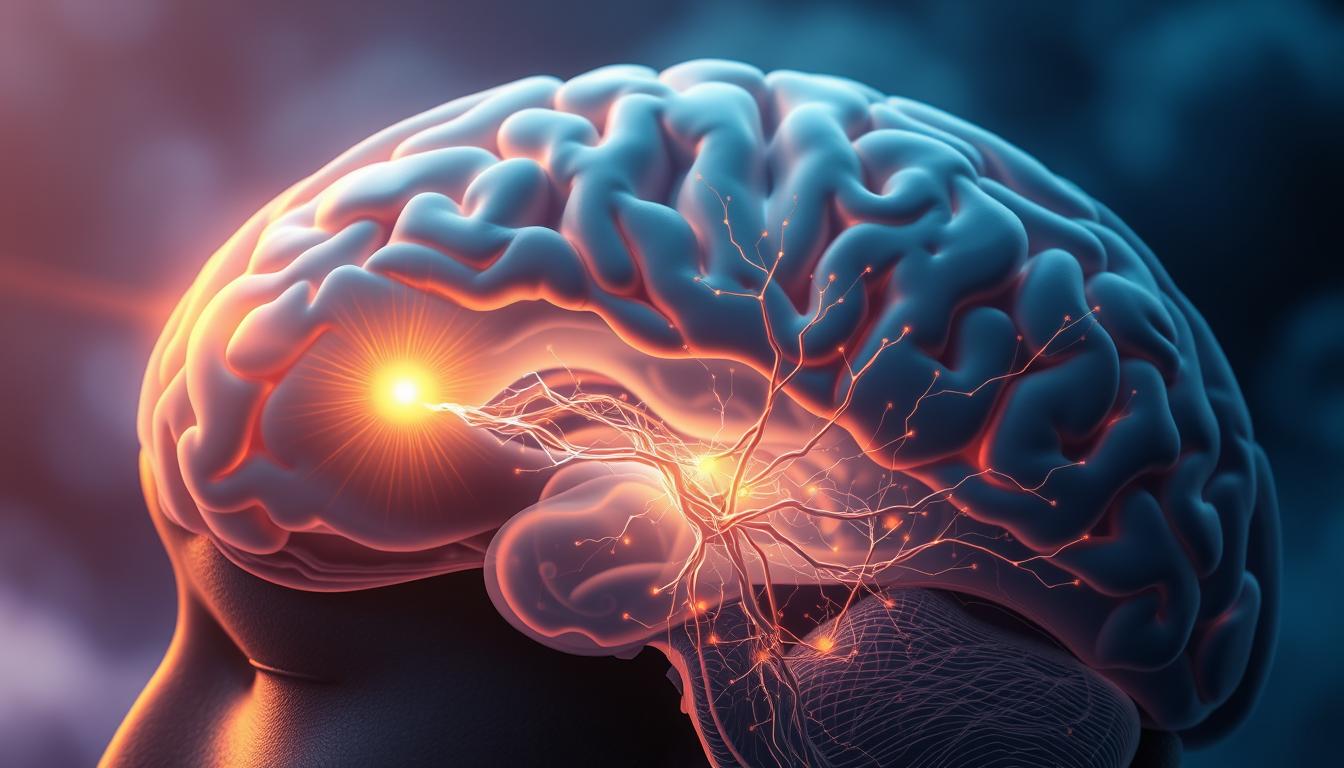
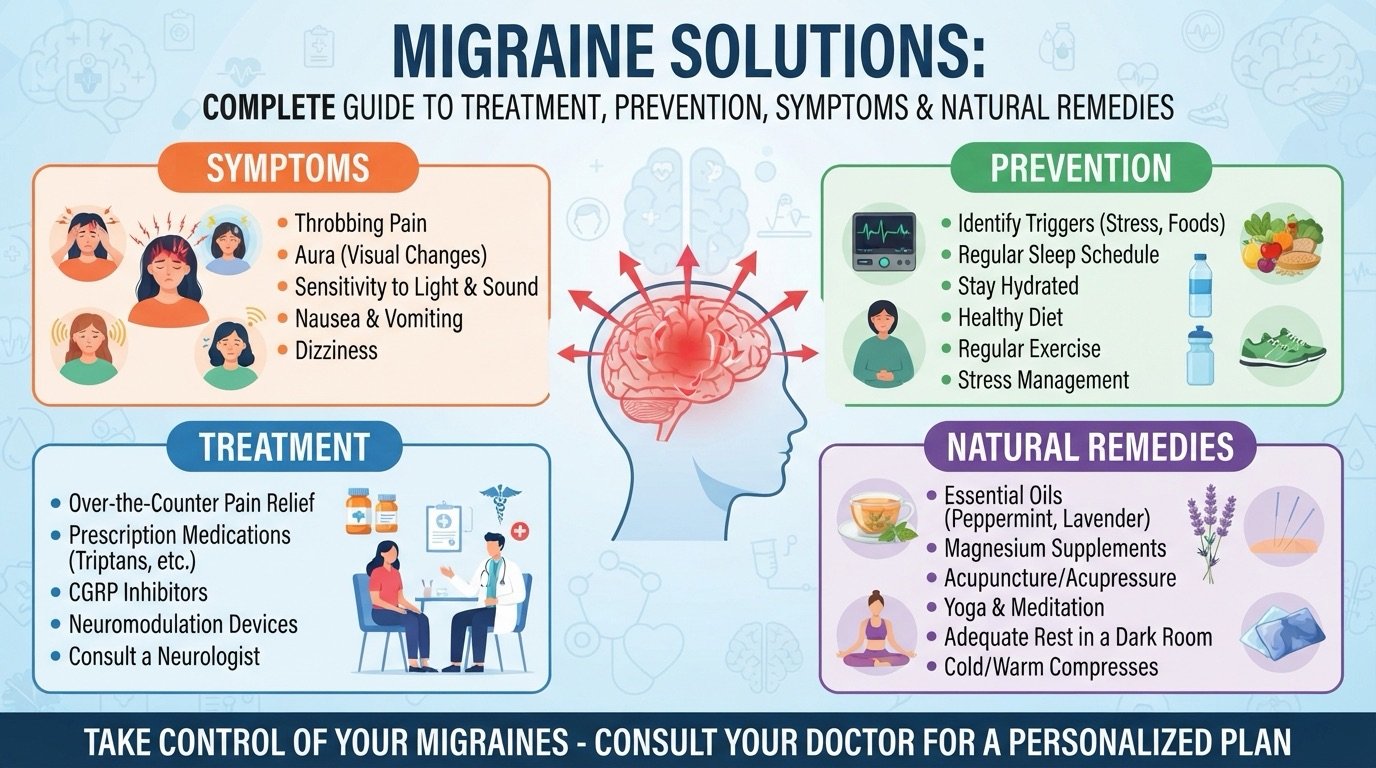
Migraine Solutions: Complete Guide to Treatment, Prevention, Symptoms & Natural Remedies

Discover effective migraine solutions, including migraine treatment, natural remedies, prevention tips, medicines, lifestyle changes, and warning signs that require medical care.

migraine solutions

Migraine Solutions: Complete Guide to Relief, Treatment and Prevention
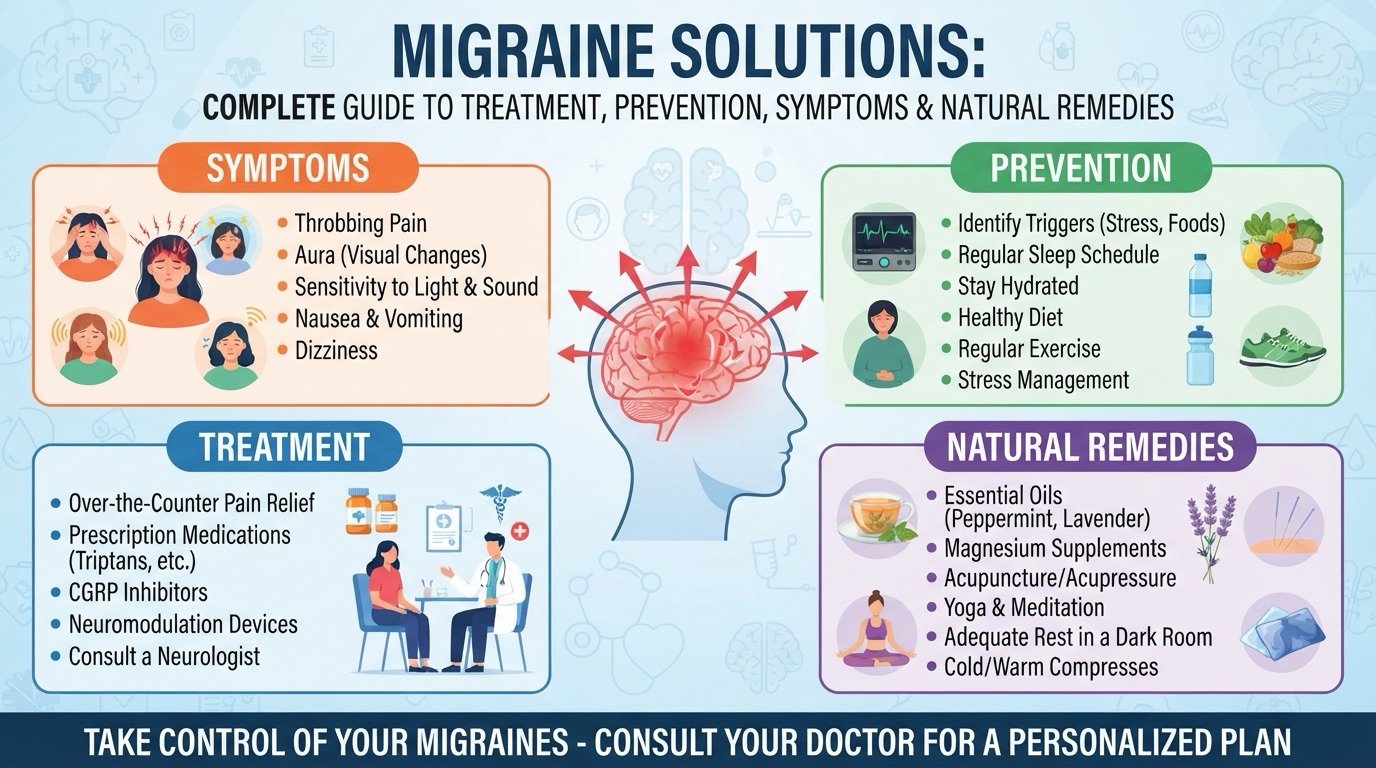
A migraine can be much more than an ordinary headache. It may cause intense or throbbing head pain, nausea, vomiting, sensitivity to light and sound, dizziness, fatigue, and sometimes visual or sensory disturbances.

For people who experience recurring migraine attacks, finding effective migraine solutions can make a major difference in everyday life.

Fortunately, migraine can often be managed with the right combination of treatment, lifestyle changes, trigger management, and preventive strategies. There is no single solution that works for everyone, so treatment should be personalized with guidance from a healthcare professional.

This comprehensive guide explains how to manage migraine, how to get migraine relief, migraine treatment options, natural migraine remedies, prevention strategies, common triggers, and when to seek medical attention.

Medical disclaimer: This article provides general educational information and is not a substitute for professional medical advice, diagnosis, or treatment. Medication is not suitable for everyone. Speak with a doctor or pharmacist before starting or changing treatment.


What Is a Migraine?
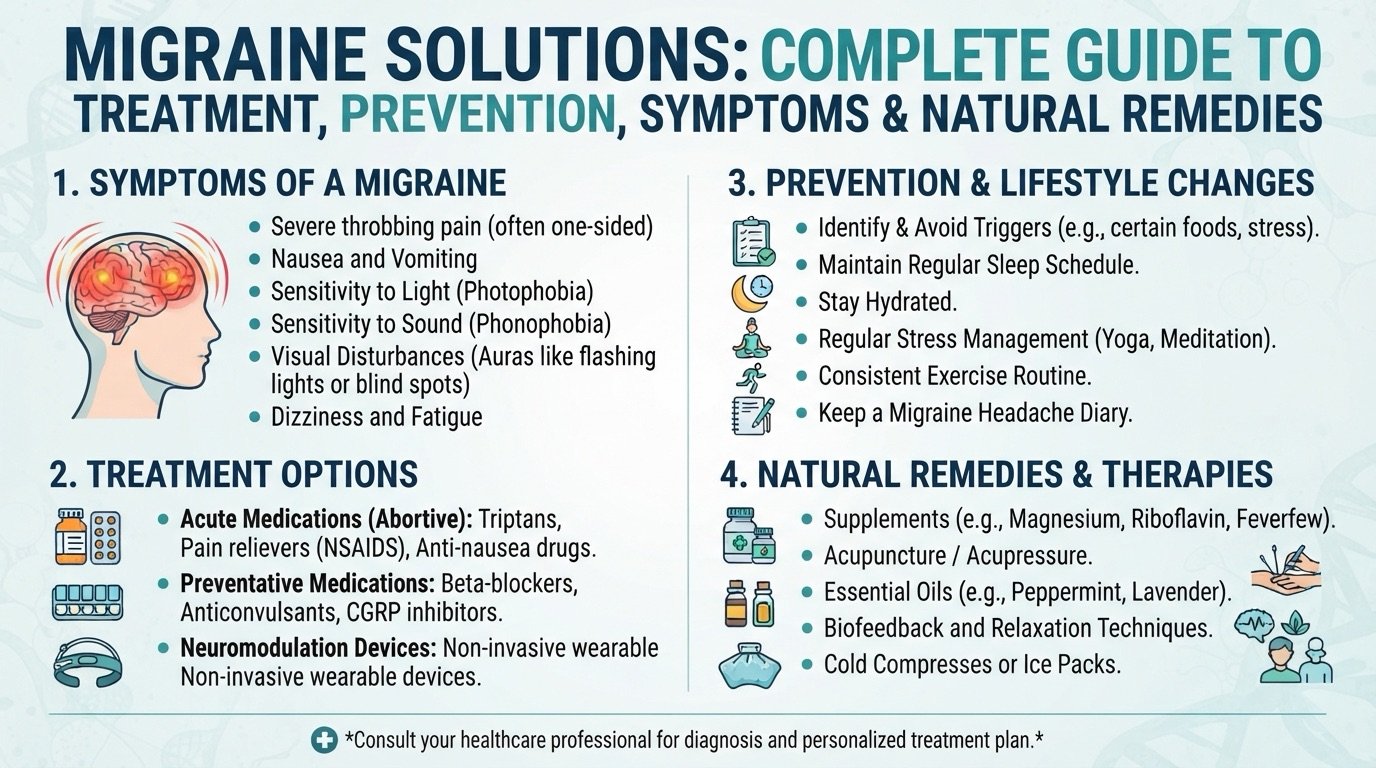
A migraine is a neurological condition that causes recurring attacks involving headache and other symptoms.

Migraine pain can be moderate or severe and may feel throbbing or pulsating. Some people experience pain on one side of the head, while others experience pain on both sides.

Common migraine symptoms include:

  • Throbbing headache
  • Nausea
  • Vomiting
  • Sensitivity to light
  • Sensitivity to sound
  • Sensitivity to smells
  • Fatigue
  • Dizziness
  • Difficulty concentrating
  • Visual disturbances
  • Tingling or numbness
  • Temporary speech difficulties in some cases

Some people experience migraine with aura. Aura can cause visual changes such as flashing lights, zigzag patterns, blind spots, or other sensory and speech symptoms before or during an attack.

Because many different medical conditions can cause headaches, recurring or unexplained headaches should be evaluated by a healthcare professional.


What Causes Migraine?
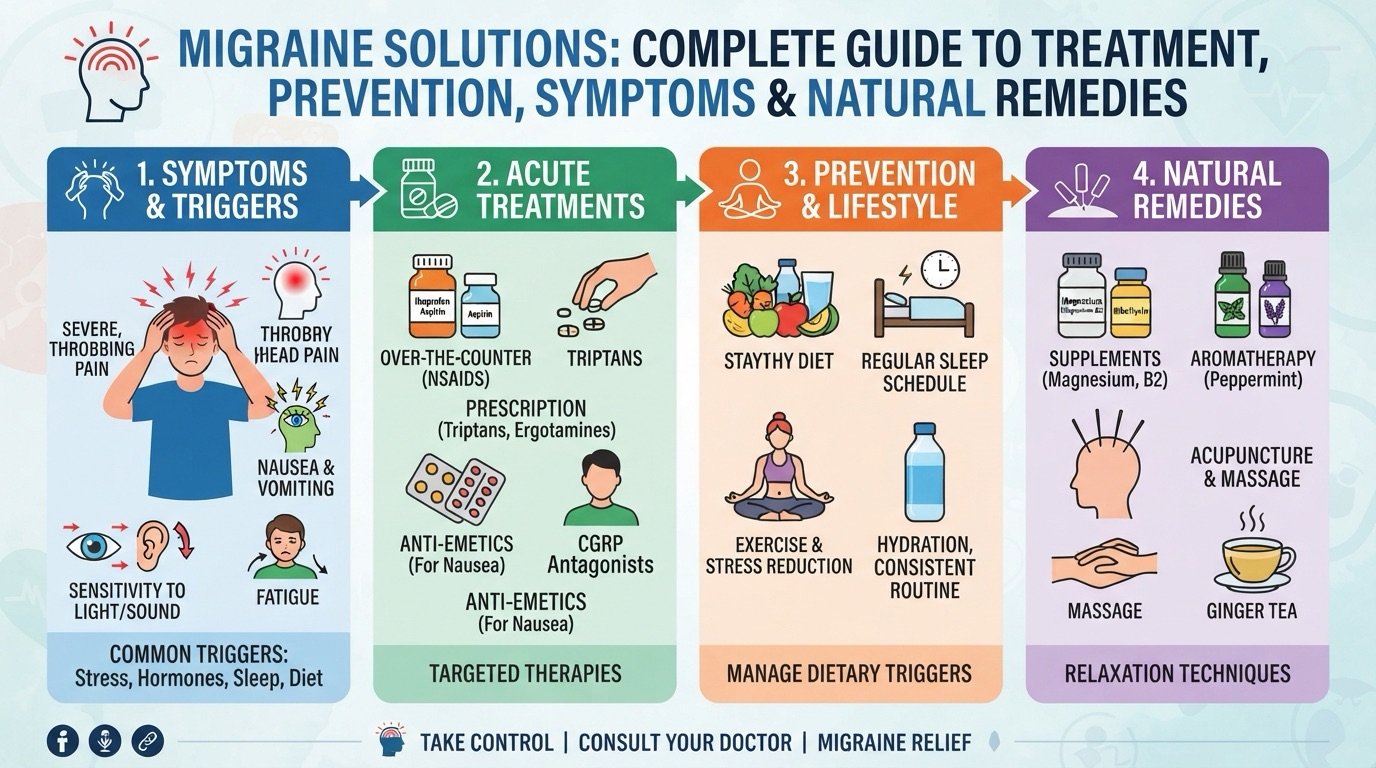
There is no single cause of migraine.

Genetics, brain activity, hormones, stress, sleep patterns, environmental factors, and other factors can contribute to migraine.

Certain triggers may increase the likelihood of an attack in susceptible people.

Common migraine triggers include:

Stress

Emotional stress is a common migraine trigger. Work pressure, anxiety, emotional strain, or sudden changes in stress levels may contribute to attacks.

Lack of Sleep

Too little sleep, irregular sleep schedules, or major changes in sleeping patterns may trigger migraine.

Skipping Meals

Going for long periods without eating may contribute to headaches in some people.

Dehydration

Not drinking enough fluids can contribute to headaches and may make migraine symptoms worse.

Bright Light

Strong sunlight, flashing lights, or prolonged exposure to bright screens may trigger or worsen symptoms in some people.

Strong Smells

Perfume, smoke, chemicals, and strong food odors may trigger migraine in some individuals.

Hormonal Changes

Hormonal fluctuations can influence migraine, particularly around menstruation for some people.

Certain Foods and Drinks

Some people report food-related migraine triggers. However, triggers are highly individual.

Rather than eliminating large numbers of foods unnecessarily, keeping a migraine diary can help identify consistent patterns.


How to Get Rid of a Migraine Fast
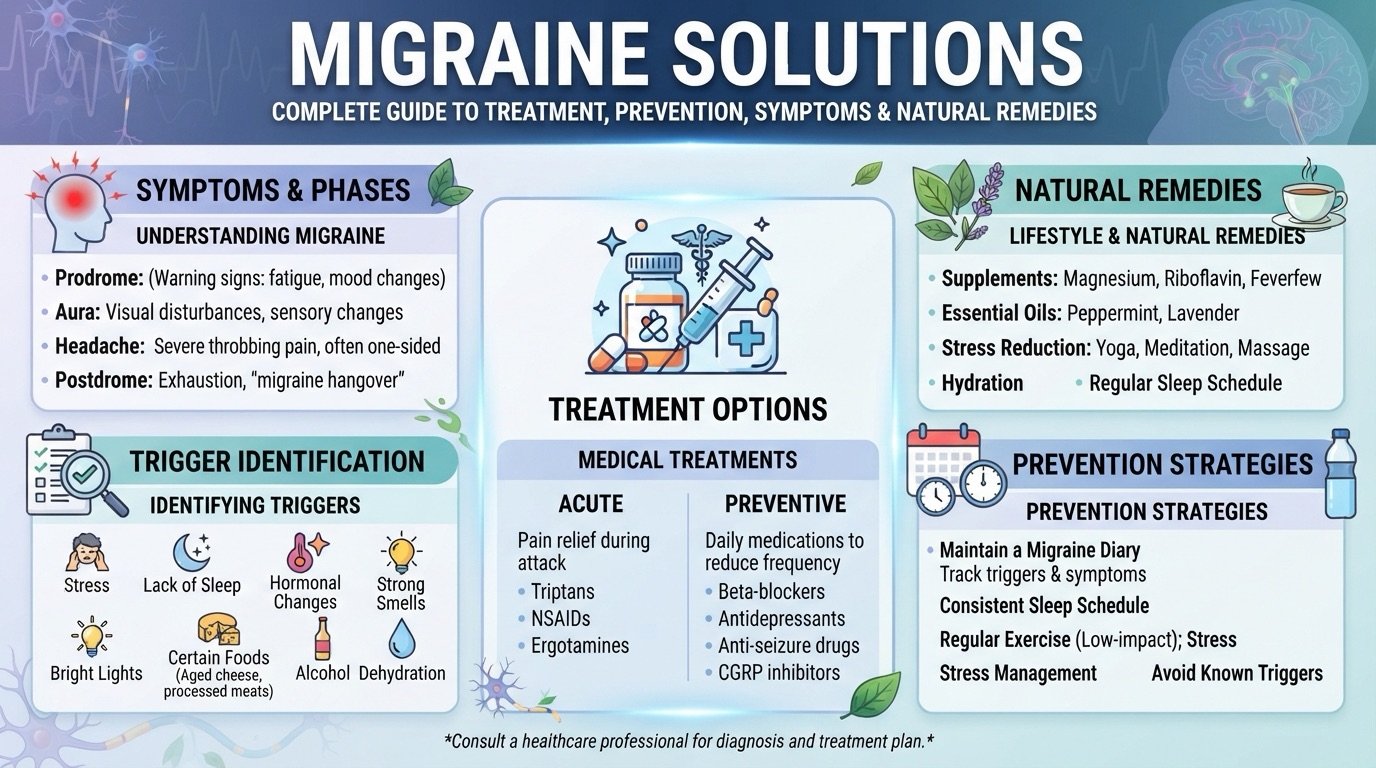
There is no guaranteed instant cure for migraine, but early treatment can sometimes reduce the severity or duration of an attack.

When you recognize that a migraine is starting, consider these steps.

1. Go Somewhere Quiet and Dark

Light and sound can worsen migraine symptoms.

If possible, move to a quiet, dark room and reduce exposure to bright lights and loud sounds.

Turn down screen brightness, close curtains, and reduce unnecessary noise.

2. Drink Water

Sip water regularly, especially if you have not been drinking enough.

If vomiting prevents you from keeping fluids down, seek medical advice because dehydration can become serious.

3. Use a Cool Compress

A cool cloth or appropriately wrapped cold pack placed on the forehead may provide temporary comfort for some people.

Never place ice directly against the skin for prolonged periods.

4. Rest

Stop strenuous activities and allow yourself to rest.

Some people find that sleeping helps during an attack, although maintaining a regular sleep schedule is also important for long-term prevention.

5. Follow Your Treatment Plan

If a doctor has prescribed medication specifically for your migraine, follow the instructions provided.

Acute migraine medicines often work best when used early in an attack, depending on the medicine.


Migraine Treatment Options

Migraine treatment generally has two main goals:

  1. Treat the current attack.
  2. Prevent future attacks.

Treatment can include medication, lifestyle changes, behavioral approaches, and preventive therapies.

The appropriate treatment depends on factors such as migraine frequency, severity, symptoms, other medical conditions, and previous treatment response.


Over-the-Counter Migraine Medicines

For some people with occasional migraine, over-the-counter pain relievers may provide relief.

These can include:

  • Ibuprofen
  • Aspirin
  • Acetaminophen/paracetamol

However, these medicines are not appropriate for everyone.

Certain pain relievers may be unsuitable for people with specific stomach, kidney, liver, cardiovascular, bleeding, or medication-related conditions.

Always follow the product instructions and ask a pharmacist or doctor if you are uncertain.


Prescription Migraine Medicines

When over-the-counter medicines are insufficient, a healthcare professional may recommend prescription treatment.

Triptans

Triptans are migraine-specific medicines used to treat migraine attacks.

Examples include sumatriptan and other medicines in the same class.

They are not appropriate for everyone, particularly people with certain cardiovascular conditions.

Gepants

Gepants target the CGRP pathway involved in migraine.

Some are used for acute migraine treatment, while others are used for prevention.

Your doctor can determine whether this type of treatment is appropriate for you.

Anti-Nausea Medicines

Some people experience significant nausea or vomiting during migraine.

A doctor may prescribe medication to control nausea and vomiting when appropriate.


Medication-Overuse Headache

One important aspect of migraine treatment is avoiding excessive use of acute headache medicines.

Using headache medicines too frequently can contribute to medication-overuse headache.

This can create a cycle:

Migraine → medication → temporary relief → frequent medication use → more frequent headaches

If you regularly need acute headache medication, talk with a healthcare professional rather than simply taking more.

Frequent attacks may indicate that preventive treatment should be considered.


Preventive Migraine Treatment

If migraine attacks are frequent, severe, disabling, or difficult to control, a healthcare professional may recommend preventive treatment.

Unlike acute treatment, preventive treatment is intended to reduce the likelihood and severity of future attacks.

Possible preventive treatments include:

  • Certain blood-pressure medicines
  • Certain antidepressants
  • Certain anti-seizure medicines
  • CGRP-targeting medicines
  • Botox for appropriate patients with chronic migraine
  • Behavioral therapy
  • Lifestyle management

Preventive treatment is individualized.

Some treatments are taken daily, while some newer therapies are administered at longer intervals.

Your doctor can determine which option is appropriate based on your health history.


Natural Migraine Remedies

Many people search for natural migraine remedies.

Some non-drug approaches may help certain people, especially when combined with medical treatment.

However, natural remedies are not guaranteed cures.

Cold Compress

A cold compress may provide temporary comfort during an attack.

Relaxation

Deep breathing, meditation, progressive muscle relaxation, and other relaxation techniques may help reduce stress.

Regular Exercise

Moderate physical activity may help some people reduce migraine frequency.

Walking, swimming, cycling, and other manageable activities can be useful.

Start gradually because sudden intense exercise can trigger headaches in some people.

Hydration

Maintaining adequate hydration is a simple part of a healthy migraine-management routine.

Consistent Sleep

Regular sleep and wake times may help reduce migraine triggers associated with sleep disruption.


Magnesium for Migraine

Magnesium has been studied as a possible migraine-prevention supplement.

Some people may benefit from magnesium, but supplements are not appropriate for everyone.

High doses can cause side effects, particularly digestive problems, and supplements may interact with certain medical conditions or medicines.

Talk to a healthcare professional before using magnesium regularly for migraine prevention.


Riboflavin and Migraine

Riboflavin, also known as vitamin B2, has also been studied for migraine prevention.

Some research suggests that high-dose riboflavin may reduce migraine frequency or severity in certain people.

However, supplementation should be discussed with a healthcare professional before use.

Do not assume that taking more vitamins will provide better migraine protection.


How to Prevent Migraine Attacks

Long-term migraine management often focuses on reducing potential triggers and maintaining consistent routines.

Follow the “SEEDS” Approach

A useful framework for migraine lifestyle management is:

S — Sleep

Maintain regular sleep and wake times.

E — Exercise

Engage in regular, appropriate physical activity.

E — Eat

Eat regular, balanced meals and avoid routinely skipping meals.

D — Diary

Keep a migraine diary to identify patterns.

S — Stress

Use healthy stress-management techniques.

This type of structured routine can make migraine management easier.


Keep a Migraine Diary

A migraine diary can help identify personal triggers and determine whether treatment is working.

Record:

  • Date
  • Time the migraine started
  • Duration
  • Pain intensity
  • Location of pain
  • Nausea
  • Vomiting
  • Aura
  • Sleep
  • Meals
  • Fluid intake
  • Stress
  • Exercise
  • Menstrual cycle, when relevant
  • Medicines taken
  • Response to treatment
  • Possible triggers

After several weeks, you may notice patterns.

For example, migraines may repeatedly occur after poor sleep combined with skipped meals and high stress.

A diary can also provide useful information for your doctor.


Migraine and Stress

Stress does not mean migraine is “all in your head.”

Migraine is a real neurological condition.

However, stress can influence migraine frequency or severity in some people.

Stress-management techniques may include:

  • Meditation
  • Slow breathing
  • Yoga
  • Progressive muscle relaxation
  • Exercise
  • Adequate sleep
  • Relaxing hobbies
  • Counseling when appropriate

The goal is not to eliminate all stress, which is unrealistic, but to develop healthier ways of responding to it.


Migraine and Diet

There is no universal migraine diet.

A food that triggers migraine in one person may have no effect on another.

Instead of following restrictive diets, focus on:

  • Regular meals
  • Adequate hydration
  • Balanced nutrition
  • Consistent eating patterns
  • Tracking possible food triggers

If you repeatedly notice the same food or drink before migraine attacks, discuss the pattern with a healthcare professional.

Avoid eliminating multiple food groups without a good reason.


Migraine and Caffeine

Caffeine can have complicated effects on migraine.

For some people, caffeine may temporarily help headache symptoms or improve the effect of certain medicines.

However, frequent or excessive caffeine consumption can contribute to headaches, and sudden caffeine withdrawal may also trigger headaches.

If you consume caffeine regularly, maintaining a consistent amount may be preferable to repeatedly switching between high and low intake.


Migraine and Screen Time

Screens may worsen migraine symptoms for some people because of bright light, prolonged visual concentration, glare, or associated neck and shoulder tension.

Try:

  • Reducing screen brightness
  • Taking regular breaks
  • Avoiding extreme brightness differences
  • Adjusting your screen position
  • Maintaining comfortable posture
  • Using appropriate room lighting

If screen exposure repeatedly triggers headaches, record it in your migraine diary.


Migraine During Work

Migraine can significantly interfere with productivity.

If attacks occur at work, prepare a migraine-management plan.

You might keep:

  • Your prescribed medication
  • A bottle of water
  • A snack
  • Sunglasses if bright light is problematic
  • Access to a quiet place where you can rest

Recognizing your early symptoms can allow you to begin your treatment plan before the attack becomes severe.


When to See a Doctor for Migraine

Speak with a healthcare professional if:

  • Migraines are becoming more frequent
  • Headaches are becoming more severe
  • Your normal headache pattern changes
  • Headaches interfere with work or daily activities
  • Your current treatment is no longer effective
  • You frequently need pain medication
  • You experience new neurological symptoms
  • You are uncertain whether your headaches are migraine

A doctor can determine whether your symptoms are consistent with migraine and whether another condition needs to be investigated.


Migraine Red Flags: When to Seek Emergency Help

Most migraine attacks are not emergencies.

However, seek urgent medical attention if you experience a headache that:

  • Appears suddenly and becomes extremely severe very quickly
  • Is the worst or most unusual headache you have experienced
  • Occurs after a serious head injury
  • Is accompanied by new weakness or paralysis
  • Causes new speech problems
  • Causes significant new vision problems
  • Causes confusion
  • Is accompanied by a seizure
  • Occurs with fever and a stiff neck
  • Is dramatically different from your usual migraine

A sudden, extremely severe headache can be a warning sign of a serious medical problem.

Do not assume that every severe headache is a migraine.


Migraine During Pregnancy

Pregnancy can change migraine patterns.

Some migraine medications are not appropriate during pregnancy, and some preventive medicines may carry risks.

If you are pregnant, planning pregnancy, or breastfeeding, speak with your doctor before starting, stopping, or changing migraine medication.

Never assume that an over-the-counter or “natural” remedy is automatically safe during pregnancy.


Frequently Asked Questions About Migraine

What is the fastest way to relieve a migraine?

There is no guaranteed instant cure. Early use of an appropriate migraine treatment, resting in a quiet dark environment, staying hydrated, and reducing sensory stimulation may help.

How can I stop a migraine naturally?

Rest, hydration, a cool compress, relaxation techniques, regular sleep, and identifying personal triggers may help. Persistent or severe migraine should be discussed with a healthcare professional.

What is the best medicine for migraine?

There is no single best medicine for everyone. Treatment depends on migraine severity, frequency, medical history, other medications, and individual response.

Can drinking water stop a migraine?

If dehydration contributes to your headache, drinking fluids may help. However, water is not a guaranteed treatment for migraine.

Can lack of sleep cause migraine?

Sleep disruption can trigger migraine in some people. Maintaining a consistent sleep schedule may help reduce attacks.

Can stress cause migraine?

Stress is a commonly reported migraine trigger. Managing stress may help some people reduce migraine frequency.

Is migraine curable?

There is currently no universal permanent cure, but migraine can often be effectively managed with individualized treatment and preventive strategies.

How often should I take migraine medicine?

This depends on the specific medication. Taking acute headache medicine too frequently can contribute to medication-overuse headache. Follow medical or package instructions and speak with a healthcare professional if you frequently need medication.


10 Practical Migraine Prevention Tips

Here are ten simple strategies that may help with migraine management:

  1. Maintain a regular sleep schedule.
  2. Do not routinely skip meals.
  3. Stay adequately hydrated.
  4. Exercise regularly and gradually.
  5. Manage stress with healthy relaxation techniques.
  6. Track headaches in a migraine diary.
  7. Identify your personal triggers rather than avoiding everything.
  8. Limit excessive or inconsistent caffeine intake.
  9. Follow your prescribed treatment plan.
  10. Seek medical advice when headaches become frequent, severe, or unusual.

Final Thoughts: Finding the Right Migraine Solution

Finding an effective migraine solution usually requires more than taking a painkiller.

The best approach is often a combination of:

Early treatment + prevention + healthy routines + trigger management + professional medical guidance.

When a migraine begins, reduce light and noise, rest, drink fluids if tolerated, use a cool compress if helpful, and follow your recommended treatment plan.

For long-term prevention, focus on consistent sleep, regular meals, hydration, physical activity, stress management, and headache tracking.

If migraines are frequent or disabling, ask a healthcare professional about preventive treatment. Modern migraine care includes several options beyond traditional painkillers.

Most importantly, do not ignore a sudden, extremely severe, or unusual headache, especially when it occurs with neurological symptoms such as weakness, confusion, speech difficulty, or major vision changes.

The goal of migraine treatment is not simply to endure attacks. It is to reduce their frequency, severity, and impact on your everyday life.


HIV Symptoms: Early Signs, Later Symptoms, Testing, and When to Seek Medical Advice

Introduction

Human immunodeficiency virus (HIV) is a virus that attacks the immune system, particularly CD4 white blood cells. Without treatment, HIV can progressively weaken the body’s ability to fight infections and certain cancers. The most advanced stage of untreated HIV infection is called AIDS (acquired immunodeficiency syndrome). (World Health Organization)

One of the most important things to understand about HIV is that symptoms alone cannot tell you whether you have HIV. Some people develop flu-like symptoms soon after infection, while others have no noticeable symptoms at all. Later, a person may remain without obvious symptoms for years. The only reliable way to know your HIV status is to take an HIV test. (World Health Organization)

This article explains the common symptoms associated with different stages of HIV infection, what early HIV may feel like, why symptoms can be misleading, and why testing is so important.

What Are the Early Symptoms of HIV?

During the earliest stage, called acute HIV infection, the virus begins multiplying rapidly in the body. Some people develop an illness that resembles influenza or another common viral infection. Others have no symptoms.

Possible early symptoms include:

  • Fever
  • Tiredness or unusual fatigue
  • Sore throat
  • Headache
  • Skin rash
  • Swollen lymph nodes
  • Muscle or joint aches
  • Diarrhoea
  • Swollen tonsils
  • Night sweats

According to CDC information, acute HIV infection can sometimes begin within days after exposure and commonly lasts around two weeks, although the duration can vary. These symptoms are not specific to HIV and can occur with many other infections. (CDC)

Because the symptoms can look like a cold, flu, COVID-19, mononucleosis, or another infection, it is not possible to diagnose HIV simply by looking at symptoms.

Fever and Fatigue

Fever is one of the symptoms that may occur during acute HIV infection. It can occur together with tiredness, headache, sore throat, muscle aches, or swollen lymph nodes.

Fatigue can also be prominent. However, fatigue and fever are extremely common symptoms with many illnesses, so having them does not mean that someone has HIV.

If flu-like symptoms occur after a possible HIV exposure, testing and medical advice are much more useful than trying to identify HIV based on symptoms alone.

Rash and Skin Changes

A skin rash can occur during acute HIV infection. The appearance and severity can vary, and a rash can also be caused by allergies, medications, viral infections, skin conditions, or other illnesses.

For this reason, a rash should not be considered proof of HIV.

If a person has a rash together with fever, sore throat, swollen lymph nodes, or other symptoms following a possible exposure, it is appropriate to discuss HIV testing with a healthcare professional.

Swollen Lymph Nodes

Swollen lymph nodes can occur when the immune system responds to an infection. They may appear in areas such as the neck, armpits, or groin.

Swollen lymph nodes are not unique to HIV. Ordinary viral infections and many other medical conditions can cause them.

Therefore, swollen lymph nodes by themselves cannot establish whether someone has HIV.

Sore Throat, Headache, and Muscle Aches

A sore throat, headache, and muscle or joint aches can occur during acute HIV infection. These symptoms may occur together with fever and fatigue.

The difficulty is that the same combination is common in many ordinary illnesses.

This is why it is important not to search for a particular “HIV symptom” and assume that finding it confirms infection. Symptoms can provide a reason to seek medical attention, but testing provides the answer.

Can HIV Cause No Symptoms?

Yes.

Some people experience no obvious symptoms after acquiring HIV. Others may experience mild symptoms that they do not recognize as being related to HIV.

After the initial stage, HIV can enter a period commonly described as chronic or clinical-latency infection. During this period, a person may feel healthy even though HIV remains active in the body. Without treatment, this stage can last for years. (HIV Risk Reduction Tool)

This is one reason HIV testing is important. Feeling healthy does not necessarily mean that a person is HIV-negative.

Symptoms of Untreated HIV in Later Stages

Without effective treatment, HIV can progressively damage the immune system. As the immune system becomes weaker, a person may develop symptoms and illnesses that occur because the body has difficulty fighting infections.

Possible symptoms include:

  • Persistent or recurring fever
  • Unexplained weight loss
  • Persistent diarrhoea
  • Swollen lymph nodes
  • Persistent cough
  • Recurrent or severe infections
  • Increased susceptibility to tuberculosis and other infections

WHO notes that advanced untreated HIV can be associated with serious illnesses including tuberculosis, cryptococcal meningitis, severe bacterial infections, lymphomas, and Kaposi’s sarcoma. (World Health Organization)

These conditions require medical assessment. They should not automatically be interpreted as evidence of HIV because many different medical conditions can produce similar symptoms.

Why Symptoms Are Not Enough to Diagnose HIV

There is a common misconception that HIV can be recognized by a specific group of symptoms.

In reality, there is no single symptom that proves HIV infection.

For example:

Fever does not prove HIV.

A rash does not prove HIV.

Night sweats do not prove HIV.

Weight loss does not prove HIV.

Swollen lymph nodes do not prove HIV.

Even having several of these symptoms together does not establish an HIV diagnosis.

Many infections and health conditions produce similar symptoms. Conversely, someone with HIV may have no symptoms at all.

Therefore, if there has been a possible exposure, the appropriate response is HIV testing rather than symptom checking.

How Is HIV Diagnosed?

HIV is diagnosed using HIV tests. Rapid diagnostic tests can provide results quickly, and HIV self-testing is also available in many countries. However, a reactive or positive self-test requires appropriate confirmatory testing by a qualified healthcare provider. (World Health Organization)

Different tests detect different markers of HIV, including antibodies, antigen, or the virus itself.

The timing of testing matters because there is a period after infection when a test may not yet detect HIV. WHO explains that many commonly used tests detect antibodies, which generally develop within about 28 days, although the exact window depends on the test and individual circumstances. (World Health Organization)

Therefore, someone who has had a recent possible exposure should discuss the appropriate test and timing with a healthcare professional rather than relying on symptoms.

What Is the HIV Window Period?

The window period is the time between HIV infection and the point when a particular test can reliably detect infection.

During this period, a person may have HIV even though a particular test is negative. The length of the window period varies according to the type of test used.

This is why the timing of testing matters.

If a person has a recent possible exposure and receives a negative result very early, a healthcare professional may recommend additional testing at an appropriate later time.

A negative result is therefore interpreted in the context of the test used, the timing of the test, and the person’s possible exposure.

What Should You Do After a Possible HIV Exposure?

If you think you may recently have been exposed to HIV, do not wait for symptoms to appear.

Seek medical advice promptly. Depending on the circumstances and how recently the exposure occurred, post-exposure prophylaxis (PEP) may be an option. PEP involves taking antiretroviral medicines after a possible exposure to reduce the chance of HIV infection. WHO recommends seeking clinical advice when considering PEP. (World Health Organization)

The sooner a possible exposure is assessed, the better, because PEP is time-sensitive.

People with ongoing risk may also discuss pre-exposure prophylaxis (PrEP) with a healthcare professional. PrEP is medication taken by people who do not have HIV to reduce their risk of acquiring HIV. (World Health Organization)

HIV Treatment Can Make a Major Difference

An HIV diagnosis today does not mean that a person will inevitably develop AIDS.

Modern antiretroviral therapy (ART) can suppress HIV replication and help the immune system remain strong. WHO describes HIV as a manageable chronic health condition when people have access to effective treatment and care. (World Health Organization)

Treatment also has an important prevention benefit. People living with HIV who take ART and maintain an undetectable viral load do not sexually transmit HIV to their partners. (World Health Organization)

Early diagnosis allows people to access treatment, monitoring, support, and prevention services.

How Can HIV Be Prevented?

HIV transmission can be reduced through several effective prevention strategies.

These include:

  • Using condoms during sex
  • Regular HIV and STI testing
  • PrEP for people who may benefit from it
  • PEP after certain possible exposures
  • Avoiding sharing needles or injection equipment
  • Using sterile equipment for medical or piercing procedures
  • Appropriate HIV treatment during pregnancy to reduce transmission to the baby

WHO recommends HIV testing for people who may be at risk and emphasizes access to comprehensive prevention, testing, and treatment services. (World Health Organization)

How HIV Is Not Spread

Understanding how HIV is transmitted can also reduce unnecessary fear.

HIV is not spread through ordinary everyday contact such as:

  • Hugging
  • Handshakes
  • Sharing food
  • Sharing water
  • Ordinary social contact
  • Kissing in normal circumstances

WHO explains that HIV transmission occurs through specific infected body fluids, including blood, semen, vaginal fluids, and breast milk, rather than ordinary casual contact. (World Health Organization)

When Should You Get Tested?

Consider HIV testing if you have had an exposure that could transmit HIV, particularly if you have had sex without a condom, shared injection equipment, or experienced another recognized exposure.

Testing is also important because many people with HIV may not have symptoms.

If you are worried about a recent exposure, speak with a healthcare professional or an HIV testing service about which test is appropriate and when it should be performed.

If a self-test gives a reactive result, it should be followed by confirmatory testing. (World Health Organization)

Final Thoughts

HIV symptoms can vary significantly from person to person. Some people develop flu-like symptoms soon after infection, including fever, fatigue, sore throat, rash, headache, swollen lymph nodes, muscle aches, and diarrhoea. Others experience no noticeable symptoms.

Later in untreated infection, a weakened immune system can lead to weight loss, persistent fever, diarrhoea, cough, recurrent infections, and serious illnesses.

However, none of these symptoms can diagnose HIV.

The most important message is simple: if you think you may have been exposed to HIV, do not wait for symptoms. Get tested and seek medical advice.

HIV is treatable, and effective treatment can allow people living with HIV to lead long and healthy lives. Early diagnosis and treatment also play an important role in preventing HIV transmission. (World Health Organization)

Medical Disclaimer

This article is for general educational purposes and is not a substitute for medical diagnosis or treatment. Symptoms can have many causes. If you are concerned about a possible HIV exposure, contact a qualified healthcare professional or HIV testing service for individualized advice.

During deep breathing, the vagus nerve might emit micro-acoustic signals

Have you ever wondered what happens inside your body when you practice deep breathing? Research suggests that the vagus nerve plays a crucial role in relaxation and stress relief.

During deep breathing, the vagus nerve might emit micro-acoustic signals

When we engage in deep breathing exercises, it’s possible that the vagus nerve emits micro-acoustic signals. This phenomenon could be the key to unlocking a deeper state of relaxation and reducing stress.

Key Takeaways

  • The vagus nerve is stimulated during deep breathing exercises.
  • Micro-acoustic signals may be emitted by the vagus nerve.
  • These signals could contribute to enhanced relaxation.
  • Deep breathing exercises can help reduce stress.
  • The vagus nerve plays a crucial role in overall well-being.

The Vagus Nerve: Our Body’s Relaxation Superhighway

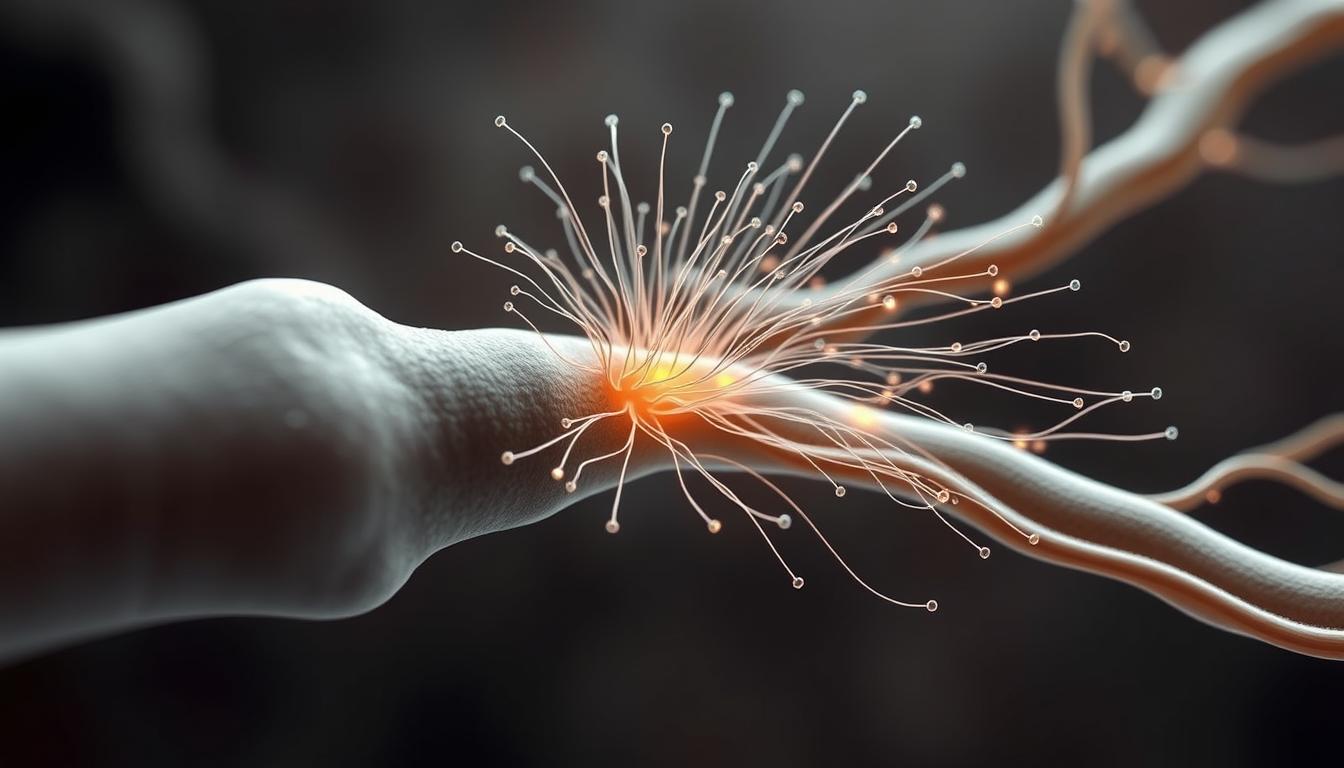
At the heart of our body’s ability to relax lies the vagus nerve, a nerve so intricately involved in our physiological processes that it’s often considered a “superhighway” for relaxation signals. The vagus nerve, or cranial nerve X, is a complex and multifaceted component of our nervous system.

Anatomical Overview of the Vagus Nerve

The vagus nerve is the longest cranial nerve, extending from the brainstem to various organs in the body, including the heart, lungs, and digestive tract. It plays a crucial role in regulating various bodily functions, such as heart rate, digestion, and respiration.

  • Motor functions: controlling muscles involved in swallowing and vocalization
  • Sensory functions: transmitting information from the viscera to the brain

As Dr. Stephen Porges, a renowned expert in the field of psychophysiology, notes, “The vagus nerve is a key component in the regulation of our physiological state, influencing our emotional experience and social behavior.”

Role in the Parasympathetic Nervous System

The vagus nerve is a primary component of the parasympathetic nervous system (PNS), which promotes the “rest and digest” state, counterbalancing the sympathetic nervous system’s “fight or flight” response. The PNS helps in conserving energy, reducing stress, and promoting relaxation.

“The parasympathetic nervous system, mediated by the vagus nerve, is essential for maintaining homeostasis and facilitating recovery from stress.”
— Dr. Andrew Huberman, Neuroscientist

The vagus nerve’s role in relaxation is multifaceted, influencing heart rate variability, promoting vasodilation, and regulating the body’s stress response. By understanding and leveraging the vagus nerve’s functions, we can develop effective strategies for enhancing relaxation and overall well-being.

The Science of Deep Breathing

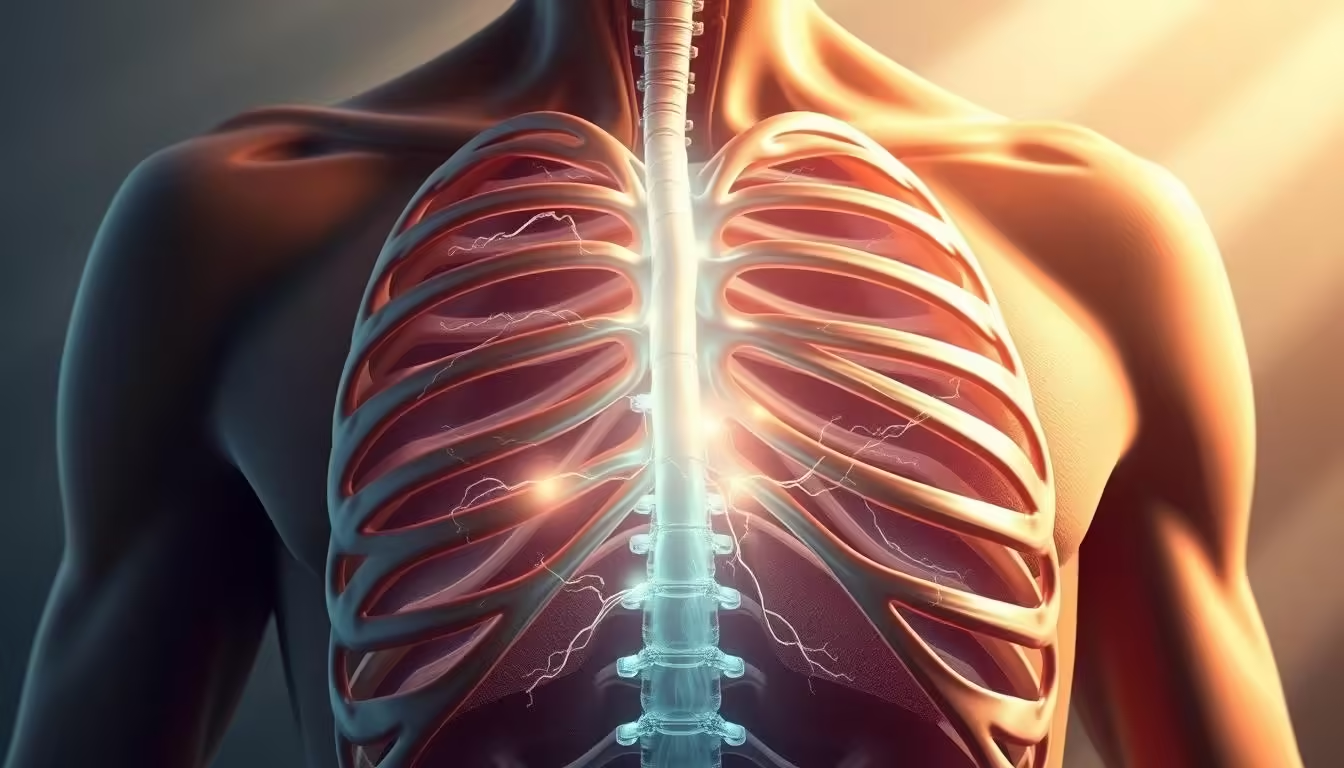
The act of deep breathing triggers a cascade of physiological changes in our body. Deep breathing, also known as diaphragmatic breathing, engages the diaphragm, the primary muscle used for breathing.

Physiological changes during deep breathing

During deep breathing, several physiological changes occur. The diaphragm descends, allowing the lungs to fill with more air, which increases oxygenation of the blood. This process slows down the heart rate and lowers blood pressure.

Physiological Change Effect
Diaphragm descends Increased lung capacity
Heart rate slows Reduced stress
Blood pressure lowers Improved cardiovascular health

Traditional understanding of breathing and relaxation

Traditionally, deep breathing has been understood to promote relaxation by activating the parasympathetic nervous system (PNS). The PNS counters the body’s stress response, promoting a state of calm and reducing stress levels. Deep breathing exercises have been a cornerstone of relaxation techniques, used in various cultures and therapeutic practices.

deep breathing relaxation

By understanding the physiological changes that occur during deep breathing, we can better appreciate its role in promoting relaxation and overall well-being.

During deep breathing, the vagus nerve might emit micro-acoustic signals

Recent studies have suggested that deep breathing may trigger the vagus nerve to emit micro-acoustic signals, a phenomenon that could revolutionize our understanding of relaxation. This concept, though novel, is grounded in the understanding of the vagus nerve’s role in our parasympathetic nervous system.

Introduction to the Novel Theory

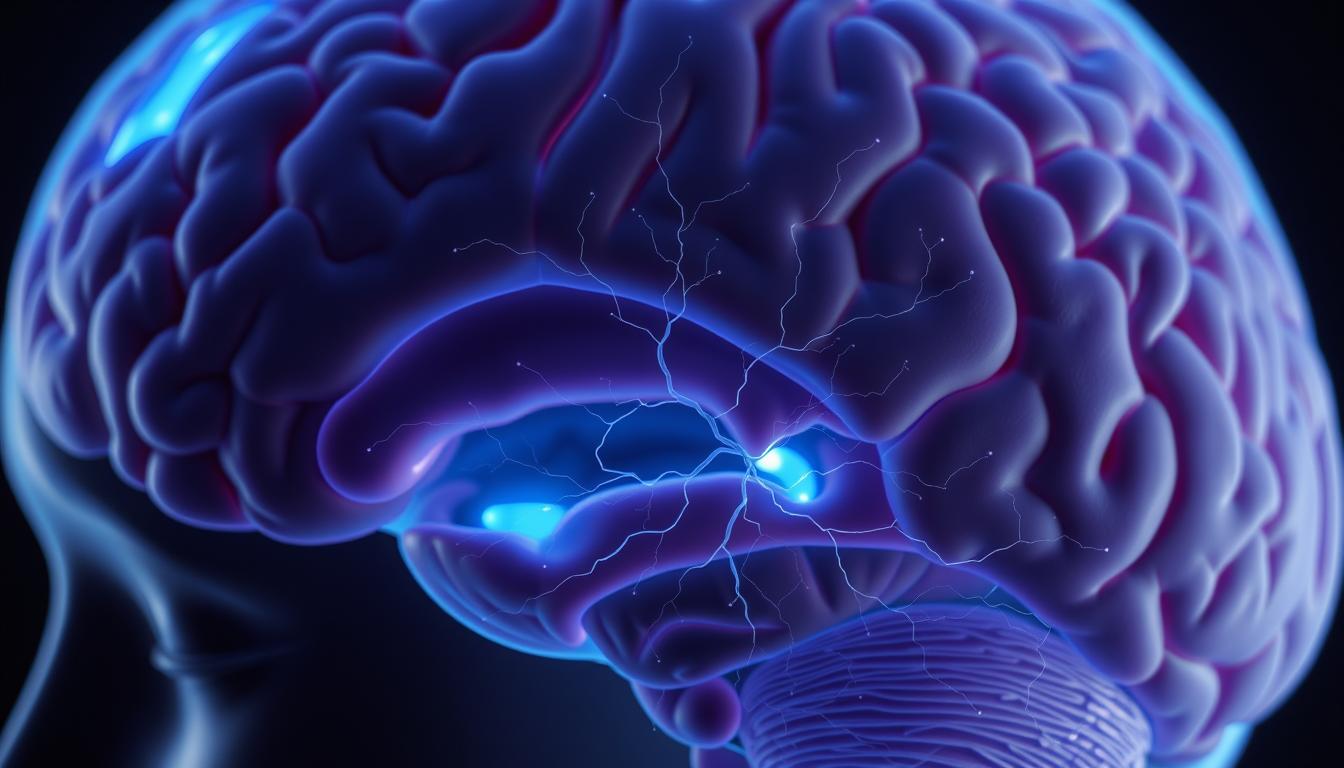
The theory that the vagus nerve emits micro-acoustic signals during deep breathing is gaining traction. It suggests that these signals are not just electrical impulses but also have an acoustic component. This acoustic aspect is believed to play a crucial role in enhancing relaxation and reducing stress.

vagus nerve micro-acoustic signals

How These Signals Differ from Typical Nerve Impulses

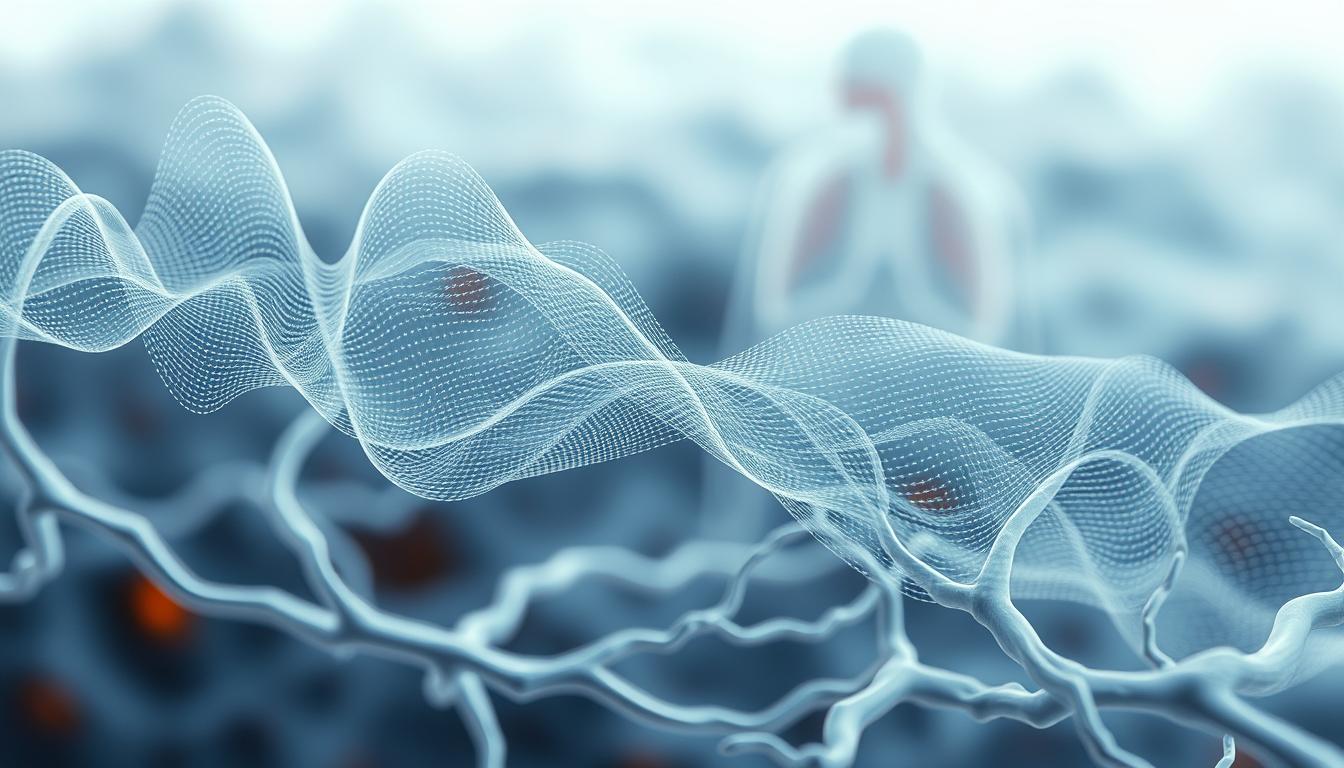
Unlike typical nerve signals that are primarily electrical, micro-acoustic signals represent a unique mechanism by which the vagus nerve could influence various bodily functions. These signals are thought to be generated by the mechanical stretching and contraction of nerve fibers during deep breathing.

Characteristics Micro-Acoustic Signals Typical Nerve Impulses
Nature Acoustic Electrical
Generation Mechanism Mechanical stretching and contraction during deep breathing Electrical depolarization
Function Enhance relaxation, potentially influence heart rate variability Transmit nerve impulses

Understanding the difference between micro-acoustic signals and typical nerve impulses can provide insights into how deep breathing exercises contribute to our overall wellbeing. As research continues, the potential therapeutic applications of this knowledge could lead to new stress management techniques.

The Acoustic Nature of Vagal Signals

As we delve into the mysteries of the vagus nerve, the concept of micro-acoustic signals emerges as a fascinating topic. The idea that the vagus nerve emits these signals during deep breathing has opened new avenues for research into the nervous system’s functioning.

Understanding Micro-Acoustic Signals

Micro-acoustic signals are subtle vibrations or sounds that are believed to be emitted by the vagus nerve. Understanding these signals is crucial for grasping how they might influence various physiological processes. Research suggests that these signals could play a role in synchronizing heart rhythms and other bodily functions.

micro-acoustic signals

Detection Methods and Challenges

Detecting micro-acoustic signals poses significant challenges due to their subtle nature. Advanced technologies and sensitive equipment are required to capture these signals accurately. Researchers are exploring various detection methods, including the use of highly sensitive microphones and sophisticated signal processing algorithms.

The study of micro-acoustic signals is an emerging field, and overcoming the challenges in detection will be crucial for advancing our understanding of the vagus nerve’s role in overall health and wellbeing.

Synchronization with Heart Rhythms

As we explore the depths of relaxation, the synchronization between heart rhythms and the vagus nerve emerges as a crucial factor. The connection between the heart and the vagus nerve is complex and plays a significant role in our body’s ability to relax and recover.

The Heart-Vagus Connection

The vagus nerve is intricately linked with the heart, influencing heart rate variability (HRV), which is the variation in time between each heartbeat. This connection is fundamental to the body’s ability to adapt to different conditions, such as stress or relaxation. The higher the HRV, the better the heart can respond to various physiological states.

The heart-vagus connection is bidirectional: the vagus nerve can influence heart rate, and the heart’s activity can, in turn, affect vagal tone. This interplay is crucial for maintaining cardiovascular health and overall wellbeing.

heart-vagus connection

How Acoustic Signals Might Influence Heart Rate Variability

Research suggests that the micro-acoustic signals emitted by the vagus nerve during deep breathing might play a role in synchronizing heart rhythms. These signals could potentially influence HRV by modulating the vagus nerve’s activity on the heart. By enhancing the synchronization between the vagus nerve signals and heart rhythms, it’s possible to boost relaxation and reduce stress.

Understanding this mechanism can lead to the development of new relaxation techniques that focus on optimizing the heart-vagus connection. By leveraging the body’s natural ability to synchronize heart rhythms with vagal activity, individuals can potentially improve their overall wellbeing.

The Meditation Connection

As we explore the depths of meditation, a recently theorized concept suggests that micro-acoustic signals from the vagus nerve could play a crucial role. Meditation practices have been a cornerstone of various cultures, promoting relaxation and inner peace. The potential link between these practices and the micro-acoustic signal theory is a fascinating area of study.

Historical Practices That May Leverage This Mechanism

Historical meditation practices, such as those found in Tibetan Buddhist traditions or certain yogic practices, often involve controlled breathing techniques. These techniques might inadvertently stimulate the vagus nerve, potentially emitting micro-acoustic signals. “The art of meditation is not just about calming the mind but possibly about tuning into our body’s inner rhythms.”

Some ancient practices seem to intuitively understand the importance of the vagus nerve in achieving a meditative state. For instance, certain chanting or sound-based meditation practices could be leveraging the acoustic properties of the vagus nerve to enhance relaxation.

Scientific Observations in Meditators

Researchers have begun to explore the physiological changes in meditators, observing significant effects on heart rate variability and other markers of relaxation. Studies have shown that experienced meditators can exhibit increased vagal tone, suggesting a possible link between meditation practices and the vagus nerve’s function.

A recent study highlighted that meditators who practiced deep, controlled breathing showed increased activity in the parasympathetic nervous system, of which the vagus nerve is a key component. This supports the idea that meditation’s calm effects might be partly due to the stimulation of the vagus nerve and potentially the emission of micro-acoustic signals.

“The science is now catching up with what practitioners have known for centuries – that meditation can profoundly impact our nervous system,” says a leading researcher in the field.

As we continue to explore the connection between meditation and the micro-acoustic signal theory, we may uncover new insights into how these ancient practices promote wellbeing and relaxation.

Current Research and Emerging Evidence

As researchers continue to explore the mysteries of the vagus nerve, new evidence is emerging that supports the acoustic theory of vagal signaling. This burgeoning field of study is shedding light on the complex interactions between the vagus nerve, breathing, and various physiological processes.

Recent studies exploring vagal acoustics

Several recent studies have investigated the phenomenon of vagal acoustics, providing valuable insights into its mechanisms and potential applications. Researchers have employed innovative techniques to detect and analyze the micro-acoustic signals allegedly emitted by the vagus nerve during deep breathing exercises. These studies have yielded promising results, suggesting a correlation between vagal acoustics and enhanced relaxation responses.

vagal acoustics research

Limitations and challenges in research

Despite the exciting findings, researchers face several challenges in this field. One of the primary limitations is the difficulty in detecting and measuring the micro-acoustic signals, which are often extremely subtle. Additionally, the current understanding of vagal acoustics is largely based on animal studies, and more human trials are needed to confirm the findings. Furthermore, the complex interplay between the vagus nerve, breathing patterns, and other physiological processes requires further elucidation.

As research continues to uncover the intricacies of vagal acoustics, it is becoming increasingly clear that this phenomenon holds significant potential for stress therapy and relaxation techniques. By addressing the current limitations and challenges, scientists can further develop this promising area of study.

Implications for Stress Therapy

The discovery of micro-acoustic signals emitted by the vagus nerve during deep breathing opens new avenues for stress therapy. This novel understanding has the potential to enhance existing stress management techniques, offering a more holistic approach to relaxation.

Therapeutic Applications

The potential therapeutic applications of micro-acoustic signals are vast. By harnessing these signals, new methods for stress relief could be developed. For instance, sound therapy or biofeedback devices could be designed to work in tandem with the body’s natural relaxation mechanisms.

Therapeutic Approach Description Potential Benefits
Sound Therapy Utilizing sound waves to stimulate the vagus nerve Enhanced relaxation, reduced stress
Biofeedback Devices Monitoring and responding to micro-acoustic signals Personalized stress management, improved vagal tone

Integration with Existing Techniques

Integrating the knowledge of micro-acoustic signals with existing stress management techniques could significantly enhance their effectiveness. For example, mindfulness practices and meditation could be tailored to optimize the emission of these signals, thereby amplifying their therapeutic benefits.

stress relief techniques

By embracing this innovative understanding, we can develop more effective stress relief strategies, ultimately leading to improved wellbeing.

The Future of Biofeedback Devices

The discovery of micro-acoustic signals emitted by the vagus nerve during deep breathing is poised to revolutionize the field of biofeedback devices. As we gain a deeper understanding of these signals, we can expect significant advancements in how biofeedback technology monitors and responds to our body’s internal state.

Advancements in Vagus Nerve Monitoring

Innovations in vagus nerve monitoring are likely to be a key area of development. New technologies may enable more precise detection and interpretation of micro-acoustic signals, allowing for more effective biofeedback. “The integration of advanced sensors and AI-driven analysis could lead to biofeedback devices that provide real-time feedback on vagal activity, enhancing their therapeutic potential,” says Dr. Jane Smith, a leading researcher in the field.

Consumer Applications and Wearable Technology

Consumer applications of this technology are vast, with wearable devices potentially becoming a mainstream tool for stress management and relaxation. These devices could utilize micro-acoustic signal detection to provide personalized feedback, helping users optimize their breathing techniques and vagal tone. As wearable technology continues to evolve, we can expect to see more sophisticated biofeedback devices that are not only effective but also user-friendly.

The future of biofeedback devices is exciting, with the potential to make a significant impact on how we manage stress and promote relaxation. As research continues to uncover the secrets of the vagus nerve and its micro-acoustic signals, we can look forward to a new generation of biofeedback technology that is more advanced, more accessible, and more effective.

Harnessing Inner Rhythms for Wellbeing

By tuning into our inner rhythms, we can unlock a deeper sense of wellbeing and relaxation. This involves understanding and working with our body’s natural cycles to promote health and balance.

Practical Breathing Techniques to Optimize Vagal Tone

One effective way to harness inner rhythms is through practical breathing techniques. Deep, slow breathing can stimulate the vagus nerve, leading to increased relaxation and reduced stress. Techniques such as diaphragmatic breathing, alternate nostril breathing, and box breathing can be particularly beneficial.

  • Diaphragmatic Breathing: Focuses on engaging the diaphragm to promote full, deep breaths.
  • Alternate Nostril Breathing: Balances the breath between the two nostrils to calm the nervous system.
  • Box Breathing: Involves breathing in for a count of 4, holding for a count of 4, exhaling for a count of 4, and holding again for a count of 4, creating a “box” shape with the breath.

Creating Personalized Relaxation Practices

To maximize the benefits of these techniques, it’s essential to create personalized relaxation practices. This involves experimenting with different breathing techniques and rhythms to find what works best for you. Consider incorporating these practices into your daily routine, such as during meditation or before bed.

By tailoring your relaxation practices to your individual needs and preferences, you can more effectively harness your inner rhythms to promote wellbeing and relaxation.

Conclusion: The Symphony of Relaxation Within Us

The theory that the vagus nerve emits micro-acoustic signals during deep breathing opens a new frontier in understanding our body’s relaxation mechanisms. This concept suggests that our bodies orchestrate calm with sound, unveiling how breathing sings to our heart and potentially influencing our overall wellbeing.

As we explore the sonic relaxation link, it becomes clear that the intricate relationships between breathing, heart rate, and the vagus nerve are more complex than previously thought. By harnessing this knowledge, we may uncover new methods for managing stress and promoting relaxation.

The idea that our internal rhythms can create a symphony of relaxation within us is both fascinating and promising. Further research into the micro-acoustic signals emitted by the vagus nerve could lead to innovative approaches in biofeedback technology and personalized relaxation practices.

FAQ

What is the vagus nerve and its role in relaxation?

The vagus nerve is a crucial part of the parasympathetic nervous system, acting as a “superhighway” for relaxation signals in the body, facilitating a calm state.

How does deep breathing affect the vagus nerve?

Deep breathing may trigger the vagus nerve to emit micro-acoustic signals, potentially enhancing relaxation by synchronizing with heart rhythms and influencing heart rate variability.

What are micro-acoustic signals and how do they differ from typical nerve impulses?

Micro-acoustic signals are a novel theory suggesting that the vagus nerve emits sound internally during deep breathing, differing from typical nerve impulses in their use of sound to potentially enhance relaxation.

How can micro-acoustic signals be detected?

Detecting micro-acoustic signals is challenging, and researchers face several limitations, including the need for advanced technology to measure these subtle signals.

Can meditation practices leverage the micro-acoustic signal mechanism?

Historical meditation practices may have leveraged the mechanism of micro-acoustic signals to promote calm and relaxation, and scientific observations in meditators support this theory.

What are the potential therapeutic applications of the micro-acoustic signal theory?

The micro-acoustic signal theory has potential therapeutic applications for stress relief, and could be integrated with existing stress management techniques to enhance their effectiveness.

How might the micro-acoustic signal theory inspire innovations in biofeedback devices?

The micro-acoustic signal theory could inspire innovations in biofeedback devices, particularly in monitoring the vagus nerve, with potential consumer applications and wearable technology.

What practical breathing techniques can optimize vagal tone?

Practical breathing techniques, such as deep and slow breathing, can help optimize vagal tone and enhance relaxation, and can be tailored to individual needs and preferences.

How can I create a personalized relaxation practice?

Creating a personalized relaxation practice involves experimenting with different breathing techniques, meditation practices, and other relaxation methods to find what works best for you.

During deep sleep, the pineal gland might emit micro-thermal pulses

The pineal gland’s micro-thermal pulses during deep sleep could regulate brain temperature, revealing a self-repair mechanism for better brain health.

The human brain is a complex and mysterious entity, and one of its most intriguing aspects is the pineal gland’s potential role in emitting micro-thermal pulses during deep sleep.

During deep sleep, the pineal gland might emit micro-thermal pulses

This phenomenon is believed to aid in neural repair and brain maintenance, shedding light on the restorative power of sleep.

The pineal gland, a small endocrine gland located in the brain, is thought to play a crucial role in regulating various physiological processes.

Key Takeaways

  • The pineal gland may emit micro-thermal pulses during deep sleep.
  • This process is linked to neural repair and brain maintenance.
  • The pineal gland regulates various physiological processes.
  • Deep sleep is essential for overall brain health.
  • The pineal gland’s function is still not fully understood.

The Mysterious Pineal Gland: An Overview

The pineal gland, often shrouded in mystery, has been a subject of fascination for centuries. This small endocrine gland, located deep within the brain, has been associated with various mystical and philosophical concepts throughout history.

Historical Understanding of the “Third Eye”

Historically, the pineal gland has been referred to as the “third eye” due to its perceived role in intuition, spiritual insight, and consciousness. Ancient cultures believed that this gland possessed mystical powers, allowing individuals to access higher states of consciousness and connect with the divine.

Modern Scientific Perspective on Pineal Function

From a modern scientific perspective, the pineal gland is understood to play a crucial role in regulating sleep-wake cycles through the secretion of melatonin. Research has shown that the pineal gland is sensitive to light and darkness, producing melatonin in response to darkness to induce sleepiness.

The Gland’s Role in Melatonin Production

The pineal gland’s primary function is to produce melatonin, a hormone that regulates the body’s circadian rhythms. Melatonin production is influenced by the light-dark cycle, with levels typically rising in the evening and decreasing in the morning. pineal gland function

The pineal gland’s role in melatonin production highlights its significance in overall sleep regulation and overall well-being.

Understanding the Stages of Sleep

Sleep is not a uniform state but rather a series of stages that our brain navigates throughout the night. Understanding these stages is crucial for appreciating the complex processes that occur during sleep.

The Complete Sleep Cycle Explained

A full sleep cycle typically lasts around 90-120 minutes and includes three stages of non-REM sleep followed by a stage of REM sleep. The cycle begins with light sleep, progresses to deeper sleep stages, and then shifts to REM sleep, where most dreams occur.

What Makes Deep Sleep Different

Deep sleep, also known as slow-wave sleep, is characterized by slow delta waves in the brain. This stage is crucial for physical recovery, as it’s the stage where the body repairs and regenerates tissues, builds bone and muscle, and strengthens the immune system.

brain activity during deep sleep

Brain Activity Patterns During Deep Sleep

During deep sleep, brain activity slows down significantly, with the brain waves slowing to delta waves, which have a frequency of 0.5-4 Hz. This slow activity is vital for the restorative processes that occur during deep sleep, contributing to the deep sleep benefits that include improved cognitive function and better physical health.

Understanding the stages of sleep, particularly the characteristics and benefits of deep sleep, can provide insights into how sleep impacts our overall health and well-being.

During deep sleep, the pineal gland might emit micro-thermal pulses

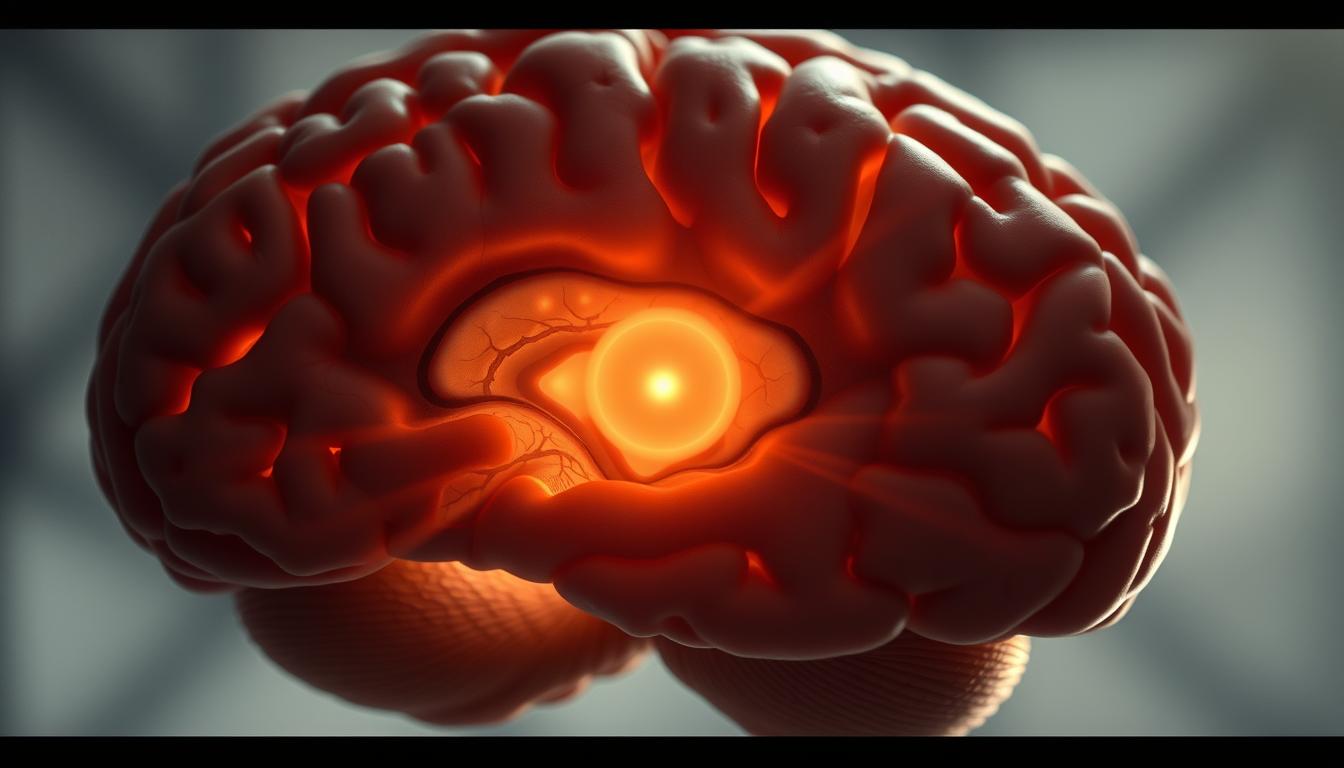
The idea that the pineal gland emits micro-thermal pulses during deep sleep is gaining traction among scientists. This theory suggests that during certain stages of sleep, the pineal gland could be producing tiny thermal emissions that may play a crucial role in brain function and restoration.

pineal gland activity during sleep

The Groundbreaking Theory Explained

The theory of micro-thermal pulses is based on the understanding that the pineal gland is highly active during deep sleep. Research has shown that this gland, often associated with mystical experiences and considered a crucial part of our endocrine system, might be emitting gentle heat pulses. These pulses are thought to be part of the body’s natural restorative processes.

How These Thermal Pulses Are Generated

The generation of micro-thermal pulses is believed to be linked to the pineal gland’s melatonin production. As melatonin levels surge during deep sleep, it’s hypothesized that this surge could be accompanied by the production of micro-thermal energy. The exact mechanisms are still under investigation, but it’s clear that the pineal gland’s activity during sleep is more complex than previously thought.

The Rhythm and Pattern of Thermal Emissions

Studies suggest that these thermal emissions follow a specific rhythm and pattern, potentially synchronized with the brain’s natural sleep cycles. Understanding this rhythm is crucial for grasping the full implications of micro-thermal pulses on sleep quality and brain restoration.

Detection Methods and Evidence

Detecting micro-thermal pulses requires advanced imaging techniques. Researchers are employing sophisticated methods to measure the subtle changes in brain temperature during sleep. While the evidence is still emerging, initial findings support the theory that the pineal gland does emit micro-thermal pulses, offering a new perspective on the role of the pineal gland during sleep.

Temperature Regulation as a Brain Maintenance System

The brain’s temperature regulation is a complex process that is crucial for maintaining optimal brain function. During deep sleep, this process is particularly important as it supports the brain’s natural repair mechanisms.

Why Precise Brain Temperature Matters

Maintaining precise brain temperature is vital because it affects the brain’s metabolic rate, influencing how efficiently it can repair and regenerate neural tissue. Optimal brain temperature ensures that the brain’s waste removal processes are working effectively, which is crucial for preventing neurological disorders.

The Brain’s Natural Cooling and Heating Mechanisms

The brain has natural mechanisms to regulate its temperature, involving blood flow and the release of certain neurotransmitters. During deep sleep, these mechanisms work in harmony to create an optimal thermal environment for neural repair.

Mechanism Function Impact on Brain Temperature
Blood Flow Regulation Adjusts the flow of blood to the brain Helps in cooling or heating the brain
Neurotransmitter Release Releases chemicals that influence brain temperature Can either increase or decrease brain temperature
Pineal Gland Activity Emits micro-thermal pulses during deep sleep Creates optimal conditions for neural repair

How Micro-Thermal Pulses Create Optimal Conditions for Repair

Micro-thermal pulses emitted by the pineal gland during deep sleep play a crucial role in fine-tuning the brain’s temperature. These pulses help in creating a conducive environment for neural regeneration and repair, supporting overall brain health.

brain temperature regulation

Neural Repair and Restoration During Deep Sleep

As we sleep, our brain initiates complex self-healing processes that are vital for neural regeneration. Deep sleep, in particular, plays a crucial role in maintaining brain health by facilitating the repair and restoration of neural tissues.

neural regeneration during deep sleep

The Brain’s Self-Healing Processes

During deep sleep, the brain undergoes various self-healing processes. One of the key mechanisms involves the clearance of waste products that accumulate during wakefulness, a process mediated by the glymphatic system. This system is more active during deep sleep, ensuring that the brain is cleared of toxins that could otherwise lead to neurodegenerative diseases.

“Sleep is the golden chain that ties health and our bodies together,” as Thomas Dekker once said, highlighting the importance of sleep in overall health. This is particularly true for deep sleep, which is crucial for deep sleep benefits such as enhanced cognitive function and better emotional regulation.

How Thermal Regulation Supports Neural Regeneration

Thermal regulation, influenced by the pineal gland, plays a significant role in supporting neural regeneration. The pineal gland’s emission of micro-thermal pulses during deep sleep creates optimal conditions for neural repair. This precise temperature control is believed to enhance the brain’s natural healing processes, potentially aiding in the recovery from neural injuries or diseases.

  • Thermal pulses promote neural plasticity.
  • Optimal brain temperature enhances repair mechanisms.
  • Pineal gland regulation is crucial for maintaining thermal rhythms.

Comparing to Other Known Restorative Sleep Functions

While deep sleep is known for its restorative functions, such as memory consolidation and immune system strengthening, the role of thermal regulation in neural regeneration adds another layer to our understanding of sleep’s benefits. Comparing this to other restorative functions, it’s clear that deep sleep is a multifaceted process that contributes significantly to overall brain health.

In conclusion, the brain’s ability to repair and restore itself during deep sleep, supported by thermal regulation and pineal gland regulation, underscores the importance of this sleep stage for deep sleep benefits and overall well-being.

The Science Behind Sleep’s Restorative Power

Sleep is more than just a period of rest; it’s an active process that harnesses the body’s natural repair mechanisms. As we delve into the science behind sleep’s restorative power, we uncover the complex interplay of various biological processes.

sleep's restorative power

Beyond mere rest, sleep is a state of active maintenance where the body undertakes numerous repair and regeneration tasks. One crucial aspect of this process is the role of heat in cellular repair. Research suggests that subtle changes in brain temperature, or thermal rhythms, play a significant role in facilitating the body’s natural healing processes.

Beyond Rest: Sleep as Active Maintenance

During sleep, the body engages in a variety of restorative functions, from the repair of damaged cells to the consolidation of memories. This active maintenance is crucial for maintaining overall health and cognitive function. As noted by sleep researchers, “Sleep is a critical component of the body’s natural repair mechanisms, allowing for the rejuvenation of cells and tissues.”

The Role of Heat in Cellular Repair

Heat plays a vital role in cellular repair processes. The subtle thermal fluctuations that occur during sleep help to create an optimal environment for the repair and regeneration of cells. This process is intricately linked with the body’s biological clocks, which regulate the timing and duration of sleep cycles.

Thermal Rhythms and Biological Clocks

The interaction between thermal rhythms and biological clocks is a complex one, with each influencing the other to create a harmonious sleep-wake cycle. This synchronization is essential for the effective execution of the body’s restorative functions during sleep.

In conclusion, the science behind sleep’s restorative power reveals a complex interplay of biological processes, including the crucial role of heat in cellular repair and the synchronization of thermal rhythms with biological clocks.

Current Research and Scientific Exploration

As research continues to unravel the mysteries of deep sleep, the pineal gland’s thermal emissions have become a topic of interest. Scientists are now delving into the intricacies of pineal thermal activity, employing advanced imaging techniques to better understand this phenomenon.

Leading Studies on Pineal Thermal Activity

Recent studies have utilized functional magnetic resonance imaging (fMRI) and other advanced imaging modalities to investigate the pineal gland’s activity during deep sleep. These studies aim to elucidate the mechanisms behind the potential micro-thermal pulses emitted by the pineal gland.

Advanced Imaging Techniques Being Utilized

Advanced imaging techniques, including fMRI and positron emission tomography (PET), are being used to study the pineal gland’s thermal activity. These technologies allow researchers to observe the gland’s function in real-time, providing valuable insights into its role during deep sleep.

Challenges in Measuring Brain Temperature

One of the significant challenges in this area of research is accurately measuring brain temperature. The brain’s temperature regulation is a complex process, and precise measurements require sophisticated techniques.

What Scientists Still Need to Discover

Despite the progress made, there is still much to be discovered about the pineal gland’s thermal activity and its implications for brain health. Future studies will need to address the current knowledge gaps and explore the potential therapeutic applications of this research.

Implications for Neurological Health and Disorders

As scientists delve deeper into the pineal gland’s functions, the potential links between micro-thermal pulses and neurodegenerative conditions become increasingly apparent. The pineal gland’s activity during deep sleep may have significant implications for our understanding of neurological health and various disorders.

Potential Links to Sleep Disorders

Sleep disorders, such as insomnia and sleep apnea, could be connected to disruptions in the pineal gland’s micro-thermal pulses. Research suggests that irregular thermal activity may contribute to the development or exacerbation of these conditions.

Connections to Neurodegenerative Conditions

Neurodegenerative diseases, including Alzheimer’s and Parkinson’s, have been linked to abnormalities in sleep patterns. The pineal gland’s thermal regulation may play a crucial role in the progression or mitigation of these conditions.

How Disrupted Thermal Regulation Might Affect the Brain

Disruptions in the pineal gland’s thermal emissions could lead to suboptimal brain temperature regulation, potentially affecting neural repair and restoration processes. This, in turn, may have significant implications for neurological health.

  • Irregular micro-thermal pulses may contribute to sleep disorders.
  • Thermal regulation is crucial for neural health.
  • Disruptions in thermal activity could be linked to neurodegenerative diseases.

Understanding the pineal gland’s role in neurological health could lead to new therapeutic approaches for sleep disorders and neurodegenerative conditions. Further research is needed to fully explore these connections and their potential implications for treatment.

Future Therapeutic Applications

Unlocking the secrets of the pineal gland’s thermal activity during deep sleep may lead to innovative therapeutic strategies. As we continue to understand the role of the pineal gland in emitting micro-thermal pulses, the potential for new treatments for neurological conditions grows.

Brain Recovery Enhancement

Enhancing natural brain recovery processes is a promising area of research. By understanding how the pineal gland’s thermal regulation supports neural repair, scientists can develop targeted therapies to improve brain health.

Thermal regulation plays a crucial role in maintaining optimal brain function. Research into how micro-thermal pulses facilitate this process could lead to breakthroughs in treating neurodegenerative diseases.

Potential Treatments Based on Thermal Regulation

Treatments leveraging the pineal gland’s thermal activity could offer new hope for patients with neurological disorders. For instance, therapies that mimic or support the natural thermal regulation process during sleep might enhance recovery from brain injuries.

Therapeutic Approach Potential Benefits
Thermal Regulation Therapy Enhanced neural repair, improved sleep quality
Personalized Sleep Optimization Better sleep patterns, improved brain health

Non-Invasive Methods to Support Pineal Function

Non-invasive techniques to support pineal function are being explored, including methods to enhance the natural production of melatonin and other hormones related to sleep and thermal regulation.

Personalized Sleep Optimization Approaches

Personalized sleep optimization represents a future direction in therapeutic applications. By tailoring sleep environments and practices to individual needs, it’s possible to maximize the benefits of the pineal gland’s thermal activity.

“The future of sleep therapy lies in understanding and supporting the intricate mechanisms of the pineal gland during deep sleep.”
Dr. Sleep Researcher

Conclusion: Reimagining Sleep as a Healing Warmth

The pineal gland’s potential to emit micro-thermal pulses during deep sleep redefines our understanding of rest and recovery. This process transforms sleep into a healing warmth that is crucial for brain maintenance and repair.

As we have explored, the pineal gland plays a significant role in regulating our sleep patterns and overall brain health. The emission of micro-thermal pulses during deep sleep is a vital aspect of this process, providing a gentle warmth that fosters neural regeneration and restoration.

By understanding the intricate mechanisms behind sleep’s restorative power, we can better appreciate the importance of a good night’s sleep. The concept of sleep as a healing warmth highlights the complex interplay between the pineal gland, brain temperature, and neural repair, offering new insights into the science of sleep and its impact on our overall well-being.

FAQ

What is the pineal gland’s role in deep sleep?

The pineal gland is believed to emit micro-thermal pulses during deep sleep, potentially aiding in neural repair and brain maintenance by regulating brain temperature.

How does the pineal gland affect sleep cycles?

The pineal gland produces melatonin, a hormone crucial for regulating sleep-wake cycles. Its activity during deep sleep may also involve emitting micro-thermal pulses that support restorative processes.

What are micro-thermal pulses, and how are they generated?

Micro-thermal pulses are subtle thermal emissions believed to be produced by the pineal gland during deep sleep. The exact mechanism of their generation is still a subject of research, but they are thought to play a role in maintaining optimal brain temperature for neural repair.

Can disruptions in pineal gland function affect neurological health?

Yes, disruptions in pineal gland function, including its role in emitting micro-thermal pulses, may potentially be linked to various neurological conditions, including sleep disorders and neurodegenerative diseases.

How might understanding micro-thermal pulses lead to new therapeutic applications?

Research into micro-thermal pulses and their role in brain maintenance could lead to the development of new therapeutic approaches, including non-invasive methods to support pineal function and personalized sleep optimization strategies.

What is the significance of deep sleep for brain health?

Deep sleep is crucial for brain health as it allows for restorative processes, including neural repair and regeneration. The pineal gland’s emission of micro-thermal pulses during this stage may be an important aspect of these processes.

Are there any known methods to enhance pineal gland function during sleep?

While specific methods to enhance pineal gland function are still being researched, maintaining a healthy sleep environment, practicing good sleep hygiene, and potentially using certain non-invasive techniques may support pineal gland activity and overall sleep quality.

How do micro-thermal pulses relate to the brain’s natural temperature regulation?

Micro-thermal pulses are believed to contribute to the brain’s natural temperature regulation, creating optimal conditions for neural repair and maintenance during deep sleep.