
Finding time and space to play tennis in a major city takes a little planning. If you are searching for tennis Tokyo options, the best first step is to decide what you need: a court for a casual hit, a regular place to practise, a club session, or a game that fits around a visit. This guide explains how to look for courts, prepare for booking, choose equipment, and make tennis easier to fit into everyday life in Tokyo.
Public court locations, booking rules, prices, and opening hours can change, and access may depend on the facility. Check current details directly with the relevant operator before setting out. Rather than relying on an unverified list, use the process below to find an option that suits your schedule and playing level.
How to find a tennis court in Tokyo
Start with the type of venue you want. Public facilities may suit players looking for a one-off session, while private clubs, sports centres, or coached programmes may offer a more structured experience. Availability and eligibility differ, so read the facility’s own information before making plans.
Search with specific terms
Search in English and, when possible, use Japanese terms or a translation tool. Try queries that combine “tennis court” with the ward, neighbourhood, or station area where you will be. Japanese search terms such as “テニスコート” (tennis court) paired with a location may help surface local facility pages. Treat maps and directory listings as starting points, not confirmation of current access.
Once you find a possible venue, look for its official website or contact details. Confirm whether the courts are open to the public, whether advance registration is required, and whether non-residents or visitors can book. If the information is unclear, ask the operator directly rather than assuming that a court shown online can be used without a reservation.
Compare the whole journey
A court that looks convenient on a map may still require a complicated trip with your gear. Check the route from your accommodation or home, the nearest station or bus stop, and the time needed to reach the entrance. Include time to check in, change shoes, and warm up. For a short session, a nearby court with a simpler journey may be more practical than a venue across town.
Understand court booking before you go
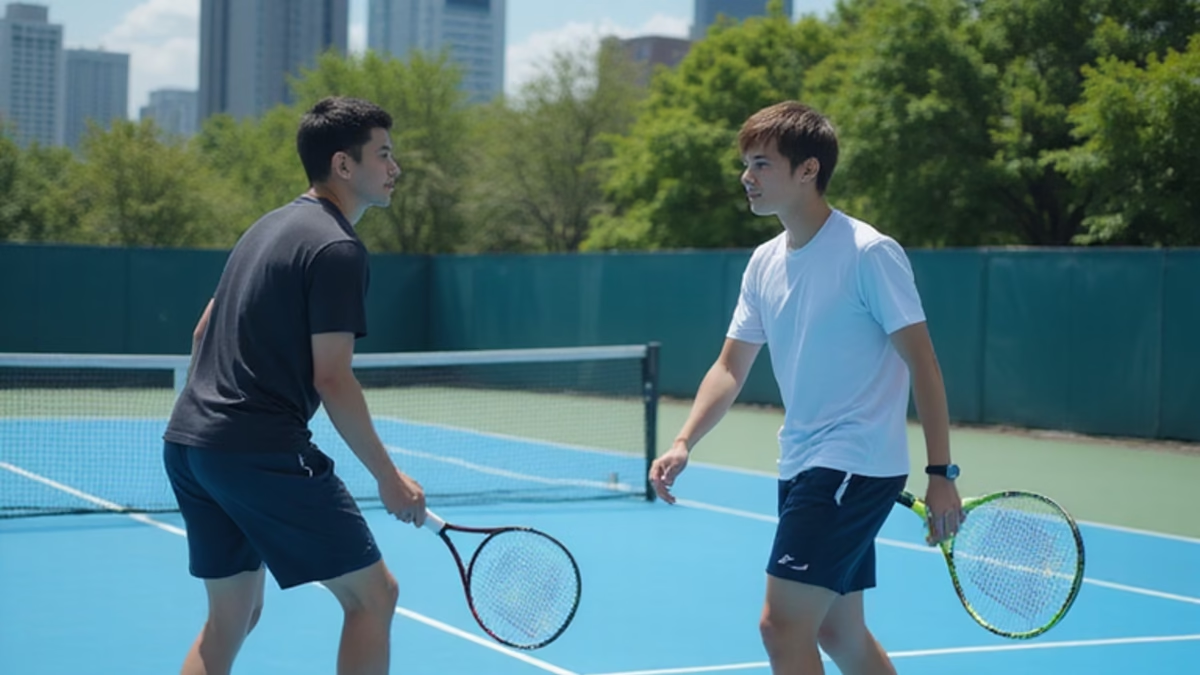
Booking procedures are not necessarily the same across Tokyo. Some venues may use online reservations; others may have different application or payment arrangements. A facility may also distinguish between booking a court and registering to use its system. Confirm each step on the official venue page.
Before reserving, check:
- Who can book: Find out whether registration is open to visitors and what identification or account details are required.
- When bookings open: Check the release schedule, reservation window, and any rules for cancellations or changes.
- How payment works: Confirm the accepted payment method and whether fees are due in advance or on arrival.
- What the booking includes: Ask whether the reservation covers the court only or whether equipment, lighting, or other services are separate.
- Weather and closures: Read the policy for rain, maintenance, and other interruptions, including how to check for same-day updates.
Save the confirmation and the venue’s contact information on your phone. If you do not read Japanese confidently, prepare a short translated message asking about public access, availability, equipment rental, and arrival instructions. Keep the original wording simple so it is easier to understand if a staff member replies in English or Japanese.
Choose the right way to play
Your ideal tennis arrangement depends on how often you want to play and whether you already have a partner. A one-time court rental can work for friends who know the basics and want to set their own pace. Beginners may feel more comfortable with a coached lesson or organised group, where instruction and court time are planned. Players hoping to meet partners can look for sessions that explicitly welcome individual participants.
When comparing classes or groups, check the stated playing level, language of instruction, group size, session length, and cancellation terms. Do not assume that a session is suitable just because it is described as beginner-friendly; ask what experience is expected. If you have an injury or need an adaptation, contact the organiser beforehand to confirm whether the activity is appropriate.
For regular play, consistency matters more than choosing the most elaborate arrangement. A recurring session close to your home or workplace can make it easier to build the habit. If your timetable changes often, look for a flexible option and confirm how far ahead you need to commit.
What to bring for a tennis session
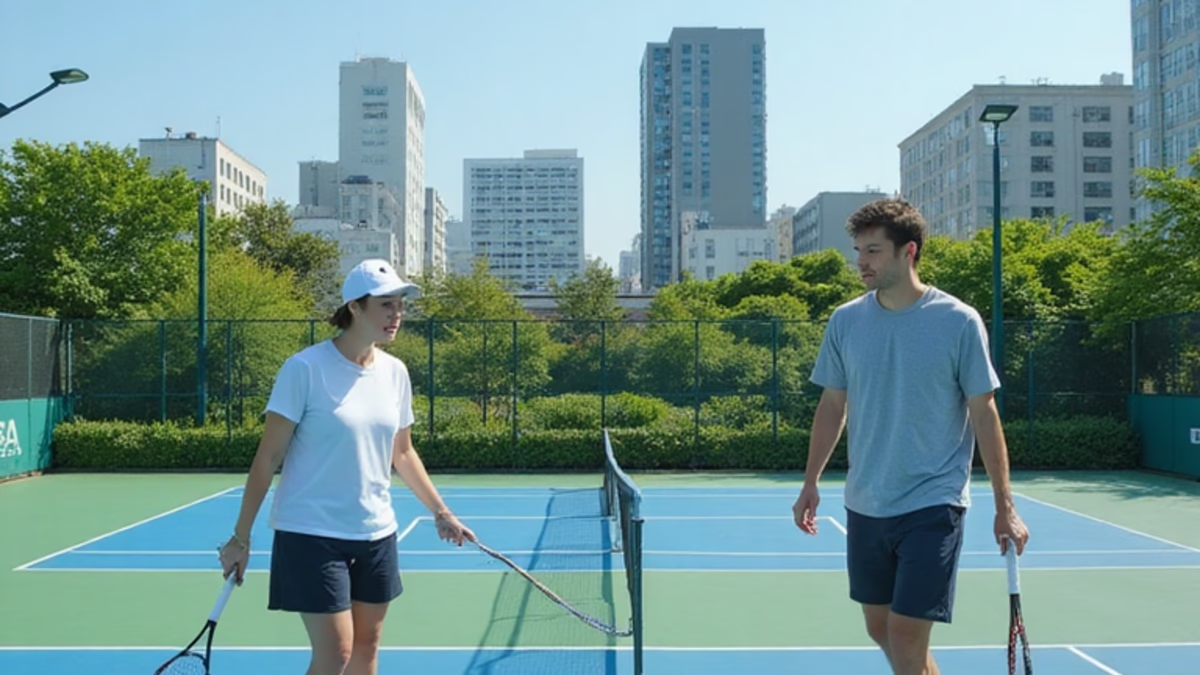
Pack according to the venue’s rules and the weather forecast. At a minimum, plan for a racket, tennis balls if the court does not provide them, suitable court shoes, comfortable sports clothing, and water. Confirm whether the venue rents rackets or sells supplies before relying on that option.
- Wear shoes intended for tennis and appropriate to the court surface. Ask the facility if it specifies a particular sole or footwear rule.
- Bring a towel and a change of clothes if you will continue with other plans afterward.
- Carry water and take breaks as needed, especially during warm or humid conditions.
- Keep valuables and personal items secure, and check whether lockers are available before arriving.
- Bring a light layer or rain protection when conditions may change, while following the venue’s rules about equipment and storage.
For visitors, travelling with a racket can be inconvenient. First check rental availability and the size or baggage rules that apply to your transport. If you bring your own racket, protect it in a cover and make sure it fits your luggage plan. Avoid assuming that a sports shop or rental service near a court is open when you need it; verify hours directly.
Make tennis fit everyday life in Tokyo
Playing regularly can provide a reason to move, practise coordination, and spend time with other people. You do not need to turn every session into a demanding workout. A relaxed hit, a lesson, or a short practice focused on one skill can be a manageable way to keep tennis in your routine.
Make the commitment realistic. Choose a session length that leaves enough time for travel and changing, and add the full journey to your calendar. If you are new to the city, start with one booking rather than planning a complicated weekly schedule before you know how the venue works. Afterward, note what went well: the route, check-in process, equipment, and pace of play. That information makes the next session easier to organise.
Playing with a partner also helps set expectations. Agree on the session length, whether you are practising or playing points, and how you will handle court fees and balls. For a first meeting with a new player, choose a public, clearly identified venue and confirm the booking details in advance.
Questions to ask before choosing a venue
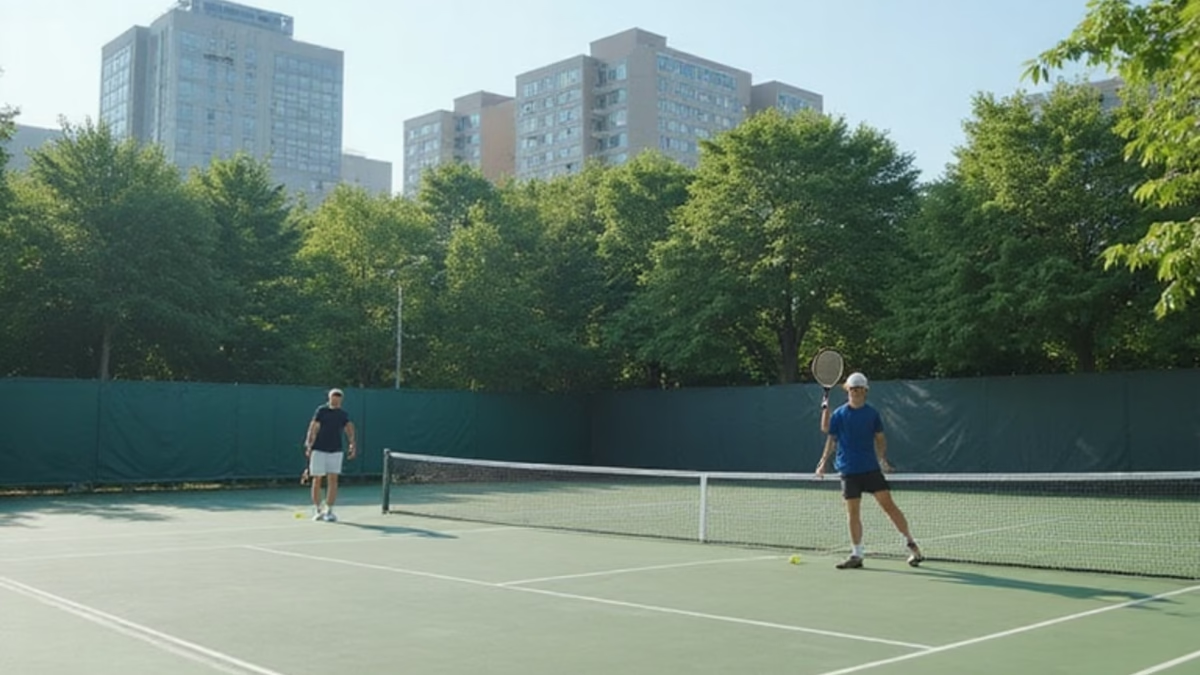
A short checklist can save time and prevent a wasted trip. Contact the facility if its website does not answer these questions:
- Can a visitor or first-time player book and use the court?
- Is registration required before making a reservation?
- What is the court surface, and are there footwear requirements?
- Can I rent a racket or buy balls at the venue?
- What is the policy for rain, cancellations, and late arrival?
- Are changing rooms, showers, or lockers available?
- Which entrance should I use, and how early should I arrive?
FAQ: Tennis in Tokyo
Can visitors play tennis in Tokyo?
Possibly, but access depends on the facility and its current rules. Check whether visitors can register and book, and ask what documents or steps are required. Do not rely on a map listing alone to confirm public access.
Do I need to reserve a tennis court in advance?
Reservation requirements vary by venue and time. Check the facility’s official booking instructions, including when reservations open and whether you need an account. If you want to play on a particular day, confirm availability before travelling.
Can I rent a racket?
Some venues may offer equipment rental, but availability is not universal and may require advance notice. Contact the court or programme to confirm the racket type, rental process, and any associated cost before you depend on it.
How can I find a tennis partner?
Look for lessons, group sessions, or organised activities that accept individual players. Check the stated skill level, language, and participant arrangements. If you use a community group or online listing, verify the organiser and meeting details before attending.
What should beginners do first?
Choose a beginner lesson or a casual session with someone who is comfortable playing at your pace. Ask what equipment is required and whether the session includes instruction. Begin with a manageable duration and focus on basic movement and consistent contact rather than trying to play at full intensity immediately.
Plan your next game
Finding tennis in Tokyo is easier when you approach it as a small planning task: choose a neighbourhood, identify a suitable type of session, verify the venue’s current access and booking rules, and prepare the right equipment. Start with one practical option close to your route, then adjust after you have experienced the journey and court arrangements. With those details sorted in advance, you can spend less time troubleshooting and more time enjoying the game.