The phrase teghaza 001 martian meteorite sahara raises an exciting question: does it identify a documented rock from Mars found in the Sahara? The research supplied for this article does not verify a specimen by that name or provide a classification record, discovery details, or laboratory findings. That distinction matters. A compelling name or online listing alone cannot establish that a rock is Martian—or even that the name is an official meteorite designation.
This guide explains what can responsibly be said, how Martian meteorites are identified in general, and what to check before trusting a claim or buying a specimen. It does not present unverified information about Teghaza 001 as fact. If you are researching this name, treat the identification as unconfirmed until reliable documentation supports it.
What does “Teghaza 001” refer to?
From the information available for this article, “Teghaza 001” cannot be confirmed as a recognized meteorite name or classification. The supplied source is a Google Trends RSS feed, which may show search interest but does not establish a meteorite’s identity, origin, or scientific status. No verified specimen record or other research source was provided.
This does not prove that no rock, seller’s label, or local name uses the phrase. It means the name should not be treated as scientific confirmation without evidence. Meteorite names and classifications depend on documented information; spelling variations, informal labels, and sales descriptions can make it difficult to determine whether two references mean the same object.
Why the name alone is not enough
A label can be useful for identifying an item in a collection, but it is not the same as an independently supported classification. Before repeating a claim, look for a traceable record that connects the name to a described specimen and its examination. If a seller or post offers only a dramatic origin story, ask what documentation supports it.
How a Martian meteorite is identified
A meteorite is material from space that survives its passage through Earth’s atmosphere and reaches the ground. A rock described as Martian is a much more specific claim: scientists need evidence that supports a connection to Mars, rather than simply an unusual appearance or a desert find location.
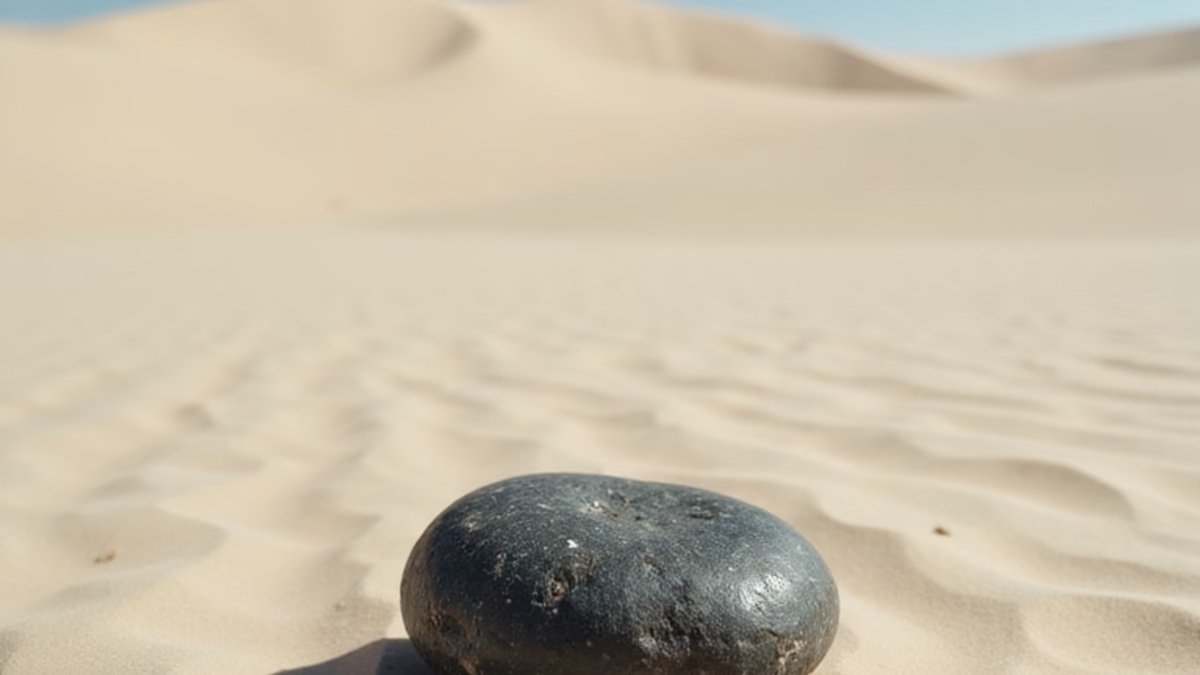
Meteorite specialists examine characteristics such as mineral composition, texture, and chemistry. For a proposed Martian meteorite, laboratory evidence may be compared with what is known about Martian rocks. In some meteorites, trapped gases have also been important to investigations of planetary origin. These are scientific lines of evidence, not conclusions that can safely be drawn from a photograph or a seller’s description alone.
Even if a rock is found in the Sahara, the location does not by itself establish that it came from Mars. Deserts can preserve and expose many kinds of rock, and identifying a meteorite requires examination. The same principle applies to claims about a specimen’s age, exact fall date, collection site, rarity, or scientific significance: each needs evidence appropriate to the claim.
How to assess a Teghaza 001 claim
If you encounter a listing, article, or social post using the phrase, use this practical checklist before sharing it or spending money.
- Ask for the precise name and classification. Request the full name as written in the relevant scientific record, not just a short label or nickname.
- Look for a traceable record. Check whether the name appears in recognized meteorite classification resources, and whether the entry’s details match the specimen being discussed. A matching-sounding name is not enough; compare spelling and supporting information.
- Request documentation for the particular piece. A seller should explain how the specimen is linked to its stated classification. Ask whether paperwork identifies the material, its weight, and the source of the identification. Documentation quality varies, so consider who issued it and what evidence it describes.
- Separate general evidence from specimen-specific evidence. A page explaining Martian meteorites generally does not prove that one particular stone is Martian. Look for information that directly concerns the named sample.
- Be cautious with extraordinary claims. Statements about a unique discovery, a precise find date, exceptional rarity, or scientific importance should come with independently checkable support.
- Pause if the answer is vague. If the name cannot be located in reliable records and the seller cannot explain the gap, do not treat the identification as settled.
What to ask before buying a claimed Martian meteorite
Meteorite collecting can be an engaging way to explore planetary science, but buying a specimen is a purchase decision—not a shortcut to scientific certainty. Ask the seller for clear photographs, the specimen’s measurements or weight, the stated classification, and any documentation tied to that specific item. Find out whether the object is a whole stone, a fragment, or a prepared slice, and whether the images show the actual piece being sold.
Read the return and refund terms before paying. If the price depends on a Martian origin claim, make sure the seller explains what supports that claim and what happens if the identification is disputed. Avoid relying only on a certificate’s appearance: ask who issued it, what examination it represents, and how the certificate can be checked.
Be particularly careful when a listing uses “Teghaza 001” as though it were a settled scientific designation but provides no verifiable record. That is a reason to ask questions, not proof of fraud. The responsible conclusion is simply that the claim remains unverified unless suitable evidence is produced.
How to handle and display a specimen
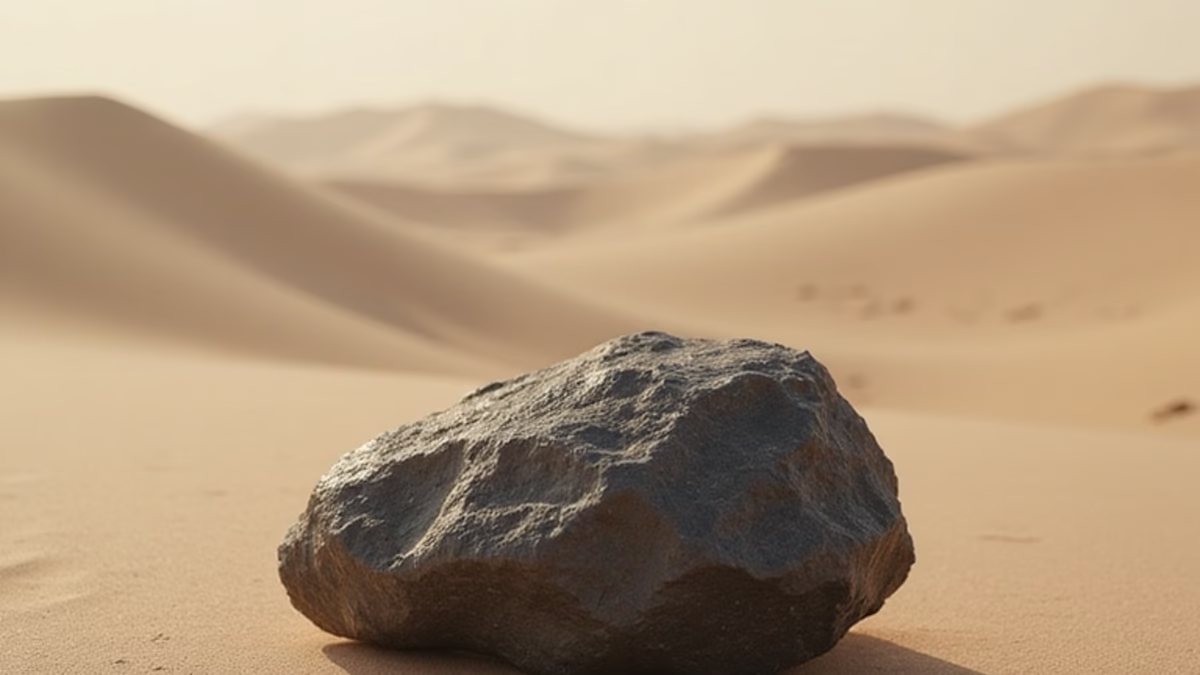
If you already own a rock sold under this name, preserve the seller’s paperwork, messages, and original packaging. Keep those records separate from your own notes, and label the item as “claimed” or “unverified” if its origin has not been confirmed. This prevents an uncertain description from quietly becoming a fact as the specimen changes hands.
For ordinary handling, avoid unnecessary cleaning or cutting. Altering a specimen can remove surface features or affect material that someone may later want to examine. Use clean hands or suitable gloves according to the material and advice from a qualified collection professional; do not assume every rock needs the same treatment. Store it securely, away from conditions that could damage the specimen, and keep it separate from household food-preparation areas.
When displaying it, use a stable support and a label that distinguishes confirmed information from claims. For example, a note can say that the item was sold as a meteorite while its classification is being checked. Clear labeling is useful for families, classrooms, and collectors because it makes uncertainty visible rather than hiding it.
Why the topic is still worth exploring
Checking a name carefully is not a reason to lose interest. The process itself offers a useful introduction to how science evaluates evidence: observations are documented, explanations are tested, and claims are adjusted when evidence is incomplete. For students and curious readers, comparing a sales description with a classification record can become a practical lesson in critical thinking and source evaluation.
It can also make collecting more rewarding. A well-documented specimen, whatever its final classification, has a clearer history than an item accompanied only by an exciting story. Asking for evidence protects buyers and helps keep public discussion about meteorites accurate.
Frequently asked questions
Is Teghaza 001 confirmed as a Martian meteorite?
It cannot be confirmed from the sources supplied for this article. No classification record or specimen-specific scientific documentation was provided. Treat the Martian identification as unverified until reliable evidence supports it.
Does “Sahara” prove where a meteorite came from?
No. A desert location in a label or description does not, by itself, prove the exact find site or planetary origin. Those claims need supporting documentation and, for origin, suitable scientific evidence.
Can I identify a Martian meteorite from a photograph?
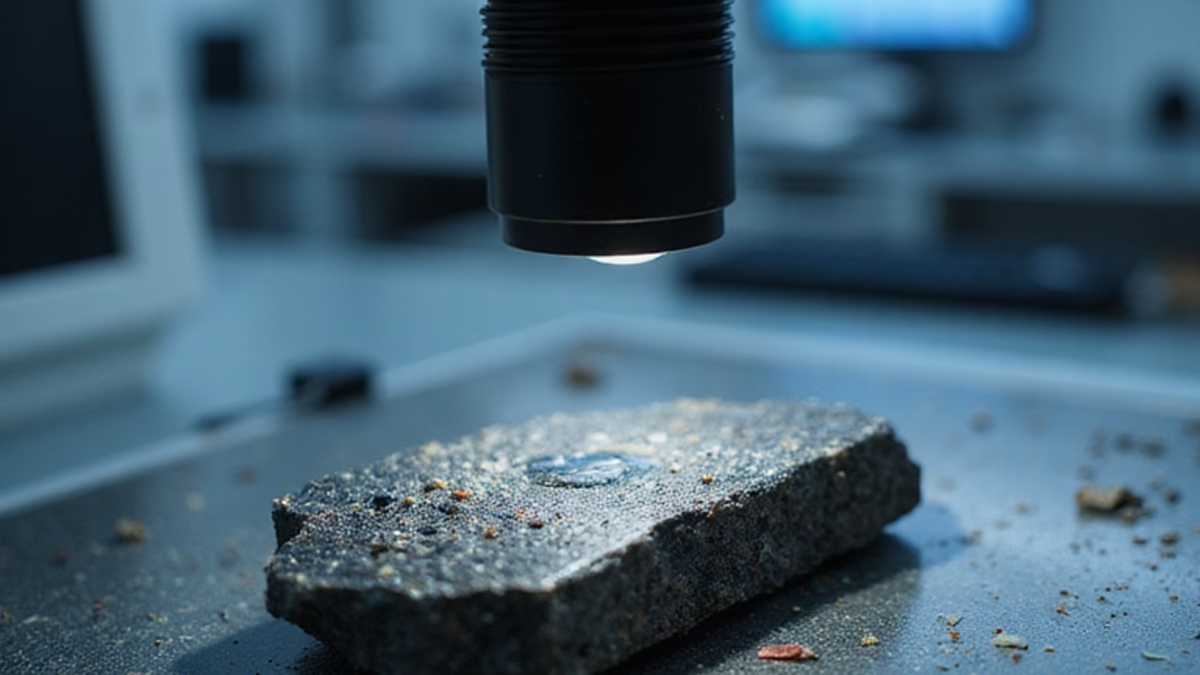
A photograph may help someone inspect visible features, but it cannot establish a complex classification on its own. Identification may require examination and analytical evidence beyond what an image shows.
What should I do if I already bought a specimen labeled Teghaza 001?
Keep the item and all paperwork together, record exactly what the seller claimed, and seek an independent assessment from a qualified meteorite specialist or relevant scientific institution. Until the claim is checked, describe it as a specimen sold under that label rather than a confirmed Martian meteorite.
Conclusion
The phrase “Teghaza 001 Martian meteorite from the Sahara” may sound specific, but the information supplied here does not verify the name or its proposed origin. The safest approach is to look for a traceable classification, specimen-specific documentation, and evidence that supports each claim. Whether you are a buyer, collector, student, or simply curious, separating what is known from what is alleged helps you make better decisions—and keeps an intriguing story from being mistaken for a confirmed scientific fact.