6 Essential Tips for Following Up After a Job Interview Successfully

Introduction
After a job interview, many candidates wonder if and how they should follow up. A well-timed and professionally crafted follow-up message can significantly increase your chances of leaving a positive impression and even landing the job. This article provides practical, step-by-step advice on how to follow up after a job interview, including common pitfalls to avoid and examples to help you get it right. Whether you are a beginner or have little experience with job interviews, these tips will empower you to take confident action in your job search.
Why Following Up Matters
Following up after an interview shows professionalism, enthusiasm, and respect for the hiring process. It can reinforce your interest in the position, remind the interviewer of your qualifications, and keep you on their radar. While not all employers expect a follow-up, many appreciate it, and it can set you apart from other candidates who don’t take this initiative.
Tip 1: Send a Timely Thank-You Email
The first and most important follow-up step is to send a thank-you email within 24 hours after your interview. Sending this quickly demonstrates your appreciation and enthusiasm while the interview is still fresh in the interviewer’s mind.
How to do it:
- Address the interviewer by name.
- Express genuine appreciation for the opportunity and their time.
- Briefly mention a key point from the interview that excited you.
- Reiterate your interest in the role and how your skills align with the company’s needs.
- Keep the email concise and professional.
Example:
“Dear Ms. Johnson,
I want to thank you for taking the time to interview me yesterday for the Marketing Coordinator position. I enjoyed learning more about your innovative campaigns and the team’s collaborative approach. I am excited about the possibility of contributing my digital marketing skills to your company. Please let me know if you need any additional information.
Best regards,
Alex Smith”
Tip 2: Be Patient but Proactive
It’s essential to strike a balance between showing eagerness and respecting the employer’s timeline. Typically, if the interviewer gave you a timeframe for their decision, wait until that period has passed before sending a follow-up.
If no timeframe was provided, allow about one to two weeks before reaching out again. This patience shows your understanding of their process while maintaining your interest.
How to do it:
- Set a reminder to follow up based on the given or expected timeline.
- If after the expected time you haven’t heard back, send a polite inquiry about the status.
Example:
“Dear Mr. Lee,
I hope this message finds you well. I wanted to kindly follow up on the status of my application for the Software Engineer role. I remain very interested and look forward to any updates you can share.
Thank you for your consideration.
Best,
Jordan Nguyen”
Tip 3: Use the Right Medium
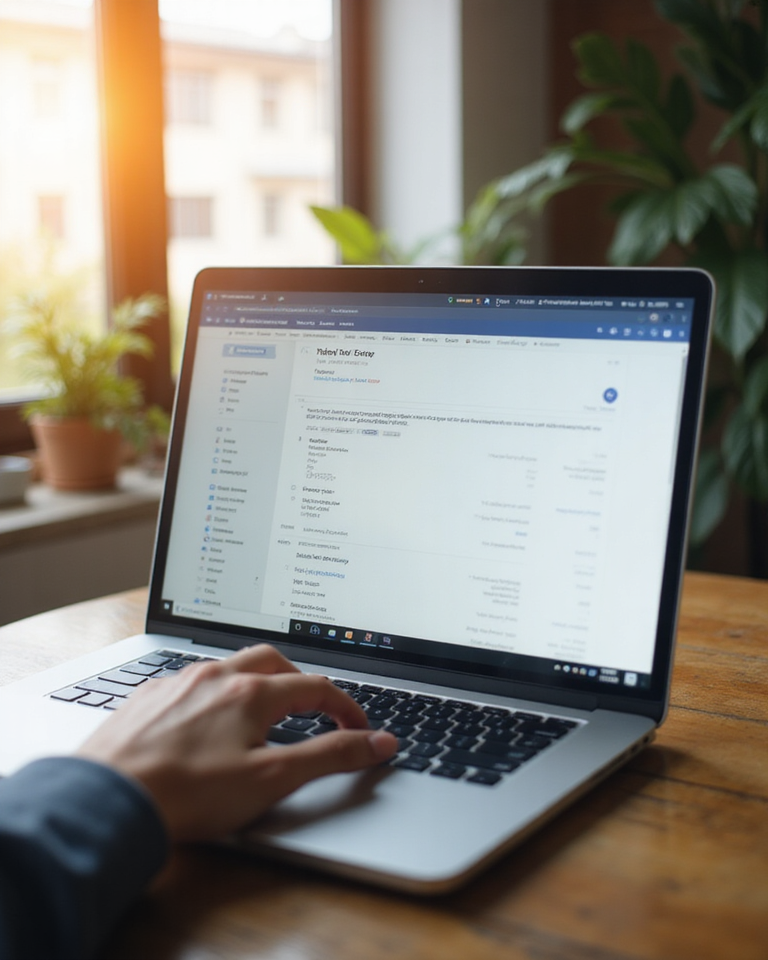
Email is the most common and acceptable way to follow up after an interview. It provides a written record of your communication and allows the interviewer to respond at their convenience.
However, some situations may call for a phone call — for example, if explicitly invited during the interview, or if you have a prior relationship with the interviewer.
Avoid texting or social media messages unless the interviewer initiated contact through these channels.
Tip 4: Personalize Each Follow-Up
A generic follow-up can seem insincere or careless. To make a meaningful impact, tailor each message to the specific interview and company.
How to personalize:
- Reference topics or conversations from the interview.
- Mention any additional information you promised to provide.
- Highlight how your skills or experiences align with the company’s current projects.
Personalization shows attention to detail and genuine interest.
Tip 5: Address Any New Thoughts or Questions
Sometimes after an interview, you realize you forgot to mention an important point or have new questions. A follow-up email can be an excellent opportunity to add this information.
How to include additional points:
- Begin by thanking the interviewer again.
- Briefly introduce your new thought or information.
- Keep it relevant and concise.
Example:
“Dear Ms. Patel,
Thank you once more for the insightful interview yesterday. I wanted to add that in my previous role, I led a project similar to the one you described, which resulted in a 15% increase in efficiency. I believe this experience would benefit your team.
Looking forward to hearing from you.
Best regards,
Sarah Khan”
Tip 6: Know When to Move On
While following up is important, it’s equally important to recognize when to stop pursuing one opportunity to focus on others. If multiple follow-ups don’t elicit a response over several weeks, or you receive a clear rejection, it’s time to move on.

Continuing to follow up excessively may harm your reputation. Instead, redirect your energy toward other job applications and networking.
Common Mistakes to Avoid
- Sending follow-ups too early, before the employer has had a chance to decide.
- Writing overly long or unclear emails.
- Using informal language or typos, which hurt professionalism.
- Following up excessively, causing annoyance.
- Failing to personalize your messages.
Practical Next Steps
- Prepare a template thank-you email before your interview to customize quickly afterward.
- Set reminders based on interview timelines to follow up appropriately.
- Keep notes during interviews to reference in your follow-ups.
- Maintain a list of jobs you’ve applied for with follow-up dates.
- Practice polite, professional communication as part of your job search routine.
Frequently Asked Questions (FAQs)
1. How soon should I send a follow-up email?
Send a thank-you email within 24 hours of the interview to show promptness and enthusiasm.
2. What if I don’t get a response after following up?
If you don’t receive a reply after one or two polite follow-ups spaced over a couple of weeks, it’s best to move on and focus your efforts elsewhere.
3. Can I follow up via phone call?
Email is generally preferred, but if the interviewer invited you or you have an established connection, a polite phone call is acceptable.
4. Should I mention salary or benefits in my follow-up?
No. Discussions about salary or benefits are best reserved until a job offer or when prompted by the employer.
5. Is it okay to follow up more than once?
Yes, but limit follow-ups to one or two times after the interview, spaced about a week apart, to avoid being pushy.
Advanced Tips to Enhance Your Follow-Up Strategy
Once you have mastered the basics of following up, incorporating advanced strategies can give you an extra edge. These deeper tactics reflect your professionalism and comprehensive approach to the job search process.
Customize Your Follow-Up for Different Interviewers
If you interviewed with multiple people, consider sending individual follow-up emails to each interviewer. Tailoring each message by referencing a unique discussion you had with that person shows attentiveness and respect for their individual role.
For instance, if one interviewer focused on technical skills and another on team fit, highlight relevant points that match their concerns. This strategy strengthens your relationship with each key decision-maker.
Leverage LinkedIn Thoughtfully
After your interview, connecting with your interviewer on LinkedIn can reinforce your interest and professionalism. Send a personalized connection request mentioning the interview and expressing appreciation.
Be mindful not to be intrusive or pushy. Avoid commenting excessively or tagging the interviewer in posts immediately after your interview. Instead, use LinkedIn as a way to stay informed about the company and to gradually build your professional network.
Follow Up After Receiving Feedback
When you receive feedback or a decision from the company, responding graciously can leave a lasting impression. Whether the news is positive or negative, thank the employer for the opportunity and the feedback, and express your openness to future opportunities.
Example of a gracious response to rejection:
“Dear Ms. Roberts,
Thank you for letting me know about your decision. Although I am disappointed, I appreciate the opportunity to interview with your team and learn more about your company. I hope to stay in touch and wish you continued success.
Best regards,
Michael Tan”
Use Follow-Up Templates Wisely
Having a set of follow-up email templates allows you to respond quickly and professionally after interviews. Customize these templates to fit the specific interview details to avoid sounding generic.
A solid template set might include a thank-you email, a follow-up check-in, and a post-decision response. Keeping these templates updated and ready can ease your job search process.
Handling Different Outcomes Gracefully
Follow-ups aren’t just about pushing for a job offer. Understanding how to manage various outcomes ensures that every interaction remains positive, supporting your long-term career growth.
When You Get the Job Offer
After receiving a job offer, respond promptly with gratitude. Even if you need time to consider, acknowledge the offer and ask for the necessary details or timeframe to decide.
This continued professionalism reflects well on you and sets a positive tone for your potential employment.
If You Are Asked for More Information
Occasionally, a follow-up can lead to requests for additional information such as references, portfolio samples, or clarifications. Respond quickly and thoroughly to keep the process moving forward smoothly.
When You Receive No Response
Sometimes, despite your best efforts, you may not hear back. Accept this as part of the competitive job market and focus your efforts on new applications. Maintaining a positive attitude and persistence is key to eventual success.
Tips for Crafting a Positive Tone in Your Follow-Ups
The tone of your follow-up messages greatly influences how the employer perceives you. Strive to be positive, professional, and concise.
- Stay polite and respectful: Use courteous language, avoid demands or complaints.
- Express enthusiasm: Show genuine interest without exaggeration.
- Be clear and to the point: Make your intent obvious and your message easy to read.
- Avoid negativity: Don’t mention frustrations, past job failures, or negative experiences.
Conclusion
Following up after a job interview is a crucial but often overlooked step in the job search process. Using the six tips outlined above helps ensure you communicate professionalism, reinforce your interest, and leave a positive, lasting impression. Remember to be timely, polite, and personal in your messages, and know when to move on if you don’t receive a response. These simple but effective strategies can enhance your chances of success and bring you closer to landing your desired job.
Leave a Reply