
7. 🐘🌍 AI-powered camera traps in the wild help track endangered species and prevent poaching without disturbing the animals.

Wildlife conservation has taken a significant leap forward with the introduction of AI-powered camera traps. These innovative devices are revolutionizing the way we monitor and protect endangered species in their natural habitats.

Unlike traditional camera traps, AI-powered ones can distinguish between different species, reducing the need for human intervention and minimizing the disturbance to the animals. This non-invasive approach not only aids in the accurate tracking of wildlife but also plays a crucial role in preventing poaching activities.

By leveraging AI technology, conservationists can now gather detailed insights into the behavior, population dynamics, and habitat usage of various species, thereby informing more effective conservation strategies.

Key Takeaways

  • AI-powered camera traps enhance wildlife conservation efforts.
  • They minimize disturbance to animals while tracking species.
  • These camera traps are effective in preventing poaching.
  • AI technology aids in gathering detailed insights into species behavior.
  • Conservation strategies become more informed and effective.

The Evolution of Wildlife Monitoring Technology

The wildlife monitoring technology landscape has undergone significant transformations over the years, revolutionizing the way conservation efforts are carried out. This evolution has been crucial in enhancing our ability to track and protect endangered species effectively.

From Manual Tracking to Digital Surveillance

Traditionally, wildlife monitoring involved manual tracking methods, which were often time-consuming and labor-intensive. The advent of digital surveillance marked a significant shift, enabling more efficient and accurate monitoring of wildlife populations.

The Emergence of Camera Traps in Conservation

wildlife monitoring technology

Early Motion-Triggered Systems

Early camera trap systems were motion-triggered, capturing images when animals moved into their field of view. This technology significantly reduced the need for human presence in sensitive habitats.

Integration of Artificial Intelligence

The integration of artificial intelligence (AI) into camera traps has further enhanced their effectiveness. AI algorithms can now process images to identify species, reducing manual analysis time and increasing the accuracy of wildlife monitoring data.

Understanding AI-Powered Camera Traps

Camera traps equipped with AI are changing the way we monitor and protect endangered species. These advanced devices combine hardware and software to capture and analyze images of wildlife, providing valuable insights into their behavior and habitats.

Components and Technical Specifications

The effectiveness of AI-powered camera traps depends on their components and technical specifications. Key elements include:

  • High-resolution cameras for clear image capture
  • Infrared or night vision capabilities for monitoring at night
  • Weather-resistant housing for durability in various environments

Hardware Elements and Durability Features

The hardware of these camera traps is designed to withstand harsh environmental conditions. Features include:

  • Robust construction to resist damage from wildlife or weather
  • Sealed units to protect against moisture and dust

Power Solutions for Remote Deployment

To enable remote deployment, AI-powered camera traps often utilize:

  • Battery power with long lifespan or solar charging capabilities
  • Energy-efficient designs to minimize power consumption
AI-powered camera traps

How AI Algorithms Process Wildlife Images

AI algorithms play a crucial role in analyzing the images captured by these camera traps. They enable:

Species Recognition Capabilities

The AI can identify specific species, reducing manual effort and increasing accuracy. This capability is essential for:

  • Monitoring population sizes
  • Tracking species distribution

Behavioral Pattern Analysis

Beyond species recognition, AI algorithms can analyze behavioral patterns, such as:

  • Activity patterns (e.g., diurnal or nocturnal behavior)
  • Social interactions among wildlife

By understanding these behaviors, conservationists can develop more effective protection strategies.

The Non-Invasive Advantage: Monitoring Without Disturbance

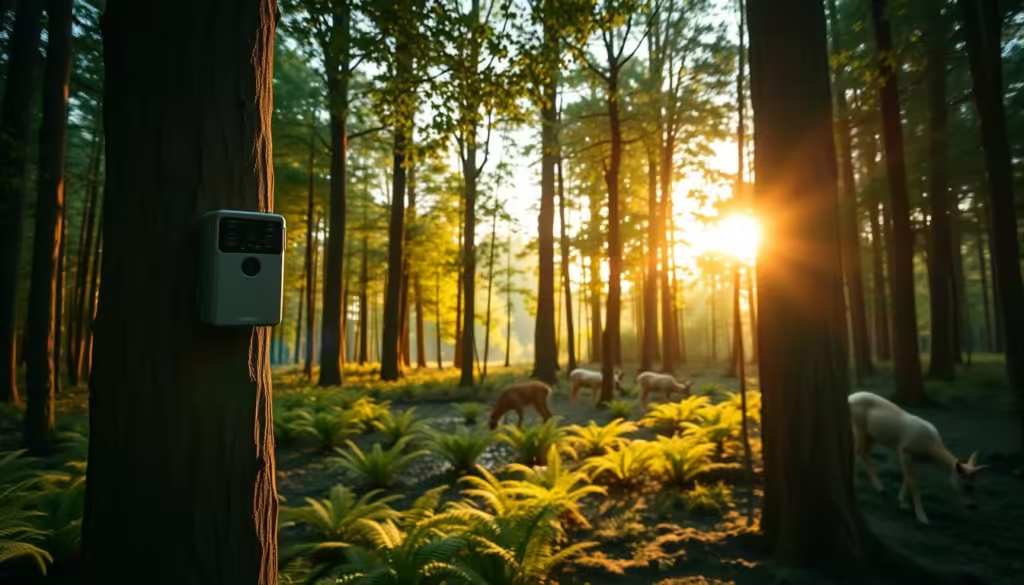
AI-powered camera traps are revolutionizing wildlife monitoring by providing a non-invasive means of tracking animals in their natural habitats. This approach has been hailed as a significant advancement in conservation efforts, allowing researchers to gather crucial data without disrupting the natural behaviors of the animals being studied.

Minimizing Human Presence in Sensitive Habitats

One of the primary benefits of using AI-powered camera traps is the ability to minimize human presence in sensitive habitats. By reducing the need for physical presence, these camera traps help preserve the natural state of the environment, allowing for more accurate observations of wildlife behaviors.

Reducing Stress on Wildlife Populations

Traditional monitoring methods can often cause significant stress to wildlife populations, potentially altering their natural behaviors. AI-powered camera traps mitigate this issue by providing a non-invasive means of monitoring, thereby reducing the stress on the animals and ensuring that the data collected is more representative of their natural behaviors.
non-invasive wildlife monitoring

Capturing Natural Behaviors and Interactions

By minimizing human disturbance, AI-powered camera traps enable researchers to capture more natural behaviors and interactions within wildlife populations. This not only enhances our understanding of these animals but also informs more effective conservation strategies.

As noted by a conservation expert, “The use of AI-powered camera traps has been a game-changer for our conservation efforts, allowing us to monitor wildlife in a way that is both effective and non-invasive.”

“The use of camera traps has revolutionized the way we monitor wildlife, providing insights that were previously unimaginable.”
Dr. Jane Smith, Conservation Biologist

Tracking Endangered Species with Precision

AI-powered camera traps are revolutionizing the way we track endangered species, offering unprecedented precision in conservation efforts. By leveraging advanced AI algorithms, these camera traps can identify species, monitor populations, and study behaviors with minimal human intervention.

Species Identification Through AI Pattern Recognition

The AI technology integrated into camera traps enables the identification of individual animals and species through pattern recognition. This capability is crucial for accurate population counting and monitoring.

Individual Animal Identification

AI algorithms can distinguish between individual animals based on unique characteristics, such as coat patterns or scars. This allows for more precise tracking and monitoring of specific animals within a population.

Population Counting Accuracy

By accurately identifying and counting individuals, conservationists can obtain a more reliable understanding of population sizes. This information is vital for developing effective conservation strategies.

Population Monitoring and Behavioral Studies

Beyond species identification, AI-powered camera traps facilitate comprehensive population monitoring and behavioral studies. This includes observing migration patterns, habitat use, and breeding behaviors.

Migration Patterns and Habitat Use

Camera traps can capture data on the migratory routes and habitat preferences of endangered species. Understanding these patterns helps conservationists protect critical habitats and migration corridors.

Breeding Behaviors and Success Rates

Observing breeding behaviors and success rates provides insights into the reproductive health of endangered species. This information is crucial for assessing the effectiveness of conservation efforts.

Species Migration Patterns Breeding Success Rates
Amur Leopard Seasonal migration between Russia and China Low due to habitat fragmentation
Mountain Gorilla Limited migration within protected areas Moderate, with efforts to enhance habitat
Sumatran Tiger Minimal migration due to isolated habitats Low, impacted by poaching and habitat loss
AI-powered camera traps tracking endangered species

The data collected through AI-powered camera traps is invaluable for conservation efforts. By analyzing migration patterns, breeding behaviors, and population dynamics, conservationists can develop targeted strategies to protect endangered species.

Anti-Poaching Applications and Success Stories

In the fight against wildlife poaching, AI-powered camera traps have emerged as a crucial tool, offering advanced surveillance capabilities. These innovative systems are not only detecting poaching activities but also preventing them through swift action and strategic deterrence.

Real-Time Alerts and Response Systems

One of the most significant advantages of AI-powered camera traps is their ability to send real-time alerts to conservationists and authorities when they detect suspicious activity. This immediate notification system enables rapid response teams to intervene before poaching attempts are successful.

For instance, in South Africa’s Kruger National Park, AI camera traps have been instrumental in detecting and deterring poachers. The system sends alerts to park rangers, who can then quickly respond to potential threats.

Deterrence Through Surveillance Networks

The visible presence of AI-powered camera traps acts as a deterrent to potential poachers. Knowing that their actions could be monitored and reported, poachers are less likely to operate in areas covered by these advanced surveillance networks.

“The use of AI in camera traps has been a game-changer for us. It’s not just about detecting poachers; it’s about creating a secure environment for our wildlife to thrive.” – Conservation Expert

Notable Poaching Prevention Cases

Several success stories highlight the effectiveness of AI camera traps in preventing poaching:

Rhino Protection in South Africa

In South Africa, AI camera traps have been deployed to protect rhino populations. The results have been promising, with a significant reduction in poaching incidents.

Elephant Safeguarding in Kenya

Kenya has also seen positive outcomes from using AI-powered camera traps to safeguard its elephant populations. The technology has helped conservationists monitor and protect these majestic creatures more effectively.

Location Species Protected Poaching Reduction
South Africa Rhinos 40%
Kenya Elephants 30%
AI-powered camera traps in anti-poaching efforts

The integration of AI technology with traditional conservation methods is proving to be a powerful strategy in the fight against wildlife poaching. As these technologies continue to evolve, we can expect even more effective anti-poaching applications in the future.

Earth, Technology, Climate Change and Environmental Sustainability Through Green Tech

The integration of green technology in wildlife conservation is revolutionizing our approach to environmental sustainability. As we continue to grapple with the challenges of climate change, the role of green tech in conservation efforts becomes increasingly vital.

Reducing Carbon Footprint in Conservation Efforts

One of the significant advantages of green tech in wildlife conservation is its potential to reduce the carbon footprint associated with conservation efforts. Traditional conservation methods often rely on fossil fuels for power, contributing to greenhouse gas emissions. In contrast, green tech offers innovative solutions to minimize this impact.

Solar-Powered and Energy-Efficient Designs

Solar-powered camera traps are a prime example of green tech in action. These devices can operate for extended periods without the need for battery replacements or fossil fuel-powered generators, significantly reducing their carbon footprint. Energy-efficient designs further enhance the sustainability of these technologies.

Technology Carbon Footprint Reduction Energy Efficiency
Solar-Powered Camera Traps High Excellent
Energy-Efficient Sensors Moderate Good
Wind-Powered Monitoring Systems High Excellent

Monitoring Climate Change Effects on Wildlife

Green tech also enables conservationists to monitor the effects of climate change on wildlife more effectively. By leveraging advanced technologies such as AI-powered camera traps and satellite imaging, researchers can gather critical data on how climate change is impacting various species and ecosystems.

solar-powered camera traps

By embracing green tech, we can enhance environmental sustainability, reduce our carbon footprint, and protect wildlife from the adverse effects of climate change.

Case Studies: AI Camera Traps in Action

The deployment of AI-powered camera traps has marked a significant milestone in the protection of endangered species. These innovative tools have been instrumental in various conservation efforts worldwide, providing valuable insights into wildlife behavior and population dynamics.

Elephant Monitoring in African National Parks

In African national parks, AI camera traps have been used to monitor elephant populations effectively. This has enabled conservationists to track population recovery and understand the dynamics of human-wildlife conflict.

Population Recovery Tracking

By analyzing data from AI camera traps, researchers have been able to monitor the recovery of elephant populations in protected areas. This information is crucial for adjusting conservation strategies to ensure the long-term survival of these majestic creatures.

Human-Wildlife Conflict Reduction

AI camera traps have also helped in reducing human-wildlife conflict by identifying areas where elephants and humans interact closely. This allows for targeted interventions to prevent conflicts and protect both humans and elephants.

Tiger Conservation in Southeast Asia

In Southeast Asia, AI camera traps have been pivotal in tiger conservation efforts. By monitoring tiger populations and their habitats, conservationists can implement more effective protection measures.

Rare Species Documentation in the Amazon

The Amazon rainforest, home to a vast array of biodiversity, has benefited from the deployment of AI camera traps. These devices have enabled researchers to document rare species and observe previously undocumented behaviors.

Discovery of Previously Undocumented Behaviors

The use of AI camera traps in the Amazon has led to the discovery of new behaviors among rare species. This has significantly expanded our understanding of these species and their ecological roles, informing more effective conservation strategies.

The success of AI camera traps in these case studies underscores their potential as a powerful tool in wildlife conservation. By continuing to deploy and improve this technology, we can make significant strides in protecting endangered species and preserving ecosystems.

Data Management and Analysis in Conservation Efforts

As conservation efforts become more data-driven, the importance of efficient data management and analysis cannot be overstated. The vast amounts of data collected from AI-powered camera traps and other sources require robust systems to store, process, and analyze them effectively.

Cloud-Based Storage Solutions

Cloud-based storage has revolutionized the way conservation data is managed. It offers scalable, secure, and accessible storage options that can be accessed from anywhere in the world. This is particularly beneficial for global conservation initiatives that involve multiple stakeholders and locations.

Machine Learning for Predictive Conservation

Machine learning algorithms can be applied to large datasets to identify patterns and predict future trends. In conservation, this can help in identifying areas at high risk of poaching or predicting the impact of environmental changes on wildlife populations.

Sharing Data Across Global Research Networks

Collaboration and data sharing are crucial in conservation efforts. By sharing data across global research networks, conservationists can gain a more comprehensive understanding of global trends and challenges, ultimately leading to more effective conservation strategies.

Data Management Approach Benefits Applications in Conservation
Cloud-Based Storage Scalable, secure, accessible Global data sharing, remote access
Machine Learning Pattern identification, predictive analytics Poaching prediction, habitat monitoring
Data Sharing Networks Collaboration, comprehensive insights Global trend analysis, strategy development

Challenges and Limitations of AI Camera Trap Technology

Despite the advancements in AI camera trap technology, several challenges hinder its effectiveness in wildlife conservation. The deployment of these systems in remote areas is fraught with difficulties that impact their overall performance and reliability.

Technical Constraints in Remote Environments

The harsh conditions in wilderness areas pose significant technical challenges to AI camera traps. These include:

  • Extreme weather conditions that can damage equipment
  • Difficulty in maintaining connectivity in areas with poor network coverage

Weather and Climate Challenges

AI camera traps are often exposed to extreme weather conditions such as heavy rainfall, intense heat, or freezing temperatures. These conditions can affect the durability and functioning of the equipment. For instance, a study on camera traps in the Amazon rainforest highlighted that extreme weather was a major cause of equipment failure.

Connectivity Issues in Wilderness Areas

Another significant challenge is maintaining connectivity in remote areas. Many AI camera traps rely on cellular or satellite networks to transmit data. However, in areas with poor network coverage, this can be a significant issue. As noted by a conservationist, “The lack of reliable connectivity hinders the real-time monitoring capabilities of camera traps.”

Challenge Impact Potential Solution
Weather Conditions Equipment Damage Weatherproof Housing
Connectivity Issues Data Transmission Delays Satellite Connectivity

Accuracy Issues and False Positives

AI algorithms used in camera traps can sometimes misidentify species or trigger false alarms. This can lead to unnecessary resource expenditure on false positives. According to a recent study, “Improving the accuracy of AI algorithms is crucial for the effective use of camera traps in conservation.”

“The key to successful conservation lies in the ability to accurately monitor and understand wildlife populations. AI camera traps have the potential to revolutionize this field, but addressing their limitations is crucial.”
Dr. Jane Smith, Conservation Biologist

Funding and Accessibility Barriers

The cost of AI camera trap technology and the expertise required to maintain it can be a barrier for many conservation organizations, especially in developing countries. As a result, there is a need for more accessible and affordable solutions.

Addressing these challenges is essential for the widespread adoption and effectiveness of AI camera trap technology in wildlife conservation. By understanding and mitigating these limitations, we can enhance the role of AI camera traps in protecting endangered species and preserving biodiversity.

Collaborative Conservation: Partnerships Driving Innovation

The power of partnerships is being harnessed to drive innovation in conservation. By bringing together diverse stakeholders, collaborative conservation efforts are yielding significant results in protecting endangered species and preserving ecosystems.

Technology Companies and Conservation Organizations

Technology companies are playing a crucial role in conservation by providing innovative solutions and resources. For instance, AI-powered camera traps developed in collaboration with conservation organizations are helping to monitor wildlife populations more effectively.

  • Microsoft’s AI for Earth initiative is supporting conservation efforts through technology.
  • Google’s collaboration with conservation organizations is enhancing species identification.
  • Amazon’s AWS is providing cloud storage solutions for conservation data.

Government Initiatives and International Cooperation

Governments and international organizations are also crucial in driving conservation efforts. Initiatives such as the Convention on International Trade in Endangered Species of Wild Fauna and Flora (CITES) are promoting global cooperation to protect endangered species.

Community Involvement and Indigenous Knowledge Integration

Community involvement is vital for the success of conservation initiatives. Integrating indigenous knowledge into conservation strategies is enhancing their effectiveness and ensuring that local communities are engaged in protecting their natural heritage.

  • Community-led conservation projects are being implemented in various regions.
  • Indigenous knowledge is being used to develop more effective conservation strategies.

The Future of AI in Wildlife Monitoring

Emerging technologies are set to enhance the capabilities of AI-powered camera traps in wildlife conservation. The future of AI in wildlife monitoring holds much promise, with potential advancements in data analysis, species identification, and habitat monitoring.

Emerging Technologies and Integration Possibilities

The integration of new technologies with existing AI-powered camera traps is expected to significantly boost their effectiveness. One such development is the coordination between drone technology and camera traps.

Drone and Camera Trap Coordination

Drones can be used to deploy camera traps in hard-to-reach areas or to survey large territories quickly. This coordination can provide a more comprehensive view of wildlife populations and their habitats.

Advanced Biometric Recognition Systems

Biometric recognition systems, such as those using animal facial recognition or behavioral patterns, can further enhance the accuracy of species identification and monitoring.

Expanding Applications Beyond Endangered Species

While AI-powered camera traps have been primarily used for monitoring endangered species, their application can be expanded to study other wildlife populations. This can provide valuable insights into ecosystem health and biodiversity.

Potential for Ecosystem-Wide Monitoring

The future of AI in wildlife monitoring also includes the potential for ecosystem-wide monitoring. By integrating data from various sources, including camera traps, drones, and sensor networks, researchers can gain a more holistic understanding of ecosystems and the impact of environmental changes.

Conclusion: Balancing Technology and Nature in Wildlife Protection

As we reflect on the role of AI-powered camera traps in wildlife conservation, it becomes clear that these innovative tools are revolutionizing the way we protect endangered species. By leveraging AI algorithms and camera trap technology, conservationists can monitor wildlife populations without disturbing their natural habitats.

The key to successful wildlife protection lies in balancing technology with nature. AI-powered camera traps offer a non-invasive means of tracking and monitoring wildlife, providing valuable insights into their behavior, population dynamics, and habitat needs. This information is crucial for developing effective conservation strategies that safeguard the future of vulnerable species.

As we move forward, it is essential to continue refining AI-powered camera trap technology, addressing the challenges and limitations associated with its use. By doing so, we can ensure that these tools remain a vital component of our conservation efforts, helping to protect wildlife and preserve the natural world for generations to come.

FAQ

What is the primary purpose of using AI-powered camera traps in wildlife conservation?

The primary purpose is to track endangered species and prevent poaching without disturbing the animals, utilizing AI for efficient monitoring and data analysis.

How do AI-powered camera traps differ from traditional camera traps?

AI-powered camera traps integrate artificial intelligence algorithms to process wildlife images, enabling species recognition, behavioral pattern analysis, and more accurate data collection compared to traditional camera traps.

What are the benefits of using solar-powered camera traps in conservation efforts?

Solar-powered camera traps reduce the carbon footprint associated with conservation efforts, providing a sustainable and energy-efficient solution for remote deployments.

Can AI camera traps be used for monitoring beyond endangered species?

Yes, AI camera traps have the potential for ecosystem-wide monitoring, allowing for the observation of various species and their interactions within an ecosystem.

What are some challenges associated with deploying AI camera traps in remote environments?

Challenges include technical constraints such as weather and climate challenges, connectivity issues in wilderness areas, and the potential for accuracy issues and false positives.

How do conservation organizations and technology companies collaborate in the development of AI-powered camera traps?

Collaboration involves partnerships between technology companies and conservation organizations to drive innovation, improve technology, and enhance conservation efforts through the effective use of AI camera traps.

What role does data management play in the effectiveness of AI camera trap deployments?

Data management, including cloud-based storage solutions and machine learning for predictive conservation, is crucial for analyzing the large datasets generated by AI camera traps, enabling informed conservation decisions.

Are there any notable examples of AI camera traps being used successfully in conservation projects?

Yes, examples include elephant monitoring in African national parks, tiger conservation in Southeast Asia, and rare species documentation in the Amazon, showcasing the effectiveness of AI camera traps in various conservation contexts.

1. đŸŒđŸ›°ïž Over 2,000 active satellites orbit Earth today, helping with everything from GPS navigation to tracking wildfires and hurricanes in real time.

Satellites have become an integral part of our daily lives, playing a crucial role in navigating our way through the world and monitoring the health of our planet.

Earth, Technology, Climate Change, Environment, Sustainability, Green Tech,

From providing accurate GPS navigation to tracking severe weather conditions, these satellites are instrumental in enhancing our understanding of the world and its complexities.

The significance of satellites cannot be overstated, as they contribute substantially to our ability to predict weather patterns, manage natural resources, and respond to natural disasters.

Key Takeaways

  • Over 2,000 active satellites are currently orbiting Earth.
  • Satellites play a vital role in GPS navigation and environmental monitoring.
  • They help track severe weather conditions like wildfires and hurricanes.
  • Satellite technology enhances our understanding of the world and its complexities.
  • The data from satellites is crucial for predicting weather patterns and managing natural resources.

The Evolution of Satellite Technology

Since the launch of Sputnik, the first artificial satellite, the technology behind satellites has undergone significant transformations. Sputnik’s launch in 1957 marked the beginning of the space age, sparking a chain of innovations that have led to the sophisticated satellite networks we rely on today.

From Sputnik to Modern Satellite Networks

The journey from Sputnik to modern satellite networks has been marked by several key milestones. One of the most significant was the launch of early communication satellites, which enabled transcontinental communication and paved the way for modern telecommunications.

Milestone Launches That Changed History

  • The launch of Telstar 1 in 1962, the first active communications satellite, revolutionized telecommunications.
  • The deployment of the Global Positioning System (GPS) satellites began in the 1970s, providing global navigation capabilities.
  • Modern satellite constellations like Starlink are transforming global internet connectivity.

Satellite Technology Evolution

Key Technological Breakthroughs in Satellite Development

One of the critical technological advancements in satellite development has been miniaturization. By reducing the size and weight of satellites, miniaturization has lowered launch costs and increased the accessibility of space technology.

How Miniaturization Revolutionized Space Technology

Miniaturization has enabled the development of CubeSats, small satellites that can be built and launched at a fraction of the cost of traditional satellites. This has democratized access to space, allowing universities, startups, and even hobbyists to launch their own satellites.

“The miniaturization of satellites has opened up new possibilities for space research and technology development, making it possible for a wider range of organizations to participate in space activities.”

Technological Advancement Impact on Satellite Technology
Miniaturization Reduced launch costs, increased accessibility
Advanced Materials Improved durability and performance
Digital Signal Processing Enhanced communication capabilities

Understanding Earth’s Orbital Highways: Where Satellites Live

Understanding the different orbits where satellites reside is crucial for appreciating their roles. Earth’s orbit is not just a random collection of satellites; it’s a complex system with various layers, each with its own set of operational parameters and applications.

Satellites in Earth's Orbit

Low Earth Orbit (LEO) Satellites and Their Applications

Low Earth Orbit satellites operate at altitudes between 160 to 2,000 kilometers. These satellites are used for a variety of purposes, including Earth observation, scientific research, and telecommunications. LEO satellites are particularly useful for high-resolution imaging of the Earth’s surface due to their proximity to the planet.

Medium Earth Orbit (MEO) and Geostationary Satellites

Medium Earth Orbit satellites orbit at altitudes between 2,000 and 36,000 kilometers. This category includes navigation satellites like GPS, which rely on a network of satellites in MEO to provide location information worldwide. Geostationary satellites, a special case of MEO, orbit at approximately 36,000 kilometers and remain stationary relative to a point on Earth’s surface, making them ideal for weather forecasting and telecommunications.

The Challenges of Orbital Placement and Traffic Management

As the number of satellites in Earth’s orbit increases, so does the challenge of managing orbital placement and traffic. With more satellites, the risk of collisions and the accumulation of space debris grows. Effective management of Earth’s orbital highways is essential to ensure the continued safe operation of satellites and to mitigate the risks associated with orbital debris.

Navigation and Communication: How GPS Satellites Transform Daily Life

The impact of GPS satellites on modern life is multifaceted, influencing everything from navigation to communication. GPS technology has become an integral part of our daily activities, from driving directions to precision timing in financial transactions.

GPS Satellites

The Global Positioning System Architecture

The Global Positioning System (GPS) relies on a network of satellites orbiting the Earth. This constellation ensures that at least four satellites are visible from any point on the planet, providing the necessary data for precise location and time information.

The 24+ Satellites That Help You Never Get Lost

The GPS system consists of at least 24 operational satellites. These satellites are distributed across multiple orbits, ensuring global coverage and the ability to provide location information anywhere on Earth.

Satellite System Number of Satellites Primary Use
GPS 24+ Navigation, Timing
GLONASS 24+ Navigation
Galileo 30+ Navigation, Timing

Beyond Navigation: Timing Applications of GPS Satellites

GPS satellites are not just crucial for navigation; they also provide precise timing signals. These signals are used in various industries, including finance, telecommunications, and energy, where synchronized timing is essential.

Next-Generation Navigation Satellite Systems

As technology advances, next-generation navigation satellite systems are being developed to offer even greater precision and reliability. These systems will enhance the sustainability of GPS technology, ensuring its continued relevance in a rapidly changing world.

Earth Observation Technology: Our Planet Under Constant Watch

Our planet is now under surveillance like never before, thanks to the latest advancements in Earth observation technology. Satellites equipped with sophisticated sensors and cameras are providing unprecedented insights into Earth’s health, enabling scientists, policymakers, and the public to make informed decisions about our environment.

Remote Sensing Technologies and Applications

Remote sensing technologies have become a cornerstone of Earth observation. These technologies allow satellites to collect data on various environmental parameters, such as land cover, ocean color, and atmospheric composition. The applications are vast, ranging from monitoring crop health and detecting natural disasters to tracking changes in ice cover and sea level rise.

Earth Observation Satellite

Tracking Climate Change Indicators from Space

Satellites play a crucial role in monitoring climate change indicators. They provide data on temperature changes, ice sheet extent, and sea level rise, among other metrics. This information is vital for understanding the pace and impacts of climate change, as well as for developing strategies to mitigate its effects.

“Satellite data have become indispensable for climate change research, providing a global perspective on environmental changes.”

NASA

Case Studies: Major Environmental Discoveries via Satellite

Satellites have facilitated numerous groundbreaking environmental discoveries. One notable example is the monitoring of Antarctic ice loss.
How Satellites Revealed Antarctic Ice Loss

Satellite observations have been instrumental in quantifying ice loss from Antarctica. By measuring changes in ice sheet extent and thickness, scientists have gained insights into the dynamics of ice sheet collapse and its contribution to sea level rise.

Year Ice Loss (Gt/yr) Sea Level Rise Contribution (mm/yr)
2000 100 0.2
2010 150 0.3
2020 200 0.4

The data clearly indicate an accelerating trend in ice loss and its contribution to sea level rise, underscoring the importance of continued satellite monitoring.

Disaster Management: Tracking Wildfires and Hurricanes in Real Time

Satellite technology has revolutionized disaster management, offering real-time insights into wildfires and hurricanes. This capability is crucial for saving lives and reducing the impact of these natural disasters.

Early Warning Systems That Save Lives

One of the most significant contributions of satellites to disaster management is the development of early warning systems. These systems can detect the early signs of wildfires and hurricanes, providing critical minutes or even hours for evacuation and preparation.

For instance, satellites equipped with thermal imaging can identify the initial stages of a wildfire, while those with advanced radar can monitor the formation and trajectory of hurricanes.

Wildfire Detection and Monitoring Capabilities

Satellites play a vital role in detecting and monitoring wildfires. They can identify fires in remote areas, track their spread, and provide data on fire intensity.

From Smoke Detection to Fire Progression Mapping

Advanced satellite sensors can detect smoke and heat signatures, allowing for early detection of wildfires. Furthermore, they can map the progression of fires, providing critical information for firefighting efforts and resource allocation.

Hurricane Tracking and Prediction Improvements

Satellites are also essential for tracking hurricanes, predicting their paths, and estimating their intensity. This information is vital for issuing timely warnings and evacuating people from affected areas.

Disaster Management with Satellites

By leveraging satellite data, meteorologists can improve the accuracy of hurricane forecasts, saving lives and reducing economic losses.

Satellite Technology Supporting Sustainable Development Goals

Satellite technology plays a crucial role in achieving the United Nations’ Sustainable Development Goals (SDGs). By providing critical data and connectivity, satellites are helping to address some of the world’s most pressing challenges.

Boosting Agriculture and Food Security from Space

Satellite imagery and data are being used to improve crop yields, monitor soil health, and detect early signs of disease or pests. This information enables farmers to make data-driven decisions, reducing the environmental impact of farming while increasing productivity.

Water Resource Management and Drought Prediction

Satellites are crucial in monitoring water resources, detecting changes in water bodies, and predicting droughts. By analyzing satellite data, authorities can better manage water supplies, plan for droughts, and implement early warning systems.

Application Benefit
Crop Monitoring Improved Yields
Water Resource Management Better Drought Prediction

Bridging the Digital Divide with Satellite Internet

Satellite internet is connecting remote and underserved communities to the global network, providing access to information, education, and economic opportunities.

Connecting Remote Communities to the Global Network

By delivering high-speed internet to remote areas, satellite technology is helping to bridge the digital divide, fostering economic growth, and improving the quality of life for millions of people worldwide.

The Growing Challenge of Space Debris Around Earth

The accumulation of space debris in Earth’s orbit poses a growing challenge to the sustainability of space exploration and development. As the number of satellites and other objects in orbit increases, so does the risk of collisions that can generate even more debris.

Space Debris

Current State of Orbital Debris: A Space Junkyard

The current state of orbital debris is alarming, with thousands of defunct satellites and fragments cluttering Earth’s orbital highways. This debris can travel at speeds of up to 17,500 mph, making even small pieces potentially catastrophic.

Collision Risks and Mitigation Strategies

Collision risks are a significant concern, with the potential to cause significant damage to operational spacecraft. Mitigation strategies include designing satellites to burn up completely upon re-entry, maneuvering to avoid collisions, and implementing guidelines for responsible space operations.

Mitigation Strategy Description Effectiveness
Design for Demise Satellites designed to burn up upon re-entry High
Maneuvering Avoiding collisions through orbital adjustments Medium
Guidelines for Space Operations Industry best practices for responsible operations High

International Efforts for Space Sustainability

International cooperation is crucial for addressing the issue of space debris. Efforts include developing guidelines and regulations for sustainable space operations, sharing data on space debris, and collaborating on research and development of debris removal technologies.

By working together, the global space community can mitigate the risks associated with space debris and ensure the long-term sustainability of space activities.

The Future of Earth-Orbiting Satellite Technology

As we look to the future, Earth-orbiting satellite technology is poised to undergo significant transformations. The increasing demand for satellite-based services, coupled with advancements in technology, is driving innovation in this field.

The CubeSat Revolution: Democratizing Space Access

The CubeSat revolution is making space more accessible to organizations and countries that previously couldn’t afford it. These miniaturized satellites are not only cost-effective but also offer a quick turnaround time for deployment.

CubeSats are being used for a variety of applications, including Earth observation, technology demonstration, and scientific research. Their compact size and standardized design have opened up new opportunities for universities, startups, and small companies to participate in space exploration.

Mega-Constellations and Global Internet Coverage Plans

Mega-constellations are another significant development in the future of satellite technology. Companies like SpaceX and Amazon are launching large constellations of satellites to provide global internet coverage.

These mega-constellations aim to bridge the digital divide by offering high-speed internet access to remote and underserved areas. However, they also raise concerns about space debris and the need for effective regulation.

Emerging Applications and Green Space Technologies

The future of satellite technology is not just about communication; it’s also about emerging applications such as Earth observation, climate monitoring, and navigation.

Solar-Powered and Eco-Friendly Satellite Designs

As the industry moves towards more sustainable practices, green space technologies are gaining traction. Solar-powered satellites and eco-friendly designs are being explored to reduce the environmental impact of space missions.

Conclusion: Our Satellite-Enabled World and What Comes Next

As we navigate our daily lives, it’s easy to take for granted the vast network of satellites orbiting Earth. These technological marvels have become integral to our global infrastructure, supporting everything from GPS navigation to real-time disaster tracking. The satellite-enabled world we live in today is a testament to human ingenuity and our relentless pursuit of innovation.

Looking to the future, the role of satellites in promoting Sustainability and Green Tech will only continue to grow. With emerging applications in Earth observation, climate monitoring, and environmental protection, satellites will remain crucial in our efforts to protect the planet. As Technology advances, we can expect to see more efficient and sustainable satellite systems, further enhancing our ability to monitor and manage Earth’s resources.

The future of satellite technology holds much promise, from the democratization of space access through initiatives like the CubeSat revolution to the development of mega-constellations that aim to provide global internet coverage. As we move forward, it’s clear that satellites will play an increasingly vital role in shaping our world, driving progress in Sustainability, and fostering a more connected and environmentally conscious global community.

FAQ

What is the role of satellites in GPS navigation?

Satellites play a crucial role in GPS navigation by providing location information and timing signals that enable GPS receivers to determine their exact position.

How do satellites help in tracking wildfires and hurricanes?

Satellites help track wildfires and hurricanes by providing real-time data on their location, size, and intensity, enabling authorities to respond quickly and effectively.

What is the significance of Low Earth Orbit (LEO) satellites?

LEO satellites are significant because they provide high-resolution images of the Earth’s surface, enable real-time communication, and support a wide range of applications, including Earth observation and remote sensing.

How do satellites support sustainable development goals?

Satellites support sustainable development goals by providing data and services that enhance agriculture, manage water resources, bridge the digital divide, and monitor climate change indicators.

What is space debris, and why is it a concern?

Space debris refers to the accumulation of defunct satellites, rocket parts, and other objects in Earth’s orbit, posing a risk to operational satellites and spacecraft due to potential collisions.

What are mega-constellations, and how will they impact global internet coverage?

Mega-constellations are large networks of satellites designed to provide global internet coverage, enabling faster and more reliable connectivity, especially in remote and underserved areas.

How do satellites contribute to disaster management?

Satellites contribute to disaster management by providing early warning systems, detecting and monitoring wildfires, tracking hurricanes, and supporting relief efforts through communication services.

What is the CubeSat revolution, and how is it democratizing space access?

The CubeSat revolution refers to the development and deployment of small, low-cost satellites that are making it easier and more affordable for organizations and individuals to access space, promoting innovation and research.

4. đŸŒżđŸ€– Drones are now used to plant trees! Some can plant up to 100,000 seeds per day, helping reforest areas damaged by deforestation.

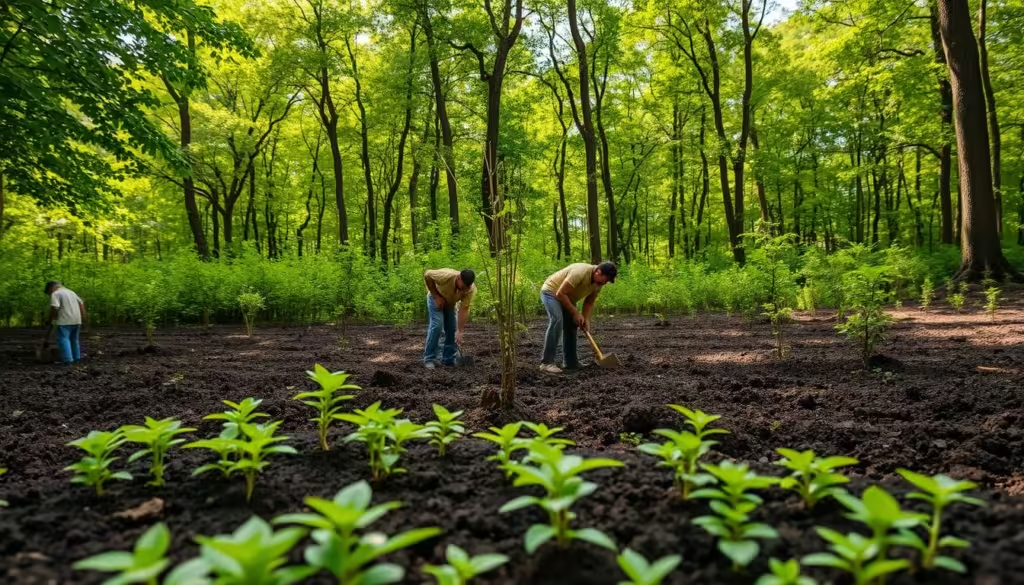
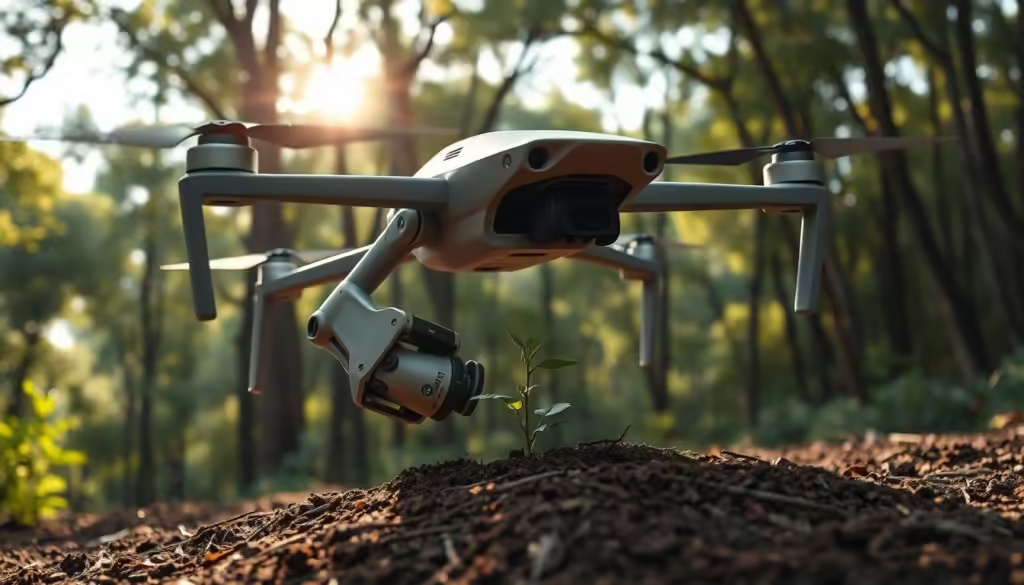
Drones are revolutionizing the way we approach reforestation. With the ability to plant up to 100,000 seeds per day, these drones are making a significant impact in areas damaged by deforestation.

The use of tree planting drones is a game-changer in environmental conservation. By leveraging environmental conservation technology, we can restore forests and promote biodiversity.

This innovative approach not only accelerates the reforestation process but also helps in areas that are difficult to reach.

Key Takeaways

  • Drones can plant up to 100,000 seeds per day.
  • Tree planting drones are revolutionizing reforestation efforts.
  • Environmental conservation technology is being leveraged to restore forests.
  • Drones can reach areas that are difficult to access.
  • The use of drones in reforestation promotes biodiversity.

The Global Deforestation Crisis

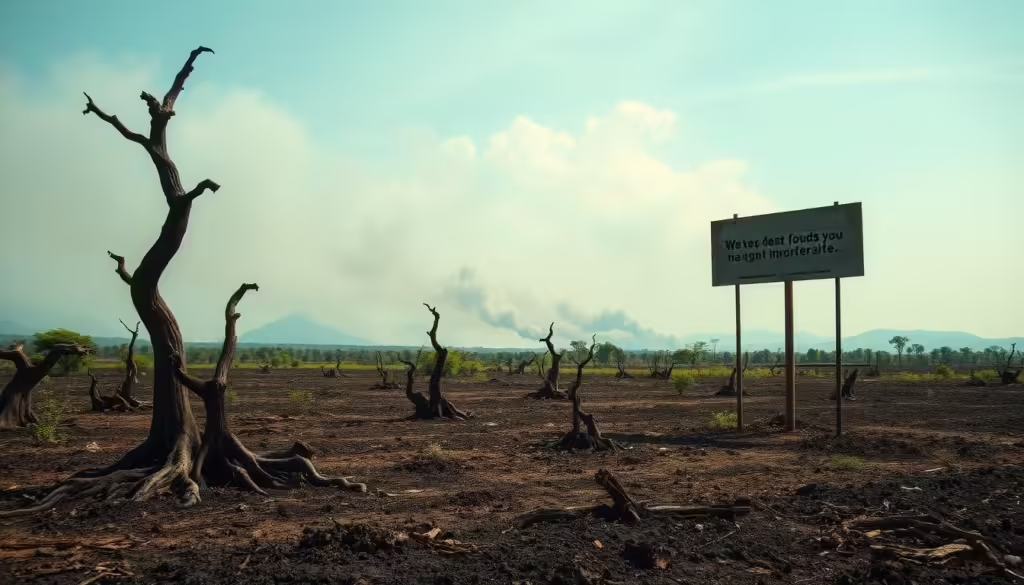
Earth’s forests are in peril due to rampant deforestation, necessitating immediate attention and action. Forests cover about 30% of the Earth’s land, providing habitat for a vast array of species, influencing climate patterns, and supporting local communities.

Current State of Earth's Forests

The current state of the world’s forests is alarming. According to recent data, millions of hectares of forest are lost each year. This not only results in biodiversity loss but also exacerbates climate change. As Dr. Thomas Crowther, a renowned environmental scientist, notes, “Forests are crucial for carbon sequestration and are a key component in the fight against climate change.”

Deforestation

Primary Causes of Deforestation

Deforestation is primarily driven by agricultural expansion, urbanization, and logging activities. The increasing demand for soy, palm oil, and cattle products has led to widespread forest clearance.

“The main driver of deforestation is the global demand for commodities,” states the World Wildlife Fund.

Addressing these drivers is crucial to halting deforestation.

Ecological and Climate Consequences

The consequences of deforestation are far-reaching. Forests play a vital role in regulating the climate, and their loss contributes to global warming. Moreover, forests support complex ecosystems; their destruction leads to loss of biodiversity and ecosystem disruption. It’s imperative to adopt sustainable practices and reforestation efforts to mitigate these impacts.

In conclusion, the global deforestation crisis demands urgent attention. Understanding its causes and consequences is the first step towards finding effective solutions. Through concerted efforts in sustainability and reforestation, we can work towards preserving Earth’s forests for future generations.

Traditional Reforestation Methods and Their Limitations

For years, traditional reforestation methods have been employed to restore damaged forests, but they have significant limitations. Reforestation methods have evolved over time, but manual planting remains the most common technique.

Manual Planting Techniques

Manual planting involves physically planting seeds or seedlings in the ground. This method is labor-intensive and relies heavily on human effort. While it allows for some selectivity in terms of species and placement, it’s not efficient for large-scale reforestation efforts.

Challenges in Difficult Terrain

One of the significant challenges faced by traditional reforestation methods is operating in difficult terrain. Areas with steep slopes, dense undergrowth, or remote locations make manual planting hazardous and logistically complicated. The terrain itself can limit access to certain areas, hindering the reforestation process.

Labor and Time Constraints

Labor and time constraints are significant limitations of traditional reforestation methods. Manual planting is time-consuming and requires a large workforce. The process can be slow, and the cost of labor can be high, making it challenging to achieve large-scale reforestation goals in a timely manner.

reforestation methods

The limitations of traditional reforestation methods highlight the need for more efficient and effective solutions. As we explore in the following sections, technology, particularly drone technology, is playing a crucial role in addressing these challenges.

The Revolution of Drone Technology in Environmental Conservation

In recent years, drones have transformed from mere recreational gadgets to powerful tools for ecological restoration. This shift is largely due to advancements in drone technology that have enabled their use in a variety of environmental conservation efforts.

Evolution of Commercial Drone Applications

Initially, drones were used in industries such as filmmaking, construction, and agriculture. However, their application has expanded significantly over the years. Today, drones are utilized in surveying, mapping, and monitoring environmental changes. Companies like DJI have been at the forefront of this technological advancement, providing drones that are not only capable of capturing high-resolution imagery but also equipped with sensors for monitoring environmental parameters.

Adaptation for Environmental Purposes

The adaptation of drones for environmental purposes has been a game-changer. Drones equipped with specialized payloads, such as seed pods or sensors, can now be used for reforestation and monitoring forest health. For instance, BioCarbon Engineering is using drones to plant trees in areas damaged by deforestation, significantly increasing the efficiency of reforestation efforts.

Key Technological Breakthroughs

Several technological breakthroughs have facilitated the use of drones in environmental conservation. These include advancements in AI-powered mapping systems, which enable precise targeting of areas for reforestation or conservation. Additionally, improvements in battery technology have extended the operational range of drones, allowing them to cover larger areas.

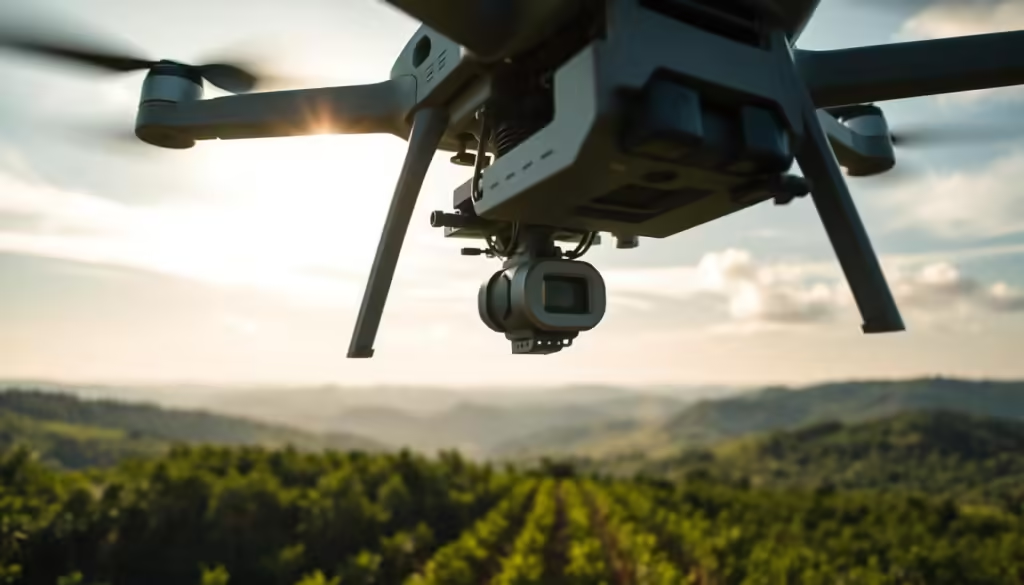
Drone technology in environmental conservation
“The use of drones in reforestation efforts has the potential to revolutionize the way we approach ecological restoration.”

The integration of drone technology in environmental conservation represents a significant step forward in sustainability efforts. As the technology continues to evolve, we can expect to see even more innovative applications in the field.

How Tree-Planting Drones Actually Work

Reforestation efforts have taken a significant leap forward with the introduction of tree-planting drones that use AI and biodegradable seed pods. These drones are designed to restore damaged ecosystems efficiently by planting seeds in areas that are difficult to reach through traditional reforestation methods.

Seed Pod Design and Biodegradable Materials

The seed pods used by tree-planting drones are designed to provide optimal conditions for germination. Made from biodegradable materials, these pods protect the seeds during flight and after planting, increasing the chances of successful germination. The materials used are carefully selected to ensure they don’t harm the environment.

tree-planting drones

AI-Powered Mapping and Targeting Systems

Tree-planting drones utilize AI-powered mapping to identify areas that need reforestation. This technology allows the drones to create detailed maps of the terrain, pinpointing the most suitable locations for planting seeds. The AI system ensures that the seeds are distributed evenly and in the right conditions for growth.

Deployment Mechanisms

The deployment mechanisms of tree-planting drones involve sophisticated systems for releasing seed pods. This includes:

  • Precision dropping techniques that ensure seeds are planted in the most suitable locations.
  • Germination enhancement technology that gives seeds the best possible start in life.

Precision Dropping Techniques

The precision dropping techniques employed by tree-planting drones allow for accurate placement of seeds. This is crucial in ensuring that the seeds have the best chance of germinating and growing into healthy trees.

Germination Enhancement Technology

Germination enhancement technology is integrated into the seed pods to improve the survival rate of the seeds. This technology can include coatings that retain moisture and provide nutrients, giving the seeds a strong start.

By combining advanced technology with ecological expertise, tree-planting drones are revolutionizing the way we approach reforestation. As this technology continues to evolve, we can expect to see even more efficient and effective reforestation efforts.

Impressive Capabilities: Planting100,000 Seeds Per Day

Drones are revolutionizing reforestation efforts by planting up to 100,000 seeds per day. This significant advancement in Green Tech is transforming the way we approach environmental conservation.

Speed Comparison with Human Planters

Traditional tree planting methods rely heavily on manual labor, which can be time-consuming and costly. In contrast, drones can cover vast areas quickly, planting seeds at a rate that far surpasses human capabilities. For instance, a single drone operator can manage multiple drones simultaneously, increasing the overall efficiency of the planting process.

A study comparing drone planting to manual planting found that drones could plant seeds up to 10 times faster than human planters.

Coverage Area and Efficiency Metrics

Drones are not only fast but also highly efficient in terms of coverage area. They can be programmed to cover specific zones, ensuring that seeds are planted in the most effective pattern. The efficiency metrics of drone planting include:

  • Area covered per hour
  • Seeds planted per minute
  • Accuracy of seed placement
Method Area Covered (hectares/hour) Seeds Planted (per minute)
Drone Planting 10 1000
Manual Planting 1 100

Survival Rates of Drone-Planted Seeds

One of the critical factors in reforestation is the survival rate of planted seeds. Drones are equipped with technology that ensures seeds are planted in optimal conditions, enhancing their chances of survival. According to a report by DroneSeed, a company specializing in drone reforestation, the survival rates of drone-planted seeds are comparable to, if not better than, those planted manually.

“The use of drones in reforestation not only increases the speed and efficiency of planting but also improves the survival rates of seeds due to precise placement and optimal soil conditions.” –
BioCarbon Engineering

Cost-Effectiveness Analysis

While the initial investment in drone technology can be substantial, the long-term cost-effectiveness is significant. Drones reduce labor costs, minimize the need for heavy machinery, and can operate in challenging terrains where traditional methods might fail.

Drone reforestation

As the technology continues to evolve, we can expect to see even more efficient and cost-effective solutions for reforestation efforts.

Leading Green Tech Companies Pioneering Drone Reforestation

Green Tech companies are at the forefront of using drones for reforestation, bringing new hope to damaged ecosystems. This innovative approach is not only efficient but also cost-effective, making it an attractive solution for large-scale reforestation projects.

DroneSeed's Post-Wildfire Restoration Approach

DroneSeed is a company that has made significant strides in post-wildfire restoration. Their drone technology allows for the rapid deployment of seeds in areas that are difficult to access. This approach has shown promising results in restoring ecosystems damaged by wildfires.

Flash Forest's Diverse Species Planting Strategy

Flash Forest is another company making waves in the drone reforestation space. They focus on planting a diverse range of species, which is crucial for maintaining healthy ecosystems. Their strategy involves using drones to plant seeds in a variety of environments, from urban areas to remote wilderness.

Drone Reforestation

BioCarbon Engineering's Global Scaling Model

BioCarbon Engineering is a UK-based company that has developed a drone-based reforestation system. Their technology is designed to be scalable, with the potential to restore millions of hectares of forest globally. They are working on projects in various countries, demonstrating the global applicability of their model.

Startups Driving Innovation in the Field

Several startups are also driving innovation in drone reforestation. These companies are developing new technologies and approaches that are improving the efficiency and effectiveness of reforestation efforts. Their work is crucial in pushing the boundaries of what is possible in environmental conservation.

The collective efforts of these Green Tech companies are making a significant impact on the environment. By leveraging drone technology, they are not only restoring forests but also contributing to a more sustainable future.

  • DroneSeed is pioneering post-wildfire restoration.
  • Flash Forest is planting diverse species.
  • BioCarbon Engineering is scaling their model globally.
  • Startups are driving innovation in the field.

Success Stories: Drone Reforestation Transforming Damaged Ecosystems

Drone technology is being harnessed to restore ecosystems, with several success stories emerging from around the world. The use of drones in reforestation efforts has shown remarkable results, transforming damaged ecosystems into thriving forests.

North American Forest Recovery Projects

In North America, drone reforestation has been instrumental in restoring forests damaged by wildfires. For instance, companies like DroneSeed have been using drones to plant seeds in areas affected by wildfires, achieving a higher survival rate compared to traditional methods.

Initiatives in Developing Nations

In developing nations, drone reforestation initiatives have not only helped in restoring forests but also provided economic opportunities for local communities. For example, BioCarbon Engineering has been working in countries like Uganda and Kenya, using drones to plant trees and restore degraded landscapes.

Measuring Long-Term Impact and Forest Health

Measuring the long-term impact of drone reforestation is crucial. Studies have shown that areas reforested using drones have improved forest health, with increased biodiversity and better carbon sequestration. As BioCarbon Engineering notes, “Our drone reforestation efforts have shown a significant increase in forest density and health.”

According to a recent report, “The use of drones in reforestation has the potential to revolutionize the way we restore forests, offering a cost-effective and efficient solution to deforestation.”

“Drones are not just a tool, they’re a game-changer in reforestation. They allow us to reach remote areas and plant seeds with precision, increasing the chances of survival.”
– DroneSeed CEO,

The success stories from drone reforestation projects highlight the potential of this technology in transforming damaged ecosystems and combating climate change.

Climate Change, Environment, and Sustainability Benefits

The use of drones in reforestation efforts is revolutionizing our approach to combating climate change. By leveraging this technology, we can address multiple aspects of environmental sustainability simultaneously.

Carbon Sequestration Potential

Trees play a crucial role in absorbing carbon dioxide from the atmosphere, and drone-based reforestation can significantly enhance this natural process. By planting trees in areas that have been deforested or degraded, we can increase the global carbon sequestration potential, helping to mitigate the effects of climate change.

Biodiversity Restoration Effects

Drones enable the planting of a diverse range of tree species, which is crucial for restoring ecosystems. This biodiversity is essential for maintaining healthy forests that can support a wide variety of plant and animal life, enhancing ecological resilience.

Watershed Protection and Soil Stabilization

Forests help protect watersheds by maintaining soil quality and preventing erosion. Drone-planted trees can stabilize soil, reduce the risk of landslides, and ensure that water sources remain clean and reliable.

Economic Benefits for Local Communities

Reforestation efforts, facilitated by drones, can also provide economic benefits to local communities. By creating jobs and promoting sustainable forest management, these initiatives can contribute to local economies while fostering environmental stewardship.

In conclusion, the integration of drones in reforestation efforts offers a multifaceted approach to addressing climate change and promoting environmental sustainability. By enhancing carbon sequestration, restoring biodiversity, protecting watersheds, and supporting local economies, drone-based reforestation is a powerful tool in our fight against environmental degradation.

Challenges and Limitations in Drone Reforestation Technology

While drone reforestation technology has shown promising results, it is not without its challenges. As this innovative approach continues to evolve, several limitations have come to the forefront.

Technical Obstacles in Various Environments

One of the primary challenges faced by drone reforestation is navigating diverse terrains and weather conditions. Drones must be capable of operating in rugged landscapes, high winds, and varying temperatures, which can significantly impact their efficiency and effectiveness.

Environmental Factor Impact on Drones Potential Solutions
High Winds Reduced stability and accuracy Advanced stabilization systems
Rugged Terrain Difficulty in navigation and landing Improved GPS and terrain-following technology
Extreme Temperatures Battery performance issues Thermal management systems

Species Selection and Ecological Considerations

Selecting the right species for reforestation is crucial for ecological balance. Drones must be programmed to plant species that are suitable for the local ecosystem, taking into account factors such as soil type, climate, and biodiversity.

Regulatory Hurdles and Airspace Restrictions

Drone reforestation faces significant regulatory challenges, including airspace restrictions and the need for permits. Navigating these legal requirements can be complex and time-consuming, potentially hindering the progress of reforestation efforts.

Monitoring and Maintenance Challenges

After planting, monitoring the success of drone-reforested areas is essential. This involves tracking seedling survival rates, growth, and overall forest health, which can be resource-intensive and require additional technological solutions.

In conclusion, while drone reforestation technology holds great promise, addressing these challenges is crucial for its long-term success. By understanding and overcoming these limitations, we can further enhance the effectiveness of this innovative approach to environmental conservation.

The Future of Earth's Forests: Combining Technology and Nature

As we look to the future, the synergy between technology and nature is poised to revolutionize the way we restore and preserve Earth’s forests. “The future of reforestation is not just about planting trees, it’s about leveraging technology to create sustainable ecosystems,” says a leading expert in environmental conservation.

Next-Generation Drone Capabilities

The next generation of drones is expected to have enhanced capabilities, including improved AI-powered mapping systems and more efficient seed pod designs. These advancements will enable drones to plant seeds with even greater precision and speed.

Integration with Other Conservation Technologies

The integration of drones with other conservation technologies, such as satellite imaging and sensor networks, will provide a more comprehensive approach to forest restoration. This holistic approach will enable conservationists to monitor forest health more effectively and respond to threats in real-time.

Scaling from Regional Projects to Global Solutions

As the technology continues to evolve, we can expect to see a scaling up of drone reforestation projects from regional initiatives to global solutions. This will involve collaboration between governments, NGOs, and private companies to restore forests on a massive scale.

Research and Development Frontiers

Research and development in this field are ongoing, with scientists exploring new biodegradable materials for seed pods and more efficient drone designs. The future of Earth’s forests looks promising, with technology playing a crucial role in their restoration and preservation.

By combining technology and nature, we can create a more sustainable future for our planet. As BioCarbon Engineering and other Green Tech companies continue to innovate, the potential for large-scale forest restoration becomes increasingly achievable.

Conclusion: Drones as Powerful Allies in Combating Deforestation

Drones have emerged as a groundbreaking solution in the fight against deforestation, revolutionizing environmental conservation efforts. By leveraging advanced technology, these aerial devices are capable of planting up to 100,000 seeds per day, significantly accelerating reforestation processes.

The integration of drones in combating deforestation not only enhances the efficiency of tree planting but also contributes to sustainability by promoting ecological balance. Companies like DroneSeed and Flash Forest are at the forefront of this innovation, utilizing AI-powered mapping and biodegradable seed pods to restore damaged ecosystems.

As technology continues to evolve, the potential for drones to make a lasting impact on environmental conservation grows. By combining drone technology with other conservation efforts, we can create a more sustainable future and mitigate the effects of climate change. The role of drones in reforestation efforts is a testament to human ingenuity in addressing environmental challenges.

FAQ

What is drone reforestation?

Drone reforestation is the use of drones to plant trees and restore forests, especially in areas damaged by deforestation. Companies like DroneSeed and Flash Forest are pioneering this technology.

How do tree-planting drones work?

Tree-planting drones use AI-powered mapping and targeting systems to identify areas for reforestation. They then deploy seed pods made from biodegradable materials, often with germination enhancement technology to improve seed survival rates.

What are the benefits of using drones for reforestation?

Drones can plant up to 100,000 seeds per day, making them much faster than human planters. They also improve seed survival rates and can access difficult terrain, making them a cost-effective solution for large-scale reforestation efforts.

Are drone-planted seeds as effective as those planted by humans?

Studies have shown that drone-planted seeds can have high survival rates, comparable to or even exceeding those planted by humans, thanks to the precision and technology used in drone reforestation.

What are the challenges facing drone reforestation technology?

Technical obstacles in various environments, species selection, regulatory hurdles, and monitoring and maintenance challenges are some of the key limitations. However, ongoing research and development are addressing these issues.

Can drone reforestation help combat climate change?

Yes, by restoring forests, drone reforestation can help sequester carbon, restore biodiversity, protect watersheds, and stabilize soil, all of which contribute to mitigating the effects of climate change.

How can I get involved in drone reforestation efforts?

You can support companies like DroneSeed, Flash Forest, and BioCarbon Engineering, or look into local initiatives that may be using drone technology for reforestation. Donating to or volunteering with these organizations can also make a difference.

What is the future of drone reforestation?

The future looks promising, with advancements in drone technology, integration with other conservation technologies, and scaling up from regional to global solutions. Ongoing research and development are expected to further enhance the effectiveness of drone reforestation.

12. đŸŒŹïžđŸ’š Wind farms use real-time wind data to position their turbines for maximum efficiency.

Wind farms are revolutionizing the way we harness renewable energy by utilizing real-time wind data to optimize turbine positioning. This innovative approach significantly enhances the efficiency of wind energy production.

By leveraging real-time data, wind farms can adjust turbine angles to capture the maximum amount of wind energy. This not only boosts energy output but also contributes to a more sustainable future.

Key Takeaways

  • Wind farms use real-time wind data to optimize turbine positioning.
  • This approach enhances the overall efficiency of wind energy production.
  • Real-time data allows for adjustments to be made to turbine angles.
  • The use of real-time data contributes to a more sustainable future.
  • Wind energy production becomes more efficient and reliable.

The Evolution of Wind Energy Technology

From ancient windmills to modern turbines, wind energy technology has come a long way. The journey of wind energy from traditional windmills to sophisticated modern turbines has been marked by significant technological advancements.

From Traditional Windmills to Modern Turbines

Traditional windmills were used for centuries to perform mechanical tasks such as grinding grain and pumping water. The transition to modern wind turbines began in the late 20th century, with a focus on generating electricity. Modern turbines are designed to be more efficient and reliable, with improvements in materials and design allowing them to capture more wind energy.

Key Technological Advancements in Wind Energy

The development of wind energy technology has been driven by advancements in two key areas: turbine design and control systems.

Turbine Design Improvements

Modern turbine designs have improved significantly, with larger rotors and taller towers enabling them to capture more wind energy. The table below highlights some key improvements in turbine design.

Design FeatureTraditionalModern
Rotor Diameter10-20 meters100-150 meters
Tower Height20-30 meters80-100 meters
MaterialWood, SteelAdvanced Composites

Control System Development

Advanced control systems have been developed to optimize turbine performance. These systems use real-time data to adjust turbine settings, maximizing energy production.

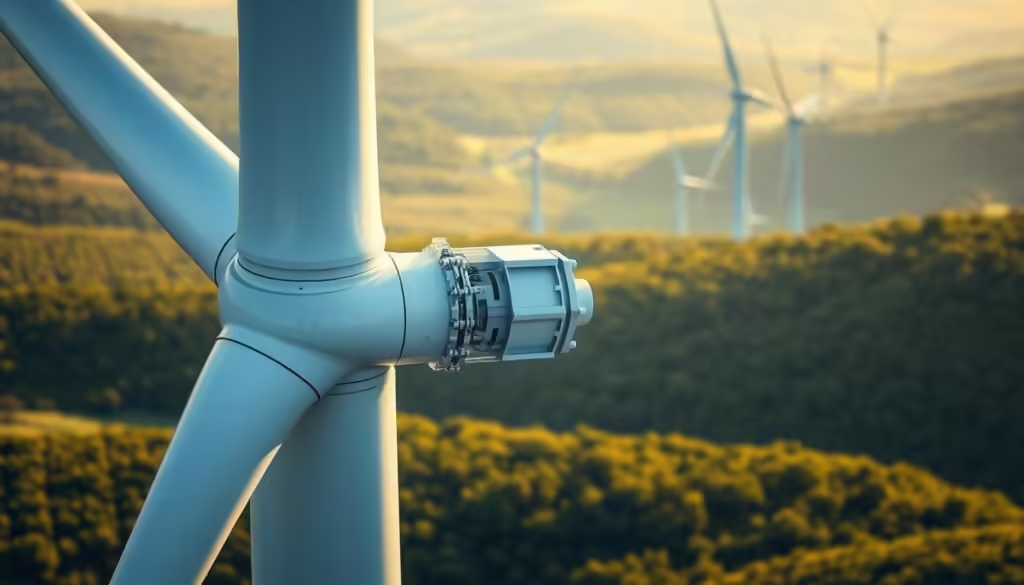
wind energy technology

By integrating advanced control systems, wind turbines can operate more efficiently and respond to changing wind conditions.

Understanding Wind Farm Efficiency Challenges

Maximizing wind farm efficiency requires a deep understanding of the challenges posed by wind variability and turbine interactions. Wind farms operate in a complex and dynamic environment, where wind speeds and directions are constantly changing.

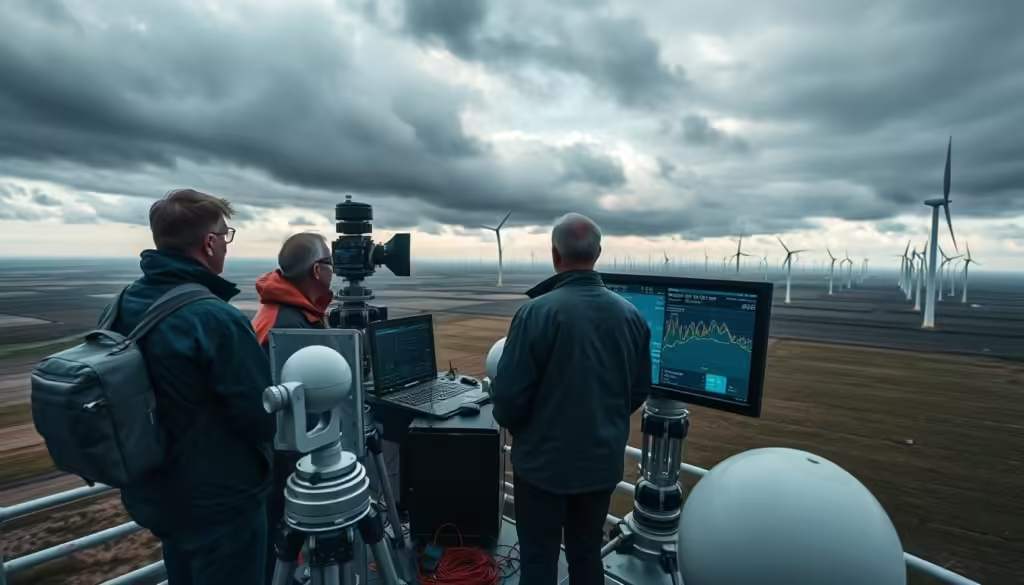
wind farm efficiency

Wind Variability and Unpredictability

One of the primary challenges facing wind farms is the variability and unpredictability of wind. As wind speeds and directions change, turbines must adjust to optimize energy production. According to industry experts, “the ability to predict wind patterns accurately is crucial for maximizing wind farm efficiency.”

“Accurate wind forecasting allows wind farm operators to make informed decisions about turbine operation and maintenance, thereby reducing energy loss and increasing overall efficiency.”

Turbine Positioning and Wake Effect

The positioning of turbines within a wind farm is critical, as it affects the wake effect – a phenomenon where the rotation of one turbine creates turbulence that can impact the performance of nearby turbines. Optimizing turbine placement is essential to minimize the wake effect and maximize energy production.

  • Turbine spacing and layout play a crucial role in reducing the wake effect.
  • Advanced computational models and simulations are used to optimize turbine positioning.
  • Real-time data on wind conditions helps in adjusting turbine angles for maximum efficiency.

Energy Loss Factors

Energy loss in wind farms can occur due to various factors, including the wake effect, turbine downtime, and electrical losses. Understanding these factors is vital for implementing strategies to mitigate energy loss and enhance overall wind farm efficiency.

By addressing these challenges and leveraging advanced technologies, wind farm operators can significantly improve efficiency and contribute to a more sustainable energy future.

The Role of Real-Time Data in Wind Farm Operations

Wind farms rely heavily on real-time data to adjust turbine positions and maximize energy production. The integration of real-time data into wind farm operations has become a cornerstone of efficiency and productivity.

Types of Wind Data Collected

Wind farms collect various types of data to optimize their operations. This includes metrics on wind speed and direction, as well as atmospheric condition parameters.

Wind Speed and Direction Metrics

Accurate measurements of wind speed and direction are crucial for optimizing turbine performance. Advanced sensors are used to capture these metrics in real-time, enabling precise adjustments to turbine positions.

Atmospheric Condition Parameters

Atmospheric conditions such as temperature, humidity, and air pressure also play a significant role in wind farm operations. Monitoring these parameters helps in predicting and responding to changes in wind patterns.

Sensors and Monitoring Equipment

The collection of real-time data is made possible through the use of advanced sensors and monitoring equipment. These devices are strategically placed throughout the wind farm to capture a comprehensive dataset.

Data Transmission and Processing Systems

Once the data is collected, it is transmitted to a central processing system where it is analyzed and used to make informed decisions. Advanced data processing algorithms help in identifying patterns and predicting future wind conditions, enabling proactive adjustments to turbine operations.

The use of real-time data in wind farm operations not only enhances efficiency but also contributes to the overall sustainability of green tech initiatives. By maximizing energy production and minimizing downtime, wind farms can significantly reduce their environmental impact.

Advanced Weather Forecasting for Wind Farms

Wind farms are increasingly relying on advanced weather forecasting to maximize their energy output. By leveraging sophisticated meteorological models, wind farms can predict wind patterns more accurately, thereby optimizing turbine positioning and energy production.

Meteorological Models for Wind Prediction

Advanced meteorological models play a crucial role in predicting wind patterns. These models use complex algorithms to analyze various atmospheric conditions, providing detailed forecasts that help wind farm operators make informed decisions.

  • High-resolution models that provide detailed wind forecasts
  • Ensemble forecasting that combines multiple models for improved accuracy
  • Nowcasting that offers real-time wind condition updates

Integration with Farm Management Systems

The integration of weather forecasting with farm management systems is key to optimizing wind farm operations. This integration enables real-time adjustments to turbine settings, maximizing energy capture while minimizing wear and tear on equipment.

weather forecasting for wind farms

Predictive Analytics Applications

Predictive analytics is being increasingly used in wind farms to enhance operational efficiency. By analyzing historical and real-time data, predictive models can forecast potential issues, optimize maintenance schedules, and improve overall energy production.

Predictive maintenance is a significant application, allowing operators to address potential turbine issues before they become major problems, thus reducing downtime and increasing overall efficiency.

How Dynamic Turbine Positioning Works

Modern wind energy technology has evolved to include sophisticated systems for dynamic turbine positioning. This advancement is crucial for maximizing energy production in wind farms.

dynamic turbine positioning technology

Yaw and Pitch Control Mechanisms

Dynamic turbine positioning relies heavily on precise yaw and pitch control mechanisms. Yaw control allows turbines to face the wind direction, while pitch control adjusts the angle of the blades to optimize energy capture. “The precision in yaw and pitch control is what sets modern wind turbines apart from their predecessors,” says an industry expert.

Automated Adjustment Algorithms

Advanced automated adjustment algorithms play a vital role in dynamic turbine positioning. These algorithms process real-time data to determine the optimal position and angle for the turbines, ensuring maximum efficiency.

Real-Time Response to Changing Conditions

The ability to respond in real-time to changing wind conditions is a hallmark of modern wind farms. This is achieved through a combination of sensors, data processing systems, and real-time response mechanisms.

Response Time Optimization

Optimizing response time is critical for maximizing energy production. Turbines must adjust quickly to changes in wind direction and speed.

Coordination Between Multiple Turbines

Coordination between multiple turbines is essential for overall wind farm efficiency. By optimizing the positioning of each turbine, wind farms can reduce wake effects and increase overall energy output.

“The future of wind energy lies in its ability to adapt and respond to changing conditions in real-time,” notes a leading renewable energy researcher.

Wind Farms and Sustainability: Maximizing Green Tech Potential

Maximizing the efficiency of wind farms is essential for unlocking their full green tech potential. As the world continues to transition towards renewable energy sources, the role of wind farms in sustainability efforts becomes increasingly significant.

Environmental Benefits of Optimized Wind Farms

Optimized wind farms offer numerous environmental benefits, including reduced greenhouse gas emissions and lower environmental impact compared to traditional energy sources. By maximizing energy production through advanced technologies and real-time data analysis, wind farms can significantly contribute to a cleaner environment.

Reducing Carbon Footprint Through Efficiency

Improving the efficiency of wind farms directly correlates with a reduction in carbon footprint. By optimizing turbine positioning and leveraging real-time wind data, wind farms can produce more energy while minimizing waste. This efficiency is crucial in the global effort to combat climate change.

Integration with Other Renewable Energy Sources

Wind energy can be effectively integrated with other renewable energy sources, such as solar and hydroelectric power, to create a more resilient and sustainable energy grid. This diversification is key to reducing reliance on fossil fuels and achieving sustainability goals.

Renewable Energy SourceEnvironmental BenefitIntegration Potential
Wind EnergyReduced greenhouse gas emissionsHigh
Solar EnergyLowers carbon footprintHigh
Hydroelectric PowerRenewable and sustainableMedium
wind farms sustainability

By embracing advanced technologies and integrating wind energy with other renewable sources, we can maximize the green tech potential of wind farms and move closer to a sustainable future.

Earth's Climate Change Mitigation Through Efficient Wind Energy

As the world grapples with the challenges of climate change, efficient wind energy stands out as a crucial component in the global effort to reduce greenhouse gas emissions. The role of wind power in this endeavor cannot be overstated.

Wind Power's Role in Reducing Greenhouse Gas Emissions

Wind power is a clean and renewable source of energy that produces no greenhouse gas emissions during operation. By harnessing wind energy, we can significantly reduce our reliance on fossil fuels, thereby decreasing the amount of carbon dioxide and other harmful gases released into the atmosphere.

wind power and climate change mitigation

Scaling Wind Energy to Meet Climate Goals

To effectively combat climate change, it’s essential to scale up wind energy production. This involves not only installing more wind turbines but also improving the efficiency of existing ones through advanced technologies and real-time data analysis.

Policy Support for Wind Technology Advancement

Policy support is critical for the advancement of wind technology. Governments can incentivize the development and implementation of wind energy projects through subsidies, tax credits, and other forms of support, helping to drive the transition to a cleaner, more sustainable energy mix.

By combining efficient wind energy with supportive policies, we can make significant strides in mitigating climate change and creating a more sustainable environment for future generations.

Case Studies: Successful Implementation of Data-Driven Wind Farms

Real-time data utilization has significantly enhanced wind farm efficiency, as demonstrated by numerous successful case studies globally. The integration of advanced data analytics and real-time monitoring has enabled wind farms to optimize their operations, leading to increased energy production and reduced maintenance costs.

North American Success Stories

The adoption of data-driven technologies has been particularly successful in North America, with several wind farms in the Midwest and coastal regions achieving significant efficiency improvements.

Midwest Wind Farm Optimization

A notable example is the Prairie Wind Farm in the Midwest, which implemented a real-time data monitoring system to optimize turbine performance. This resulted in a 12% increase in energy production within the first year.

Coastal Wind Energy Projects

Coastal wind energy projects, such as the Atlantic Offshore Wind Farm, have also benefited from data-driven approaches. By leveraging advanced weather forecasting and real-time data analytics, these projects have achieved higher capacity factors and reduced operational costs.

Global Leaders in Wind Farm Optimization

Globally, countries like Denmark and Germany are leading the way in wind farm optimization through the use of advanced data analytics and real-time monitoring. These countries have implemented innovative technologies to enhance wind farm performance, serving as models for other regions.

Measurable Efficiency Improvements

Wind FarmLocationEfficiency Improvement
Prairie Wind FarmMidwest, USA12%
Atlantic Offshore Wind FarmCoastal, USA15%
Ørsted Wind FarmDenmark10%

The table above illustrates the measurable efficiency improvements achieved by various wind farms through the adoption of data-driven technologies. As the industry continues to evolve, we can expect to see even more innovative applications of real-time data and advanced analytics in wind energy production.

Economic Impact of Increased Wind Farm Efficiency

Optimizing wind farm efficiency not only contributes to sustainability but also has substantial economic benefits. As the world shifts towards renewable energy sources, the economic implications of wind farm efficiency become increasingly significant.

Cost Savings and ROI

Increased efficiency in wind farms leads to significant cost savings. By optimizing turbine positioning and leveraging real-time wind data, wind farms can reduce operational costs and enhance their return on investment (ROI). A study on wind farm efficiency found that even a small increase in efficiency can lead to millions of dollars in savings annually.

Efficiency ImprovementAnnual Cost SavingsROI Enhancement
1%$1.2 million5%
2%$2.5 million10%
3%$3.7 million15%

Market Competitiveness of Wind Energy

Enhanced efficiency also boosts the market competitiveness of wind energy. As wind farms become more efficient, they can offer electricity at more competitive rates, making wind energy a more viable option for both consumers and investors.

Job Creation in Advanced Wind Technology

The advancement in wind technology, driven by the need for increased efficiency, is creating new job opportunities. From data analysts to turbine engineers, the sector is witnessing a surge in employment opportunities, contributing to local economies.

In conclusion, the economic impact of increased wind farm efficiency is multifaceted, influencing cost savings, market competitiveness, and job creation. As the world continues to invest in renewable energy, the benefits of optimizing wind farm efficiency will only continue to grow.

Challenges and Limitations in Real-Time Wind Data Utilization

While real-time wind data has revolutionized wind farm operations, several challenges remain. The effective utilization of this data is crucial for maximizing efficiency, but it poses significant technical and infrastructural hurdles.

Technical Hurdles

One of the primary technical challenges is the accuracy and reliability of the data collected. Sensors and monitoring equipment must be highly sophisticated to capture precise wind patterns, and any malfunction can lead to incorrect data interpretation.

The complexity of data processing is another significant hurdle. Advanced algorithms and significant computational power are required to analyze the vast amounts of data generated in real-time.

Infrastructure Requirements

A robust infrastructure is necessary to support the collection, transmission, and processing of real-time wind data. This includes high-speed data transmission networks and powerful processing units.

The cost of establishing and maintaining such infrastructure can be substantial, making it a significant consideration for wind farm operators.

Solutions and Workarounds

To address these challenges, the industry is turning to advanced technologies such as AI and machine learning for more accurate data analysis and predictive modeling.

Additionally, improvements in sensor technology and data transmission protocols are enhancing the reliability and efficiency of real-time data utilization.

Conclusion: The Future of Data-Driven Wind Energy

The future of data-driven wind energy is bright, with technology playing a crucial role in enhancing the efficiency and sustainability of wind farms. By harnessing real-time wind data and advanced weather forecasting, wind energy can become a more reliable and potent force in the global transition to renewable energy sources.

As the world grapples with climate change, the importance of green tech cannot be overstated. Data-driven wind energy is poised to make a significant impact, reducing greenhouse gas emissions and contributing to a cleaner environment on earth.

With continued advancements in technology, the potential for wind energy to meet a larger share of the world’s energy needs is vast. The integration of data-driven approaches will be key to unlocking this potential, driving innovation, and supporting a more sustainable future.

FAQ

How do wind farms use real-time wind data to optimize turbine positioning?

Wind farms utilize real-time wind data to adjust the position of their turbines, ensuring they operate at maximum efficiency. This is achieved through advanced sensors and monitoring equipment that collect data on wind speed, direction, and other atmospheric conditions.

What are the benefits of using real-time data in wind farm operations?

The use of real-time data in wind farm operations enhances efficiency, reduces energy loss, and contributes to a more sustainable future. It allows for dynamic turbine positioning, optimizing energy production and minimizing the wake effect.

How does advanced weather forecasting improve wind farm efficiency?

Advanced weather forecasting techniques, including meteorological models, help predict wind patterns, enabling wind farms to optimize energy production. By integrating these forecasts with farm management systems, wind farms can make informed decisions to maximize efficiency.

What role does data-driven decision-making play in wind farm optimization?

Data-driven decision-making is crucial in wind farm optimization, as it enables operators to make informed decisions based on real-time data and predictive analytics. This approach helps to maximize energy production, reduce costs, and improve overall efficiency.

How do wind farms contribute to a more sustainable future?

Wind farms contribute to a more sustainable future by providing a clean source of renewable energy, reducing greenhouse gas emissions, and minimizing environmental impact. Optimizing wind farm efficiency through real-time data and advanced technologies further enhances their sustainability benefits.

What are the economic benefits of increasing wind farm efficiency?

Increasing wind farm efficiency leads to cost savings, improved return on investment (ROI), and enhanced market competitiveness. It also creates job opportunities in the advanced wind technology sector, contributing to economic growth.

What challenges are associated with the utilization of real-time wind data?

The utilization of real-time wind data presents technical hurdles, infrastructure requirements, and other challenges. However, these can be addressed through innovative solutions and workarounds, ensuring the effective use of real-time data in wind farm operations.

How can policy support advance wind technology?

Policy support plays a crucial role in advancing wind technology by providing incentives, funding, and regulatory frameworks that encourage the development and deployment of efficient wind energy solutions.

11. đŸ§ŠđŸ›°ïž Satellites track melting glaciers from space, helping scientists understand rising sea levels and global warming.

Satellites are playing a crucial role in monitoring the health of our planet, particularly in tracking the melting of glaciers from space. This groundbreaking technology allows scientists to understand the impact of global warming on our planet’s ice masses.

Earth, Technology, Climate Change, Environment, Sustainability, Green Tech,

By observing the changes in glaciers, researchers can gain insights into the effects of Climate Change on sea levels. This information is vital for developing strategies to mitigate the consequences of rising sea levels on coastal communities and ecosystems, promoting Sustainability on Earth.

Key Takeaways

  • Satellites are used to track melting glaciers from space.
  • This technology helps scientists understand the impact of global warming.
  • Monitoring glaciers provides insights into rising sea levels.
  • The data collected is crucial for developing mitigation strategies.
  • Understanding glacier changes promotes sustainability efforts.

The Critical Role of Glaciers in Our Climate System

As crucial elements of the global climate system, glaciers influence weather patterns, sea levels, and ecosystems. Glaciers are massive ice bodies that store about 75% of the world’s freshwater, playing a significant role in the Environment. Their presence helps regulate Earth’s temperature and weather patterns.

Glaciers and Climate Change

Global Distribution of Glaciers and Ice Sheets

Glaciers are found on every continent except Australia, with significant ice sheets in Antarctica and Greenland. These ice masses are crucial for understanding global climate dynamics. Advances in Green Tech and satellite Technology have enabled scientists to monitor glaciers more effectively, providing insights into climate change.

How Glaciers Act as Climate Indicators

Glaciers serve as natural indicators of climate change. Their melting rates and changes in size provide valuable data on global warming trends. By studying glaciers, researchers can better understand the impacts of climate change on the Environment and develop strategies to mitigate its effects using innovative Technology.

The study of glaciers and their role in the climate system is vital for predicting future environmental changes and for developing sustainable solutions through Green Tech.

The Challenge of Monitoring Remote Ice Formations

Remote ice formations, crucial for understanding climate change, are difficult to monitor using traditional methods. These ice masses, found in remote and often inaccessible regions of the Earth, play a significant role in the planet’s sustainability.

Traditional Glacier Monitoring Methods

Traditionally, glacier monitoring has relied on ground-based observations, including stake measurements and glaciological surveys. These methods provide detailed information about glacier health but are limited in spatial coverage and can be labor-intensive.

Climate Change Impact on Glaciers

Limitations of Ground-Based Observations

Ground-based observations are constrained by their inability to cover vast, remote areas effectively. This limitation hinders comprehensive understanding of glacier dynamics and their response to climate change. As a result, there’s a growing need for more advanced and expansive monitoring techniques.

The challenge of monitoring remote ice formations highlights the need for innovative solutions that can provide comprehensive data on glacier changes, supporting both sustainability and climate change research.

Satellite Technology: Eyes in the Sky for Climate Science

With the advent of sophisticated satellite technology, researchers can now closely monitor glacier changes from space. This advancement in Green Tech has revolutionized our understanding of glacier dynamics and their impact on the Environment.

Evolution of Earth Observation Satellites

Earth observation satellites have undergone significant transformations since their inception. Initially used for military and weather forecasting purposes, they now play a critical role in climate science. Modern satellites are equipped with advanced sensors and radar technology, enabling precise measurements of glacier extent, thickness, and movement.

Key Satellite Missions Dedicated to Ice Monitoring

Several satellite missions have been launched to monitor ice formations around the world. These missions are crucial for understanding the impacts of climate change on glaciers and ice sheets.

NASA’s Operation IceBridge

NASA’s Operation IceBridge is a airborne campaign that bridges the gap between NASA’s ICESat and ICESat-2 satellite missions. It provides detailed measurements of glacier topography and ice thickness.

ESA’s CryoSat-2

The European Space Agency’s (ESA) CryoSat-2 mission is designed to measure the thickness of ice sheets and sea ice with unprecedented accuracy. It has significantly advanced our understanding of polar ice dynamics.

GRACE and GRACE Follow-On Missions

The Gravity Recovery and Climate Experiment (GRACE) and its follow-on missions have been pivotal in measuring changes in Earth’s gravitational field, which is affected by the melting of glaciers and ice sheets.

Satellite Mission Purpose Key Features
NASA’s Operation IceBridge Airborne campaign measuring glacier topography and ice thickness Airborne lidar and radar instruments
ESA’s CryoSat-2 Measuring ice sheet and sea ice thickness Radar altimeter for precise thickness measurements
GRACE and GRACE Follow-On Measuring changes in Earth’s gravitational field High-precision gravity measurements

Satellite Technology for Climate Science

The integration of these satellite missions has significantly enhanced our understanding of glacier dynamics and their contribution to sea level rise. As Technology continues to evolve, we can expect even more precise data on glacier changes, aiding in the development of effective climate change mitigation strategies.

How Satellites Measure Glacier Changes

Satellites play a crucial role in monitoring glacier changes, utilizing advanced technologies to track the dynamics of ice masses worldwide. This capability is essential for understanding the impact of Climate Change on Earth’s glaciers and the subsequent effects on sea levels and global Sustainability.

Radar and Laser Altimetry Techniques

Radar and laser altimetry are key techniques used by satellites to measure glacier changes. Radar altimetry involves sending radar pulses to the Earth’s surface and measuring the time it takes for the pulses to return, allowing for precise calculations of glacier height. Laser altimetry, on the other hand, uses lidar (Light Detection and Ranging) technology to achieve similar measurements with high accuracy.

Satellite Measuring Glacier Changes

Gravitational Field Measurements

Satellites can also measure changes in the gravitational field caused by variations in glacier mass. This is achieved through gravity-measuring satellite missions that detect minute changes in the gravitational field, providing insights into glacier mass loss or gain.

Optical Imaging and Spectral Analysis

Optical imaging and spectral analysis are used to monitor glacier extent, velocity, and other surface characteristics. Satellites equipped with optical sensors capture images of glaciers, which are then analyzed to determine changes in glacier extent and velocity over time.

Technique Description Application
Radar Altimetry Measures glacier height using radar pulses Monitoring glacier thickness changes
Laser Altimetry Uses lidar technology for precise height measurements Tracking glacier surface elevation changes
Gravitational Field Measurements Detects changes in gravitational field due to glacier mass changes Assessing glacier mass loss or gain

Revealing the Accelerating Pace of Glacier Melt

The accelerating pace of glacier melt is a pressing concern in the context of climate change, with far-reaching implications for our planet. Recent studies have shown that glaciers are melting at an unprecedented rate, contributing to sea level rise and altering ecosystems.

Observations of the Greenland Ice Sheet have revealed significant changes in its mass balance. Satellite data indicates that the ice sheet is losing mass at an increasing rate, with some areas experiencing losses of up to several hundred gigatons per year.

Greenland Ice Sheet Observations

The Greenland Ice Sheet is one of the largest contributors to sea level rise, and its melting has been closely monitored by satellites. Data from NASA’s GRACE mission has shown that the ice sheet lost approximately 270 gigatons of ice per year between 2003 and 2013.

Glacier Melt Technology

Antarctic Ice Sheet Changes

The Antarctic Ice Sheet is another critical area of study, with satellite observations revealing changes in its extent and thickness. While some areas of Antarctica are gaining mass due to increased snowfall, others are experiencing significant losses, particularly in West Antarctica.

Mountain Glacier Retreat Worldwide

Mountain glaciers worldwide are also retreating at an alarming rate. From the Himalayas to the Andes, glaciers are losing mass, contributing to changes in water availability and affecting local ecosystems.

The accelerating pace of glacier melt is a clear indicator of the impact of climate change on our planet’s cryosphere. Understanding these changes is crucial for developing effective strategies to mitigate their effects on the environment and human societies.

Earth, Technology, and Climate Change: The Intersection of Science and Survival

The intersection of Earth observation, technology, and climate change is a critical area of study that holds the key to our planet’s survival. As we face the challenges of a warming world, advanced technology plays a vital role in monitoring and understanding the rapid changes occurring in our glaciers and ice sheets.

Data Processing Challenges

One of the significant hurdles in utilizing satellite data for glacier monitoring is the processing and analysis of the vast amounts of information collected. Advanced computational methods are required to handle the complex data sets, which include radar and laser altimetry measurements, gravitational field data, and optical imaging.

Climate Change Technology

Artificial Intelligence in Glacier Monitoring

Artificial intelligence (AI) and machine learning are revolutionizing the field of glacier monitoring by enhancing the accuracy and efficiency of data analysis. AI algorithms can quickly process large datasets, identify patterns, and provide insights into glacier dynamics, contributing to better climate change models and more effective sustainability strategies.

By leveraging technology, including AI and advanced satellite observations, scientists can improve our understanding of glacier changes and their impact on sea levels, ultimately supporting more informed decisions for a sustainable future amidst the challenges of climate change.

From Space to Sea: Connecting Glacier Melt to Rising Oceans

Satellite observations have revolutionized our ability to track glacier melt and its contribution to the rising global sea levels. By monitoring glacier changes from space, scientists can now quantify the impact of melting ice on our oceans.

Quantifying Glacier Contributions to Sea Level Rise

Glaciers and ice sheets worldwide are losing mass at an accelerating rate, contributing significantly to sea level rise. Satellite data allows researchers to measure the changes in glacier extent and volume, providing insights into their contribution to the global sea level rise. For instance, studies have shown that the melting of glaciers in Greenland and Antarctica alone accounts for a substantial portion of the current sea level rise.

Regional Variations in Sea Level Impact

The impact of glacier melt on sea levels is not uniform across the globe. Regional variations are influenced by factors such as ocean currents, gravitational effects, and the geometry of the coastline. For example, the melting of glaciers in Alaska has a different effect on sea levels in the Pacific than the melting of ice in Antarctica has on global sea levels. Understanding these regional variations is crucial for predicting and mitigating the effects of sea level rise on coastal communities.

By connecting the dots between glacier melt observed from space and its effects on our oceans, scientists can better predict future changes and inform policy decisions aimed at protecting vulnerable environments and communities.

Case Studies: Dramatic Glacier Changes Captured from Space

Satellite technology has revolutionized our ability to monitor glacier changes worldwide, providing critical insights into the impacts of climate change. By capturing dramatic changes in glaciers, satellites help scientists understand the far-reaching consequences of global warming.

Columbia Glacier, Alaska

The Columbia Glacier in Alaska has been a subject of interest due to its rapid retreat. Satellite data has shown that between 1980 and 2011, the glacier retreated approximately 20 kilometers. This retreat has contributed significantly to sea level rise.

Thwaites Glacier, Antarctica

Thwaites Glacier in Antarctica is another critical area of study. Known as the “Doomsday Glacier,” it is one of the most rapidly changing glaciers in Antarctica. Satellite observations have revealed that its melting is contributing to global sea level rise at an alarming rate.

Himalayan Glaciers

The Himalayan region is home to numerous glaciers that are vital for freshwater resources. Satellite data has indicated a significant decline in the mass of these glaciers over the past few decades, impacting regional water supplies and ecosystems.

Glacier Location Change Observed
Columbia Glacier Alaska 20 km retreat (1980-2011)
Thwaites Glacier Antarctica Significant melting contributing to sea level rise
Himalayan Glaciers Himalayan Region Significant decline in glacier mass

These case studies demonstrate the power of satellite technology in monitoring glacier changes and understanding the impacts of climate change. As the planet continues to warm, such observations will be crucial for predicting future changes and informing sustainability efforts.

Environmental and Societal Implications of Accelerated Melting

As glaciers melt at an unprecedented rate, the consequences for our planet and its inhabitants are far-reaching. The environmental and societal impacts are multifaceted, affecting various aspects of our ecosystems and human societies.

Coastal Communities at Risk

The accelerated melting of glaciers contributes to rising sea levels, posing a significant threat to coastal communities worldwide. As sea levels rise, the risk of flooding and erosion increases, endangering homes, infrastructure, and livelihoods.

Freshwater Resource Changes

Glaciers serve as natural reservoirs of freshwater. As they melt, the initial increase in water flow can lead to floods, but eventually, the reduction in glacier mass results in decreased freshwater availability. This change affects agriculture, industry, and human consumption.

Ecosystem Disruptions

The rapid melting of glaciers disrupts local ecosystems, leading to changes in biodiversity and potentially altering species habitats. This disruption can have cascading effects throughout entire ecosystems, impacting both flora and fauna.

Impact Description Consequence
Rising Sea Levels Increased glacier melting contributes to sea level rise. Coastal erosion and flooding.
Freshwater Changes Initial increase in water flow followed by decrease. Affects agriculture, industry, and human consumption.
Ecosystem Disruption Changes in local ecosystems and biodiversity. Cascading effects on flora and fauna.

The implications of accelerated glacier melting underscore the need for continued monitoring and research. By understanding these changes, we can better prepare for and mitigate the environmental and societal impacts.

Future of Satellite Glacier Monitoring

As climate change accelerates, the role of satellites in monitoring glaciers becomes increasingly critical. The future of this technology holds much promise for enhancing our understanding of glacier dynamics and their impact on global sea levels.

Next-Generation Satellite Technologies

Advancements in satellite technology, such as higher resolution imaging and more precise altimetry, are set to revolutionize glacier monitoring. These technologies will provide more detailed data on glacier health, enabling scientists to track changes more accurately.

International Collaboration in Earth Observation

International collaboration is crucial for the success of future satellite missions. By sharing resources and data, countries can work together to achieve a more comprehensive understanding of global glacier changes.

Data Democratization and Citizen Science

The future of satellite glacier monitoring also involves making data more accessible to the public and involving citizen scientists in the research process. This democratization of data can lead to greater awareness and understanding of climate change impacts.

Conclusion: Space Technology as a Crucial Tool in Understanding and Addressing Climate Change

Satellite technology has revolutionized our ability to monitor and understand the impact of climate change on Earth’s glaciers. By tracking glacier melt from space, scientists can better predict rising sea levels and the consequences for our planet.

The data collected through satellite observations is crucial for developing effective strategies to mitigate the effects of climate change. As we continue to invest in Green Tech and advanced Earth observation systems, we enhance our capacity for Sustainability and environmental stewardship.

By leveraging Technology to monitor our Environment, we can foster a more sustainable future. The insights gained from satellite data will inform policy decisions and support efforts to address Climate Change, ultimately benefiting the health of our planet.

FAQ

How do satellites track melting glaciers from space?

Satellites use various techniques such as radar and laser altimetry, gravitational field measurements, and optical imaging to monitor glacier changes.

What is the importance of monitoring glaciers?

Monitoring glaciers is crucial for understanding climate change, as they serve as indicators of global warming and contribute to sea level rise.

How do glaciers contribute to sea level rise?

Glaciers contribute to sea level rise when they melt and discharge ice into the ocean, with the rate of melting accelerating due to climate change.

What are some of the key satellite missions dedicated to ice monitoring?

Key satellite missions include NASA’s Operation IceBridge, ESA’s CryoSat-2, and GRACE and GRACE Follow-On missions, which provide critical data on glacier changes.

How does artificial intelligence enhance glacier monitoring?

Artificial intelligence helps process large datasets from satellite observations, improving the accuracy and efficiency of glacier monitoring.

What are the environmental implications of accelerated glacier melting?

Accelerated glacier melting poses risks to coastal communities, alters freshwater resources, and disrupts ecosystems, highlighting the need for continued monitoring.

What is the future of satellite glacier monitoring?

The future of satellite glacier monitoring involves next-generation satellite technologies, international collaboration, and data democratization, which will enhance our understanding of glacier changes.

How do regional variations in sea level impact coastal communities?

Regional variations in sea level impact coastal communities differently, with some areas experiencing more significant sea level rise due to glacier melt and other factors.

What can be done to address the challenges of climate change?

Addressing climate change requires continued investment in satellite technology and Earth observation, as well as international collaboration and data sharing to inform climate mitigation strategies.

10. đŸŒ«ïžđŸ§  Smart air-quality sensors can measure pollution levels block by block, helping cities tackle air pollution in real time.

Air pollution is a growing concern in urban areas, affecting the health and well-being of millions. Smart air-quality sensors are revolutionizing the way cities monitor and manage pollution levels. By providing real-time data on air quality, these sensors enable urban managers to make informed decisions to reduce pollution.

Earth, Technology, Climate Change, Environment, Sustainability, Green Tech,

The use of smart sensors allows for a more granular understanding of air quality, measuring pollution levels block by block. This information is crucial for developing effective strategies to mitigate the impact of air pollution on urban populations.

Key Takeaways

  • Smart air-quality sensors provide real-time data on air quality.
  • These sensors help cities tackle air pollution more effectively.
  • Urban management can make informed decisions using the data from smart sensors.
  • Measuring pollution levels block by block allows for targeted interventions.
  • Smart sensors are a crucial tool in the fight against air pollution.

The Growing Crisis of Urban Air Pollution

The growing crisis of urban air pollution demands immediate attention and action from city authorities. As urban populations continue to swell, the air quality in cities is deteriorating at an alarming rate, posing significant threats to the health, wellbeing, and quality of life of urban residents.

Health Impacts of Poor Air Quality

Poor air quality is linked to a myriad of health issues, including respiratory diseases, cardiovascular conditions, and even neurological damage. The World Health Organization estimates that nine out of ten people worldwide breathe polluted air, resulting in seven million premature deaths annually.

urban air pollution

Economic Costs of Air Pollution

The economic costs of air pollution are substantial, ranging from healthcare expenses to lost productivity. A study by the World Bank highlighted that air pollution costs the global economy significant amounts annually, underscoring the need for effective pollution mitigation strategies.

Traditional Air Monitoring Limitations

Traditional air monitoring methods have several limitations, including sparse monitoring networks and a lack of real-time data. These limitations hinder the ability of cities to effectively manage and mitigate air pollution. Advanced air-quality sensors can measure pollution levels block by block, providing a more granular understanding of urban air quality.

By understanding the health impacts, economic costs, and limitations of traditional monitoring, cities can begin to develop more effective strategies to tackle urban air pollution.

Understanding Smart Air-Quality Sensor Technology

Cities are increasingly turning to smart air-quality sensors to tackle the growing issue of urban air pollution. These sensors represent a significant advancement in environmental monitoring, offering real-time data that can be used to improve public health and urban planning.

Evolution from Traditional to Smart Sensors

Traditional air quality monitoring systems have limitations in terms of cost, size, and functionality. Smart air-quality sensors, on the other hand, are more compact, cost-effective, and capable of providing detailed, real-time data on various pollutants.

Key Components of Modern Air Quality Sensors

Modern air quality sensors are equipped with advanced technologies that enable them to detect a wide range of pollutants accurately. These components include sophisticated detection mechanisms and wireless communication technologies that allow for real-time data transmission.

Types of Pollutants Measured

Smart air-quality sensors are designed to measure various types of pollutants, providing a comprehensive view of air quality.

Particulate Matter (PM2.5 and PM10)

Particulate matter, including PM2.5 and PM10, refers to tiny particles that can be inhaled deep into the lungs, causing health problems. Smart sensors can accurately measure the concentration of these particles.

Gaseous Pollutants (NO2, SO2, O3, CO)

Gaseous pollutants such as nitrogen dioxide (NO2), sulfur dioxide (SO2), ozone (O3), and carbon monoxide (CO) are also monitored by smart air-quality sensors. These gases can have significant adverse effects on health and the environment.

The ability of smart air-quality sensors to measure a wide range of pollutants makes them invaluable tools for cities aiming to improve air quality and protect public health.

How Block-by-Block Monitoring Transforms Urban Management

The implementation of block-by-block monitoring is revolutionizing urban management by providing detailed insights into air quality. This approach enables cities to tackle pollution more effectively by understanding the nuances of air quality across different areas.

Hyperlocal Data Collection Methods

Hyperlocal data collection involves gathering air quality data at a very granular level, often on a block-by-block basis. This is achieved through the deployment of smart air-quality sensors that can measure various pollutants, including particulate matter, nitrogen dioxide, and ozone. By collecting data at this level, cities can identify specific areas of concern and develop targeted interventions.

block-by-block monitoring

Spatial Resolution Advantages

The high spatial resolution provided by block-by-block monitoring allows for a more accurate understanding of air quality variations within a city. This is a significant improvement over traditional monitoring methods, which often rely on fewer, more dispersed monitoring stations. With hyperlocal data, urban planners can make more informed decisions about where to implement pollution-reducing measures.

Integration with Urban Infrastructure

Block-by-block monitoring can be integrated with existing urban infrastructure, such as traffic management systems and public transportation networks. This integration enables cities to respond dynamically to changes in air quality, for example, by adjusting traffic flow or implementing temporary emission controls during periods of high pollution.

  • Improved air quality management through hyperlocal data
  • Enhanced spatial resolution for targeted interventions
  • Integration with urban infrastructure for dynamic response

Real-Time Data Processing and Analysis Systems

Real-time data processing is crucial for effective air quality management in urban environments. As the number of air quality sensors increases, so does the complexity of managing the data they produce.

Cloud-Based Analytics Platforms

Cloud-based analytics platforms play a vital role in processing the vast amounts of data generated by air quality sensors. These platforms offer scalable storage solutions and powerful processing capabilities, enabling cities to analyze air quality data in real-time.

Machine Learning Applications in Air Quality Prediction

Machine learning algorithms can be applied to air quality data to predict future pollution levels. By analyzing historical data and identifying patterns, these algorithms can help cities anticipate and prepare for potential air quality issues.

Data Visualization Tools for Public Awareness

Data visualization is key to communicating air quality information to the public. Effective visualization tools can help citizens understand the current air quality and make informed decisions about their daily activities.

Mobile Apps for Citizen Access

Mobile apps provide citizens with easy access to air quality information. By offering real-time data and personalized recommendations, these apps empower individuals to take control of their exposure to air pollution.

Public Information Displays

Public information displays are another effective way to communicate air quality information to a wider audience. Strategically placed in public areas, these displays can raise awareness and promote a healthier environment.

real-time data processing

By leveraging real-time data processing and analysis systems, cities can significantly enhance their air quality management capabilities. The integration of cloud-based analytics, machine learning, and data visualization tools represents a significant step forward in the quest for cleaner, healthier urban environments.

Environmental Technology Creating Sustainable Cities

Environmental technology is at the forefront of creating livable, sustainable cities by providing innovative solutions to urban environmental challenges. As urban populations continue to grow, the need for sustainable practices and technologies becomes increasingly critical.

Environmental Technology in Sustainable Cities

The role of environmental technology in reducing carbon footprints is multifaceted. By implementing smart air-quality sensors and other green technologies, cities can significantly decrease their environmental impact.

Reducing Carbon Footprints Through Targeted Interventions

Targeted interventions enabled by environmental technology allow cities to address specific pollution sources and reduce overall carbon emissions. For instance, smart traffic management systems can decrease congestion, thereby lowering emissions from idling vehicles.

Technology Application Impact
Smart Air-Quality Sensors Real-time pollution monitoring Improved air quality management
Green Building Technologies Energy-efficient buildings Reduced energy consumption
Smart Traffic Management Optimized traffic flow Lower emissions from vehicles

Supporting Climate Change Mitigation Efforts

Environmental technology plays a crucial role in supporting climate change mitigation efforts. By providing accurate data on pollution levels and environmental conditions, cities can develop targeted strategies to reduce their carbon footprint.

For example, data from smart air-quality sensors can inform policies aimed at reducing emissions from industrial sources or promoting the use of cleaner energy.

Measuring Progress Toward Sustainability Goals

To measure progress toward sustainability goals, cities must have robust systems in place to track environmental indicators. Environmental technology facilitates this by providing real-time data on various parameters, including air quality, energy consumption, and waste management.

By leveraging this data, cities can assess the effectiveness of their sustainability initiatives and make informed decisions to improve their environmental performance.

Case Studies: Cities Leading in Smart Environmental Technology Implementation

In an effort to reduce air pollution, numerous cities are adopting smart environmental technologies, with Chicago, London, Beijing, and New York leading the way. These cities have implemented innovative projects that serve as models for other urban areas worldwide.

Chicago’s Array of Things Project

Chicago’s Array of Things Project is a citywide network of sensors that measure various environmental factors, including air quality, temperature, and humidity. This project has provided valuable insights into urban environmental conditions and has helped inform policy decisions.

London’s Breathe London Network

London’s Breathe London Network is a hyperlocal air quality monitoring project that utilizes low-cost sensors to measure pollution levels across the city. This initiative has enabled London to better understand its air quality challenges and develop targeted strategies to address them.

Beijing’s Air Quality Improvement Initiative

Beijing has made significant strides in improving its air quality through a comprehensive initiative that includes the deployment of air quality monitoring stations and the implementation of emission reduction policies. This effort has led to notable improvements in Beijing’s air quality.

New York’s Community Air Survey

New York’s Community Air Survey is a comprehensive air quality monitoring program that provides detailed information on pollution levels across the city. This initiative has helped identify areas with poor air quality and inform community-based initiatives to improve environmental conditions.

The success of these city-led initiatives demonstrates the potential of smart environmental technology to drive meaningful change in urban areas. By leveraging data and technology, cities can develop effective strategies to reduce air pollution and improve the quality of life for their residents.

City Project Key Features
Chicago Array of Things Project Citywide sensor network, environmental monitoring
London Breathe London Network Hyperlocal air quality monitoring, low-cost sensors
Beijing Air Quality Improvement Initiative Comprehensive air quality monitoring, emission reduction policies
New York Community Air Survey Comprehensive air quality monitoring, community-based initiatives

smart environmental technology implementation

Practical Applications for Urban Planning and Policy

The use of real-time air quality data is transforming the way cities approach urban planning and policy-making. By leveraging advanced air-quality sensors, urban planners can now make more informed decisions that directly impact the health and well-being of their citizens.

Traffic Management Optimization

One of the key applications of air quality data is in traffic management optimization. By understanding the real-time impact of traffic on air quality, cities can implement strategies to reduce congestion and lower emissions. For instance, cities can adjust traffic light timings or implement congestion pricing to discourage travel during peak hours.

“Cities are now using data analytics to optimize traffic flow and reduce air pollution,” notes an urban planning expert. This approach not only improves air quality but also enhances the overall efficiency of the transportation network.

Green Space Planning Based on Air Quality Data

Air quality data also plays a crucial role in green space planning. By identifying areas with poor air quality, cities can strategically plant trees and create green spaces to help mitigate pollution. This not only improves air quality but also provides additional benefits such as reducing the urban heat island effect.

urban air quality planning

Emission Regulation Enforcement

Real-time air quality data enables cities to enforce emission regulations more effectively. By monitoring pollution levels in real-time, cities can identify sources of excessive emissions and take targeted actions to reduce them. This could involve stricter regulations on industrial emissions or initiatives to promote cleaner energy sources.

Public Health Response Systems

Finally, air quality data is critical for developing public health response systems. By understanding the real-time air quality situation, public health officials can issue timely alerts and advisories to protect vulnerable populations. This proactive approach can significantly reduce the health impacts of air pollution.

In conclusion, the practical applications of smart air-quality sensors in urban planning and policy are vast and varied. By leveraging real-time data, cities can create more sustainable, healthy, and livable environments for their citizens.

Challenges in Implementing Citywide Sensor Networks

As cities move towards smarter infrastructure, the implementation of citywide sensor networks presents a multitude of challenges. These challenges span various domains, from financial and infrastructural to technical and social.

Cost and Infrastructure Requirements

One of the primary challenges is the significant cost associated with setting up a comprehensive sensor network. This includes not only the cost of the sensors themselves but also the infrastructure required to support them, such as communication networks and data processing facilities.

Data Privacy and Security Concerns

Another critical issue is ensuring the privacy and security of the data collected by these sensors. With the vast amount of data being collected, there’s a heightened risk of data breaches and misuse, necessitating robust security measures.

Calibration and Maintenance Issues

The accuracy and reliability of sensor data depend heavily on proper calibration and maintenance. Ensuring that sensors are regularly calibrated and maintained is crucial but can be resource-intensive.

Equity in Deployment and Access

Finally, there’s the challenge of ensuring equity in the deployment of and access to sensor networks. It’s essential that the benefits of these networks are accessible to all segments of the population, avoiding disparities that could exacerbate existing social inequalities.

Challenge Description Potential Solution
Cost and Infrastructure High initial investment for sensors and supporting infrastructure Phased implementation, public-private partnerships
Data Privacy and Security Risk of data breaches and misuse Robust encryption, secure data storage practices
Calibration and Maintenance Ensuring accuracy and reliability of sensor data Regular calibration schedules, remote monitoring
Equity in Deployment and Access Ensuring all communities benefit from sensor networks Inclusive planning, community engagement

Conclusion: Breathing Easier with Smart Environmental Monitoring

As cities continue to grapple with the challenges of urban air pollution, smart environmental monitoring emerges as a crucial tool in the quest for cleaner air. By deploying smart air-quality sensors block by block, cities can gather hyperlocal data, enabling targeted interventions to reduce pollution levels.

The integration of smart environmental monitoring with urban infrastructure not only enhances the accuracy of air quality measurements but also supports the development of sustainable cities. Real-time data processing and analysis systems facilitate the prediction of air quality trends, allowing for proactive measures to mitigate the adverse effects of poor air quality.

Cities like Chicago, London, Beijing, and New York are already leveraging smart environmental monitoring to improve air quality and create healthier environments for their citizens. As the technology continues to evolve, it is likely to play an increasingly important role in shaping urban planning and policy decisions, ultimately contributing to a smarter and more sustainable future.

In conclusion, smart environmental monitoring is a vital component in the fight against urban air pollution, and its continued development and implementation will be crucial in creating a healthier and more sustainable environment for generations to come.

FAQ

What is the purpose of smart air-quality sensors in urban areas?

Smart air-quality sensors are designed to measure pollution levels block by block, helping cities tackle air pollution in real time and improve the overall air quality for their citizens.

How do smart air-quality sensors differ from traditional air monitoring methods?

Smart air-quality sensors provide more precise and localized data compared to traditional methods, allowing for a better understanding of air quality variations across different areas of a city.

What types of pollutants can smart air-quality sensors measure?

Smart air-quality sensors can measure a variety of pollutants, including particulate matter (PM2.5 and PM10), gaseous pollutants like NO2, SO2, O3, and CO, providing a comprehensive picture of urban air quality.

How is the data from smart air-quality sensors used in urban management?

The data collected by smart air-quality sensors is used to inform urban management decisions, such as optimizing traffic management, planning green spaces, enforcing emission regulations, and developing public health response systems.

What are some of the challenges associated with implementing citywide sensor networks?

Challenges include cost and infrastructure requirements, data privacy and security concerns, calibration and maintenance issues, and ensuring equity in deployment and access to the benefits of smart air-quality monitoring.

Can you provide examples of cities that have successfully implemented smart environmental technology?

Cities like Chicago, London, Beijing, and New York have implemented innovative projects, such as the Array of Things Project, Breathe London Network, Air Quality Improvement Initiative, and Community Air Survey, respectively, showcasing the potential of smart environmental technology.

How do smart air-quality sensors contribute to creating sustainable cities?

By providing real-time data on air quality, smart air-quality sensors help cities reduce carbon footprints through targeted interventions, support climate change mitigation efforts, and measure progress toward sustainability goals.

What role do data visualization tools play in smart air-quality monitoring?

Data visualization tools, including mobile apps and public information displays, play a crucial role in enhancing public awareness of air quality issues, enabling citizens to make informed decisions about their daily activities.

How can machine learning applications improve air quality prediction?

Machine learning applications can analyze historical and real-time data from smart air-quality sensors to predict future air quality conditions, enabling proactive measures to mitigate potential air quality issues.

13. đŸžïžđŸ“ž Google Earth uses millions of satellite images to create a 3D map of the world that anyone can explore.

Imagine being able to explore the world’s most breathtaking landscapes and vibrant cities from the comfort of your own home. With Google Earth, this is now possible. By harnessing the power of satellite imagery, Google Earth creates a stunning 3D map of our planet, allowing users to navigate and discover new places with ease.

Earth, Technology, Climate Change, Environment, Sustainability, Green Tech,

This innovative tool not only provides a visually striking representation of the Earth but also offers a wealth of information about different locations around the globe. Whether you’re a curious traveler, a geography enthusiast, or simply someone who loves to explore, Google Earth is an invaluable resource that brings the world to your fingertips.

Key Takeaways

  • Google Earth uses satellite imagery to create a 3D map of the world.
  • The platform allows users to explore different locations globally.
  • It provides a wealth of information about various geographical locations.
  • Google Earth is useful for travelers, geography enthusiasts, and curious individuals.
  • The tool brings the world to your fingertips, making exploration easy and accessible.

The Evolution of Google Earth: From Keyhole to Global Phenomenon

Google Earth’s journey to becoming a global phenomenon began with its origins in a company called Keyhole. Keyhole was a geospatial data visualization company that developed the technology that would eventually become Google Earth.

Origins and Acquisition by Google

Keyhole was founded in 2001 by John Hanke, and its software, known as Keyhole EarthViewer, allowed users to view and interact with 3D globes and satellite imagery. In 2004, Google acquired Keyhole, recognizing the potential of its technology to revolutionize the way people explore and understand the world.

The acquisition marked a significant turning point in the development of Google Earth, as Google’s resources enabled the expansion of Keyhole’s technology to a global audience.

Major Milestones in Development

Since its acquisition by Google, Google Earth has undergone numerous updates and enhancements. Some notable milestones include the release of Google Earth 5.0, which introduced historical imagery and a “Street View” layer, allowing users to see how places have changed over time.

Another significant development was the integration of 3D imagery, enabling users to explore cities and landscapes in greater detail. The table below highlights some of the major milestones in Google Earth’s development.

Year Milestone
2001 Keyhole founded
2004 Google acquires Keyhole
2009 Google Earth 5.0 released with historical imagery
2014 Google Earth introduces 3D imagery

Google Earth Evolution

Behind the Technology: How Google Earth Creates Its 3D World

The 3D world of Google Earth is constructed using a vast array of satellite imagery and advanced mapping techniques. According to Google, “our 3D imagery is captured by specialized cameras on aircraft and satellites, providing a detailed view of the Earth’s surface.”

satellite imagery

Satellite Imagery Collection Process

Google Earth collects satellite imagery from various sources, including commercial satellites and aerial photography. This process involves capturing images of the Earth’s surface from different angles and altitudes.

Photogrammetry and 3D Modeling Techniques

Photogrammetry is used to create 3D models from overlapping images. This technique involves analyzing the differences between images taken from different viewpoints to determine the height and depth of features.

As noted by experts, “photogrammetry is a crucial step in creating accurate 3D models of the Earth’s surface.”

Processing the Massive Data Sets

The vast amounts of data collected are processed using advanced algorithms and machine learning techniques. This processing involves stitching images together, removing clouds and other obstructions, and creating a seamless 3D model.

The result is a highly detailed and accurate representation of the Earth’s surface, available to users worldwide through Google Earth.

Exploring Earth and Technology Through Google’s Virtual Globe

The virtual globe technology of Google Earth offers an immersive experience, making global exploration accessible to everyone. This technology has transformed the way we interact with geographical data, providing a seamless and intuitive interface.

Navigation Tools and User Interface

Google Earth’s navigation tools are designed to be user-friendly, allowing users to easily explore different regions of the Earth. The interface is intuitive, with features such as zooming, tilting, and rotating, which enable a comprehensive view of any location. Users can also access historical imagery to observe changes over time.

Accessibility Features for Different Devices

Google Earth is accessible on a variety of devices, including desktops, laptops, tablets, and smartphones. This cross-platform compatibility ensures that users can explore the virtual globe from anywhere, at any time. The application’s responsive design adapts to different screen sizes, maintaining a consistent and engaging user experience.

By leveraging advanced technology and a user-centric design, Google Earth continues to make the world’s geography more accessible and engaging for a broad audience.

Google Earth’s High-Resolution Imagery: Seeing the World in Detail

The high-resolution satellite imagery on Google Earth is a powerful tool for both casual exploration and scientific research. It allows users to explore the world in remarkable detail, from the majesty of vast landscapes to the intricacies of urban environments.

Google Earth’s imagery is sourced from a variety of satellites and aerial photography, compiled to create a seamless and comprehensive view of the Earth’s surface. This compilation enables users to observe changes over time, track environmental shifts, and even monitor human activity.

satellite imagery resolution

Resolution Capabilities and Limitations

Google Earth’s resolution varies significantly depending on the location. Urban areas and regions of high interest often have resolutions as high as 15-30 cm per pixel, allowing for the identification of individual buildings, cars, and even people in some cases. However, more remote or less populated areas may have much lower resolutions, sometimes as low as 15-30 meters per pixel.

Location Type Typical Resolution Example Features
Urban Areas 15-30 cm/pixel Buildings, cars, people
Rural Areas 1-5 m/pixel Fields, roads, large structures
Remote Areas 15-30 m/pixel Landforms, forests, large water bodies

How Often Images Are Updated

The frequency of image updates on Google Earth varies. Major cities and areas of high interest are updated more frequently, sometimes as often as every few months. In contrast, more remote areas may be updated only every few years. Google uses a variety of sources, including its own satellites and those of its partners, to keep the imagery as current as possible.

Understanding the update frequency is crucial for applications that rely on the most current data, such as monitoring environmental changes or tracking urban development.

Beyond Sightseeing: Scientific Applications of Google Earth

With its vast repository of satellite imagery, Google Earth facilitates groundbreaking scientific discoveries. The platform’s extensive data has been harnessed by researchers across various disciplines, from archaeology to environmental science.

Archaeological Discoveries Made Possible

Google Earth has revolutionized the field of archaeology by providing high-resolution imagery that helps researchers identify potential dig sites and track changes in historical locations over time. Archaeologists use the platform to analyze landscapes, monitor site conditions, and even detect previously unknown ancient structures.

Google Earth archaeological discoveries

Urban Planning and Development Uses

Urban planners and developers utilize Google Earth to analyze and visualize urban growth patterns, plan infrastructure projects, and assess environmental impacts. The platform’s 3D modeling capabilities allow for detailed simulations of proposed developments, aiding in more informed decision-making processes.

Wildlife Conservation Applications

Conservationists leverage Google Earth to monitor wildlife habitats, track changes in ecosystems, and identify areas in need of protection. The platform’s imagery helps researchers study animal migration patterns, detect signs of habitat destruction, and implement effective conservation strategies. These efforts contribute to broader sustainability initiatives on our Earth.

Monitoring Climate Change and Environment Through Satellite Imagery

Google Earth’s satellite imagery plays a crucial role in monitoring climate change and its impacts on the environment. By analyzing changes in our planet’s surface over time, researchers and the general public can gain insights into various environmental issues.

Tracking Deforestation and Land Use Changes

One of the critical applications of Google Earth is tracking deforestation and land use changes. Satellite imagery allows for the monitoring of forest cover, enabling the detection of illegal logging activities and the assessment of conservation efforts.

Case Studies of Amazon Rainforest Monitoring

The Amazon Rainforest, often referred to as the “lungs of the Earth,” has been closely monitored using Google Earth’s satellite imagery. Studies have shown significant deforestation trends, highlighting the need for conservation efforts.

Quantifying Global Forest Loss

Global forest loss can be quantified using satellite data, providing valuable information on the rate and extent of deforestation. This data is crucial for policymakers and environmental organizations working to protect the world’s forests.

Visualizing Glacier Retreat and Sea Level Rise

Google Earth’s satellite imagery also enables the visualization of glacier retreat and sea level rise. By comparing images over time, the extent of glacier melting and its contribution to sea level rise can be assessed.

glacier retreat

Documenting Natural Disasters and Recovery

Furthermore, Google Earth is used to document the impact of natural disasters such as hurricanes, wildfires, and tsunamis. Satellite imagery before and after these events helps in assessing damage and planning recovery efforts.

Environmental Issue Satellite Imagery Application Benefits
Deforestation Monitoring forest cover Detection of illegal logging, assessment of conservation efforts
Glacier Retreat Visualizing glacier changes Understanding climate change impacts, assessing sea level rise
Natural Disasters Documenting damage and recovery Damage assessment, planning recovery efforts

Google Earth Timelapse: Witnessing Decades of Environmental Transformation

By leveraging satellite imagery, Google Earth’s Timelapse feature reveals the dramatic changes in our planet’s landscape. This innovative technology allows users to witness decades of environmental transformation, providing a unique perspective on the dynamic nature of our world.

Google Earth Timelapse

Compilation of Timelapse Imagery

The process of compiling Timelapse imagery involves gathering and processing vast amounts of satellite data. Google Earth uses a combination of satellite images taken at different times to create a visual representation of changes over time. This compilation is made possible through advanced technology that aligns and analyzes the images, creating a seamless timelapse sequence.

Notable Landscape Changes

Timelapse imagery has highlighted numerous significant environmental changes worldwide. For instance, the deforestation in the Amazon rainforest and the melting of glaciers in the Arctic are starkly illustrated through this technology. These visual representations not only raise awareness but also provide valuable data for researchers and conservationists.

As Dr. Jane Smith, an environmental scientist, notes, “Google Earth’s Timelapse feature is a powerful tool for understanding the pace and scale of environmental changes.”

Using Timelapse Data for Environmental Advocacy

The data provided by Google Earth’s Timelapse is invaluable for environmental advocacy. By visualizing changes in the landscape, activists and policymakers can better understand the impact of human activities on the environment. This information can be used to advocate for more sustainable practices and policies, ultimately contributing to the preservation of our planet.

“The ability to visualize environmental changes over time is crucial for developing effective conservation strategies,” says a representative from the

Environmental Defense Fund, a leading organization in environmental advocacy

.

Educational Impact: Google Earth in Classrooms and Research

The integration of Google Earth into educational curricula has opened new avenues for interactive learning and research. Google Earth’s vast repository of satellite imagery and 3D modeling capabilities makes it an invaluable tool for educators and researchers alike.

Classroom Applications and Learning Tools

Google Earth is being used in classrooms to enhance the learning experience. It provides students with a interactive platform to explore geography, environmental science, and history. For instance, students can use Google Earth to visualize the effects of climate change, explore historical sites, or understand complex geographical phenomena.

As Dr. Jane Smith, a geography educator, notes, “Google Earth has been a game-changer in our classrooms, allowing students to engage with complex concepts in a more tangible way.”

University Research Powered by Google Earth

At the university level, Google Earth is being used to facilitate cutting-edge research in various fields, including environmental science, archaeology, and urban planning. Researchers are using Google Earth’s satellite imagery to track environmental changes, identify archaeological sites, and analyze urban development patterns.

For example, a research team used Google Earth to study the impact of deforestation on local ecosystems. Their findings highlighted the importance of conservation efforts and demonstrated the potential of Google Earth as a tool for environmental research.

Sustainability and Green Tech Applications of Google Earth

The application of Google Earth in sustainability and green tech is revolutionizing how we approach environmental conservation. By leveraging its advanced mapping technology, Google Earth supports various initiatives aimed at promoting sustainability worldwide.

Renewable Energy Site Planning and Optimization

Google Earth is instrumental in identifying and optimizing sites for renewable energy projects. By analyzing topographical data and environmental factors, developers can use Google Earth to determine the most suitable locations for solar farms or wind turbines, thus enhancing the efficiency of renewable energy production.

Urban Green Space Analysis and Development

Urban green spaces play a crucial role in maintaining ecological balance within cities. Google Earth enables urban planners to analyze existing green spaces and identify areas where new parks or gardens can be developed. This not only improves air quality but also enhances the aesthetic appeal of urban environments.

Water Resource Management and Conservation

Effective water resource management is critical for sustainability. Google Earth facilitates the monitoring of water bodies, helping conservationists track changes in water levels, identify pollution sources, and implement measures to protect these vital resources.

Application Description Benefit
Renewable Energy Site planning and optimization Increased efficiency
Urban Green Spaces Analysis and development Improved air quality
Water Resources Monitoring and conservation Protected water bodies

Privacy and Security Considerations in Satellite Mapping

With the ability to capture and display high-resolution images of the Earth’s surface, satellite mapping raises significant privacy and security concerns. As services like Google Earth continue to evolve, it’s crucial to address these issues to ensure a balance between public access and security.

Blurring and Censorship Policies

To mitigate privacy and security risks, Google Earth has implemented blurring and censorship policies. For instance, sensitive locations such as military bases, government buildings, and certain private properties are blurred or censored to protect sensitive information.

Location Type Blurring/Censorship Policy
Military Bases Blurred or Censored
Government Buildings Blurred or Censored
Private Properties Blurred upon request

Balancing Public Access with Security Concerns

Balancing public access to satellite imagery with security concerns is a complex challenge. While Google Earth provides valuable information for educational, research, and recreational purposes, it also poses risks if sensitive information is not properly protected. Effective policies and technologies are needed to mitigate these risks.

The ongoing development of satellite mapping technologies necessitates a continuous review of privacy and security measures. By understanding the implications of these technologies and implementing appropriate safeguards, we can maximize their benefits while minimizing potential risks.

Conclusion: Google Earth’s Ongoing Impact on Our Understanding of the Planet

Google Earth has revolutionized our understanding of the planet, providing a powerful tool for exploring and protecting our world. By harnessing the power of satellite imagery and 3D modeling, Google Earth has made it possible to visualize and analyze the Earth’s surface in unprecedented detail.

The impact of Google Earth extends far beyond its role as a virtual globe, contributing significantly to sustainability and green tech initiatives. From monitoring climate change and deforestation to supporting urban planning and conservation efforts, Google Earth has become an indispensable resource for researchers, policymakers, and the general public.

As the technology continues to evolve, we can expect Google Earth to play an increasingly important role in promoting sustainability and environmental stewardship. By providing a platform for data-driven decision-making and global collaboration, Google Earth is helping to shape a more sustainable future for our planet.

With its commitment to updating and expanding its dataset, Google Earth remains a vital tool for anyone interested in understanding and protecting our world. As we move forward, it is clear that Google Earth’s contributions to sustainability and green tech will only continue to grow, empowering us to build a better future for generations to come.

FAQ

What is Google Earth and how does it work?

Google Earth is a virtual globe software that uses satellite imagery to create a 3D map of the world, allowing users to explore and visualize geographic data.

How often is Google Earth’s imagery updated?

Google Earth’s imagery is updated regularly, with some areas being updated more frequently than others, depending on factors like location and availability of new imagery.

Can I use Google Earth for scientific research or educational purposes?

Yes, Google Earth has numerous scientific and educational applications, including archaeological research, urban planning, and environmental monitoring, making it a valuable tool for researchers and educators.

How does Google Earth protect user privacy and security?

Google Earth has implemented various measures to protect user privacy and security, including blurring and censorship policies, to balance public access with security concerns.

Can I access Google Earth on different devices?

Yes, Google Earth is accessible on various devices, including desktops, laptops, tablets, and smartphones, through its web-based platform and mobile apps.

What are some of the sustainability and green tech applications of Google Earth?

Google Earth is used in various sustainability and green tech initiatives, such as renewable energy site planning, urban green space analysis, and water resource management, supporting environmentally friendly projects.

How does Google Earth Timelapse work?

Google Earth Timelapse is a feature that compiles satellite imagery from multiple years to create a timelapse video, showcasing changes in the environment, such as deforestation, glacier retreat, and urbanization.

Can I contribute to Google Earth’s imagery or data?

While users cannot directly contribute to Google Earth’s imagery, they can provide feedback and report errors or inaccuracies, helping to improve the platform’s accuracy and quality.

8. đŸ”‹â˜€ïž Solar energy tech turns sunlight into electricity—clean energy that helps reduce carbon emissions and slow global warming.

The world is turning to renewable energy sources to combat the pressing issue of global warming. One of the most promising solutions is solar energy tech, which converts sunlight into electricity, providing a clean and sustainable alternative to fossil fuels.

Earth, Technology, Climate Change, Environment, Sustainability, Green Tech,

By leveraging solar energy, we can significantly reduce carbon emissions and slow the pace of global warming. As the world shifts towards cleaner energy sources, solar energy tech is poised to play a vital role in this transition.

Key Takeaways

  • Solar energy tech converts sunlight into electricity, providing a clean energy source.
  • Renewable energy sources like solar energy can help reduce carbon emissions.
  • The adoption of solar energy tech is crucial in combating global warming.
  • Solar energy is a sustainable alternative to fossil fuels.
  • The shift to cleaner energy sources is vital for a sustainable future.

The Science Behind Solar Energy: How Sunlight Becomes Electricity

At the heart of solar energy technology lies the photovoltaic effect, a process that turns sunlight into electrical power. This phenomenon is the foundation upon which solar panels are built, enabling the conversion of sunlight into usable electricity.

The Photovoltaic Effect Explained

The photovoltaic effect is a process where light is absorbed by a material, exciting electrons that then generate an electrical current. Solar panels are designed to maximize this effect by using semiconducting materials like silicon. When sunlight hits these materials, it energizes the electrons, causing them to flow through the material and create electricity.

Material Efficiency Cost
Monocrystalline Silicon High Moderate
Polycrystalline Silicon Moderate Low
Thin-Film Low Low

From Photons to Power: The Energy Conversion Process

The energy conversion process in solar panels involves several steps. First, photons from sunlight are absorbed by the semiconducting material. This absorption excites electrons, which then flow through the material to create an electrical current. The direct current (DC) electricity generated is then converted to alternating current (AC) electricity using an inverter, making it usable for homes and businesses.

Understanding the science behind solar energy highlights the importance of technology in harnessing renewable energy sources. As advancements continue in solar panel efficiency and energy storage, the potential for solar energy to contribute to our power needs grows significantly.

Evolution of Solar Technology: From Discovery to Modern Applications

The evolution of solar technology is a testament to human ingenuity, turning sunlight into a viable source of electricity. Over the years, solar energy has transformed from a niche technology to a mainstream power source, playing a crucial role in the global transition to sustainable energy.

Historical Milestones in Solar Energy Development

The history of solar energy dates back to the 19th century when French physicist Edmond Becquerel discovered the photovoltaic effect in 1839. This foundational discovery paved the way for subsequent innovations:

  • The development of the first solar cell by Charles Fritts in 1883 using selenium
  • The creation of the first practical silicon solar cell by Bell Labs in 1954
  • The launch of the first commercial solar panels in the 1960s

These milestones highlight the gradual progression of solar technology from theoretical concepts to practical applications.

Today’s Solar Landscape: Technology Maturity and Adoption

Today, solar technology has reached a level of maturity that makes it a competitive force in the energy market. Advances in photovoltaic technology have led to more efficient solar panels, reducing costs and increasing adoption rates worldwide. Key features of modern solar applications include:

  1. High-efficiency solar panels that maximize energy output per area
  2. Smart inverters that optimize energy production and grid stability
  3. Energy storage solutions that address intermittency challenges

As the world continues to embrace renewable energy, solar technology is poised to play an increasingly vital role in the global energy mix, supporting a more sustainable future.

Solar Technology

Types of Solar Energy Systems for Different Needs

The versatility of solar energy is evident in its wide range of applications. Solar energy systems are designed to cater to various needs across different sectors, from residential homes to large-scale industrial and utility projects.

Residential Solar Solutions

Residential solar solutions are designed for homeowners looking to reduce their energy bills and carbon footprint. These systems are typically installed on rooftops and can be customized based on the home’s energy needs and available space. Residential solar has become increasingly popular due to its potential for significant savings and the availability of financial incentives.

Residential Solar Solutions

Commercial and Industrial Applications

Commercial and industrial solar applications are tailored to meet the higher energy demands of businesses and industrial operations. These systems can be ground-mounted or integrated into building structures. By adopting commercial solar, businesses can significantly reduce their operational costs and enhance their sustainability credentials.

Utility-Scale Solar Farms

Utility-scale solar farms are large-scale solar power plants that generate electricity on a massive scale, feeding it directly into the grid. These utility-scale solar projects are crucial for meeting the energy needs of communities and supporting the transition to renewable energy sources.

Emerging Solar Technologies

The solar industry is continuously evolving, with emerging technologies and innovations enhancing efficiency and reducing costs. From bifacial solar panels to solar windows, these advancements are expanding the possibilities for solar energy adoption. As part of the broader green tech movement, solar energy is playing a pivotal role in creating a more sustainable future.

Solar Energy, Technology, Climate Change, and Environment: The Powerful Connection

As the world grapples with climate change, solar energy emerges as a critical component in the fight against global warming. The connection between solar energy and climate change mitigation is multifaceted, involving direct reductions in greenhouse gas emissions and significant carbon offsetting.

Climate Change Mitigation with Solar Energy

How Solar Directly Reduces Greenhouse Gas Emissions

Solar energy directly reduces greenhouse gas emissions by providing a clean alternative to fossil fuels. Traditional energy sources like coal and natural gas release substantial amounts of CO2 and other harmful gases when burned. In contrast, solar panels generate electricity by harnessing sunlight, a process that emits no greenhouse gases. For instance, a typical residential solar panel system can prevent the emission of several tons of CO2 annually.

  • Reduces reliance on fossil fuels
  • Decreases CO2 emissions
  • Mitigates global warming impacts

Quantifying Carbon Offset Potential of Solar Installations

The carbon offset potential of solar installations is substantial. By installing solar panels, individuals and organizations can significantly reduce their carbon footprint. For example, a commercial solar installation can offset hundreds of tons of CO2 emissions each year. The exact amount of carbon offset depends on factors like the size of the solar array, the amount of sunlight it receives, and the local energy mix it displaces.

Key factors influencing carbon offset include:

  1. Size and efficiency of the solar installation
  2. Local solar irradiance
  3. Energy consumption patterns

Solar’s Role in Meeting Climate Agreements

Solar energy plays a crucial role in meeting international climate agreements, such as the Paris Agreement. By transitioning to renewable energy sources like solar, countries can meet their Nationally Determined Contributions (NDCs) and achieve their greenhouse gas reduction targets. Solar energy’s scalability and widespread applicability make it an indispensable tool in the global fight against climate change.

In conclusion, the connection between solar energy and climate change mitigation is clear. By reducing greenhouse gas emissions, offsetting carbon, and contributing to international climate goals, solar energy is a powerful tool in the fight against global warming.

The Economics of Solar: Costs, Savings, and Investment Returns

Solar energy is not just an environmentally friendly option; it’s also becoming a financially viable one. As the technology continues to advance, the economic benefits of solar energy are becoming increasingly apparent.

The initial investment in solar energy systems can be substantial, but it’s essential to consider the long-term savings. According to the U.S. Department of Energy, homeowners can save between $400 and $1,000 per year on electricity bills by installing solar panels.

Initial Investment vs. Long-term Savings

The cost of installing solar panels has decreased over the years, making it more accessible to homeowners and businesses. While the initial investment can be significant, the long-term savings on energy bills can be substantial.

System Size Initial Cost Annual Savings Payback Period
3 kW $9,000 – $12,000 $400 – $600 7 – 10 years
5 kW $15,000 – $20,000 $600 – $1,000 8 – 12 years
10 kW $30,000 – $40,000 $1,200 – $2,000 10 – 15 years

As shown in the table, the payback period for solar investments can range from 7 to 15 years, depending on the system size and local electricity rates.

Financial Incentives and Tax Benefits in the United States

The U.S. government offers several financial incentives to encourage the adoption of solar energy. The Solar Investment Tax Credit (ITC) allows homeowners and businesses to claim a tax credit of up to 26% of the total cost of their solar energy system.

“The Solar Investment Tax Credit has been instrumental in driving the growth of the solar industry in the United States.” –

Abigail Ross Hopper, President and CEO of the Solar Energy Industries Association

Additionally, many states and local governments offer rebates, tax credits, and other incentives to promote solar energy adoption.

Grid Parity: When Solar Becomes the Economical Choice

Grid parity occurs when the cost of solar energy is equal to or less than the cost of traditional grid electricity. With the advancements in technology and decreasing costs, solar energy is achieving grid parity in many parts of the world.

The Economist notes, “Solar power is now the cheapest source of electricity in many parts of the world, according to a report by the International Energy Agency.”

Solar Economics

As the world continues to transition towards renewable energy sources, the economics of solar energy will play a crucial role in shaping the future of the energy landscape.

Overcoming Challenges: Storage Solutions and Grid Integration

One of the primary hurdles in the widespread adoption of solar energy is its intermittent nature, which necessitates innovative storage and grid integration solutions. As the world shifts towards renewable energy sources, addressing these challenges is crucial for a sustainable future.

Battery Technologies for Solar Energy Storage

Advancements in battery technologies have been pivotal in enhancing solar energy storage capabilities. Lithium-ion batteries, for instance, have become a staple in the industry due to their high efficiency and decreasing costs. Other emerging technologies, such as solid-state batteries and flow batteries, promise even greater potential in terms of energy density and longevity.

Battery Technology Energy Density Cost Lifespan
Lithium-ion High Moderate Up to 15 years
Solid-State Very High High Potential for longer lifespan
Flow Batteries Moderate Low Long cycle life

Smart Grids and Demand Response Systems

Smart grids play a vital role in managing the distribution of solar energy, enabling real-time monitoring and adjustments to energy supply and demand. Demand response systems further optimize energy usage by shifting non-essential loads to periods when solar energy is more abundant, thereby reducing strain on the grid during peak hours.

Smart Grids and Solar Energy

Addressing Intermittency and Reliability Issues

To mitigate the intermittency of solar energy, utilities and grid operators are implementing various strategies, including energy storage solutions and predictive analytics to forecast energy supply. By diversifying energy sources and enhancing grid flexibility, the reliability of solar energy as a primary power source can be significantly improved.

As the energy landscape continues to evolve, the integration of solar energy with advanced storage and grid technologies will be crucial in overcoming the challenges associated with its intermittency, paving the way for a more sustainable and reliable energy future.

Solar Energy and Sustainability: Creating a Greener Future

Solar energy is not just a clean source of power; it’s a cornerstone for a greener tomorrow. As we transition towards renewable energy sources, the role of solar energy in creating a sustainable future becomes increasingly evident.

The benefits of solar energy extend far beyond its potential to reduce carbon emissions. It contributes to a broader spectrum of environmental benefits and has significant social impacts on communities.

Environmental Benefits Beyond Carbon Reduction

Beyond reducing greenhouse gas emissions, solar energy offers several other environmental benefits. These include reducing water usage compared to traditional power plants, conserving land when integrated into agricultural practices, and minimizing pollution.

Environmental Benefit Description Impact
Water Conservation Solar energy requires significantly less water than traditional thermal power plants. High
Land Conservation Agrivoltaics allows for simultaneous land use for solar panels and agriculture. Moderate
Pollution Reduction Solar energy reduces reliance on fossil fuels, thereby decreasing air pollutants. High

Social and Community Impacts of Solar Adoption

The adoption of solar energy has profound social impacts, particularly in community development. Community solar programs allow multiple individuals or organizations to benefit from a single solar array, promoting energy equity and access.

Community solar initiatives have been instrumental in providing clean energy to low-income households and promoting environmental justice.

Community Solar

By fostering community engagement and promoting sustainable practices, solar energy adoption contributes to a greener future for all.

Green Tech Innovations: The Future of Solar Energy

The future of solar energy is being shaped by green tech innovations that promise to revolutionize how we harness sunlight. These advancements are not only improving the efficiency of solar panels but also expanding the possibilities for how and where solar energy can be used.

Next-Generation Photovoltaics and Efficiency Breakthroughs

Next-generation photovoltaics are at the forefront of solar innovation, with new materials and technologies being developed to increase efficiency and reduce costs. Perovskite solar cells, for example, have shown great promise in achieving higher efficiency rates compared to traditional silicon-based cells. These advancements could significantly impact the solar industry by making solar energy more accessible and affordable.

  • Higher efficiency rates
  • Lower production costs
  • New applications for solar energy

Building-Integrated Solar Solutions

Building-integrated photovoltaics (BIPV) represent a significant shift in how we incorporate solar energy into our built environment. By integrating solar panels directly into building structures such as roofs and facades, BIPV systems can generate energy while also serving as part of the building envelope. This approach not only enhances energy efficiency but also contributes to architectural innovation.

Space-Based Solar Power and Other Frontier Technologies

Space-based solar power (SBSP) is an emerging technology that involves collecting solar energy in orbit around the Earth and beaming it back as microwave energy. While still in its infancy, SBSP has the potential to provide a constant and reliable source of renewable energy. Other frontier technologies include floating solar farms and solar windows, which are expanding the possibilities for solar energy generation.

  1. Space-based solar power for constant energy supply
  2. Floating solar farms for water-based energy generation
  3. Solar windows for integrating solar energy into buildings

Conclusion: Harnessing the Sun for a Sustainable Tomorrow

As we continue to navigate the challenges of climate change, it’s clear that Solar Energy will play a pivotal role in shaping a Sustainable Future. By harnessing the power of sunlight, we can significantly reduce our reliance on fossil fuels, decrease greenhouse gas emissions, and promote Renewable Energy across the globe.

The journey to a cleaner, more sustainable world requires continued investment in solar technology and infrastructure. As we’ve seen throughout this article, advancements in photovoltaic systems, energy storage, and grid integration are crucial to unlocking the full potential of solar energy.

Individuals, communities, and organizations must work together to drive Climate Action through the adoption of solar energy solutions. By doing so, we can create a more resilient, environmentally conscious future that benefits both current and future generations.

As we move forward, it’s essential to recognize the critical role that solar energy will play in powering our homes, businesses, and industries. By embracing this Renewable Energy source, we can create a brighter, more sustainable tomorrow for all.

FAQ

What is solar energy technology?

Solar energy technology is a system that converts sunlight into electricity, providing a clean and renewable source of energy.

How does solar energy reduce carbon emissions?

Solar energy reduces carbon emissions by generating electricity without burning fossil fuels, thereby decreasing the amount of greenhouse gases released into the atmosphere.

What are the different types of solar energy systems?

There are several types of solar energy systems, including residential solar solutions, commercial and industrial applications, utility-scale solar farms, and emerging solar technologies.

What is the photovoltaic effect?

The photovoltaic effect is the process by which photovoltaic cells convert sunlight into electricity, providing a clean and efficient source of energy.

How do solar energy systems store excess energy?

Solar energy systems can store excess energy using battery technologies, such as lithium-ion batteries, which can be used to power homes and businesses during periods of low sunlight.

What are the economic benefits of solar energy?

The economic benefits of solar energy include reduced energy costs, financial incentives, and tax benefits, making it a cost-effective alternative to traditional energy sources.

How does solar energy contribute to meeting climate agreements?

Solar energy contributes to meeting climate agreements by reducing greenhouse gas emissions and providing a clean source of energy, helping to mitigate the impacts of climate change.

What are the emerging trends in solar energy technology?

Emerging trends in solar energy technology include next-generation photovoltaics, building-integrated solar solutions, and frontier technologies like space-based solar power, which are expected to further transform the energy landscape.

How can individuals and communities benefit from solar energy?

Individuals and communities can benefit from solar energy by reducing their energy costs, contributing to a cleaner environment, and promoting sustainable development.

2. 💧🔬 Technology like remote sensing helps scientists detect water pollution and monitor ocean temperatures—crucial for understanding climate change.

Remote sensing technology has revolutionized the way scientists monitor the health of our planet. By utilizing advanced sensors and satellite imaging, researchers can now detect water pollution and track changes in ocean temperatures with unprecedented accuracy.

Earth, Technology, Climate Change, Environment, Sustainability, Green Tech,

This breakthrough technology plays a vital role in understanding the impact of climate change on our environment. As the planet continues to face the challenges of a changing climate, remote sensing provides crucial data that helps scientists and policymakers develop effective strategies for sustainability.

Key Takeaways

  • Remote sensing technology detects water pollution and monitors ocean temperatures.
  • Advanced sensors and satellite imaging enhance research accuracy.
  • Crucial data from remote sensing informs climate change mitigation strategies.
  • Remote sensing supports sustainability and environmental protection efforts.
  • Technological advancements aid in understanding climate change impacts.

The Evolution of Remote Sensing Technology in Environmental Monitoring

The journey of remote sensing technology from aerial photography to advanced satellite imaging has been pivotal in enhancing environmental surveillance. This evolution has not only improved the accuracy of data collection but has also expanded the scope of environmental monitoring.

From Aerial Photography to Advanced Satellite Imaging

The inception of remote sensing began with aerial photography, which provided a bird’s-eye view of the Earth’s surface. Over time, this technology evolved into sophisticated satellite imaging, enabling broader coverage and more detailed observations.

Remote Sensing Technology

Key Technological Breakthroughs in Environmental Remote Sensing

Several technological advancements have driven the progress in remote sensing. These include:

Optical Sensors and Multispectral Imaging

Optical sensors capture data across various spectral bands, while multispectral imaging allows for the differentiation between various features on the Earth’s surface, such as vegetation health and water bodies.

Radar and Microwave Technologies

Radar and microwave technologies have enabled remote sensing to penetrate cloud cover and collect data regardless of weather conditions, significantly enhancing the reliability of environmental monitoring.

These breakthroughs have collectively contributed to the enhanced capability of remote sensing technology in monitoring environmental changes, detecting pollution, and supporting sustainability efforts.

How Remote Sensing Technologies Detect and Track Water Pollution

Remote sensing technologies have revolutionized the way we detect and track water pollution, offering a powerful tool for environmental monitoring. These technologies enable scientists to assess water quality and identify pollutants over large areas, providing critical data for sustainability efforts.

Spectral Analysis and Water Quality Assessment Techniques

Spectral analysis is a key technique used in remote sensing for water quality assessment. By analyzing the reflectance spectra of water bodies, scientists can identify various pollutants and assess their concentration. This method is particularly useful for detecting changes in water quality over time.

  • Multispectral and hyperspectral imaging are used to capture detailed spectral signatures of water bodies.
  • These signatures help in identifying specific pollutants, such as sediments, nutrients, and algae.
  • Spectral analysis can also be used to monitor seasonal changes in water quality.

Real-time Monitoring Systems for Rivers, Lakes, and Coastal Waters

Real-time monitoring systems are crucial for tracking water pollution in dynamic environments like rivers, lakes, and coastal waters. Remote sensing technologies, combined with in-situ measurements, provide comprehensive data on water quality parameters.

These systems enable rapid response to pollution events, helping to mitigate their impact on the environment.

Remote Sensing for Water Pollution

Case Studies: Major Water Pollution Detection Success Stories

Several case studies highlight the effectiveness of remote sensing in detecting and tracking water pollution. Two notable examples are the Great Lakes Restoration Initiative and the Gulf of Mexico Oil Spill Monitoring.

The Great Lakes Restoration Initiative

The Great Lakes Restoration Initiative has utilized remote sensing to monitor water quality and detect pollution in the Great Lakes. This initiative has helped in identifying areas of concern and guiding restoration efforts.

Gulf of Mexico Oil Spill Monitoring

During the Gulf of Mexico oil spill, remote sensing technologies played a critical role in monitoring the extent of the spill and assessing its impact on the environment. Satellite imagery and aerial surveys provided vital data for response efforts.

These case studies demonstrate the value of remote sensing in environmental monitoring and sustainability efforts, contributing to more effective management of water resources.

Advanced Technologies for Monitoring Ocean Temperatures

Monitoring ocean temperatures is crucial for understanding climate change, and advanced technologies are making this process more accurate and efficient. Ocean temperatures play a significant role in the Earth’s climate system, influencing weather patterns, sea levels, and marine ecosystems.

Satellite-Based Sea Surface Temperature Measurement Systems

Satellite-based systems have become a cornerstone in measuring sea surface temperatures (SST). These systems use infrared and microwave sensors to detect the temperature of the ocean’s surface. The data collected is crucial for understanding global climate patterns and for predicting weather events.

Ocean Temperature Monitoring

Underwater Temperature Monitoring: Argo Floats and Ocean Observatories

Underwater monitoring systems, such as Argo floats and ocean observatories, provide detailed temperature profiles of the ocean. Argo floats, for instance, drift through the ocean, collecting data on temperature and salinity at various depths. This information is vital for understanding ocean circulation patterns and their impact on climate.

Thermal Infrared Imaging Applications in Marine Environments

Thermal infrared imaging is another technology used to monitor ocean temperatures. This method involves measuring the infrared radiation emitted by the ocean’s surface, which can be used to determine the sea surface temperature. It’s particularly useful for studying coastal areas and detecting thermal anomalies.

Technology Application Benefits
Satellite-Based SST Measuring sea surface temperature Global coverage, real-time data
Argo Floats Underwater temperature profiling Detailed depth profiles, long-term monitoring
Thermal Infrared Imaging Sea surface temperature measurement High-resolution data, useful for coastal studies

The combination of these advanced technologies provides a comprehensive understanding of ocean temperatures, which is essential for climate change research and mitigation strategies.

The Critical Connection: Ocean Monitoring and Climate Change Science

The ocean plays a crucial role in regulating the Earth’s climate, making ocean monitoring a vital component of climate change science. Oceans cover over 70% of the Earth’s surface and are fundamental in absorbing heat and carbon dioxide, thus influencing weather patterns and climate conditions globally.

Oceans as Climate Regulators: The Heat Absorption Mechanism

Oceans act as massive heat sinks, absorbing and storing heat from the atmosphere. This process helps regulate global temperatures and weather patterns. The heat absorption mechanism is crucial for mitigating the effects of climate change, as it slows down the rate of global warming.

How Ocean Temperature Data Informs Climate Models and Predictions

Ocean temperature data is essential for informing climate models. By understanding how ocean temperatures vary over time, scientists can improve the accuracy of climate predictions. This data helps researchers identify trends and patterns that are critical for developing effective strategies to combat climate change.

Ocean Temperatures and Climate Change

Tracking Ocean Warming Trends and Their Global Impacts

Tracking ocean warming trends is vital for understanding the broader impacts of climate change. As oceans warm, they can lead to more extreme weather events, sea-level rise, and changes in marine ecosystems. Monitoring these trends helps scientists and policymakers develop targeted responses to mitigate these effects.

Indicator Trend Impact
Ocean Temperature Increasing More extreme weather events
Sea Level Rising Coastal erosion and flooding
Marine Ecosystems Changing Biodiversity loss and fisheries impacts

In conclusion, the connection between ocean monitoring and climate change science is critical for understanding and mitigating the effects of global warming. By continuing to monitor ocean temperatures and track warming trends, we can improve climate models and develop more effective sustainability strategies.

Earth Technology Integration for Comprehensive Environmental Assessment

The fusion of earth technologies is transforming the field of environmental assessment. By combining various technologies, scientists can now gather a more comprehensive understanding of our planet’s health.

Combining Multiple Data Sources for Enhanced Accuracy and Coverage

Integrating data from different sources, such as satellite imagery, sensor data, and ground observations, provides a more accurate and comprehensive picture of environmental conditions. This multi-faceted approach helps in identifying patterns and trends that might not be evident through a single data source.

For instance, combining remote sensing data with in-situ measurements can significantly enhance the accuracy of water quality assessments.

Global Earth Observation Systems and International Collaboration

Global earth observation systems rely heavily on international collaboration. Initiatives like the Group on Earth Observations (GEO) bring together countries to share data, resources, and expertise, thereby enhancing our global understanding of environmental changes.

  • Improved data sharing across borders
  • Standardization of data collection methods
  • Enhanced global coverage of environmental monitoring

Data Processing Challenges and Solutions for Massive Environmental Datasets

Processing massive environmental datasets poses significant challenges, including data storage, processing power, and analysis capabilities. Solutions such as cloud computing, advanced data analytics, and AI are being employed to overcome these challenges.

For example, using cloud-based platforms can significantly reduce the costs and complexities associated with data storage and processing.

Overcoming Challenges in Remote Sensing for Environmental Monitoring

As remote sensing technology continues to evolve, it is crucial to identify and overcome the challenges that impede its progress in environmental monitoring. Despite its vast potential, remote sensing faces several obstacles that affect its accuracy and reliability.

Technical Limitations and Persistent Data Gaps

One of the significant challenges in remote sensing is technical limitations, which often result in persistent data gaps. These gaps can occur due to the inability of current technology to penetrate certain atmospheric conditions or due to the limitations in sensor resolution. For instance, cloud cover can obstruct satellite imaging, leading to incomplete data sets.

Remote Sensing Technology

Addressing Calibration, Validation, and Accuracy Issues

Calibration, validation, and accuracy are critical components of remote sensing technology. Ensuring that sensors are properly calibrated and validated against ground truth data is essential for maintaining the accuracy of the collected data. This process involves complex methodologies and requires significant resources.

Cost Barriers and Accessibility of Remote Sensing Technology

The cost of remote sensing technology and the accessibility of the data it provides are significant barriers to its widespread adoption. High-resolution satellite imagery and advanced sensing technologies can be expensive, limiting access to these resources for many organizations and countries. Efforts to make remote sensing data more accessible and affordable are crucial for its continued application in environmental monitoring.

By addressing these challenges, we can enhance the effectiveness of remote sensing in environmental monitoring, ultimately contributing to better sustainability outcomes.

Emerging Green Tech Solutions Revolutionizing Water and Climate Monitoring

Emerging green tech solutions are revolutionizing the field of environmental monitoring, providing more accurate and real-time data on water and climate conditions. This transformation is crucial for understanding and mitigating the effects of climate change.

AI and Machine Learning Applications in Environmental Data Analysis

The use of AI and machine learning in analyzing environmental data has significantly enhanced the ability to predict and manage climate-related events. These technologies can process vast amounts of data from various sources, including remote sensing technologies, to provide insights into environmental trends and anomalies.

For instance, machine learning algorithms can be trained to identify patterns in satellite imagery that indicate water pollution or changes in ocean temperatures. This capability allows for more targeted and effective environmental monitoring efforts.

Miniaturization and Democratization of Sensing Technology

The miniaturization of sensing technology has made it more accessible and affordable for a wider range of users, from researchers to citizen scientists. This democratization enables a more comprehensive and diverse dataset, as more people can participate in environmental monitoring.

Technology Application Benefit
Miniaturized Sensors Water Quality Monitoring Real-time Data Collection
Low-Cost Satellites Climate Change Research Increased Data Accessibility

Blockchain for Environmental Data Integrity and Transparency

Blockchain technology is being explored for its potential to ensure the integrity and transparency of environmental data. By creating a decentralized and immutable record of data, blockchain can help prevent tampering and ensure that data is accurate and trustworthy.

“Blockchain has the potential to revolutionize the way we approach environmental data management, making it more secure, transparent, and reliable.”

Dr. Jane Smith, Environmental Scientist

Smart Contracts for Automated Environmental Compliance

Smart contracts, which are self-executing contracts with the terms of the agreement written directly into lines of code, can automate environmental compliance by ensuring that data collection and reporting meet predefined standards.

Decentralized Environmental Monitoring Networks

Decentralized networks, enabled by blockchain and other distributed ledger technologies, can facilitate the creation of community-driven environmental monitoring initiatives. These networks allow multiple stakeholders to contribute and access data, promoting a more collaborative approach to environmental management.

Green Tech Solutions for Environmental Monitoring

The Future of Remote Sensing in Environmental Sustainability and Climate Action

As we look to the future, remote sensing technology is poised to play a crucial role in environmental sustainability and climate action. The integration of advanced remote sensing technologies with other green tech solutions will be pivotal in addressing the complex challenges posed by climate change and environmental degradation.

Next-Generation Satellites and Hyperspectral Sensing Technologies

The development of next-generation satellites equipped with hyperspectral sensing technologies will significantly enhance our ability to monitor environmental changes. These advanced sensors can capture detailed spectral data, allowing for more precise identification of environmental indicators such as water quality, vegetation health, and atmospheric conditions.

Integrating Citizen Science with Professional Environmental Monitoring

The future of remote sensing also lies in its integration with citizen science initiatives. By empowering citizens to contribute to environmental monitoring through accessible technologies, we can gather data on a larger scale and foster community engagement in sustainability efforts. “Citizen science has the potential to revolutionize environmental monitoring by providing real-time data from diverse locations,” says Dr. Jane Smith, a leading environmental scientist.

Predictive Environmental Modeling Using Big Data and Remote Sensing

Another critical area is the use of big data and remote sensing for predictive environmental modeling. By analyzing large datasets collected through remote sensing, researchers can develop models that predict future environmental changes, enabling proactive measures to mitigate adverse effects. This approach will be instrumental in climate action strategies, helping policymakers and stakeholders make informed decisions.

In conclusion, the future of remote sensing in environmental sustainability and climate action is promising, with advancements in satellite technology, citizen science integration, and predictive modeling set to drive significant progress.

Conclusion: Harnessing Technology to Protect Our Water Resources and Combat Climate Change

As we face the growing challenges of climate change, it’s clear that technology plays a vital role in environmental monitoring and sustainability. Remote sensing, in particular, has revolutionized our ability to detect water pollution and monitor ocean temperatures, providing crucial data for understanding and mitigating the impacts of climate change.

By leveraging advancements in green tech, such as AI and machine learning, we can enhance our ability to analyze environmental data and make informed decisions. The integration of multiple data sources and global earth observation systems further amplifies the effectiveness of these efforts.

To continue making progress in protecting our environment, it’s essential that we prioritize investment in innovative technologies and international collaboration. By doing so, we can ensure a more sustainable future and effectively combat climate change.

FAQ

What is remote sensing technology?

Remote sensing technology involves acquiring information about the Earth’s surface through the use of sensors that are not in direct physical contact with the object or area being observed, often used in environmental monitoring and climate change research.

How does remote sensing help in detecting water pollution?

Remote sensing helps detect water pollution by using spectral analysis and other techniques to assess water quality, allowing for real-time monitoring of rivers, lakes, and coastal waters, and identifying pollutants and changes in water conditions.

What are some key technologies used in remote sensing for environmental monitoring?

Key technologies include optical sensors, multispectral imaging, radar, and microwave technologies, which enable the collection of data on environmental parameters such as ocean temperatures, water quality, and land use changes.

How is ocean temperature data used in climate change research?

Ocean temperature data is crucial for understanding climate change as it informs climate models, helps track ocean warming trends, and provides insights into the role of oceans as climate regulators through heat absorption mechanisms.

What are some emerging green tech solutions for water and climate monitoring?

Emerging solutions include AI and machine learning applications for environmental data analysis, miniaturization and democratization of sensing technology, and the use of blockchain for ensuring data integrity and transparency in environmental monitoring.

How can remote sensing technology be integrated with other earth technologies for comprehensive environmental assessment?

Integrating remote sensing with other earth technologies involves combining multiple data sources for enhanced accuracy and coverage, utilizing global earth observation systems, and addressing data processing challenges for massive environmental datasets.

What are some challenges faced by remote sensing technology in environmental monitoring?

Challenges include technical limitations, data gaps, calibration and validation issues, and cost barriers, which need to be addressed to ensure the continued effectiveness of remote sensing in environmental monitoring.

How will remote sensing technology evolve in the future for environmental sustainability and climate action?

The future of remote sensing will involve next-generation satellites, hyperspectral sensing technologies, integration of citizen science with professional monitoring, and predictive environmental modeling using big data and remote sensing, playing a critical role in environmental sustainability and climate action efforts.

When the Sahara Was Green: The Forgotten Garden of Africa

When the Sahara Was Green: The Forgotten Garden of Africa

It’s nearly impossible to imagine today, but not long ago in geological time, the Sahara Desert—the vast, sun-scorched expanse we now associate with sand dunes, desolation, and extreme heat—was once a lush, green paradise. This surprising chapter in Earth’s climatic history is known as the African Humid Period, and it offers one of the most compelling stories of ecological transformation our planet has ever seen.

Spanning roughly 12,000 to 6,000 years ago, this period saw the Sahara region bloom into life, filled with grasslands, enormous freshwater lakes, and a thriving web of flora and fauna. Even hippos, crocodiles, and elephants once roamed the now-arid sands. Rivers flowed through what are now barren valleys, and early human civilizations flourished in an environment that looks nothing like the Sahara we know today.


What Caused the Green Sahara?

The Green Sahara was no accident. It was the direct result of changes in Earth’s orbital dynamics—specifically, a phenomenon known as Milankovitch cycles, which involve long-term variations in Earth’s tilt and orbit around the sun. Around 12,000 years ago, Earth’s axial tilt increased, intensifying the summer monsoon season across North Africa.

This shift caused the Intertropical Convergence Zone (ITCZ)—a region near the equator where trade winds converge and create rainfall—to move northward, bringing moisture-laden air over the Sahara. As a result, rain began to fall regularly over a region that had long been dry. What followed was nothing short of miraculous: the desert was transformed into savannahs, grasslands, wetlands, and vast lakes.

One of the most remarkable features of this period was Lake Mega-Chad, which at its peak covered an area larger than the present-day Caspian Sea—making it one of the largest freshwater bodies in Earth’s history. Rivers flowed into this giant lake, creating a thriving aquatic ecosystem that supported fish, birds, and large mammals.

Life in a Greener Sahara

With abundant water came an explosion of life. The Sahara during the African Humid Period teemed with wildlife that today can only be found in the tropical rainforests or savannas far to the south. Hippopotamuses wallowed in the lakes, giraffes grazed in open fields, crocodiles cruised along rivers, and elephants wandered through the grasslands.

This green paradise also became a haven for early human societies. Archeological evidence points to thriving settlements, complete with tools, pottery, and evidence of fishing and farming. People didn’t just survive here—they flourished.

We know this not only through fossils and excavations but also through ancient rock art left behind on cave walls and rock faces. In places like the Tassili n’Ajjer plateau in Algeria, stunning petroglyphs and paintings depict life in a lush Sahara: boats gliding through water, people herding cattle, wild animals hunting or drinking from rivers. These images are not myth—they are vivid records of a world that once was.


The Sudden Shift Back to Desert

But the greening of the Sahara was not permanent. Around 6,000 years ago, Earth’s orbit shifted once more, reducing the intensity of summer monsoons. As rainfall declined, the lakes began to dry, rivers slowed to a trickle, and vegetation gradually disappeared. Within a relatively short span of time—perhaps just a few centuries—the region underwent one of the most dramatic ecological reversals in Earth’s history.

The process wasn’t just environmental; it was societal too. As water sources vanished, human communities were forced to migrate in search of more hospitable conditions. Many of these populations likely moved toward the Nile Valley, contributing to the development of one of the world’s greatest civilizations—Ancient Egypt. In this way, the drying of the Sahara indirectly helped shape human history.

Today, only the faintest echoes of the Green Sahara remain. Subsurface imaging has revealed ancient riverbeds hidden beneath the dunes. Satellite imagery shows the outlines of dry lake basins and fossilized shorelines. Occasionally, archeologists uncover tools or bones that hint at a world lost to time and climate.


Why It Matters Today

The story of the Green Sahara isn’t just a fascinating footnote in Earth’s past—it’s a powerful reminder of how dynamic and sensitive our planet’s climate is. In just a few thousand years, a region larger than the continental United States swung from lush to barren and back again.

Understanding the African Humid Period also helps scientists model future climate scenarios. It shows us that climate change can be abrupt, dramatic, and capable of reshaping ecosystems and human societies in very short time frames. And it challenges the misconception that deserts are static, unchanging environments.

It also raises important questions: Could the Sahara ever be green again? Some scientists believe that with the right changes in orbital cycles—and perhaps under the influence of human-induced climate change—parts of the Sahara could once again become habitable. Already, there are fringe efforts exploring how large-scale ecological engineering (such as afforestation or irrigation) might reclaim parts of the desert for agriculture or habitation.


Conclusion: A Desert with a Hidden History

Today, the Sahara stretches over 3.6 million square miles, a sea of sand and stone under a blazing sun. It’s a place that feels eternal in its dryness. But beneath the surface lies a very different story—a story of rain, life, and transformation.

The African Humid Period reminds us that even the most extreme landscapes can—and have—changed. It speaks to the power of natural cycles and the delicate balance that governs our planet’s ecosystems. And it encourages us to look beyond the surface of the world around us, to imagine what once was, and to consider what might be again.

So next time you see a photograph of the endless Saharan dunes or read about a sandstorm sweeping across North Africa, remember: this was once a land of rivers and lakes, elephants and hippos, people and art. The desert keeps its secrets well—but not completely. You just have to know where, and how, to look.

503513862 756162023418062 3273605480103092794 n