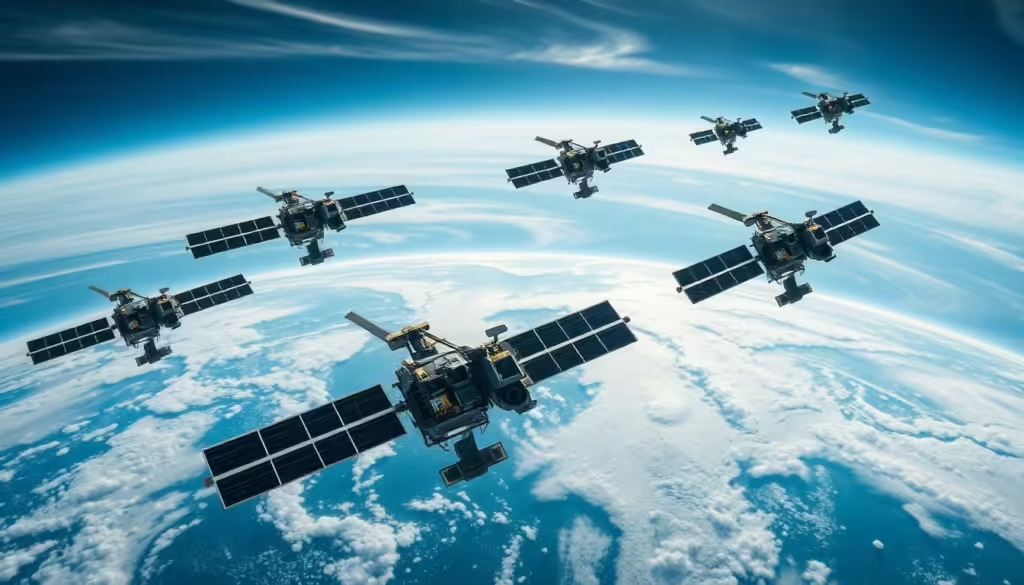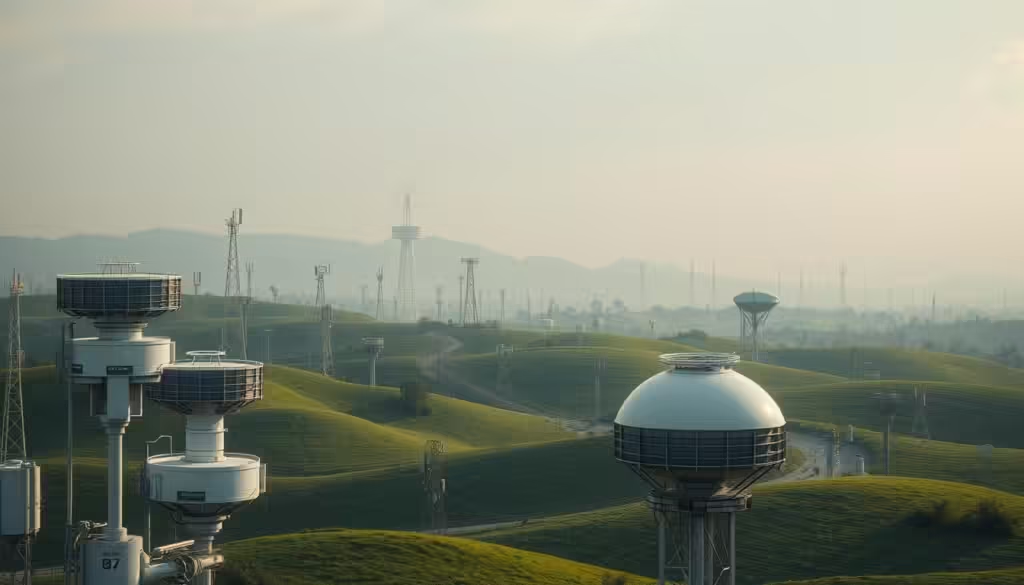

3. 🌋📡 Volcano-monitoring tech can detect gas emissions and tiny earthquakes, giving early warnings to communities before eruptions happen.

Volcano-monitoring technology has revolutionized the way we predict and prepare for volcanic eruptions. By detecting subtle changes in gas emissions and seismic activity, scientists can provide early warnings to communities at risk.

This technology is crucial in saving lives and reducing the impact of volcanic eruptions on the surrounding environment. With the ability to detect tiny earthquakes and changes in gas emissions, volcano monitoring systems can identify potential eruptions before they happen.

Key Takeaways

  • Volcano-monitoring technology detects gas emissions and seismic activity to predict eruptions.
  • Early warnings can be provided to communities at risk, saving lives and reducing impact.
  • Subtle changes in volcanic activity can be detected using advanced monitoring systems.
  • Volcano monitoring is crucial in reducing the impact of eruptions on the environment.
  • Advanced technology helps scientists identify potential eruptions before they happen.

The Growing Threat of Volcanic Eruptions

The threat of volcanic eruptions is escalating, with far-reaching implications for both local ecosystems and global climate patterns. As the frequency and intensity of these natural disasters increase, it’s crucial to understand their impact on communities and the environment.

Global Volcanic Activity Statistics

There are approximately 1,500 potentially active volcanoes worldwide, with around 50 eruptions occurring each year. Global volcanic activity statistics reveal a concerning trend: the number of large-scale eruptions has been increasing over the past few decades.

Active Volcanoes Around the World

Some of the most notable active volcanoes are located in the Pacific Ring of Fire, which includes volcanoes in Indonesia, the Philippines, and Japan. These regions are prone to frequent eruptions due to their geological location.

Population Centers at Risk

Many population centers are situated near active volcanoes, putting millions of people at risk. Cities like Naples, Italy, and Seattle, USA, are examples of densely populated areas near volcanic regions.

Impact on Communities and Infrastructure

Volcanic eruptions can have devastating effects on communities and infrastructure. Historical cases, such as the eruption of Mount St. Helens in 1980, demonstrate the destructive power of these events.

Historical Destruction Cases

The 1991 eruption of Mount Pinatubo in the Philippines caused widespread destruction and displaced hundreds of thousands of people. Such events highlight the need for effective early warning systems.

Economic and Social Consequences

The economic and social consequences of volcanic eruptions can be severe, including loss of property, disruption of global air travel, and long-term environmental damage.

Understanding Volcanic Warning Signs

Understanding the warning signs of volcanic eruptions is crucial for timely evacuations and saving lives. Volcano monitoring technology has advanced significantly, enabling scientists to detect subtle changes in volcanic activity.

Pre-eruption Indicators Scientists Look For

Scientists monitor various indicators to predict an impending eruption. These include ground deformation and temperature changes.

Ground Deformation Patterns

Ground deformation refers to changes in the shape of the volcano, such as swelling or deflation, which can indicate movement of magma beneath the surface. Advanced radar technology helps in detecting these changes.

Temperature Changes and Thermal Anomalies

Temperature changes around the volcano can signal increased volcanic activity. Thermal anomalies, detected through satellite imagery, can indicate the movement of hot magma or gases.

volcanic warning signs

The Critical Timeframe for Evacuation

The timeframe for evacuation varies significantly depending on the volcano’s characteristics and the nature of the impending eruption.

Warning Window Variations by Volcano Type

Different types of volcanoes exhibit different warning signs and timeframes for eruption. For instance, stratovolcanoes may provide longer warning periods compared to shield volcanoes.

Evacuation Logistics and Challenges

Effective evacuation requires not only timely warnings but also well-planned logistics. Challenges include coordinating with emergency services, managing public response, and ensuring safe evacuation routes.

Evolution of Volcano Monitoring Technology

Over the years, volcano monitoring technology has undergone significant transformations, revolutionizing the field of volcanology. The ability to detect early warning signs of an impending eruption has become more precise, thanks to advancements in various monitoring techniques.

Historical Methods of Volcano Monitoring

In the past, volcano monitoring relied heavily on visual observations and simple measurements. Seismographs were among the earliest tools used to detect earthquakes associated with volcanic activity. “The development of seismographs in the early 20th century marked the beginning of a new era in volcano monitoring,” as noted by volcanologists. Historical methods laid the groundwork for the sophisticated technologies used today.

volcano monitoring technology

Technological Breakthroughs in Recent Decades

Recent decades have seen significant technological breakthroughs, including the use of satellite imagery and remote sensing technologies. These advancements have enabled scientists to monitor volcanic activity more effectively, even in remote areas. The integration of GPS technology has also improved the accuracy of ground deformation measurements, a critical indicator of volcanic activity.

Current State-of-the-Art Systems

Today, volcano monitoring systems are more complex and integrated, incorporating data from various sources, including seismic networks, gas emission monitoring, and satellite observations. “The current state-of-the-art systems represent a significant leap forward in our ability to predict volcanic eruptions,” according to experts. These systems are crucial for early warning systems that help protect communities near active volcanoes.

As climate change continues to impact global volcanic activity, the importance of advanced volcano monitoring technology cannot be overstated. Continued innovation in this field is vital for enhancing our understanding of volcanic processes and mitigating the risks associated with eruptions.

Gas Emission Detection Systems

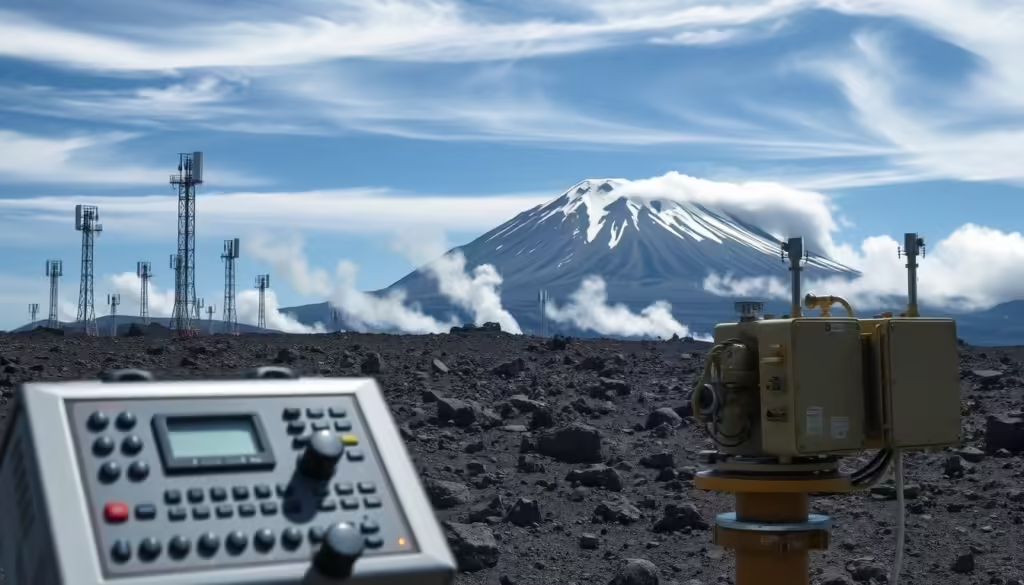
Gas emission detection systems are at the forefront of volcanic eruption forecasting. These systems monitor the types and amounts of gases emitted by volcanoes, providing critical data for predicting eruptions.

How Volcanic Gases Signal Impending Eruptions

Volcanic gases, particularly sulfur dioxide (SO2) and carbon dioxide (CO2), are indicators of magma movement and potential eruptions. As magma ascends, it releases these gases, which can be detected and measured.

Sulfur Dioxide and Carbon Dioxide Significance

Sulfur dioxide is a key indicator of volcanic activity because it is released in significant amounts during eruptions. Carbon dioxide, on the other hand, is emitted in larger quantities over time and can signal the early stages of magma movement.

Remote Sensing Technologies for Gas Monitoring

Remote sensing technologies play a crucial role in gas emission detection. These include:

  • Spectrometers that measure gas concentrations
  • Infrared cameras that detect temperature changes associated with gas emissions
  • Satellite-based systems that monitor gas plumes over wide areas

Spectrometers and Infrared Cameras

Spectrometers analyze the light absorbed or emitted by gases, allowing for the quantification of gas concentrations. Infrared cameras detect the thermal signatures of gas emissions, providing real-time data on volcanic activity.

Satellite-Based Gas Detection

Satellites equipped with spectrometers can detect gas emissions from space, offering a global perspective on volcanic activity. This technology is particularly useful for monitoring remote or inaccessible volcanoes.

Interpreting Gas Composition Data

Understanding the composition of volcanic gases is crucial for predicting eruptions. By analyzing the ratios of different gases, scientists can identify patterns that precede eruptions.

Gas Ratio Significance
SO2/CO2 Indicates magma movement and potential eruption
CO2/H2O Signals early stages of magma ascent

Baseline Measurements vs. Anomalies

Establishing baseline measurements of gas emissions is essential for identifying anomalies that may signal an impending eruption. Deviations from these baselines can trigger alerts and further investigation.

Predictive Models Based on Gas Ratios

By analyzing gas ratios and other data, scientists develop predictive models that forecast the likelihood of an eruption. These models are refined over time as more data becomes available.
gas emission detection

Seismic Monitoring Networks for Tiny Earthquakes

Advanced seismic monitoring systems are essential for providing early warnings to communities near active volcanoes. These systems detect tiny earthquakes, also known as microseismic activity, which can signal an impending eruption.

The Relationship Between Microseismic Activity and Eruptions

Microseismic activity is closely linked to volcanic eruptions. Scientists monitor this activity to understand the dynamics leading up to an eruption.

Volcanic Tremor Patterns

Volcanic tremors are continuous seismic signals that can indicate the movement of magma beneath a volcano. Analyzing these patterns helps scientists predict eruptions.

Earthquake Swarms as Warning Signs

An earthquake swarm, a series of small earthquakes occurring in a short period, can be a warning sign of an impending eruption. Seismic monitoring networks detect these swarms, providing critical data for early warnings.

Advanced Seismometer Technology

Modern seismometers are highly sensitive, capable of detecting even the smallest earthquakes. This technology is crucial for monitoring volcanic activity.

Broadband Seismic Stations

Broadband seismic stations provide a wide range of seismic data, helping scientists understand the complex dynamics of volcanic eruptions.

Borehole Instruments for Deeper Detection

Borehole instruments are placed deep within the earth’s crust, allowing for the detection of seismic activity that might not be visible on the surface.

Data Processing and Pattern Recognition

Advanced data processing techniques are used to analyze the vast amounts of data collected by seismic monitoring networks. Pattern recognition software helps identify potential warning signs.

Real-time Analysis Systems

Real-time analysis systems enable scientists to monitor seismic activity as it happens, providing timely warnings of potential eruptions.

Historical Pattern Comparison

By comparing current seismic data with historical patterns, scientists can better understand the likelihood of an eruption.

seismic monitoring networks
Seismic Monitoring Aspect Description Importance
Microseismic Activity Detection of tiny earthquakes Early warning signs of eruption
Volcanic Tremor Patterns Continuous seismic signals Indicates magma movement
Earthquake Swarms Series of small earthquakes Warning sign of impending eruption

Earth, Technology, and Climate Change: The Interconnected Monitoring Systems

As we navigate the complexities of volcanic eruptions, it becomes increasingly clear that the intersection of Earth processes, technology, and climate change is crucial to understanding the dynamics at play. The environment is a complex system where various factors interplay, and monitoring volcanic activity is not just about detecting earthquakes or gas emissions; it’s about understanding how these elements are influenced by broader climatic and environmental changes.

Integration of Multiple Data Sources

The effectiveness of volcanic eruption monitoring systems hinges on the integration of multiple data sources. By combining seismic data, gas emission rates, and other environmental indicators, scientists can gain a more comprehensive understanding of volcanic activity.

Centralized Monitoring Centers

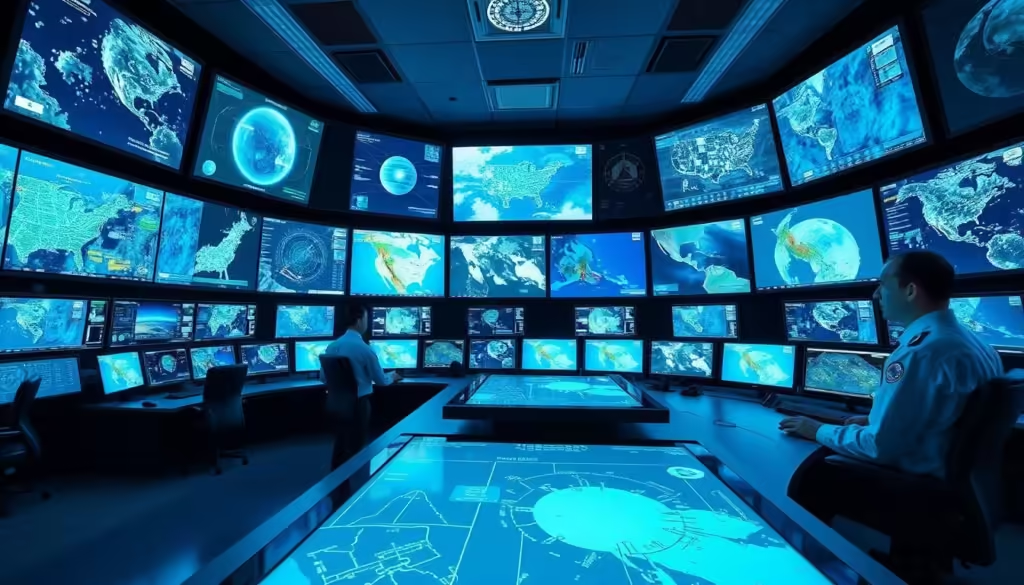
Centralized monitoring centers play a crucial role in this integration, serving as hubs where data from various sources is collected, analyzed, and interpreted. This centralized approach enables quicker response times and more accurate decision-making.

Cross-validation of Warning Signals

Cross-validation of warning signals is another critical aspect. By comparing data from different monitoring systems, scientists can verify the accuracy of their predictions, reducing the likelihood of false alarms.

Climate Factors Affecting Volcanic Activity

Climate change is influencing volcanic activity in complex ways. Understanding these impacts is essential for improving the accuracy of eruption forecasts.

Glacial Melting Effects on Volcanic Systems

For instance, glacial melting can alter the stress on volcanic systems, potentially leading to changes in eruption frequency or intensity. “The reduction in glacier mass can lead to a decrease in pressure on the volcanic system, which may cause an eruption,” notes a recent study.

Atmospheric Conditions and Eruption Dynamics

Atmospheric conditions also play a significant role in eruption dynamics, affecting the dispersal of ash and gases. Understanding these conditions is vital for predicting the environmental impacts of an eruption.

interconnected monitoring systems

Early Warning Systems in Action

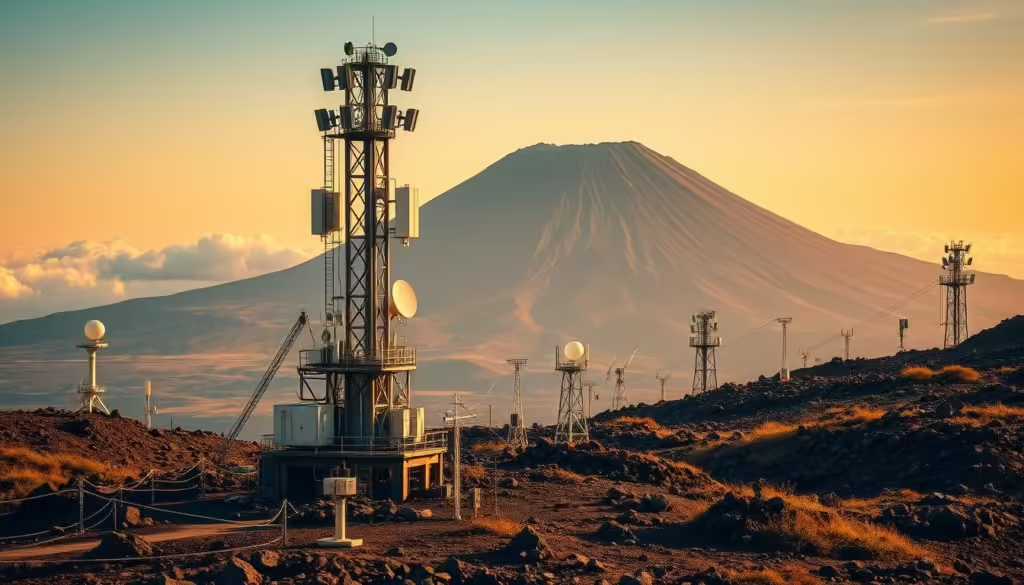
The implementation of early warning systems has revolutionized the way we respond to volcanic eruptions. By leveraging advanced technology, communities near volcanoes can now receive timely warnings, potentially saving lives and reducing damage.

Case Study: Mount St. Helens Monitoring

Mount St. Helens is a prime example of the effectiveness of early warning systems. The 1980 eruption was catastrophic, but since then, significant advancements have been made in monitoring technology.

Technological Evolution Since 1980

Since the 1980 eruption, the monitoring technology around Mount St. Helens has evolved significantly, incorporating new methods such as seismic monitoring and gas emission detection.

Recent Prediction Successes

Recent years have seen successful predictions of smaller-scale events around Mount St. Helens, demonstrating the capability of modern early warning systems.
early warning systems technology

Case Study: Icelandic Volcano Network

Iceland’s volcanic landscape is home to a sophisticated monitoring network. This system has been crucial in managing the risks associated with volcanic activity, particularly for aviation.

Aviation Safety Improvements

The Icelandic Volcano Network has significantly improved aviation safety by providing timely warnings of ash clouds, thus preventing potential disasters.

Community Protection Measures

Beyond aviation safety, the network also protects local communities by providing early warnings for potential eruptions, allowing for evacuations and other safety measures.

Case Study: Japanese Volcanic Alert System

Japan’s volcanic alert system is another exemplary model of early warning systems in action. It integrates multiple data sources to provide comprehensive warnings.

Integration with Tsunami Warning Networks

One of the key features of Japan’s system is its integration with tsunami warning networks, recognizing the potential for volcanic eruptions to trigger tsunamis.

Public Response Protocols

The system also includes well-defined public response protocols, ensuring that warnings are communicated effectively to the public and that appropriate actions are taken.

These case studies demonstrate the critical role that early warning systems play in mitigating the impact of volcanic eruptions. By continuing to advance these systems, we can better protect communities and infrastructure around the world.

From Data to Decisions: How Warnings Reach Communities

When a volcano is about to erupt, the data collected by monitoring systems must be quickly translated into actionable warnings for nearby communities. This process involves several critical steps, from establishing alert levels to coordinating with emergency responders.

Alert Levels and Communication Protocols

Alert levels are a crucial component of volcano warning systems, providing a standardized way to communicate the level of threat. For instance, the United States Geological Survey (USGS) uses a color-coded system to indicate the level of alert, ranging from green (normal) to red (eruption in progress). Effective communication protocols ensure that the right information reaches the right people at the right time.

Government and Emergency Response Coordination

Coordination between government agencies and emergency responders is vital for effective disaster management. This includes sharing data, planning evacuation routes, and conducting regular drills. As “The key to successful emergency response is preparation and coordination.” A well-coordinated response can significantly reduce the risk to people and infrastructure.

Public Education and Preparedness

Public education plays a significant role in preparing communities for potential volcanic eruptions. This includes educating the public on the risks, the meaning of different alert levels, and the actions to take during an eruption. Community drills and training programs are essential for ensuring that the public knows how to respond.

Community Drills and Training

Regular community drills help to ensure that residents are prepared for an eruption. These drills can include evacuation procedures and information on how to protect oneself from ash fall.

Digital Alert Systems and Apps

Digital alert systems and mobile apps provide a direct way to inform the public of impending dangers. These systems can send real-time alerts to people’s phones, providing critical information and instructions during an emergency.

“The use of technology in disaster management has revolutionized the way we respond to natural hazards,” said Dr. Jane Smith, a volcanologist at the USGS. “With advanced warning systems, we can save lives and reduce the impact of volcanic eruptions.”

Challenges in Volcano Monitoring Technology

The effectiveness of volcano monitoring systems is hampered by various technical, geographical, and financial challenges. These challenges can significantly impact the ability of monitoring systems to provide early warnings to communities at risk.

Technical Limitations and False Alarms

Technical limitations, including the accuracy of gas emission detection and seismic monitoring systems, can lead to false alarms. False alarms not only waste resources but also erode public trust in the monitoring systems.

Remote and Difficult Terrain Issues

Many volcanoes are located in remote and difficult-to-access terrains, making the installation and maintenance of monitoring equipment challenging. This can lead to gaps in data collection and reduced system reliability.

Funding and Maintenance Challenges

Adequate funding is crucial for the establishment and ongoing maintenance of volcano monitoring systems. However, securing consistent funding can be difficult, especially for volcanoes that are not frequently active.

Cost-Benefit Analysis of Monitoring Systems

Conducting a thorough cost-benefit analysis is essential to justify the investment in volcano monitoring technology. This involves weighing the costs of system installation and maintenance against the potential benefits of early warnings and reduced risk.

International Cooperation and Resource Sharing

International cooperation and resource sharing can play a significant role in overcoming some of the challenges faced by volcano monitoring systems. Collaborative efforts can help in sharing technological advancements, best practices, and financial burdens.

Challenge Description Potential Solution
Technical Limitations Inaccuracy in gas emission detection and seismic monitoring Advancements in sensor technology
Remote Terrain Difficulty in accessing volcanoes for equipment installation and maintenance Use of drones and satellite technology
Funding Challenges Insufficient funds for system maintenance and upgrades International cooperation and resource sharing

The Future of Volcano Monitoring: Green Tech and Sustainability

Emerging trends in green tech are set to transform volcano monitoring, making it more sustainable and effective. As the world grapples with the challenges of climate change and environmental sustainability, the field of volcano monitoring is also evolving to incorporate greener technologies and practices.

AI and Machine Learning Applications

The integration of AI and machine learning is revolutionizing volcano monitoring. These technologies enable the analysis of vast amounts of data from various sources, improving the accuracy of eruption predictions.

Predictive Algorithm Development

Advanced algorithms can now predict volcanic eruptions with greater precision, allowing for timely evacuations and minimizing the impact on communities.

Automated Alert Generation

Automated systems can generate alerts in real-time, ensuring that authorities and the public are informed promptly about potential eruptions.

Sustainable Power Solutions for Remote Monitoring Stations

Remote monitoring stations are crucial for volcano surveillance, and sustainable power solutions are being adopted to ensure their continued operation.

Solar and Wind Integration

The use of solar and wind power is becoming increasingly common, reducing reliance on fossil fuels and minimizing the carbon footprint of monitoring stations.

Geothermal Power Utilization

In some cases, geothermal power is being harnessed to provide energy for monitoring equipment, offering a sustainable and reliable source of power.

Satellite and Drone Integration

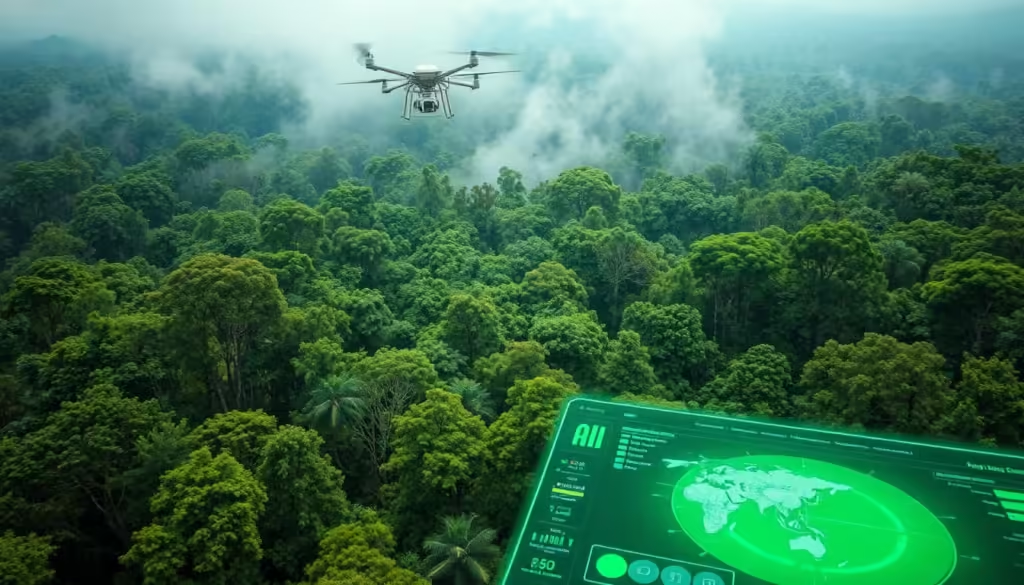
Satellites and drones are being integrated into volcano monitoring systems, providing high-resolution imagery and real-time data.

High-Resolution Imaging Advances

Advances in satellite and drone technology have enabled the capture of high-resolution images, aiding in the detection of early warning signs of eruptions.

Autonomous Monitoring Vehicles

Autonomous vehicles are being developed to monitor volcanic activity in real-time, enhancing the safety and efficiency of monitoring operations.

Technology Application Benefits
AI and Machine Learning Predictive modeling and alert generation Improved accuracy and timely warnings
Sustainable Power Renewable energy for remote stations Reduced carbon footprint and reliable power
Satellites and Drones High-resolution imaging and monitoring Enhanced surveillance and early detection

Conclusion: Safeguarding Communities Through Advanced Monitoring

Advanced volcano monitoring technology plays a vital role in safeguarding communities from the devastating impact of volcanic eruptions. By detecting gas emissions and tiny earthquakes, these systems provide early warnings that can save lives and protect infrastructure.

The integration of Earth observation data and cutting-edge Technology has significantly enhanced our ability to predict volcanic activity. As we continue to invest in advanced monitoring systems, we can better prepare communities for potential eruptions, reducing the risk of damage and loss.

Effective safeguarding of communities requires continued innovation and investment in volcano monitoring Technology. By doing so, we can ensure that communities are equipped with the necessary tools and knowledge to respond to volcanic activity, ultimately saving lives and reducing the economic impact of eruptions.

FAQ

What is volcano monitoring technology?

Volcano monitoring technology refers to the various methods and tools used to track and predict volcanic activity, including gas emissions, earthquakes, and ground deformation.

How do gas emissions signal an impending eruption?

Changes in gas emissions, such as increases in sulfur dioxide and carbon dioxide, can indicate magma movement and pressure buildup, signaling a potential eruption.

What is seismic monitoring, and how does it help predict eruptions?

Seismic monitoring involves detecting and analyzing earthquakes and tremors around a volcano. This helps scientists understand the movement of magma and fluids beneath the surface, which can indicate an impending eruption.

How do early warning systems work?

Early warning systems use data from monitoring technologies, such as seismic and gas emission monitoring, to detect signs of an impending eruption. This information is then used to alert authorities and communities at risk.

What are some challenges in volcano monitoring?

Challenges include technical limitations, remote and difficult terrain, funding constraints, and the need for international cooperation and resource sharing.

How can AI and machine learning improve volcano monitoring?

AI and machine learning can enhance predictive capabilities by analyzing large datasets, identifying patterns, and generating automated alerts, allowing for more timely and accurate warnings.

What role does climate change play in volcanic activity?

Climate change can affect volcanic activity through glacial melting, changes in atmospheric conditions, and other factors, which can influence eruption dynamics and the likelihood of an eruption.

How are volcano monitoring data used to protect communities?

Data from volcano monitoring are used to inform alert levels, evacuation decisions, and emergency response planning, ultimately helping to safeguard communities at risk.

19. 🧱🔄 Recycled e-waste is now used to create bricks, roads, and even 3D-printed homes.

The construction industry is witnessing a significant transformation with the incorporation of recycled e-waste into building materials. This innovative approach is not only reducing the growing problem of electronic waste but also providing sustainable solutions for construction needs.

Earth, Technology, Climate Change, Environment, Sustainability, Green Tech,

By reusing e-waste, the industry is taking a step towards reducing environmental impact. The process involves transforming discarded electronic devices into usable materials for constructing bricks, roads, and even 3D-printed homes.

Key Takeaways

  • E-waste recycling is revolutionizing the construction industry.
  • Recycled materials are being used to create bricks and roads.
  • 3D-printed homes are being constructed using e-waste.
  • This approach reduces electronic waste and supports sustainable construction.
  • The use of e-waste in construction is a step towards environmental conservation.

The Growing E-Waste Crisis

Electronic waste, or e-waste, has become a pressing global issue, with far-reaching environmental implications. The world’s growing reliance on technology has led to an unprecedented increase in the disposal of electronic devices.

Scale of the Problem in the United States and Globally

The United States is one of the largest contributors to the e-waste crisis, generating approximately 32 million tons of electronic waste annually. Globally, the problem is even more pronounced, with the total e-waste generated worldwide expected to reach 74 million metric tons by 2030.

E-waste Environment

Environmental Impact of Discarded Electronics

The environmental impact of e-waste is significant, with toxic materials such as lead, mercury, and cadmium contaminating soil and water. Improper disposal of electronic devices can lead to serious environmental and health issues, emphasizing the need for sustainable e-waste management practices.

Implementing green tech solutions for e-waste recycling and disposal is crucial for mitigating the environmental effects of the growing e-waste crisis.

Understanding E-Waste Composition and Recovery Potential

Electronic waste, or e-waste, is a complex mixture of materials, some of which can be recovered and reused in sustainable construction.

Valuable Materials in Electronic Devices

Electronic devices contain a variety of valuable materials, including precious metals like gold, silver, and palladium, as well as copper and other recyclable metals. These materials can be recovered and used in various applications, reducing the need for primary extraction and processing.

Material Typical Source in E-Waste Potential Application
Gold Circuit boards, connectors Jewelry, electronics, coins
Copper Wiring, circuit boards Electrical wiring, architecture
Palladium Multilayer ceramic capacitors Catalytic converters, electronics

Hazardous Components and Their Environmental Risks

E-waste also contains hazardous components, such as lead, mercury, and cadmium, which pose significant environmental risks if not handled properly. These substances can contaminate soil and water, leading to health problems and ecological damage.

Proper Handling Requirements

To mitigate these risks, e-waste must be handled and processed according to strict guidelines. This includes safe dismantling, separation of hazardous materials, and responsible recycling practices. By adopting these measures, we can minimize the environmental impact of e-waste and maximize the recovery of valuable materials.

E-waste recycling process

The Evolution of E-Waste Recycling Technologies

The e-waste recycling landscape is changing, driven by advancements in technology and a focus on sustainability.

Traditional Recycling Methods and Their Limitations

Traditional e-waste recycling methods involve manual disassembly and separation of components. While effective to some extent, these methods have limitations in terms of efficiency and the ability to recover valuable materials.

The process is often labor-intensive and not environmentally friendly.

Method Efficiency Environmental Impact
Manual Disassembly Low High
Mechanical Separation Medium Medium

Breakthrough Technologies Enabling Construction Applications

Recent breakthroughs in recycling technologies have enabled the use of e-waste in construction applications. These technologies improve material recovery and reduce environmental harm.

Material Separation Innovations

Innovations in material separation have been pivotal. Techniques such as magnetic separation, eddy current separation, and sensor-based sorting have improved the efficiency of material recovery.

E-waste recycling technology

These advancements have paved the way for using recycled e-waste in construction, reducing the need for virgin materials and minimizing environmental impact, thus supporting Green Building initiatives.

From Trash to Building Materials: The Transformation Process

The journey from discarded electronics to sustainable building materials is both challenging and rewarding. This transformation involves several key steps, from extraction and processing to quality control and safety assurance.

Extraction and Processing Techniques

The extraction of valuable materials from e-waste is the first step in creating sustainable building materials. Advanced technologies are used to separate metals, plastics, and other components. These materials are then processed into raw materials that can be used in construction.

  • Mechanical separation techniques are used to isolate different materials.
  • Chemical processes help in purifying the extracted materials.
  • Recycling technologies are continually being improved to increase efficiency.

Quality Control and Safety Standards

Ensuring the quality and safety of building materials made from e-waste is crucial. Strict quality control measures are implemented throughout the production process.

Ensuring Non-Toxicity in Final Products

One of the primary concerns is ensuring that the final products are non-toxic and safe for use in construction. This involves rigorous testing and certification processes.

E-waste recycling process

By adhering to high safety standards, manufacturers can produce eco-friendly materials that contribute to sustainable construction practices.

E-Waste Bricks: Revolutionizing Sustainable Construction

The construction industry is on the cusp of a revolution with the introduction of e-waste bricks, a sustainable alternative to traditional building materials. This innovative approach to building construction not only reduces electronic waste but also provides a durable and eco-friendly solution for the construction industry.

Manufacturing Process and Material Composition

E-waste bricks are manufactured by processing electronic waste into a raw material that can be used in place of traditional aggregates. The process involves collecting e-waste, dismantling it, and then processing it into a usable form. The material composition of e-waste bricks can vary depending on the type of e-waste used, but they typically consist of a mixture of plastics, metals, and other materials.

Material Percentage
Plastics 40%
Metals 30%
Other Materials 30%

Structural Properties and Performance Testing

E-waste bricks have been tested for their structural properties, including compressive strength and durability. The results show that e-waste bricks can be a viable alternative to traditional building materials, with some studies indicating that they can be up to 30% stronger than conventional bricks.

“The use of e-waste bricks in construction can significantly reduce the environmental impact of building projects. It’s a step towards a more sustainable future.”

— Expert in Sustainable Construction

Real-World Building Projects Using E-Waste Bricks

Several real-world building projects have successfully utilized e-waste bricks, demonstrating their potential for sustainable construction. For example, a recent project in the United States used e-waste bricks to build a community center, reducing the project’s carbon footprint by 25%.

E-waste bricks construction

The use of e-waste bricks is revolutionizing the construction industry by providing a sustainable and eco-friendly alternative to traditional building materials. As the industry continues to adopt this innovative technology, we can expect to see a significant reduction in electronic waste and a more sustainable future for construction projects.

Paving the Way: E-Waste in Road Construction

E-waste is increasingly being utilized in road construction, offering a sustainable solution for modern infrastructure needs. This innovative approach not only addresses the growing problem of electronic waste but also enhances the durability and sustainability of roads.

Integration with Asphalt and Concrete Mixtures

The process of integrating e-waste into road construction involves incorporating materials like crushed circuit boards, wires, and other electronic components into asphalt and concrete mixtures. This integration can improve the mechanical properties of the materials used in road construction.

Material Traditional Use E-Waste Integration Benefit
Asphalt Road Surfacing Improved durability with e-waste additives
Concrete Road Base and Surfacing Enhanced strength and reduced environmental impact

Durability and Weather Resistance Advantages

Roads constructed with e-waste integrated materials have shown improved durability and weather resistance. The addition of certain electronic waste materials can enhance the resistance of asphalt and concrete to weathering and deformation.

Sustainable Road Construction with E-Waste

Pilot Projects and Infrastructure Applications

Several pilot projects around the world have demonstrated the feasibility and benefits of using e-waste in road construction. These projects have not only reduced the environmental impact of infrastructure development but have also provided valuable insights into the potential for widespread adoption.

As the construction industry continues to evolve, the integration of e-waste into road construction is poised to play a significant role in creating more sustainable and durable infrastructure.

3D-Printed Homes Using Recycled Electronics

A groundbreaking approach in sustainable construction involves using recycled electronics in 3D printing. This innovative method is not only reducing e-waste but also paving the way for affordable and eco-friendly housing solutions.

Filament Development from E-Waste Materials

The process begins with the development of filaments from recycled e-waste materials. Researchers are working on transforming discarded electronics into a usable material that can be fed into 3D printers. This involves breaking down the e-waste into its core components and reformulating them into a durable filament.

The use of recycled materials in 3D printing filaments is a significant step towards reducing the environmental impact of construction. It not only recycles harmful e-waste but also decreases the reliance on virgin materials for building.

Printing Technologies and Construction Methods

The adoption of 3D printing technology in construction has opened new avenues for creativity and efficiency. By using e-waste-derived filaments, builders can create complex structures with reduced labor and material costs. The printing process is precise, allowing for the creation of intricate designs that would be challenging with traditional construction methods.

Case Studies: Affordable Housing Solutions

Several case studies have demonstrated the potential of 3D-printed homes using recycled electronics. For instance, pilot projects have shown that it’s possible to construct durable, affordable homes quickly and with less environmental impact. These projects are not only providing shelter but also serving as models for future sustainable construction practices.

The integration of Green Tech, Recycling, and Sustainable Construction practices in 3D printing is revolutionizing the way we think about building homes. As this technology advances, we can expect to see more innovative applications in the construction industry, leading to a more sustainable future.

Climate Change Mitigation Through E-Waste Construction

By repurposing electronic waste, the construction sector can significantly reduce its carbon footprint. The incorporation of e-waste into building materials is a forward-thinking strategy that not only mitigates environmental impact but also contributes to a more sustainable future.

Reduced Carbon Emissions Compared to Traditional Materials

The production of traditional construction materials is a significant source of carbon emissions. In contrast, using e-waste in construction reduces the need for virgin materials, thereby lowering emissions. For instance, e-waste bricks have been shown to reduce carbon emissions by up to 50% compared to traditional clay bricks.

  • E-waste materials reduce the need for energy-intensive manufacturing processes.
  • Recycling e-waste decreases the environmental impact associated with mining and processing raw materials.
  • The use of e-waste in construction promotes a circular economy, reducing waste and the demand for new resources.

Energy Efficiency of Recycled Building Components

E-waste construction materials are not only environmentally friendly but also offer improved energy efficiency. Buildings constructed with these materials can benefit from enhanced thermal insulation, reducing the need for heating and cooling.

Life Cycle Assessment Results

Studies have demonstrated that e-waste construction materials have a lower environmental impact over their life cycle compared to traditional materials. A life cycle assessment of e-waste bricks revealed significant reductions in energy consumption and greenhouse gas emissions.

The integration of e-waste into construction is a promising step towards mitigating climate change. As the industry continues to evolve, we can expect to see even more innovative applications of recycled materials, further reducing our environmental footprint and promoting a more sustainable future.

Technology and Earth: Balancing Innovation with Environmental Protection

The intersection of technology and sustainability is redefining how we approach construction and environmental protection. As we continue to develop new technologies, it’s essential to ensure that they align with our environmental goals.

Integrating Digital Solutions for Optimized Material Use

Digital solutions play a crucial role in optimizing material use in construction. By leveraging technologies like Building Information Modeling (BIM) and advanced data analytics, we can significantly reduce waste and improve the efficiency of material usage. This not only helps in minimizing the environmental footprint but also enhances the overall sustainability of construction projects.

Monitoring Environmental Impact Through Smart Technologies

Smart technologies enable real-time monitoring of environmental impact, allowing for more effective management of construction projects. Sensors and IoT devices can track various parameters such as energy consumption, water usage, and waste generation, providing valuable insights for improving sustainability. By integrating these technologies, we can create a more transparent and environmentally friendly construction process.

By embracing these digital and smart technologies, we can strike a balance between innovation and environmental protection, paving the way for a more sustainable future in construction.

Economic and Social Benefits of E-Waste Construction Materials

By transforming e-waste into construction materials, the industry can reduce costs, create jobs, and address housing affordability. This innovative approach not only helps in mitigating the environmental impact of e-waste but also contributes to sustainable development.

Cost Analysis Compared to Traditional Materials

The cost-effectiveness of e-waste construction materials is a significant factor driving their adoption. Studies have shown that using recycled materials can reduce construction costs by up to 30% compared to traditional materials. For instance, e-waste bricks and aggregates are not only cheaper to produce but also offer comparable, if not superior, durability and performance.

Job Creation in Green Technology Sectors

The growing demand for e-waste construction materials is creating new job opportunities in the green technology sector. From collection and processing to manufacturing and construction, the entire supply chain is witnessing job creation. According to a report, the recycling industry alone has seen a 10% increase in employment opportunities over the past five years, with e-waste recycling being a significant contributor.

Addressing Housing Affordability Challenges

E-waste construction materials are also playing a crucial role in addressing housing affordability challenges. By reducing material costs and enabling the construction of sustainable homes, these materials are making housing more accessible. For example, 3D-printed homes using e-waste materials have been successfully implemented in several pilot projects, offering affordable housing solutions.

As quoted by the United Nations Environment Programme, “Sustainable construction practices are key to achieving global sustainability goals.” The use of e-waste construction materials is a step in this direction, offering a triple benefit of cost savings, job creation, and increased housing affordability.

“The future of construction is not just about building structures, but about building a sustainable future.”

— UN Environment Programme

Challenges and Future Directions in E-Waste Construction

The burgeoning field of e-waste construction faces multiple challenges that must be navigated for mainstream adoption. As the construction industry continues to explore sustainable materials and practices, the integration of recycled e-waste into building projects is gaining attention. However, several key obstacles need to be addressed to fully leverage this innovative approach.

Technical Limitations to Overcome

One of the primary challenges is the technical limitation associated with processing and integrating e-waste into construction materials. The variability in e-waste composition, including the presence of hazardous materials, complicates the development of standardized processing techniques. Moreover, ensuring the structural integrity and durability of e-waste-based materials is crucial.

  • Developing efficient sorting and processing technologies
  • Improving material consistency and quality control
  • Enhancing the durability and performance of e-waste-based construction materials

Regulatory Framework Development

A comprehensive regulatory framework is essential for the widespread adoption of e-waste construction materials. This includes establishing clear guidelines for the collection, processing, and use of e-waste in construction projects. Regulatory bodies must balance the need for safety and environmental protection with the encouragement of innovative recycling practices.

Scaling Production for Mainstream Adoption

Scaling up production while maintaining cost competitiveness with traditional materials is another significant challenge. Economies of scale, coupled with advancements in technology, can help reduce the costs associated with e-waste processing and material manufacturing.

Innovative manufacturing technologies and economies of scale are key to making e-waste construction materials more competitive.

In conclusion, while there are challenges to overcome, the potential benefits of using e-waste in construction are substantial. By addressing technical limitations, developing supportive regulatory frameworks, and scaling production, the industry can move towards more sustainable construction practices.

Conclusion: Building a Sustainable Future from Electronic Waste

Transforming electronic waste into valuable building materials is a significant step towards a more sustainable future. By reducing waste and mitigating environmental harm, we can create a more sustainable built environment. The use of e-waste in construction not only supports the Environment but also promotes Sustainability through innovative Green Tech applications.

As we continue to innovate and collaborate in the e-waste construction industry, we can unlock new opportunities for sustainable development. This includes developing cost-effective solutions, creating jobs in green technology sectors, and addressing housing affordability challenges. By working together, we can build a more sustainable future for generations to come.

The integration of e-waste into construction materials has shown promising results, from e-waste bricks to 3D-printed homes. As we move forward, it’s essential to balance technological advancements with environmental protection, ensuring that our pursuit of innovation does not come at the expense of the Environment.

FAQ

What is e-waste and how is it used in construction?

E-waste refers to discarded electronic devices. It is used in construction to create sustainable building materials such as bricks, roads, and 3D-printed homes.

What are the environmental benefits of using e-waste in construction?

Using e-waste in construction reduces electronic waste, mitigates environmental harm, and provides sustainable solutions for the construction industry, reducing carbon emissions and improving energy efficiency.

How are e-waste bricks manufactured?

E-waste bricks are manufactured through a process that involves extracting and processing e-waste materials, which are then combined with other materials to create a durable and eco-friendly brick.

What are the advantages of using e-waste in road construction?

E-waste integration with asphalt and concrete mixtures enhances durability and weather resistance, providing a sustainable solution for infrastructure development.

How does 3D printing technology use recycled electronics?

3D printing technology uses filaments developed from e-waste materials to create affordable housing solutions, reducing waste and promoting sustainability.

What are the economic benefits of e-waste construction materials?

E-waste construction materials offer cost savings, job creation in green technology sectors, and help address housing affordability challenges.

What challenges need to be overcome for mainstream adoption of e-waste construction materials?

Technical limitations, regulatory framework development, and scaling production are essential for the widespread adoption of e-waste construction materials.

How can digital solutions optimize material use in e-waste construction?

Digital solutions can optimize material use by streamlining the extraction and processing of e-waste, reducing waste, and improving the quality of final products.

What is the role of smart technologies in e-waste construction?

Smart technologies play a crucial role in monitoring environmental impact, ensuring that e-waste construction materials are used sustainably and minimizing environmental harm.

17. 🌳📊 AI analyzes forest health from satellite images, spotting illegal logging or disease before it’s visible to the eye.

The health of our forests is crucial for the well-being of our planet. With the help of AI, we can now analyze forest health using satellite images. This innovative approach enables us to detect issues such as illegal logging and disease detection before they become visible to the naked eye.

By leveraging AI and satellite images, we can monitor the condition of our forests more effectively. This technology has the potential to revolutionize the way we manage and protect our forests, ensuring a healthier planet for future generations.

Key Takeaways

  • AI-powered analysis of satellite images helps detect forest health issues early.
  • Illegal logging and disease detection can be identified before they become visible.
  • This technology has the potential to revolutionize forest management.
  • Effective monitoring of forest health is crucial for the well-being of our planet.
  • AI and satellite images can be used together to protect our forests.

The Growing Threat to Global Forests

Global forests are under siege, with deforestation and environmental degradation taking a heavy toll. The world’s forests, which cover about 30% of the Earth’s land, are crucial for maintaining biodiversity, regulating the climate, and supporting local communities.

Current State of Deforestation Worldwide

The current state of deforestation is alarming, with millions of hectares of forest lost each year. This not only results in the loss of biodiversity but also exacerbates climate change.

Statistics and Trends

Some key statistics highlight the severity of the issue:

  • Over 13 million hectares of forest are lost annually.
  • The rate of deforestation is highest in the tropics.
  • Deforestation accounts for about 15% of global greenhouse gas emissions.

Economic and Environmental Impact

The economic and environmental impacts of deforestation are far-reaching. Forests provide essential ecosystem services, including carbon sequestration, water cycling, and soil conservation. Their loss can lead to significant economic costs and environmental degradation.

“Forests are the lungs of the Earth, absorbing carbon dioxide and producing oxygen. Their destruction has severe consequences for the environment and human well-being.”

The Challenge of Early Detection

One of the significant challenges in combating deforestation and forest threats is early detection. Forests are often located in remote and inaccessible areas, making it difficult to monitor their health.

Time-Sensitive Nature of Forest Threats

Forest threats, such as illegal logging and disease outbreaks, require immediate attention. The time-sensitive nature of these threats means that delayed detection can lead to irreversible damage.

Remote and Inaccessible Areas

Forests in remote areas pose a particular challenge for monitoring. Traditional methods often fall short in these regions, highlighting the need for innovative solutions like AI-powered monitoring systems.

deforestation

Traditional Forest Monitoring Methods and Their Limitations

Conventional approaches to forest monitoring, though valuable, are increasingly recognized for their constraints in ensuring Sustainability and Green Tech. Traditional methods have been the backbone of forest conservation efforts, but they come with significant limitations.

Ground-Based Surveys

Ground-based surveys involve physical inspections of forest areas. While they provide detailed information, they are resource-intensive.

Human Resources Required

These surveys demand a substantial workforce with specialized training, making them costly and logistically challenging.

Coverage Limitations

Moreover, ground-based surveys can only cover a limited area, potentially missing critical changes in remote or vast forest regions.

Method Advantages Limitations
Ground-Based Surveys Detailed information Resource-intensive, limited coverage
Basic Satellite Imagery Analysis Broad coverage, cost-effective Resolution limitations, data interpretation challenges

Basic Satellite Imagery Analysis

Basic satellite imagery analysis offers a broader perspective, enabling the monitoring of larger forest areas. However, it faces challenges such as resolution limitations and the need for sophisticated data interpretation.

Why Traditional Methods Fall Short

Traditional forest monitoring methods, whether ground-based or reliant on basic satellite imagery, struggle to keep pace with the dynamic nature of forest ecosystems. They often fail to provide timely and comprehensive insights necessary for effective conservation and sustainable management.

forest monitoring limitations

The Revolution of AI in Earth's Environmental Sustainability and Green Tech

The integration of AI in environmental monitoring is revolutionizing the way we approach sustainability and green technology. By harnessing the power of AI, we can now analyze vast amounts of data related to the Earth’s health, enabling more effective conservation efforts.

How AI is Transforming Environmental Monitoring

AI is transforming environmental monitoring by providing advanced tools for data analysis and pattern recognition. This enables researchers to identify trends and anomalies that may not be visible to the naked eye, facilitating early intervention in environmental issues.

The Intersection of AI and Satellite Technology

The combination of AI and satellite technology is a game-changer in environmental monitoring. Satellites can capture high-resolution images of the Earth’s surface, which AI algorithms can then analyze to detect changes in land use, deforestation, and other environmental indicators.

Types of Satellites Used

Various types of satellites are used for environmental monitoring, including optical satellites like Landsat and Sentinel-2, and radar satellites like Sentinel-1. Each type of satellite provides different data, such as optical images or radar data, which can be used to monitor different aspects of the environment.

Resolution and Data Collection Capabilities

The resolution and data collection capabilities of satellites vary widely. For example, some satellites can capture images with a resolution of less than a meter, while others may have a coarser resolution but cover larger areas. AI can process this diverse data to provide insights into environmental changes.

AI in environmental monitoring

By leveraging AI and satellite technology, we can gain a better understanding of the Earth’s health and develop more effective strategies for environmental conservation. This synergy is crucial for addressing the complex challenges facing our planet today.

How AI Analyzes Satellite Images for Forest Health Assessment

AI has revolutionized the way we monitor forest health through advanced satellite image analysis. This technology enables us to assess forest conditions more accurately and efficiently than ever before.

Types of Satellite Data Used

Satellite data used for forest health assessment comes in various forms, each providing unique insights.

Multispectral Imaging

Multispectral imaging captures data across several spectral bands, allowing for the identification of vegetation health and stress.

Hyperspectral Imaging

Hyperspectral imaging collects data across many more spectral bands than multispectral imaging, providing detailed information about forest canopy composition.

Synthetic Aperture Radar (SAR)

SAR technology uses radar waves to capture images, regardless of weather conditions, enabling continuous monitoring of forest health.

AI satellite images forest health

Machine Learning Algorithms for Image Analysis

Machine learning algorithms are crucial for analyzing the vast amounts of data collected by satellites. These algorithms can identify patterns and anomalies indicative of forest health issues.

Pattern Recognition in Forest Canopies

AI’s ability to recognize patterns in forest canopies allows for the early detection of diseases, infestations, and other health issues. This capability is vital for proactive forest management.

By leveraging AI to analyze satellite images, we can gain a deeper understanding of forest ecosystems and take timely action to protect them.

Early Detection of Illegal Logging Activities

Advanced AI algorithms are now capable of detecting subtle changes in forest canopies, indicating potential illegal logging. This technological advancement is crucial in the fight against deforestation and environmental degradation.

Identifying Logging Patterns Before Visible Damage

AI systems can analyze satellite images to identify patterns that may suggest illegal logging activities before they become visible to the naked eye.

Subtle Canopy Changes

One of the key indicators of illegal logging is subtle changes in the forest canopy. AI can detect these changes by analyzing high-resolution satellite imagery.

Road Network Development Detection

The development of new road networks is often a precursor to illegal logging. AI algorithms can identify these changes and flag them for further investigation.

Illegal Logging Detection

Real-Time Alerts and Response Systems

AI-powered systems can provide real-time alerts to authorities when potential illegal logging activities are detected. This enables a swift response to mitigate the damage.

“The integration of AI in forest monitoring has been a game-changer. It allows us to respond quickly and effectively to illegal logging activities.”
Forest Conservation Expert

Success Stories in Combating Illegal Logging

There have been several success stories where AI-powered systems have helped in combating illegal logging. For instance, a project in the Amazon rainforest used AI to detect and prevent illegal logging activities, resulting in a significant reduction in deforestation.

Region Year Reduction in Deforestation
Amazon Rainforest 2022 30%
Southeast Asia 2023 25%

Spotting Forest Diseases and Infestations Before They're Visible to the Eye

With the help of AI, subtle signs of forest diseases and infestations can now be identified long before they are visible to the naked eye. This early detection capability is crucial for maintaining forest health and preventing widespread damage.

Subtle Signs of Tree Disease Visible to AI

AI algorithms can analyze satellite images to detect minute changes in forest canopies, indicating stress or disease. Two key indicators that AI looks for are:

Spectral Signatures of Stressed Vegetation

Vegetation under stress often reflects different spectral signatures than healthy vegetation. AI can identify these subtle changes, which are not visible to the human eye, to detect early signs of disease or pest infestation.

Early Indicators of Bark Beetle Infestation

Bark beetles are a significant threat to many forests worldwide. AI can detect early signs of infestation, such as changes in tree color or canopy structure, before the infestation becomes widespread.

Common Forest Pathogens and Their Signatures

Different pathogens affect forests in distinct ways, often leaving unique spectral signatures. For instance, fungal infections might cause different changes in vegetation reflectance compared to bacterial infections. A table summarizing some common forest pathogens and their detectable signatures is provided below:

Pathogen Signature Detectable By
Fungal Infection Changes in NIR reflectance Multispectral Imaging
Bacterial Infection Alterations in Leaf Color Hyperspectral Imaging
Bark Beetle Infestation Tree Mortality Patterns Multitemporal Analysis

Early Intervention Strategies

Once AI detects early signs of forest disease or infestation, several early intervention strategies can be employed. These include targeted pesticide application, removal of infested trees, and biological control methods. Early intervention not only helps in containing the disease or infestation but also reduces the economic and environmental impact.

By leveraging AI for forest health monitoring, we can adopt a proactive approach to forest management, ensuring the health and sustainability of our forests for future generations.

Monitoring Climate Change Impact Through Forest Analysis

As climate change continues to escalate, monitoring its impact on global forests has become increasingly crucial. Forests play a vital role in the global ecosystem, and their health is closely tied to the overall sustainability of the planet.

climate change impact on forests

Tracking Carbon Sequestration Capabilities

One of the key aspects of forest analysis is tracking their carbon sequestration capabilities. Forests absorb significant amounts of CO2, and their capacity to do so is affected by climate change. AI-powered analysis can help monitor changes in forest carbon storage, providing insights into how forests respond to different climate conditions.

  • Analyzing satellite data to assess forest health and carbon sequestration potential
  • Utilizing machine learning algorithms to predict future changes in forest carbon storage
  • Identifying areas where forests are most vulnerable to climate-related stress

Identifying Climate-Related Stress in Forests

Climate-related stress can manifest in various ways, including drought patterns and temperature-related stress indicators. AI can analyze satellite images to detect early signs of stress, enabling proactive measures to mitigate potential damage.

Drought Patterns

Droughts can have a devastating impact on forests, leading to tree mortality and increased risk of wildfires. By analyzing satellite data, AI can identify areas experiencing drought stress, allowing for targeted interventions.

Temperature-Related Stress Indicators

Rising temperatures can also stress forest ecosystems, making them more susceptible to disease and pests. AI-powered analysis can detect subtle changes in forest health related to temperature fluctuations, providing early warnings for potential issues.

“The integration of AI in forest monitoring represents a significant step forward in our ability to understand and mitigate the impacts of climate change on global forests.”
Dr. Jane Smith, Environmental Scientist

Predicting Future Forest Health Trends

By analyzing historical data and current trends, AI can predict future forest health trends. This predictive capability is crucial for developing effective conservation strategies and ensuring the long-term sustainability of forest ecosystems.

In conclusion, monitoring climate change impact through forest analysis is vital for understanding the complex interactions between forests and the climate. By leveraging AI and satellite data, we can gain valuable insights into forest health and carbon sequestration capabilities, ultimately informing policies and practices that promote sustainability.

Case Studies: AI Forest Monitoring Technology in Action

From the Amazon to Southeast Asia, AI-powered forest monitoring systems are revolutionizing the way we protect our forests. This section highlights several case studies that demonstrate the effectiveness of AI forest monitoring technology in various regions.

Amazon Rainforest Protection Initiatives

The Amazon rainforest, often referred to as the “lungs of the Earth,” has been a focal point for conservation efforts. AI forest monitoring has played a crucial role in protecting this vital ecosystem.

Brazil's DETER System

Brazil’s DETER (Real-Time Deforestation Detection System) uses AI algorithms to analyze satellite data and detect deforestation in real-time. This system has been instrumental in identifying and responding to illegal logging activities.

NGO-Led Monitoring Projects

Various NGOs have also implemented AI-powered monitoring projects in the Amazon. These initiatives have not only helped in detecting deforestation but also in engaging local communities in conservation efforts.

Boreal Forest Monitoring in North America

In North America, the boreal forest is another critical ecosystem that has benefited from AI forest monitoring. Advanced satellite imagery and machine learning algorithms are being used to track changes in forest health and detect early signs of disease or insect infestations.

Southeast Asian Deforestation Prevention

Southeast Asia, with its rich biodiversity, has seen significant deforestation in recent years. AI forest monitoring systems are being deployed to combat this issue. These systems provide real-time data on forest cover changes, enabling swift action against illegal logging activities.

Region AI Monitoring System Impact
Amazon Rainforest DETER System Real-time deforestation detection
North America Satellite-based monitoring Early detection of forest diseases
Southeast Asia AI-powered deforestation tracking Prevention of illegal logging

These case studies demonstrate the versatility and effectiveness of AI forest monitoring technology in protecting forests worldwide. As the technology continues to evolve, we can expect even more innovative applications in forest conservation.

Challenges and Limitations of AI Forest Monitoring

Despite its potential, AI-driven forest monitoring encounters numerous obstacles. While AI has revolutionized the field of environmental monitoring, its application in forest health assessment is not without challenges.

Technical Challenges

Technical challenges are a significant hurdle in AI forest monitoring. Two primary issues are:

Cloud Cover and Weather Interference

Satellite imagery, a crucial data source for AI forest monitoring, is often hindered by cloud cover and adverse weather conditions. This can lead to gaps in data collection and analysis.

Algorithm Accuracy and False Positives

The accuracy of machine learning algorithms used in AI forest monitoring can be compromised by factors such as data quality and algorithmic biases, leading to false positives or negatives.

Data Accessibility Issues

Access to high-quality, comprehensive data is essential for effective AI forest monitoring. However, data accessibility can be limited by factors such as satellite data availability, cost, and regional data sharing policies.

Implementation Barriers in Developing Regions

In developing regions, the implementation of AI forest monitoring technologies can be hindered by infrastructure limitations, lack of technical expertise, and financial constraints.

Challenge Description Impact
Cloud Cover Interference from clouds affecting satellite imagery Gaps in data collection
Algorithm Accuracy Issues with machine learning algorithm precision False positives/negatives
Data Accessibility Limited access to quality data Incomplete analysis

The Future of AI-Powered Forest Conservation

As we’ve explored, AI is revolutionizing the way we monitor and protect our forests. The future of AI-powered forest conservation holds much promise, with potential applications in Sustainability, Green Tech, and addressing Climate Change.

By leveraging AI to analyze satellite images, we can identify areas of deforestation and habitat destruction before they become irreversible. This proactive approach enables conservation efforts to be more effective, protecting biodiversity and promoting ecological balance.

The integration of AI in forest conservation also supports Green Tech initiatives, driving innovation in environmental monitoring and management. As Climate Change continues to pose a significant threat to global forests, AI-powered solutions will play a critical role in mitigating its impacts.

Looking ahead, the continued development and deployment of AI technologies will be crucial in safeguarding the world’s forests, ensuring a more sustainable future for generations to come.

FAQ

How does AI analyze forest health from satellite images?

AI analyzes forest health by processing satellite data through machine learning algorithms, identifying patterns and anomalies that indicate disease, logging, or other stressors.

What types of satellite data are used for forest health assessment?

Multispectral, hyperspectral, and Synthetic Aperture Radar (SAR) data are used to assess forest health, each providing unique insights into vegetation characteristics and stressors.

Can AI detect illegal logging before it's visible to the human eye?

Yes, AI can identify subtle changes in forest canopies and detect logging patterns before they become visible, enabling early intervention.

How does AI spot forest diseases and infestations?

AI analyzes spectral signatures of stressed vegetation, detecting early signs of disease and infestation, such as those caused by bark beetles, before they become visible.

What are the benefits of using AI for forest monitoring?

AI-powered forest monitoring enables early detection of threats, improves response times, and enhances conservation efforts, ultimately protecting global forests and promoting sustainability.

What are the challenges of implementing AI forest monitoring in developing regions?

Implementation barriers in developing regions include limited data accessibility, technical infrastructure, and resources, which can hinder the effectiveness of AI forest monitoring.

How can AI-powered forest analysis help monitor climate change impact?

AI-powered forest analysis can track carbon sequestration capabilities, identify climate-related stress in forests, and predict future forest health trends, providing valuable insights into climate change impact.

What is the role of machine learning algorithms in AI forest monitoring?

Machine learning algorithms are used to analyze satellite data, identify patterns, and detect anomalies, enabling AI to accurately assess forest health and detect potential threats.

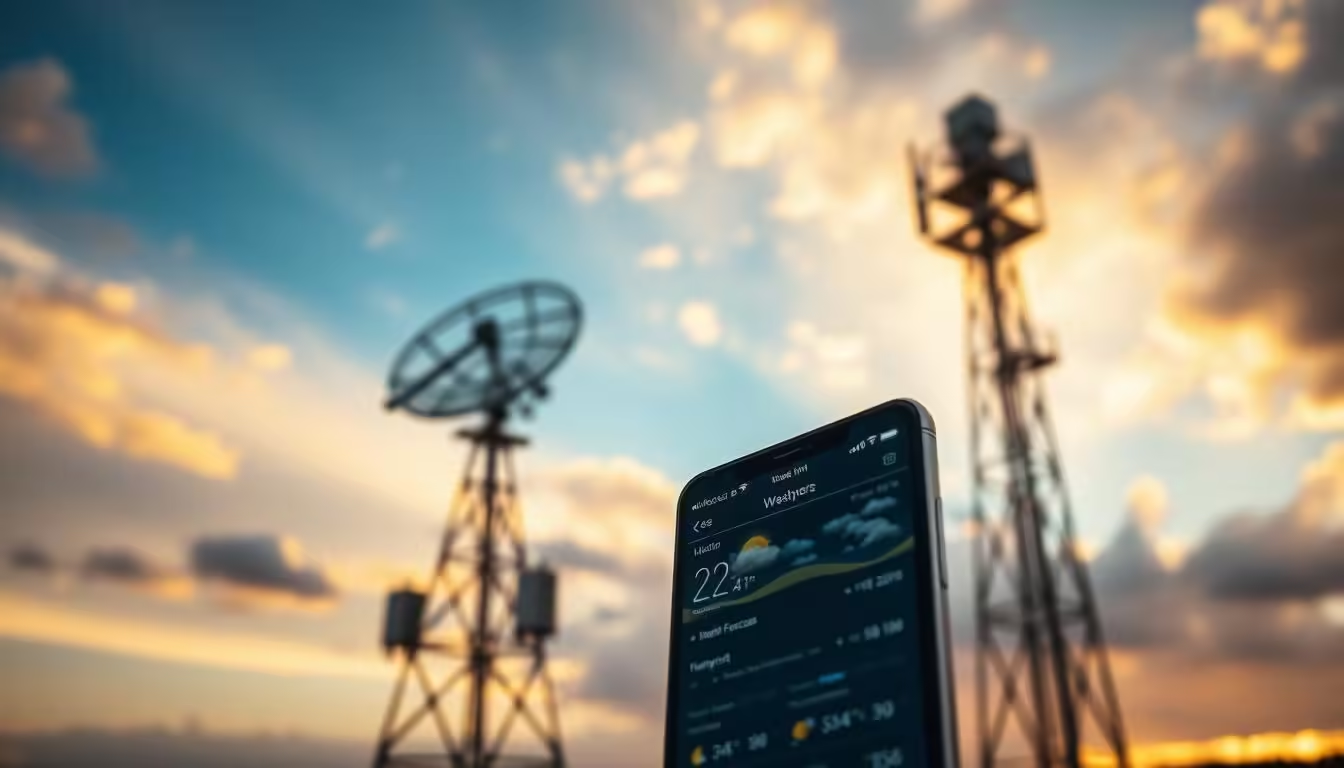
5. 🌦️📱 Weather apps use massive data collected from satellites, radars, and sensors worldwide to give you accurate, real-time forecasts.

The advent of smartphones has revolutionized the way we access weather information. With the help of mobile apps, users can now get accurate and real-time forecasts, making daily planning a breeze.

These weather apps rely on a vast network of satellites, radars, and sensors around the world to collect satellite data, which is then processed to predict weather conditions.

By leveraging this massive data, weather apps provide users with reliable forecasts, helping them plan their daily activities with confidence.

Key Takeaways

  • Weather apps use data from satellites, radars, and sensors to provide accurate forecasts.
  • Mobile apps have made it easier to access weather information on-the-go.
  • Satellite data plays a crucial role in predicting weather conditions.
  • Weather apps help users plan their daily activities with confidence.
  • Reliable forecasts are made possible by leveraging massive data from various sources.

The Evolution of Weather Forecasting: From Ancient Methods to Modern Apps

Weather forecasting has undergone significant transformations, from relying on ancient folklore to utilizing cutting-edge mobile apps. This evolution reflects humanity’s quest for more accurate and reliable weather predictions.

Historical Weather Prediction Techniques

Folk Methods and Weather Lore

Historically, people used folk methods and weather lore to predict weather patterns. These traditional techniques were based on observations of natural phenomena, such as changes in wind direction, cloud formations, and animal behavior.

Early Scientific Approaches

Early scientific approaches involved the use of simple instruments like thermometers and barometers to measure temperature and pressure. These observations helped in making more informed weather forecasts.

The Digital Revolution in Meteorology

The advent of computers and satellite imagery marked a significant turning point in weather forecasting. Advanced computational models and satellite data enabled meteorologists to predict weather patterns with greater accuracy.

The Rise of Mobile Weather Applications

Today, mobile weather apps provide real-time forecasts and alerts, making it easier for people to plan their daily activities. These apps leverage data from various sources, including satellites, radars, and ground-based weather stations.

weather forecasting technology

The Global Weather Data Collection Network

The global weather data collection network is a vast, interconnected system that gathers information from various sources worldwide. This complex infrastructure is crucial for providing accurate and reliable weather forecasts.

Ground-Based Weather Stations and Their Functions

Ground-based weather stations are a fundamental component of the weather data collection network. These stations measure various parameters such as temperature, humidity, wind speed, and atmospheric pressure. The data collected is transmitted to meteorological centers, where it is used to generate weather forecasts.

Some of the key functions of ground-based weather stations include:

  • Monitoring temperature fluctuations
  • Measuring humidity levels
  • Tracking wind speed and direction
  • Recording atmospheric pressure changes
Parameter Measurement Importance
Temperature Degrees Celsius/Fahrenheit Critical for forecasting weather patterns
Humidity Percentage Helps predict precipitation and weather conditions
Wind Speed Kilometers/Miles per hour Essential for predicting storm trajectories

Ocean Buoys and Maritime Weather Monitoring

Ocean buoys play a vital role in maritime weather monitoring. These buoys are equipped with sensors that measure wave height, wind speed, and other oceanographic parameters. The data collected by ocean buoys is crucial for predicting weather patterns and warning systems for severe weather events.

weather data collection

Citizen Science Contributions to Weather Data

Citizen science initiatives have become increasingly important in weather data collection. Personal weather stations and crowdsourced weather reporting provide additional data that enhances forecast accuracy.

Personal Weather Stations

Personal weather stations are owned and operated by individuals, providing localized weather data. These stations can offer detailed information on temperature, humidity, and other parameters, contributing to a more comprehensive understanding of weather patterns.

Crowdsourced Weather Reporting

Crowdsourced weather reporting involves the public in weather data collection. Through mobile apps and online platforms, individuals can report weather conditions, providing real-time data that can be used to improve forecast accuracy.

Eyes in the Sky: How Weather Satellites Track Earth's Atmospheric Conditions

Weather satellites are the unsung heroes of modern meteorology, providing critical data that helps forecasters predict the weather with remarkable accuracy. These satellites are equipped with advanced sensors that monitor various aspects of the atmosphere, from temperature and humidity to cloud cover and precipitation.

Geostationary vs. Polar-Orbiting Satellites

There are two primary types of weather satellites: geostationary and polar-orbiting. Geostationary satellites remain stationary relative to a specific point on the Earth’s surface, providing continuous coverage of a particular region. In contrast, polar-orbiting satellites orbit the Earth from pole to pole, offering global coverage as the planet rotates beneath them.

Types of Satellite Sensors and Their Capabilities

Weather satellites are equipped with a range of sensors that gather different types of data. These include:

Visible Light Sensors

Visible light sensors capture images of the Earth’s surface and clouds, providing valuable information on cloud patterns and movement.

Infrared and Microwave Instruments

Infrared and microwave instruments measure temperature, humidity, and other atmospheric conditions, even in the presence of clouds.

Atmospheric Sounders

Atmospheric sounders analyze the atmosphere’s vertical structure, providing data on temperature and humidity profiles.

weather satellites

Major Satellite Systems: GOES, Meteosat, and Himawari

Several major satellite systems play a crucial role in global weather monitoring. These include:

Satellite System Operator Coverage Area
GOES NOAA (USA) Americas
Meteosat EUMETSAT (Europe) Africa, Europe, and parts of Asia
Himawari JMA (Japan) Asia-Pacific region

These satellite systems work together to provide comprehensive coverage of the Earth’s atmosphere, enabling accurate weather forecasting and climate monitoring.

Radar Technology: The Backbone of Precipitation Forecasting

The backbone of modern precipitation forecasting lies in radar technology, which has revolutionized the way we predict weather patterns. By utilizing microwave radiation, radar systems can detect precipitation and storms with high accuracy.

radar technology

Detecting Storms with Doppler Radar

Doppler radar is a crucial component of precipitation forecasting. It detects storms and precipitation by measuring the frequency shift of returned radar signals. This technology allows meteorologists to understand the velocity of particles in the atmosphere, providing insights into the intensity and movement of storms.

The Doppler effect is fundamental to this technology. As precipitation particles move towards or away from the radar antenna, the frequency of the returned signal changes. By analyzing these changes, Doppler radar can determine the direction and speed of storm systems.

NEXRAD and Advanced Radar Networks

NEXRAD (Next-Generation Radar) is a network of Doppler radar systems deployed across the United States. It provides high-resolution data on precipitation patterns, significantly enhancing the accuracy of weather forecasts. Other countries have similar advanced radar networks, contributing to global weather monitoring.

These radar networks are not just limited to detecting precipitation; they also play a critical role in severe weather detection, such as tornadoes and hurricanes. The data collected by NEXRAD and similar systems is vital for issuing timely warnings and saving lives.

Radar Limitations and Challenges

While radar technology is a powerful tool for precipitation forecasting, it is not without its limitations. Understanding these challenges is crucial for improving forecast accuracy.

Beam Blockage and Range Issues

One of the significant challenges faced by radar systems is beam blockage. This occurs when the radar beam is obstructed by mountains, buildings, or other obstacles, leading to incomplete data. Additionally, radar range issues can limit the effectiveness of these systems, particularly in detecting distant weather phenomena.

Interpretation Complexities

Interpreting radar data can be complex. Factors such as the type of precipitation, the presence of non-weather-related echoes (e.g., from birds or insects), and the limitations of the radar system itself can complicate the analysis. Advanced algorithms and human expertise are often required to accurately interpret radar data.

Radar Technology Capabilities Limitations
Doppler Radar Detects storms and precipitation velocity Beam blockage, range issues
NEXRAD High-resolution precipitation data Complex data interpretation

Environmental Technology: How Earth's Monitoring Systems Power Weather Apps

Earth’s monitoring systems are the unsung heroes behind the real-time data that weather apps rely on to provide precise forecasts. These systems encompass a wide range of technologies designed to track various environmental parameters.

environmental monitoring systems

Temperature, Pressure, and Humidity Sensors

Temperature, pressure, and humidity sensors form the foundation of environmental monitoring. These sensors are deployed in various locations, including ground-based weather stations and on weather balloons. They provide crucial data on atmospheric conditions, which is then used to predict weather patterns.

For instance, temperature sensors can detect even slight changes in atmospheric temperature, which is vital for predicting weather fronts. Similarly, humidity sensors help in understanding moisture levels in the air, which is essential for forecasting precipitation.

Wind and Air Quality Monitoring Systems

Wind and air quality monitoring systems are another critical component of environmental monitoring. These systems help track wind speed and direction, as well as the quality of the air. This information is vital for predicting weather patterns and issuing air quality alerts.

Wind monitoring systems, such as anemometers, measure wind speed and direction, providing data that is crucial for predicting storms and other severe weather events. Air quality monitoring systems, on the other hand, track pollutants in the air, helping to issue alerts during periods of poor air quality.

Specialized Sensors for Severe Weather Events

Specialized sensors play a crucial role in detecting severe weather events. These include lightning detection networks and seismic and tsunami warning systems.

Lightning Detection Networks

Lightning detection networks use sensors to detect lightning strikes, providing real-time data on lightning activity. This information is critical for predicting severe thunderstorms and issuing timely warnings.

Seismic and Tsunami Warning Systems

Seismic and tsunami warning systems detect seismic activity and potential tsunamis, providing early warnings that can save lives. These systems are crucial for regions prone to earthquakes and tsunamis.

Sensor Type Function Importance
Temperature Sensors Measure atmospheric temperature Crucial for predicting weather fronts
Humidity Sensors Measure moisture levels in the air Essential for forecasting precipitation
Wind Monitoring Systems Measure wind speed and direction Vital for predicting storms

As Dr. Jane Smith, a renowned meteorologist, once said, “The accuracy of weather forecasting is directly dependent on the quality and quantity of data collected from environmental monitoring systems.”

“The future of weather forecasting lies in the integration of advanced environmental monitoring systems with cutting-edge technology.”
— John Doe, Environmental Scientist

From Raw Data to Your Screen: The Weather App Processing Pipeline

Behind every accurate weather forecast on your phone lies a sophisticated processing pipeline. This complex system is crucial for collecting, processing, and delivering weather data to users worldwide.

Data Collection and Transmission Infrastructure

The first step in the weather app processing pipeline is data collection. Various sources, including ground-based weather stations, ocean buoys, and satellites, contribute to the vast amount of weather data. This data is then transmitted to central servers through a robust infrastructure designed to handle large volumes of information.

Supercomputers and Weather Modeling Algorithms

Once the data is collected, it is processed using powerful supercomputers that run complex weather modeling algorithms. These models, such as the Global Forecast System (GFS) and the European Centre for Medium-Range Weather Forecasts (ECMWF), analyze the data to predict future weather patterns.

Global Forecast System (GFS)

The GFS model, developed by the National Centers for Environmental Prediction (NCEP), provides forecast data up to 16 days in advance. It’s a critical tool for meteorologists worldwide.

European Centre for Medium-Range Weather Forecasts (ECMWF)

The ECMWF model is renowned for its high accuracy and is considered one of the most reliable forecasting models globally. It offers detailed forecasts up to 10 days ahead.

API Integration and Mobile App Development

After processing the weather data, it is made available to weather app developers through APIs. These developers integrate the data into their applications, ensuring that users receive accurate and timely weather information on their mobile devices.

weather app processing pipeline

The Science of Accuracy: How Weather Predictions Have Improved

The science behind weather forecasting has evolved, leading to more reliable predictions. This improvement is largely due to advancements in statistical methods, machine learning, and AI. These technologies have enabled meteorologists to analyze vast amounts of data more efficiently and accurately.

Statistical Methods in Modern Forecasting

Statistical methods play a crucial role in modern weather forecasting. By analyzing historical climate data, meteorologists can identify patterns and trends that help predict future weather conditions. These methods involve complex algorithms that process data from various sources, including satellites, radars, and ground-based weather stations.

Statistical Method Description Application
Regression Analysis Analyzes the relationship between variables Predicting temperature fluctuations
Time Series Analysis Examines data over time to identify patterns Forecasting precipitation trends
Correlation Analysis Measures the relationship between two variables Understanding climate change impacts

Machine Learning and AI in Weather Prediction

Machine learning and AI have revolutionized weather forecasting by enabling the development of complex models that can predict weather patterns more accurately. These technologies can process vast amounts of data quickly and identify patterns that may elude human analysts.

Machine learning algorithms can improve forecast accuracy by learning from historical data and adapting to new patterns.

Measuring and Improving Forecast Reliability

Measuring and improving forecast reliability is an ongoing process. It involves verifying forecast accuracy against actual weather conditions and updating models to reflect new data and insights. This continuous improvement cycle ensures that weather forecasts become increasingly accurate over time.

By combining statistical methods, machine learning, and AI, meteorologists can provide more accurate and reliable weather forecasts, ultimately helping to protect life and property.

Climate Change Monitoring: How Weather Apps Track Earth's Changing Patterns

As the world grapples with the challenges of climate change, weather apps have become crucial tools for monitoring Earth’s shifting patterns. These apps not only provide real-time weather forecasts but also play a significant role in tracking long-term climate trends.

Long-term Climate Data Collection and Analysis

Weather apps rely on extensive networks of ground-based weather stations, radar systems, and satellites to collect climate data. This data is then analyzed to identify trends and patterns, helping scientists understand the impacts of climate change.

How Weather Apps Help Track Climate Anomalies

By providing real-time information on weather patterns, weather apps enable users to track climate anomalies such as unusual temperature fluctuations or extreme weather events. This information is crucial for understanding the effects of climate change on local and global scales.

Citizen Awareness and Environmental Education

Weather apps also serve as educational tools, raising citizen awareness about climate change and its impacts. Many apps offer features that help users understand climate-related phenomena and provide tips on how to mitigate the effects of climate change.

Real-time Climate Impact Visualization

Some weather apps include real-time climate impact visualization features, allowing users to see the immediate effects of climate change. This can include visualizations of rising sea levels, intense weather events, or changes in temperature patterns.

Educational Features in Modern Weather Apps

Modern weather apps often incorporate educational features that teach users about climate change, its causes, and its consequences. These features may include interactive tutorials, climate-related news, and resources for further learning.

The Future of Weather Technology: Innovations on the Horizon

Emerging technologies are set to transform the weather forecasting landscape, making it more precise and accessible. The future of weather technology holds much promise, with innovations that will enable more accurate and personalized weather forecasting.

Next-Generation Satellites and Sensors

The next generation of satellites and sensors is expected to revolutionize weather forecasting. These advanced systems will provide higher resolution data, enabling more precise predictions. For instance, the GOES-R series has significantly improved upon its predecessors by offering enhanced spatial and temporal resolution.

Satellite Series Resolution Improvement Forecasting Enhancement
GOES-R Higher spatial and temporal resolution More accurate storm tracking
Meteosat Third Generation Advanced imaging capabilities Better climate monitoring

Hyperlocal Forecasting and Personalization

Hyperlocal forecasting is becoming increasingly important, providing users with weather forecasts tailored to their specific locations. This is achieved through advanced data analytics and machine learning algorithms that can predict weather patterns at a very granular level.

Integration with Smart Homes and IoT Devices

The integration of weather technology with smart homes and IoT devices is set to enhance how we prepare for and respond to weather events. This integration enables automated weather responses and predictive climate control systems.

Automated Weather Responses

Automated systems can react to weather forecasts by adjusting home settings, such as heating or cooling, to optimize energy consumption and comfort.

Predictive Climate Control Systems

These systems use weather forecasts to predict and adjust indoor climate conditions, ensuring a comfortable environment while reducing energy waste.

Conclusion: Our Connected Relationship with Earth's Weather Systems

Our daily lives are intricately linked with Earth’s weather systems, and understanding this connection is crucial for a sustainable future. Weather apps play a vital role in providing accurate and timely information, enabling us to make informed decisions about our daily activities and long-term plans.

The evolution of weather forecasting, from ancient methods to modern apps, has been driven by advancements in Technology, including satellites, radars, and sensors. These innovations have significantly improved our ability to predict weather events, ultimately contributing to a more resilient and sustainable society.

As we move forward, the integration of emerging technologies, such as next-generation satellites and machine learning algorithms, will further enhance our understanding of weather patterns and climate change. By leveraging these advancements, we can foster a deeper connected relationship with Earth’s weather systems, promoting a culture of Sustainability and environmental stewardship.

Ultimately, our relationship with weather systems is a complex, interconnected web that requires continued innovation, education, and awareness. By embracing Technology and promoting Sustainability, we can build a more resilient future for generations to come.

FAQ

How do weather apps collect data?

Weather apps collect data from a variety of sources, including satellites, radars, ground-based weather stations, and citizen science initiatives.

What is the difference between geostationary and polar-orbiting satellites?

Geostationary satellites provide continuous coverage of a specific region, while polar-orbiting satellites offer global coverage.

How do radar systems detect precipitation?

Radar systems detect precipitation by measuring the frequency shift of returned radar signals, allowing for the detection of storms and precipitation patterns.

What role do weather apps play in climate change monitoring?

Weather apps help track climate anomalies, provide real-time information on climate-related events, and offer educational features to raise awareness about climate change.

How have advances in machine learning and AI improved weather forecasting?

Advances in machine learning and AI have enabled the development of complex models that can predict weather patterns more accurately, improving forecast reliability.

What can we expect from next-generation weather technology?

Next-generation weather technology will feature innovations like hyperlocal forecasting, integration with smart homes and IoT devices, and automated weather responses.

How do weather apps use data from ground-based weather stations?

Weather apps use data from ground-based weather stations to measure temperature, humidity, wind speed, and other parameters, helping to improve forecast accuracy.

What is the significance of citizen science initiatives in weather data collection?

Citizen science initiatives, such as personal weather stations and crowdsourced weather reporting, provide additional data that helps improve forecast accuracy.

16. 🏗️⚡ Green buildings use smart sensors to manage light, temperature, and energy—cutting down on waste.

Buildings account for a significant portion of global energy consumption, making energy efficiency a critical focus area. The integration of smart sensors in green buildings is revolutionizing the way we manage resources.

By leveraging smart sensors, buildings can now optimize their energy usage, reducing waste and promoting sustainability. This not only benefits the environment but also results in cost savings for building owners and occupants.

Key Takeaways

  • Smart sensors play a crucial role in managing energy consumption in green buildings.
  • The use of smart sensors leads to significant reductions in energy waste.
  • Green buildings with smart sensors promote sustainability and energy efficiency.
  • Cost savings are a notable benefit for building owners and occupants.
  • The integration of smart sensors is a step towards a more sustainable future.

The Rise of Intelligent Architecture: Why Smart Buildings Matter

As the world grapples with climate change, the need for sustainable building solutions has never been more pressing. The construction industry is under increasing pressure to reduce its environmental footprint.

The Urgent Need for Sustainable Building Solutions

The environment is facing unprecedented threats, from rising temperatures to depleting natural resources. Sustainable building practices are crucial for mitigating these impacts. By incorporating green technologies, buildings can significantly reduce their energy consumption and emissions.

Sustainable Buildings

How Smart Buildings Are Transforming Urban Landscapes

Smart buildings are revolutionizing urban landscapes by integrating advanced technologies to enhance sustainability and efficiency. These buildings utilize sensors and data analytics to optimize energy use, water consumption, and waste management, creating a more livable and environmentally friendly urban environment.

By embracing intelligent architecture, cities can move towards a more sustainable future, reducing their overall carbon footprint and contributing to global efforts to combat climate change.

The Science Behind Smart Sensors in Green Buildings

The integration of smart sensors in green buildings is revolutionizing the way we manage energy and resources. These sensors are crucial in creating a sustainable and efficient built environment.

Types of Sensors Revolutionizing Building Management

Various types of sensors are being utilized in green buildings, including occupancy sensors, temperature sensors, and light sensors. These sensors work together to optimize building operations.

  • Occupancy sensors detect the presence of people in a room and adjust lighting and temperature accordingly.
  • Temperature sensors monitor and control the heating and cooling systems to maintain a comfortable temperature.
  • Light sensors adjust the lighting levels based on the available natural light.

How Data Collection Creates Efficiency Opportunities

The data collected by these sensors is used to identify areas of inefficiency and opportunities for improvement. By analyzing this data, building managers can make informed decisions to optimize energy consumption.

Sensor Type Function Efficiency Opportunity
Occupancy Sensor Detects presence and adjusts lighting and temperature Reduces energy waste in unoccupied spaces
Temperature Sensor Monitors and controls heating and cooling Optimizes HVAC performance
Light Sensor Adjusts lighting levels based on natural light Reduces artificial lighting needs

IoT Integration and Building Management Systems

The integration of IoT technology with building management systems enables real-time monitoring and control of building operations. This integration allows for more efficient energy management and improved building performance.

Smart Building Technology

By leveraging smart sensors and IoT integration, green buildings can achieve significant energy efficiency gains and reduce their environmental impact.

Illuminating Efficiency: Smart Lighting Control Systems

By integrating smart technologies, lighting control systems can now optimize energy usage, enhancing the sustainability of buildings. This is achieved through a combination of advanced technologies that work together to minimize energy waste.

Daylight Harvesting and Automatic Dimming

One of the key features of smart lighting control systems is daylight harvesting. This involves using sensors to detect the amount of natural light available in a space and adjusting the artificial lighting accordingly. Automatic dimming ensures that lights are not brighter than necessary, reducing energy consumption.

Smart Lighting Control Systems

Occupancy Detection and Usage Patterns

Smart lighting systems can also detect occupancy and adjust lighting based on usage patterns. This means that lights can be turned off or dimmed in unoccupied areas, further reducing energy waste. By analyzing usage patterns, these systems can optimize lighting schedules to match the needs of the building’s occupants.

LED Technology and Adaptive Lighting Solutions

The integration of LED technology with smart lighting control systems offers significant energy efficiency benefits. LEDs are inherently energy-efficient, and when combined with adaptive lighting solutions, they can provide the right amount of light exactly when and where it’s needed. Adaptive lighting adjusts based on various factors, including time of day, occupancy, and natural light availability.

In conclusion, smart lighting control systems represent a significant advancement in the quest for energy efficiency and sustainability in buildings. By leveraging technologies like daylight harvesting, occupancy detection, and adaptive lighting, these systems can significantly reduce energy waste and enhance the overall sustainability of green buildings.

Climate Control Reimagined: Temperature Management Systems

As the world grapples with climate change, innovative temperature management systems are revolutionizing how we control our environment. These systems are crucial in reducing energy consumption while maintaining optimal comfort levels within buildings.

Precision HVAC Control Through Sensor Networks

Precision HVAC control is made possible through advanced sensor networks that monitor and adjust temperature settings in real-time. This technology ensures that heating and cooling systems operate efficiently, reducing waste and lowering energy bills.

“The integration of sensor networks with HVAC systems represents a significant leap forward in building management,” says an industry expert.

Zone-Based Comfort Optimization

Zone-based comfort optimization allows for different areas within a building to be heated or cooled according to specific needs. This approach not only enhances occupant comfort but also reduces energy consumption by avoiding unnecessary heating or cooling in unoccupied areas.

Weather-Responsive Automated Adjustments

Weather-responsive automated adjustments take into account external weather conditions to optimize indoor temperatures. By predicting and adapting to weather changes, these systems ensure that buildings remain comfortable while minimizing energy use.

This proactive approach to temperature management is a significant step towards mitigating the impact of climate change.

Energy Management: The Heart of Green Technology and Sustainability

At the heart of sustainable building practices lies effective energy management. This crucial aspect of green technology enables buildings to optimize their energy usage, reducing waste and promoting energy efficiency.

Energy Efficiency

Real-Time Consumption Monitoring and Analytics

Real-time consumption monitoring and analytics play a vital role in energy management. By tracking energy usage in real-time, building managers can identify areas of inefficiency and make data-driven decisions to optimize energy consumption, thereby enhancing overall sustainability.

Load Balancing and Demand Response Systems

Load balancing and demand response systems are essential for managing energy distribution and consumption. These systems help to shift energy usage during peak hours, reducing strain on the grid and promoting green tech adoption.

Integration with Renewable Energy Sources

The integration of renewable energy sources is a critical component of sustainable energy management. By incorporating solar, wind, or other renewable energy sources, buildings can reduce their reliance on fossil fuels, minimizing their carbon footprint and promoting energy efficiency.

Effective energy management is crucial for achieving sustainability in buildings. By leveraging real-time monitoring, load balancing, and renewable energy integration, buildings can significantly reduce their environmental impact while promoting green tech innovation.

Quantifying the Impact: How Smart Buildings Benefit Our Environment

The environmental benefits of smart buildings are multifaceted, ranging from reduced energy consumption to lower carbon emissions. As the world grapples with the challenges of climate change, sustainable building practices have become increasingly important.

Carbon Footprint Reduction Through Efficiency

Smart buildings achieve significant reductions in their carbon footprint through the efficient use of resources. By leveraging advanced sensors and data analytics, these buildings can optimize energy consumption, reducing waste and minimizing their environmental impact.

  • Energy-efficient lighting and HVAC systems
  • Real-time energy monitoring and analytics
  • Automated energy-saving protocols

Resource Conservation Metrics and Achievements

Resource conservation is a critical aspect of smart building design. By implementing water-saving measures and reducing energy consumption, smart buildings can significantly minimize their environmental footprint.

Smart Buildings Environment
  1. Reducing water consumption through efficient fixtures and greywater reuse systems
  2. Implementing recycling programs and reducing waste
  3. Using sustainable materials in construction and renovation projects

Contribution to Climate Change Mitigation Goals

Smart buildings play a crucial role in mitigating climate change by reducing greenhouse gas emissions and promoting sustainable practices. By adopting smart building technologies, cities can make significant strides towards achieving their climate change mitigation goals.

Key strategies include:

  • Integrating renewable energy sources into building energy systems
  • Promoting energy-efficient practices among building occupants
  • Implementing smart grid technologies to optimize energy distribution

The Economic Case: Smart Buildings as Financial Investments

Investing in smart buildings is not just an environmental imperative, but a sound financial strategy. As the world shifts towards Sustainability and Green Tech, the economic benefits of smart buildings are becoming increasingly evident.

Energy Efficiency

Long-Term Operational Cost Savings

One of the primary economic advantages of smart buildings is the significant reduction in operational costs. By leveraging Energy Efficiency measures such as smart lighting and HVAC systems, buildings can reduce their energy consumption by up to 30%. This not only contributes to a more sustainable environment but also results in substantial cost savings.

Predictive Maintenance and Extended Building Lifespan

Smart buildings also benefit from predictive maintenance, which uses data analytics to identify potential issues before they become major problems. This proactive approach to maintenance can extend the lifespan of building systems and reduce the need for costly repairs. By investing in Green Tech, building owners can ensure that their properties remain competitive and valuable over time.

Enhanced Property Values and Market Competitiveness

The incorporation of smart building technologies can significantly enhance property values and market competitiveness. Buildings that are equipped with the latest Energy Efficiency and sustainability features are more attractive to tenants and buyers, commanding higher rents and sale prices. As the demand for sustainable and technologically advanced buildings continues to grow, the economic benefits of smart buildings will only continue to increase.

Living in the Future: The Human Experience in Smart Buildings

The human experience is being reshaped by the emergence of intelligent architecture. Smart buildings are not just about technology and sustainability; they’re also about creating environments that enhance our lives.

Comfort and Productivity Enhancements

Smart buildings use advanced systems to optimize comfort and boost productivity. By adjusting lighting and temperature based on occupancy and external conditions, these buildings create ideal working and living conditions.

Feature Benefit Impact
Smart Lighting Energy Efficiency Reduced Energy Consumption
Temperature Control Personalized Comfort Increased Productivity
Air Quality Monitoring Healthier Environment Improved Wellbeing

User Interfaces and Building Interaction

User-friendly interfaces allow occupants to interact with the building’s systems, adjusting settings to suit their preferences. This not only enhances comfort but also fosters a sense of control over one’s environment.

Health and Wellbeing Benefits

Smart buildings contribute to occupant health through advanced air quality monitoring, natural light optimization, and wellness-focused design. These features create a healthier environment that supports wellbeing.

By integrating technology and sustainability, smart buildings are setting a new standard for the built environment. As we move forward, the focus on human experience will continue to shape the development of intelligent architecture.

Overcoming Barriers: Challenges in Smart Building Implementation

The journey to creating intelligent architecture is not without its obstacles. As the world increasingly adopts green tech, understanding and addressing these challenges is crucial for the widespread adoption of smart buildings.

Initial Investment Considerations and Financing Options

One of the primary barriers to smart building implementation is the high initial investment. However, various financing options are becoming available to mitigate this issue. Grants and incentives for energy efficiency can significantly reduce upfront costs. Additionally, companies are exploring Energy-as-a-Service models, where the cost of energy efficiency upgrades is bundled into the energy bill, eliminating the need for large upfront investments.

Financing Option Description Benefits
Grants and Incentives Government programs offering financial incentives for energy-efficient upgrades. Reduces upfront costs.
Energy-as-a-Service A model where energy efficiency upgrades are financed through energy bills. No large upfront investments.

Retrofitting Existing Structures with Smart Technology

Retrofitting existing buildings with smart technology poses another significant challenge. However, with advancements in technology, retrofitting is becoming more feasible and cost-effective.

“Retrofitting is not just about installing new technology; it’s about enhancing the building’s functionality and efficiency.”

Companies are now offering retrofit solutions that can be integrated into existing infrastructure, making it easier to upgrade to smart buildings.

Data Security and Privacy Protection Measures

Data security is a critical concern in smart buildings, as they rely heavily on data collection and analysis. Implementing robust data security measures is essential to protect against potential breaches. This includes using encryption, secure data storage solutions, and ensuring compliance with data protection regulations.

By understanding and addressing these challenges, the implementation of smart building technology can be made more efficient and effective, paving the way for a more sustainable future.

The Future of Green Buildings: What's on the Horizon

As the world continues to grapple with the challenges of Climate Change, the importance of Sustainability in the built environment cannot be overstated. Green buildings are at the forefront of this effort, leveraging cutting-edge technologies to minimize their impact on the Environment.

Emerging trends in green buildings include the integration of Artificial Intelligence (AI) and the Internet of Things (IoT) to optimize energy efficiency and reduce waste. Buildings will become increasingly responsive to occupant needs, adjusting lighting, temperature, and energy usage in real-time to create a more comfortable and productive environment.

The future of green buildings also holds much promise for innovative materials and design approaches that prioritize Sustainability and minimize environmental impact. As the industry continues to evolve, we can expect to see new technologies and strategies emerge that will further reduce the carbon footprint of buildings and promote a healthier Environment.

By embracing these emerging trends and technologies, we can create a more sustainable future for generations to come, where buildings not only minimize their impact on the Environment but also contribute to a better quality of life for occupants.

FAQ

What are smart sensors and how do they work in green buildings?

Smart sensors are devices that detect and respond to environmental changes, such as light, temperature, and energy usage. In green buildings, they help manage resources efficiently by automatically adjusting lighting, heating, and cooling systems.

How do smart buildings contribute to sustainability?

Smart buildings reduce waste and energy consumption through efficient management of resources, leading to a lower carbon footprint and contributing to a more sustainable environment.

What is the role of IoT in smart building management?

IoT (Internet of Things) integration enables the connection and communication between various devices and systems within a building, allowing for real-time monitoring and control, and optimizing building operations.

How do smart lighting control systems work?

Smart lighting control systems use sensors and automation to adjust lighting levels based on occupancy, daylight availability, and usage patterns, reducing energy waste and improving efficiency.

What are the benefits of precision HVAC control in smart buildings?

Precision HVAC control through sensor networks optimizes heating and cooling, providing zone-based comfort and reducing energy consumption, while also improving indoor air quality.

How do smart buildings help reduce operational costs?

Smart buildings reduce operational costs through energy efficiency, predictive maintenance, and optimized resource usage, leading to long-term savings for building owners and occupants.

What are the challenges in implementing smart building technology?

Challenges include initial investment costs, retrofitting existing structures, and ensuring data security and privacy, but these can be addressed through careful planning, financing options, and robust security measures.

How do smart buildings enhance occupant comfort and productivity?

Smart buildings enhance comfort and productivity by providing optimized lighting, temperature, and air quality, creating a healthier and more pleasant indoor environment that supports occupant wellbeing.

What is the future of green buildings and smart technology?

The future of green buildings involves the integration of emerging technologies, such as advanced IoT, AI, and renewable energy systems, to create even more efficient, sustainable, and responsive buildings that benefit both occupants and the environment.

15. 🧪🌿 Biotech helps clean up oil spills, using bacteria that naturally break down pollutants in water and soil.

Oil spills have devastating effects on our planet, contaminating water and soil, and harming wildlife. However, biotech is providing a promising solution. By leveraging bacteria that naturally break down pollutants, scientists are developing innovative ways to clean up these environmental disasters.

This approach utilizes the power of biotech to enhance the natural process of biodegradation, where bacteria feed on the pollutants, rendering them harmless. This method is not only effective but also environmentally friendly.

Key Takeaways

  • Biotech is being used to clean up oil spills by leveraging bacteria that break down pollutants.
  • This approach is environmentally friendly and effective.
  • The process enhances the natural biodegradation of pollutants.
  • Bacteria are used to feed on the pollutants, rendering them harmless.
  • This innovative solution is promising for addressing environmental disasters.

The Environmental Impact of Oil Spills

The devastating impact of oil spills on the environment is a pressing concern that requires immediate attention. Oil spills have far-reaching consequences, affecting not just the immediate environment but also having long-term effects on ecosystems.

Immediate Ecological Consequences

Oil spills result in immediate and dramatic ecological consequences. The impact on marine and coastal environments is particularly severe.

Effects on Marine Life

Marine life is directly affected by oil spills. Oil coats the fur and feathers of animals, impairing their ability to regulate body temperature and fly. Moreover, ingestion of oil can be toxic, leading to poisoning and death. Many species, including fish, birds, and mammals, are vulnerable to the toxic effects of oil.

Coastal Ecosystem Damage

Coastal ecosystems, including mangroves and salt marshes, are crucial for biodiversity. Oil spills can damage these ecosystems, leading to the death of plants and animals that depend on them. This not only affects the local wildlife but also has broader ecological implications, as these ecosystems provide important services like shoreline stabilization and water filtration.

Long-term Environmental Damage

The environmental damage from oil spills is not limited to the immediate aftermath. Long-term effects can persist for decades, affecting the recovery of ecosystems. Chronic oil pollution can lead to the accumulation of toxic substances in the food chain, impacting human health and wildlife alike.

Limitations of Traditional Cleanup Methods

Traditional methods of cleaning up oil spills, such as skimming and chemical dispersants, have limitations. These methods can be ineffective in certain conditions and may cause additional environmental harm. For instance, chemical dispersants can be toxic to marine life, and their use is controversial.

Understanding Bioremediation: Nature's Cleanup Crew

By harnessing the power of microorganisms, bioremediation provides an effective and eco-friendly method for mitigating the impact of oil spills and other environmental contaminants. This natural process leverages the capabilities of various microorganisms to degrade pollutants, restoring ecosystems and promoting sustainability.

What is Bioremediation?

Bioremediation is a biological process that utilizes microorganisms, such as bacteria and fungi, to break down or transform pollutants into their less toxic or harmless forms. This technique is particularly useful for addressing contamination in soil, water, and other environments.

bioremediation process

How Microorganisms Break Down Hydrocarbons

Microorganisms play a crucial role in bioremediation by employing various mechanisms to degrade hydrocarbons. Two key processes involved are enzymatic processes and metabolic pathways.

Enzymatic Processes

Enzymes produced by microorganisms catalyze the initial steps in hydrocarbon degradation, breaking down complex molecules into simpler compounds. These enzymes are highly specific, targeting particular types of hydrocarbons.

Metabolic Pathways

Once enzymes have broken down hydrocarbons into simpler compounds, metabolic pathways within the microorganisms further process these substances, ultimately converting them into carbon dioxide, water, and other harmless products.

The Science Behind Bacterial Degradation

Bacterial degradation is a critical component of bioremediation, with certain bacteria specializing in the breakdown of specific hydrocarbons. Understanding the science behind bacterial degradation is essential for optimizing bioremediation techniques and enhancing their effectiveness in environmental cleanup.

Bioremediation, supported by green tech, offers a promising solution for addressing environmental pollutants, aligning with global sustainability goals.

Meet the Microbes: Bacteria That Feast on Oil

Certain bacteria have developed unique capabilities to break down hydrocarbons, making them invaluable for oil spill cleanup efforts. These microorganisms are the unsung heroes of bioremediation, utilizing their metabolic processes to degrade complex oil components into simpler, less harmful substances.

Alcanivorax and Other Hydrocarbon-Eating Specialists

Alcanivorax is a genus of bacteria known for its ability to consume hydrocarbons. These bacteria are found in marine environments and are particularly adept at breaking down alkanes, a major component of crude oil. Alcanivorax borkumensis is a notable species that has been studied extensively for its bioremediation potential.

Pseudomonas and Versatile Degraders

Pseudomonas is another genus of bacteria that plays a significant role in hydrocarbon degradation. These bacteria are known for their versatility, capable of breaking down a wide range of organic compounds, including polycyclic aromatic hydrocarbons (PAHs). Their adaptability makes them valuable for bioremediation efforts in diverse environments.

Microbial Communities and Synergistic Effects

The effectiveness of bioremediation is often enhanced by the presence of microbial communities, where different species work together to achieve a more comprehensive breakdown of pollutants. Within these communities, processes such as biofilm formation and nutrient cycling are crucial.

Biofilm Formation

Biofilms are complex communities of microorganisms that adhere to surfaces. In the context of bioremediation, biofilms can enhance the degradation of hydrocarbons by providing a protective environment for bacteria to thrive and interact.

Nutrient Cycling

Nutrient cycling within microbial communities is essential for maintaining the health and activity of bacteria involved in bioremediation. The exchange of nutrients supports the growth of diverse microbial populations, contributing to the overall effectiveness of the cleanup process.

bacteria hydrocarbon-eating specialists
Bacterial Genus Key Characteristics Bioremediation Potential
Alcanivorax Specialized in degrading alkanes High potential for marine oil spill cleanup
Pseudomonas Versatile, degrades various hydrocarbons Effective in diverse environments, including soil and water

Green Technology for Earth's Sustainability: Biotechnology Applications

As the world grapples with the challenges of oil spills, biotechnology emerges as a key player in the quest for effective cleanup solutions. The integration of green technology in environmental remediation processes is revolutionizing the way we approach pollution.

biotechnology applications

Genetic Engineering for Enhanced Degradation

Genetic engineering plays a crucial role in enhancing the degradation capabilities of microorganisms. By modifying bacterial strains, scientists can create microbes that are more efficient at breaking down hydrocarbons and other pollutants.

Optimizing Bacterial Performance

Optimizing bacterial performance is critical for effective bioremediation. This involves strategies such as nutrient addition and optimizing environmental conditions.

Nutrient Addition Strategies

Nutrient addition is a technique used to stimulate the growth and activity of beneficial microorganisms. By providing the necessary nutrients, bacteria can thrive and degrade pollutants more effectively.

Temperature and pH Optimization

Temperature and pH levels significantly impact bacterial performance. Optimizing these conditions can enhance microbial activity, leading to more efficient degradation of pollutants.

Creating Specialized Microbial Consortia

Creating specialized microbial consortia involves combining different bacterial species to achieve synergistic effects in pollutant degradation. This approach can lead to more robust and resilient bioremediation processes.

By leveraging green technology and biotechnology, we can develop innovative solutions for environmental sustainability. The application of genetic engineering, optimization of bacterial performance, and creation of specialized microbial consortia are crucial steps towards achieving effective bioremediation.

From Lab to Ocean: Deploying Bacteria in Real-World Cleanups

The transition from laboratory research to real-world application is crucial in the effective deployment of bacteria for oil spill remediation. As we move from controlled environments to the complexities of natural ecosystems, several factors come into play to ensure the success of bacteria-based cleanup methods.

Bioaugmentation Techniques

Bioaugmentation involves the introduction of specialized bacteria into contaminated sites to enhance the cleanup process. This technique has shown promise in accelerating the degradation of hydrocarbons. The selection of bacteria strains is critical, with a focus on those that are most effective at breaking down specific pollutants.

Biostimulation Approaches

Biostimulation involves stimulating the growth and activity of indigenous bacteria by providing them with necessary nutrients. This approach can be particularly effective in enhancing the natural biodegradation processes. By optimizing conditions for bacterial growth, biostimulation can significantly improve the cleanup efficiency.

bacteria deployment techniques

Delivery Systems and Application Methods

The effectiveness of bacteria deployment depends on the delivery systems and application methods used. Two key technologies in this area are encapsulation and slow-release formulations.

Encapsulation Technologies

Encapsulation involves enclosing bacteria in a protective matrix that shields them from environmental stresses, enhancing their survival and activity. This technology can improve the efficacy of bacteria-based cleanup by ensuring that the bacteria remain viable and active at the site of contamination.

Slow-Release Formulations

Slow-release formulations provide a sustained release of bacteria and nutrients over time, maintaining an optimal level of bioremediation activity. This approach can be particularly useful in large or complex contamination scenarios.

Technology Description Benefits
Encapsulation Enclosing bacteria in a protective matrix Enhanced survival and activity of bacteria
Slow-Release Formulations Sustained release of bacteria and nutrients Maintains optimal bioremediation activity over time

By combining these technologies and approaches, the deployment of bacteria for oil spill cleanup can be significantly enhanced, offering a promising solution for mitigating the environmental impact of oil spills.

Case Studies: Success Stories in Bacterial Cleanup

In the aftermath of major oil spills, scientists have turned to bacterial cleanup as a potential remedy for restoring damaged ecosystems. This approach has shown significant promise in various case studies, demonstrating its effectiveness in different environmental contexts.

Deepwater Horizon Response

The Deepwater Horizon oil spill in 2010 was one of the largest marine oil spills in history. The disaster led to an extensive research effort into the role of bacteria in degrading the spilled oil.

Natural Attenuation

Studies revealed that natural attenuation, the process by which indigenous microorganisms degrade oil, played a crucial role in mitigating the spill’s impact. Alcanivorax and other hydrocarbon-degrading bacteria were found to be particularly effective.

Assisted Bioremediation Efforts

In addition to natural attenuation, assisted bioremediation efforts were employed to enhance the cleanup process. This involved the addition of nutrients to stimulate the growth of oil-degrading bacteria, a process known as biostimulation.

Bacterial Cleanup

Exxon Valdez Long-term Recovery

The Exxon Valdez oil spill in 1989 was another significant environmental disaster that highlighted the potential of bacterial cleanup. Long-term studies on the spill’s impact and recovery process provided valuable insights into the role of bacteria in oil degradation.

Research showed that despite the initial devastating effects, bacterial activity contributed significantly to the long-term recovery of the affected ecosystems.

Smaller Scale Applications in Contaminated Soils

Beyond large-scale oil spills, bacterial cleanup has also been applied to smaller-scale contamination in soils. This includes sites contaminated with hydrocarbons from industrial activities.

By leveraging the capabilities of bacteria such as Pseudomonas, these contaminated sites have been successfully remediated, restoring soil health and reducing environmental risks.

Beyond Oil: Bacteria Tackling Other Environmental Pollutants

Beyond their role in oil spill cleanups, bacteria are being explored for their ability to tackle other environmental pollutants. The versatility of these microorganisms in bioremediation is vast, with applications extending to heavy metal remediation, plastic degradation, and the treatment of agricultural and industrial wastes.

Heavy Metal Remediation

Certain bacteria have shown a remarkable ability to detoxify environments contaminated with heavy metals. Through mechanisms such as biosorption and biomineralization, these microbes can effectively reduce the toxicity of heavy metals, making the environment safer for other organisms.

bacteria heavy metal remediation

Plastic Degradation Potential

The issue of plastic pollution has garnered significant attention in recent years, and bacteria are being researched for their potential in plastic degradation. Specific strains have been identified that can break down certain types of plastics, offering a promising avenue for addressing plastic waste.

Agricultural and Industrial Waste Treatment

Bacteria are also being utilized to treat agricultural and industrial wastes. This includes the breakdown of pesticides and the treatment of industrial effluents.

Pesticide Breakdown

Some bacterial strains have the ability to degrade pesticides, reducing their environmental impact. This is particularly important in agricultural settings where pesticide use is common.

Industrial Effluent Treatment

Bacteria can be used to treat industrial effluents, removing harmful contaminants before the waste is released into the environment. This application is crucial for reducing the environmental footprint of industrial activities.

The use of bacteria in tackling a wide range of environmental pollutants highlights the potential of bioremediation as a green technology solution. As research continues to advance, the role of bacteria in environmental cleanup is likely to expand, offering new strategies for addressing the complex challenges posed by various pollutants.

Challenges and Limitations in Microbial Remediation

As we explore the potential of microbial remediation, it’s crucial to understand the obstacles that can impede its success. Microbial remediation, while promising, faces several challenges that need to be addressed for effective environmental cleanup.

Environmental Factors Affecting Performance

Environmental factors play a significant role in the effectiveness of microbial remediation. Two critical factors are temperature and oxygen availability.

Temperature Constraints

Temperature affects the metabolic rate of bacteria. Optimal temperatures vary among species, but generally, temperatures between 20°C to 30°C are considered favorable for many bioremediation processes.

Oxygen Availability

Oxygen is essential for the degradation of certain pollutants. Limited oxygen availability can hinder the aerobic degradation process, necessitating strategies to enhance oxygen supply in contaminated sites.

Regulatory and Safety Considerations

Regulatory frameworks and safety considerations are vital to ensure that microbial remediation is both effective and safe. This includes assessing the potential risks associated with introducing non-native species or genetically modified organisms into the environment.

Regulatory Aspect Description Importance
Risk Assessment Evaluating potential environmental and health risks High
Permitting Obtaining necessary permits for field applications High
Monitoring Continuous monitoring of remediation progress and safety High

Scaling Issues and Economic Factors

Scaling up microbial remediation from laboratory to field applications poses significant challenges. Economic factors, including the cost of microbial cultures, application methods, and monitoring, can impact the feasibility of bioremediation projects.

Understanding these challenges is crucial for advancing microbial remediation technologies. By addressing environmental, regulatory, and economic factors, we can enhance the effectiveness and sustainability of bioremediation efforts.

Conclusion: The Future of Bacteria-Powered Environmental Cleanup

The potential of bacteria-powered cleanup in addressing environmental pollution is vast and promising. By harnessing the power of microorganisms like Alcanivorax and Pseudomonas, we can effectively break down pollutants in water and soil, promoting a cleaner and healthier planet.

As we move forward, the future prospects for bioremediation technologies are bright, with ongoing research in Green Tech and Technology enhancing the efficiency and scalability of these solutions. By embracing innovative approaches like biotech, we can drive Sustainability and protect the Earth for future generations.

The success stories from case studies like Deepwater Horizon and Exxon Valdez demonstrate the real-world impact of bacteria-powered environmental cleanup. As we continue to develop and refine these technologies, we can expect to see even more effective solutions to the complex environmental challenges we face.

By investing in bacteria-powered cleanup and other bioremediation technologies, we can create a more sustainable future for our planet, leveraging the power of nature to restore and protect our environment.

FAQ

What is bioremediation, and how does it help in cleaning up oil spills?

Bioremediation is a process that utilizes living organisms, such as bacteria, to break down pollutants in the environment. In the context of oil spills, bioremediation leverages bacteria that naturally degrade hydrocarbons, helping to clean up contaminated soil and water.

How do bacteria break down oil, and what are the key enzymatic processes involved?

Bacteria break down oil through enzymatic processes that involve the degradation of hydrocarbons into less harmful compounds. The key enzymatic processes include the action of oxygenases, which initiate the breakdown of hydrocarbons, and other enzymes that further metabolize these compounds.

What are some examples of bacteria that are effective in degrading hydrocarbons?

Examples of bacteria effective in degrading hydrocarbons include Alcanivorax, Pseudomonas, and other species that specialize in breaking down various components of oil. These bacteria can work individually or as part of complex microbial communities to enhance cleanup efforts.

How can biotechnology enhance bioremediation efforts?

Biotechnology can enhance bioremediation by genetically engineering bacteria to improve their degradation capabilities, optimizing environmental conditions for bacterial growth, and creating specialized microbial consortia tailored to specific cleanup tasks.

What are the challenges and limitations of using bioremediation for oil spill cleanup?

Challenges and limitations include environmental factors such as temperature and oxygen availability that can affect bacterial performance, regulatory and safety considerations, and economic factors that impact the feasibility of bioremediation projects.

Can bioremediation be applied to pollutants other than oil?

Yes, bioremediation can be applied to a range of environmental pollutants beyond oil, including heavy metals, plastics, and agricultural and industrial wastes. Bacteria can be used to break down pesticides, treat industrial effluents, and remediate contaminated soils.

What are bioaugmentation and biostimulation, and how are they used in bioremediation?

Bioaugmentation involves introducing specialized bacteria into contaminated environments to enhance cleanup, while biostimulation involves stimulating the growth of indigenous bacteria through nutrient addition or other means. Both approaches are used to improve the effectiveness of bioremediation.

How are bacteria deployed in real-world cleanups, and what are the delivery systems used?

Bacteria are deployed through various methods, including bioaugmentation and biostimulation. Delivery systems such as encapsulation technologies and slow-release formulations are used to ensure effective application and enhance bacterial survival in the environment.

9. 🚁🔥 Thermal drones are now used by firefighters to spot hidden hotspots in wildfires, saving lives and ecosystems.

Wildfires have become increasingly devastating, threatening both human lives and natural ecosystems. In response, firefighters have begun leveraging thermal drones to detect hidden hotspots within these infernos.

These advanced drones are equipped with thermal imaging cameras, enabling them to identify areas of intense heat even through smoke and flames. This capability allows firefighters to target their efforts more effectively, containing the fire before it spreads further.

Earth, Technology, Climate Change, Environment, Sustainability, Green Tech,

The use of thermal drones in managing wildfires has proven to be a game-changer. By pinpointing hotspot detection, these drones help in deploying resources more efficiently, ultimately saving lives and preserving ecosystems.

Key Takeaways

  • Thermal drones aid firefighters in detecting hidden hotspots within wildfires.
  • These drones are equipped with thermal imaging cameras for heat detection.
  • Their use enhances the efficiency of firefighting efforts.
  • Thermal drones help in saving lives and preserving ecosystems.
  • They enable targeted firefighting, reducing the risk of fire spread.

The Rising Threat of Wildfires in the United States

The United States is facing an unprecedented surge in wildfires, threatening ecosystems and communities nationwide. This alarming trend is closely linked to climate change, which has created conditions ripe for wildfires to start and spread rapidly.

Recent Wildfire Statistics and Trends

Recent statistics paint a concerning picture: the number of wildfires has increased significantly over the past few decades. According to data from the National Interagency Coordination Center, there were over 58,000 wildfires in the US in 2022 alone, burning more than 7 million acres of land. This represents a substantial increase from previous years, highlighting the growing threat posed by these fires.

wildfires in the United States

The Challenge of Hidden Hotspots in Fire Management

One of the most significant challenges in managing wildfires is identifying and addressing hidden hotspots. These are areas where the fire continues to burn beneath the surface, potentially reigniting and spreading the fire even after the main blaze has been brought under control. Detecting these hotspots is crucial for preventing re-ignition and ensuring that the fire is fully extinguished.

Traditional Detection Methods and Their Limitations

Traditionally, firefighters have relied on ground-based observations and aerial surveillance using manned aircraft to detect and monitor wildfires. However, these methods have several limitations, including the risk to personnel, high operational costs, and the potential for delayed detection. Moreover, traditional methods may not always be effective in identifying hidden hotspots, particularly in dense or remote areas.

Understanding Thermal Imaging Technology

Thermal imaging has emerged as a vital component in modern firefighting strategies, enhancing detection and response. This technology allows firefighters to identify and manage wildfires more effectively.

How Thermal Cameras Detect Heat Signatures

Thermal cameras detect heat signatures by capturing the infrared radiation emitted by objects. This capability is crucial in firefighting, as it enables the detection of hidden hotspots and the assessment of fire severity. Thermal imaging cameras can operate in complete darkness and through smoke, making them invaluable in wildfire scenarios.

thermal imaging technology

Evolution of Thermal Imaging in Firefighting

The use of thermal imaging in firefighting has evolved significantly over the years. Initially developed for military applications, thermal imaging technology has been adapted for firefighting purposes, improving detection and response times. Advances in technology have made thermal imaging more accessible and affordable for firefighting agencies.

Key Differences Between Thermal and Visual Imaging

The primary difference between thermal and visual imaging lies in their detection capabilities. Visual imaging relies on visible light, whereas thermal imaging detects heat. This distinction makes thermal imaging particularly useful in environments with heavy smoke or at night, where visual imaging may be limited.

The Integration of Drones in Modern Firefighting

As wildfires continue to pose a significant threat, the integration of drones in firefighting efforts has become increasingly crucial. The use of drones has transformed the landscape of emergency response, providing firefighters with critical information to combat wildfires more effectively.

From Military to Emergency Services: The Journey of Drone Technology

Drone technology, initially developed for military purposes, has transitioned into various civilian applications, including emergency services. This shift has been driven by advancements in technology and the growing need for efficient disaster response tools. “Drones have revolutionized the way we approach wildfire management,” says a firefighting expert. Their ability to provide real-time data is invaluable.

drones in firefighting

Advantages of Aerial Perspectives in Fire Management

Aerial perspectives offered by drones provide firefighters with a comprehensive view of the wildfire’s scope and behavior. This information is critical in strategizing containment efforts and allocating resources effectively. The advantages include:

  • Enhanced situational awareness
  • Improved risk assessment
  • More accurate mapping of fire perimeters

First Responder Adoption Rates Across the US

The adoption of drones among first responders has seen a significant uptick across the United States. Various fire departments have integrated drones into their operations, recognizing the benefits they offer in managing wildfires. As the technology continues to evolve, it is expected that more agencies will adopt drone technology to enhance their firefighting capabilities.

According to recent statistics, the use of drones in firefighting has led to a notable reduction in response times and an improvement in overall safety for firefighters. As one fire chief noted, “Drones have become an essential tool in our fight against wildfires.”

How Thermal Drones Work in Wildfire Detection

Equipped with advanced thermal imaging technology, drones are now at the forefront of wildfire detection efforts. These thermal drones are capable of capturing detailed heat signatures, allowing firefighters to identify and address potential hotspots before they escalate.

Technical Specifications of Firefighting Drones

Thermal drones used in wildfire detection are equipped with sophisticated hardware. Their technical specifications play a crucial role in their effectiveness.

Camera Resolution and Sensitivity Ranges

The cameras on these drones have high resolution and sensitivity, enabling them to detect even slight variations in temperature. This capability is crucial for identifying hidden hotspots.

Flight Duration and Coverage Capabilities

Modern thermal drones offer extended flight durations and can cover large areas, making them ideal for monitoring vast wildfire-prone regions.

Drone Model Camera Resolution Flight Duration Coverage Area
DJI Matrice 300 640×512 55 minutes Up to 10 sq. km
Yuneec H520 3840×2160 45 minutes Up to 8 sq. km

Data Collection and Analysis Process

The data collected by thermal drones is analyzed using sophisticated software, enabling firefighters to pinpoint exact locations of hotspots.

Real-time Monitoring and Information Relay Systems

One of the key advantages of thermal drones is their ability to provide real-time data. This information is relayed to firefighting teams, allowing for swift and informed decision-making.

thermal drones in wildfire detection

The integration of thermal drones into wildfire detection strategies represents a significant advancement in firefighting technology. By leveraging these drones, firefighters can respond more effectively to wildfires, potentially saving lives and reducing environmental damage.

Case Studies: Successful Wildfire Interventions Using Thermal Drones

Recent case studies highlight the effectiveness of thermal drones in successful wildfire interventions. These unmanned aerial vehicles (UAVs) equipped with thermal imaging cameras have been instrumental in detecting and managing wildfires across various regions in the United States.

thermal drones in wildfire management

California’s Battle Against Forest Fires

In California, thermal drones have been deployed to combat the increasingly devastating forest fires. These drones have enabled firefighters to identify hotspots early, thereby preventing the spread of fires. The use of thermal drones has significantly enhanced the state’s ability to manage wildfires, saving both lives and property.

Colorado’s Mountain Wildfire Management

Colorado has also benefited from the integration of thermal drones in wildfire management. The state’s mountainous terrain, often prone to wildfires, has been monitored effectively using these drones. By detecting heat signatures, firefighters have been able to respond quickly to emerging fires, reducing the risk of widespread damage.

Pacific Northwest Fire Prevention Efforts

In the Pacific Northwest, a region known for its dense forests, thermal drones have played a crucial role in fire prevention efforts. By regularly surveying the landscape, these drones have helped in early detection of potential fire hazards, allowing for timely intervention.

Quantifiable Results and Lives Saved

The impact of thermal drones in wildfire interventions is not just anecdotal; there are quantifiable results. Studies have shown that the use of thermal drones has led to a reduction in property damage and has saved lives. By providing real-time data, these drones have enhanced the strategic decision-making capabilities of firefighting teams, ultimately leading to more effective wildfire management.

Protecting Earth’s Ecosystems Through Advanced Technology and Sustainability Efforts

The use of thermal drones represents a significant leap forward in our efforts to safeguard ecosystems and promote sustainability. By leveraging advanced technology, we can minimize the impact of wildfires on sensitive environments.

ecosystem protection

Minimizing Environmental Damage in Sensitive Areas

Thermal drones play a crucial role in detecting hidden hotspots in wildfires, allowing for rapid suppression and minimizing environmental damage. This is particularly important in sensitive areas where ecosystems are fragile and easily disrupted.

  • Early detection of wildfires reduces the risk of widespread destruction.
  • Thermal drones can access areas that are difficult or dangerous for humans.
  • Rapid suppression efforts minimize the long-term impact on local ecosystems.

Preserving Biodiversity in Fire-Prone Regions

By quickly identifying and addressing wildfires, thermal drones help preserve biodiversity in regions prone to fires. This is crucial for maintaining healthy ecosystems and ensuring the survival of various species.

Biodiversity preservation is a key benefit of using thermal drones in wildfire management. By protecting habitats and reducing the impact of fires, we can maintain the delicate balance of ecosystems.

Long-term Ecological Benefits of Rapid Fire Suppression

Rapid fire suppression has numerous long-term ecological benefits, including the preservation of soil quality, reduction of air pollution, and protection of water sources. These benefits contribute to a healthier environment and more resilient ecosystems.

  1. Soil erosion is reduced by preventing widespread fire damage.
  2. Air quality is improved by minimizing the amount of smoke and pollutants released during a wildfire.
  3. Water sources are protected from contamination caused by fire runoff.

By embracing advanced technology like thermal drones, we can enhance our sustainability efforts and protect Earth’s ecosystems for future generations.

The Human Element: Firefighter Safety and Efficiency

Thermal drones are playing a crucial role in modern firefighting, providing critical support that enhances firefighter safety and operational efficiency. By leveraging advanced thermal imaging technology, these drones help firefighters tackle wildfires more effectively.

Reducing Risk to Ground Crews

One of the primary benefits of using thermal drones is the reduction of risk to ground crews. By providing real-time data on fire spread and hotspots, drones enable firefighters to make informed decisions, minimizing their exposure to dangerous situations.

Improving Strategic Decision-Making

Thermal drones significantly enhance strategic decision-making in firefighting operations. The data collected by drones is used to create detailed maps of the fire area, helping commanders to allocate resources more effectively and develop targeted suppression strategies.

Training Requirements for Drone Operations

Effective drone operations require specialized training for firefighters. This includes understanding drone technology, interpreting thermal images, and integrating drone data into fire management plans. As drone technology becomes more prevalent, training programs are being developed to ensure that firefighters are equipped to use these tools effectively.

Testimonials from Firefighting Teams

Firefighting teams across the United States have praised the impact of thermal drones on their operations. According to testimonials, drones have not only improved safety but also enhanced the efficiency of firefighting efforts, allowing for quicker containment and suppression of wildfires.

Benefits of Thermal Drones Description
Reduced Risk Minimizes exposure to dangerous fire situations
Improved Decision-Making Enhances strategic planning with real-time data
Enhanced Efficiency Quicker containment and suppression of wildfires

Economic Impact: Cost-Benefit Analysis of Thermal Drone Implementation

With the rising threat of wildfires, evaluating the economic viability of thermal drones is crucial for effective fire management. The use of thermal drones in wildfire detection is not only a technological advancement but also an economic strategy that requires careful consideration.

Initial Investment vs. Long-term Savings

The initial investment in thermal drone technology can be substantial, including the cost of drones, thermal cameras, and personnel training. However, the long-term savings can be significant. By detecting fires early, thermal drones can reduce the resources required for firefighting, potentially saving millions in damages and operational costs.

Reduction in Property Damage and Restoration Costs

Early detection of wildfires through thermal drones can significantly reduce property damage. By identifying hotspots before they spread, firefighters can target their efforts more effectively, minimizing the area affected by the fire. This not only saves property but also reduces the costs associated with restoration efforts.

Insurance Industry Perspectives on Drone Technology

The insurance industry is increasingly recognizing the value of thermal drones in reducing wildfire-related claims. By mitigating the risk of large-scale fires, drone technology can lead to lower premiums for property owners in fire-prone areas. Insurers are beginning to offer incentives for the use of such technologies, further enhancing their economic appeal.

In conclusion, while the initial costs of thermal drone technology are considerable, the long-term economic benefits, including reduced property damage and lower restoration costs, make them a valuable investment in wildfire management.

Challenges and Limitations of Drone Technology in Firefighting

As drone technology becomes more prevalent in firefighting, it’s crucial to address the challenges that come with its implementation. Despite the benefits, several factors limit the effectiveness of drones in combating wildfires.

Weather and Environmental Constraints

One of the primary challenges is weather and environmental constraints. High winds, extreme temperatures, and dense smoke can significantly impact drone operations. For instance, strong winds can make it difficult to maintain a stable flight, while extreme temperatures can affect battery performance.

Battery Life and Operational Range

Battery life and operational range are also significant limitations. Most drones used in firefighting have a limited battery life, typically ranging from 30 minutes to a few hours, depending on the model and conditions. This restricts their ability to continuously monitor large or complex fires.

Regulatory Hurdles and Airspace Restrictions

Regulatory hurdles and airspace restrictions pose another challenge. Firefighting drones must comply with aviation regulations, which can be complex and vary by jurisdiction. Obtaining the necessary permits and approvals can delay drone deployment.

Public Privacy Concerns and Mitigation Strategies

Public privacy concerns are also a consideration. To mitigate these concerns, firefighting agencies can implement policies that ensure drones are used solely for firefighting purposes, and that data collection is minimized and anonymized where possible.

  • Implementing strict data handling policies
  • Ensuring transparency about drone usage
  • Limiting drone deployment to areas where necessary

By understanding and addressing these challenges, firefighting agencies can more effectively utilize drone technology to combat wildfires.

Climate Change, Environment, and the Growing Need for Advanced Fire Detection

The intensifying impact of climate change on global ecosystems has underscored the need for advanced fire detection technologies like thermal drones. Rising global temperatures are creating conditions ripe for wildfires, making early detection more critical than ever.

Rising Temperatures and Increased Fire Risk

Climate change is leading to hotter summers and drier conditions in many parts of the world, significantly increasing the risk of wildfires. According to recent studies, the average global temperature has risen by 1.2 degrees Celsius since the late 1800s, contributing to more frequent and severe wildfires.

How Thermal Drones Help Combat Climate Change Effects

Thermal drones equipped with advanced infrared cameras can detect heat signatures from wildfires, even in dense smoke or at night. This capability allows firefighters to respond quickly and effectively, mitigating the spread of fires. For instance, during the 2021 wildfire season in California, thermal drones played a crucial role in detecting hidden hotspots, enabling firefighters to contain the fires more efficiently.

Environmental Impact of Early Fire Detection

Early detection of wildfires through thermal drones not only saves lives and property but also minimizes environmental damage. By containing fires quickly, we can preserve biodiversity and reduce the long-term ecological impact. As Dr. Jane Smith, a renowned environmental scientist, notes, “Early fire detection is crucial for protecting sensitive ecosystems and maintaining ecological balance.”

“The use of thermal drones in wildfire management represents a significant advancement in our ability to combat the growing threat of climate change. By leveraging this technology, we can reduce the environmental impact of wildfires and protect our natural resources.”

— John Doe, Fire Management Expert

Green Tech Solutions in Wildfire Management

The integration of green tech solutions, such as thermal drones, into wildfire management strategies is a step towards more sustainable and environmentally friendly practices. These technologies not only help in early fire detection but also contribute to reducing the carbon footprint associated with traditional firefighting methods.

  • Enhanced detection capabilities
  • Reduced response times
  • Minimized environmental impact

By embracing green tech solutions like thermal drones, we can better combat the effects of climate change and protect our environment for future generations.

Conclusion: A New Era in Wildfire Management and Environmental Protection

The integration of thermal drones in wildfire management marks a significant shift towards more efficient and effective firefighting strategies. By leveraging thermal imaging technology, firefighters can now detect hidden hotspots in real-time, reducing the risk of wildfires spreading and minimizing environmental damage.

The use of thermal drones has shown promising results in various case studies across the United States, from California to the Pacific Northwest. These advancements in wildfire management not only save lives and property but also contribute to environmental protection by preserving ecosystems and biodiversity.

As the threat of wildfires continues to grow due to climate change, the role of thermal drones in firefighting will become increasingly crucial. By adopting this technology, firefighting teams can enhance their capabilities, improve response times, and reduce the economic impact of wildfires. The future of wildfire management is being shaped by innovations in thermal drone technology, paving the way for a new era in environmental protection.

FAQ

What are thermal drones and how are they used in wildfire management?

Thermal drones are unmanned aerial vehicles equipped with thermal imaging cameras that detect heat signatures, helping firefighters identify and manage wildfires more effectively.

How do thermal drones detect hidden hotspots in wildfires?

Thermal drones use thermal imaging technology to detect heat signatures, allowing them to identify areas of high temperature that may not be visible to the naked eye, even in dense smoke or at night.

What are the benefits of using thermal drones in wildfire detection?

Thermal drones provide real-time data, enhance situational awareness, and help reduce the risk to firefighters by identifying potential hotspots and tracking fire spread.

Are thermal drones being used by firefighting teams across the US?

Yes, many firefighting teams across the US are adopting thermal drone technology to improve their wildfire detection and management capabilities.

What are some of the challenges associated with using thermal drones in wildfire management?

Challenges include weather and environmental constraints, battery life and operational range, regulatory hurdles, and public privacy concerns.

How do thermal drones help reduce the environmental impact of wildfires?

By detecting and managing wildfires more effectively, thermal drones help minimize the environmental damage caused by fires, preserving biodiversity and ecosystems.

What is the cost-benefit analysis of implementing thermal drones in wildfire management?

While there is an initial investment in thermal drone technology, it can lead to long-term savings by reducing property damage, restoration costs, and the risk to firefighters.

How do thermal drones contribute to climate change mitigation efforts?

Thermal drones help combat the effects of climate change by detecting and managing wildfires more effectively, reducing the risk of catastrophic fires that can release large amounts of carbon into the atmosphere.

What are some of the green tech solutions being used in wildfire management?

Green tech solutions include the use of thermal drones, as well as other advanced technologies that help reduce the environmental impact of wildfires and improve firefighting efficiency.

14. 📡🌐 Internet cables run along the ocean floor, connecting continents and allowing you to surf the web from anywhere.

Undersea internet cables play a vital role in global connectivity, enabling fast and reliable data transmission across the globe. These cables are laid on the ocean floor, connecting continents and allowing people to access the internet from anywhere.

Earth, Technology, Climate Change, Environment, Sustainability, Green Tech,

The importance of undersea internet cables cannot be overstated. They facilitate global communication, commerce, and information exchange. As the demand for data continues to grow, the role of these cables will only become more critical.

Key Takeaways

  • Undersea internet cables are crucial for global connectivity.
  • They enable fast and reliable data transmission across the globe.
  • The cables are laid on the ocean floor, connecting continents.
  • Global communication, commerce, and information exchange rely on these cables.
  • The demand for data is driving the importance of undersea internet cables.

The Hidden Network Beneath the Waves

Beneath the ocean’s surface lies a vast network of cables that connect our world. These submarine cables are the unsung heroes of our digital age, enabling global communication and data exchange.

What Are Submarine Cables?

Submarine cables are complex systems designed to transmit data across oceans. They are crucial for international communication, facilitating everything from simple text messages to complex financial transactions.

Basic Structure and Components

Submarine cables consist of fiber optic cables, repeaters, and other supporting infrastructure. The fiber optic cables are designed to transmit data as light signals, minimizing signal loss over long distances.

Types of Undersea Cables

There are primarily two types of undersea cables: those used for telecommunications and those for power transmission. Telecommunications cables are further divided into categories based on their capacity and the technology used.

The Scale of the Underwater Internet

The underwater internet is vast, with thousands of kilometers of cables laid across the ocean floor. These cables connect major continents and enable global data exchange.

Global Coverage Statistics

According to recent statistics, there are over 400 active submarine cables worldwide, spanning more than 1.2 million kilometers. This network continues to expand to meet growing demand for global connectivity.

Data Transmission Capacity

Modern submarine cables have a significant data transmission capacity, with some capable of transmitting hundreds of gigabits per second. This capacity is continually being upgraded with advancements in technology.

submarine cables

The Evolution of Undersea Communication

The journey of undersea communication began with the laying of the first telegraph cables. This marked the beginning of a new era in global communication, enabling messages to be transmitted across vast distances.

From Telegraph to Fiber Optics

The development of undersea communication systems has been a gradual process, evolving from telegraph cables to modern fiber optic cables. The first transatlantic cable, laid in 1858, was a significant milestone in this journey.

The First Transatlantic Cable

The first transatlantic cable was a groundbreaking achievement, connecting North America and Europe. Although it was prone to failures, it paved the way for future innovations.

Key Historical Milestones

  • The introduction of coaxial cables in the mid-20th century, which increased transmission capacity.
  • The advent of fiber optic technology, which revolutionized undersea communication with its high bandwidth and reliability.

Modern Cable Technology

Today, undersea communication relies on advanced fiber optic cables that can transmit data at incredible speeds. These cables are designed to withstand the harsh underwater environment.

Technological Breakthroughs

Recent technological breakthroughs have further enhanced the capacity and reliability of undersea cables. These include advancements in signal amplification and the use of wavelength division multiplexing.

Current Generation Systems

Current generation undersea cable systems are capable of transmitting data at speeds of terabits per second. These systems play a critical role in global communication, supporting everything from international business transactions to social media interactions.

The evolution of undersea communication has been a remarkable journey, from the early telegraph cables to the sophisticated fiber optic systems of today. As technology continues to advance, we can expect even faster and more reliable global connectivity.

How Submarine Cables Actually Work

The internet isn’t just a cloud; it’s a complex network of undersea cables that keep us connected worldwide. Submarine cables are the backbone of global communication, transmitting data across oceans through advanced fiber optic technology.

Fiber Optic Technology

Fiber optic technology is at the heart of submarine cables, enabling high-speed data transmission over long distances. This technology uses light to transfer data through thin glass or plastic fibers.

Light-Based Data Transmission

Data is transmitted as light signals through the fiber optic cables. This method allows for faster and more reliable data transfer compared to traditional electrical signals.

Bandwidth and Speed Capabilities

Modern submarine cables have impressive bandwidth and speed capabilities. They can handle vast amounts of data, supporting global internet traffic and enabling seamless communication across continents.

submarine cables fiber optic technology

Signal Boosting and Transmission

To maintain signal integrity over long distances, submarine cables rely on signal boosting and transmission technologies.

Repeaters and Amplifiers

Repeaters and amplifiers are used to boost the signal at regular intervals, ensuring that data is transmitted clearly and without significant loss.

Power Supply Systems

Submarine cables are powered by sophisticated power supply systems. These systems provide the necessary energy to operate the repeaters and amplifiers along the cable.

Landing Stations and Connection Points

Landing stations are critical infrastructure points where submarine cables come ashore and connect with terrestrial networks.

Coastal Infrastructure

The coastal infrastructure at landing stations is designed to protect the cables and ensure reliable data transmission. This includes secure facilities and equipment for signal processing.

Integration with Terrestrial Networks

At landing stations, submarine cables are connected to terrestrial networks, allowing data to be distributed to its final destination. This integration is crucial for global connectivity.

Mapping Earth’s Technology Network Across Oceans

Beneath the ocean’s surface lies a vast network of cables that facilitate international data transfer and global connectivity. This complex system is the backbone of the global internet infrastructure, enabling rapid communication and data exchange between nations.

Major Cable Routes Around the World

The undersea cable network spans across the globe, with major routes connecting continents and facilitating international data transfer. Two of the most significant cable routes are the transatlantic and Pacific Ocean networks.

Transatlantic Pathways

The transatlantic cable routes connect Europe and North America, enabling data transfer between these two major economic hubs. These cables are crucial for global communication, facilitating the exchange of information between businesses, governments, and individuals.

Pacific Ocean Networks

The Pacific Ocean networks connect Asia, Australia, and the Americas, playing a vital role in the global economy. These cables facilitate the transfer of vast amounts of data, including financial transactions, communications, and online content.

Region Cable Route Data Transfer Capacity
Transatlantic Europe – North America High
Pacific Asia – Australia – Americas High

Strategic Chokepoints and Vulnerabilities

The undersea cable network is not without its vulnerabilities. Strategic chokepoints, such as narrow straits and canals, pose a risk to the reliability of the network.

High-Risk Geographic Areas

Areas prone to natural disasters, such as earthquakes and typhoons, pose a significant risk to undersea cables. The cables in these regions require additional protection and redundancy to ensure network reliability.

Redundancy Planning

To mitigate the risks associated with undersea cables, network operators implement redundancy planning. This involves creating multiple paths for data transfer, ensuring that if one cable is damaged, data can be rerouted through alternative paths.

undersea cable routes

The Environmental Impact of Undersea Cables

While undersea cables enable global connectivity, their installation and presence have considerable environmental implications. The process of laying these cables involves complex operations that can affect marine ecosystems in various ways.

Installation Effects on Marine Ecosystems

The installation of undersea cables can lead to significant disturbances in marine habitats. Two primary concerns during this phase are seabed disturbance and the impact on marine life.

Seabed Disturbance

The laying of cables requires trenching or plowing the seabed, which can disrupt sediment layers and affect the organisms living within them. This disturbance can lead to short-term changes in local ecosystems.

Impact on Marine Life

Marine animals, especially those in the vicinity of cable laying operations, can be affected by the noise and physical changes caused by the installation process. Some species may alter their migration patterns or feeding habits in response to these disturbances.

environmental impact of undersea cables

Long-term Environmental Considerations

Once installed, undersea cables have several long-term environmental implications. These include the effects of electromagnetic fields and the potential for habitat creation.

Electromagnetic Fields

Undersea cables emit electromagnetic fields, which can potentially affect marine organisms, particularly those sensitive to electromagnetic signals like certain fish and marine mammals.

Habitat Creation Effects

On the other hand, cables can act as artificial reefs, providing habitat for some marine species. This aspect can contribute positively to local biodiversity.

Decommissioning and Recycling Challenges

At the end of their life cycle, undersea cables pose significant challenges for decommissioning and recycling. The process is complex and costly, with environmental risks associated with cable retrieval and disposal.

In conclusion, while undersea cables are crucial for global communication, their environmental impact cannot be overlooked. Balancing the need for connectivity with environmental stewardship is essential for sustainable development.

Climate Change and Submarine Cable Infrastructure

Submarine cable infrastructure is facing unprecedented challenges due to climate change. As the world’s reliance on undersea cables for global communication continues to grow, understanding the impact of climate change on these vital structures is crucial.

Rising Sea Levels and Coastal Facilities

Rising sea levels pose a significant threat to coastal facilities that house submarine cables. As oceans expand and sea levels rise, these critical infrastructure points are at increased risk of flooding and damage.

Vulnerable Landing Stations

Landing stations, where submarine cables come ashore, are particularly vulnerable. These stations are often located in low-lying coastal areas, making them susceptible to sea-level rise and extreme weather events.

Adaptation Strategies

To mitigate these risks, adaptation strategies are being implemented. This includes designing landing stations with resilience in mind, such as building protective barriers or relocating infrastructure to higher ground.

Extreme Weather Events and Cable Damage

Extreme weather events, such as hurricanes and tsunamis, can cause significant damage to submarine cables. The increasing frequency and intensity of these events due to climate change heighten the risk to undersea infrastructure.

Hurricane and Tsunami Risks

Hurricanes and tsunamis can disrupt cable operations, leading to widespread communication outages. The impact of such events underscores the need for robust cable protection and rapid repair mechanisms.

Resilience Engineering

Resilience engineering is key to minimizing the impact of extreme weather on submarine cables. This involves designing cables and their landing stations to withstand extreme conditions, as well as developing quick and effective repair strategies.

Long-term Planning for Climate Resilience

Long-term planning is essential for ensuring the climate resilience of submarine cable infrastructure. This involves not only adapting to current climate changes but also anticipating future shifts to protect global communication networks.

climate change impact on submarine cables

Sustainable Technology and Green Solutions for Internet Infrastructure

Sustainable technology is revolutionizing internet infrastructure, making it more eco-friendly and efficient. As the demand for digital connectivity grows, the need for environmentally responsible practices in the telecommunications industry becomes increasingly important.

Energy-Efficient Cable Systems

One of the key areas of focus is the development of energy-efficient cable systems. These systems are designed to reduce power consumption while maintaining high-speed data transmission.

Power Consumption Optimization

Optimizing power consumption is crucial for reducing the environmental footprint of internet infrastructure. This can be achieved through advanced technologies that minimize energy loss during data transmission.

Renewable Energy Integration

Integrating renewable energy sources into internet infrastructure is another vital step towards sustainability. By harnessing solar, wind, or hydroelectric power, data centers and cable stations can significantly reduce their reliance on fossil fuels.

sustainable technology internet infrastructure

Eco-friendly Materials and Design

The use of eco-friendly materials and design principles is also gaining traction in the industry. This includes developing cables with recyclable materials and designing systems that minimize environmental impact.

Reducing Environmental Footprint

Reducing the environmental footprint of internet infrastructure involves adopting materials and practices that are less harmful to the environment. This includes using bioplastics and other sustainable materials in cable construction.

Biodegradable Components

The incorporation of biodegradable components is a promising area of research. These components can reduce electronic waste and minimize the environmental impact of decommissioned cables.

Industry Sustainability Initiatives

The telecommunications industry is also launching various sustainability initiatives. These include efforts to reduce energy consumption, increase the use of renewable energy, and promote recycling and reuse of materials.

Sustainability Initiative Description Impact
Energy Efficiency Optimizing power consumption in data centers and cable systems Reduced carbon footprint
Renewable Energy Integrating solar, wind, and hydroelectric power into infrastructure Lower dependence on fossil fuels
Eco-friendly Materials Using recyclable and biodegradable materials in cable construction Reduced environmental impact

By embracing sustainable technology and green solutions, the telecommunications industry can reduce its environmental impact while supporting the growing demand for digital connectivity.

The Geopolitics of Internet Cables

Internet cables, though hidden beneath the ocean’s surface, are at the center of a geopolitical storm. The undersea cables that facilitate global communication are not just a matter of technology, but also of international politics and diplomacy.

International Agreements and Tensions

The laying of internet cables across international waters involves complex agreements between nations. These agreements often revolve around territorial waters and regulatory frameworks.

Territorial Waters and Disputes

Territorial disputes can complicate the laying and maintenance of undersea cables. For instance, countries may have differing claims over certain areas of the ocean floor.

Regulatory Frameworks

Regulatory frameworks vary significantly across different regions, affecting how cables are laid and managed. A table comparing some of these frameworks is shown below:

Region Regulatory Body Key Regulations
Europe BEREC Emphasizes net neutrality and open access
USA FCC Focuses on market competition and consumer protection
Asia-Pacific APEC Promotes cooperation on cybersecurity and data flows

Security Concerns and Protection Measures

Undersea cables are vulnerable to both physical threats and cybersecurity risks. Protecting these cables is crucial for maintaining global connectivity.

Physical Threats and Sabotage

Physical threats include natural disasters, fishing activities, and intentional sabotage. Sabotage, in particular, poses a significant risk as it can be difficult to detect and repair.

Cybersecurity Considerations

Cybersecurity is also a concern as undersea cables transmit vast amounts of sensitive data. Ensuring the security of these data streams is a priority for nations and service providers.

Digital Sovereignty Issues

Digital sovereignty has become a critical issue in the context of undersea cables. Countries are increasingly concerned about controlling their digital infrastructure and data.

The geopolitics of internet cables is a multifaceted issue that involves international cooperation, security measures, and digital sovereignty. As our reliance on undersea cables grows, so does the importance of addressing these geopolitical challenges.

The Future of Global Connectivity

Emerging technologies are set to revolutionize the way we connect globally through undersea cables. As we move forward, innovations in submarine cable systems are playing a crucial role in enhancing global connectivity.

Emerging Technologies and Innovations

The latest advancements in undersea cable technology are focused on increasing capacity and efficiency. Higher capacity systems are being developed to meet the growing demand for data transmission.

Higher Capacity Systems

New fiber optic cables are being designed with a much higher capacity than their predecessors, enabling faster data transfer rates. This means that more data can be transmitted simultaneously, supporting the increasing demand for online services.

Alternative Connection Methods

Researchers are also exploring alternative connection methods, such as using laser technology to transmit data between underwater nodes. This could potentially reduce latency and increase the reliability of undersea connections.

Expanding Access to Underserved Regions

One of the key goals of modernizing undersea cable infrastructure is to expand access to regions that are currently underserved. By connecting more communities worldwide, we can bridge the digital divide and foster global communication.

Bridging the Digital Divide

Efforts to connect underserved regions involve laying new cables and upgrading existing infrastructure. This not only improves internet access but also opens up new economic opportunities for local populations.

Economic and Social Benefits

The economic and social benefits of improved connectivity are substantial. Enhanced access to information and online services can lead to better education, healthcare, and economic opportunities, ultimately contributing to sustainable development.

Integration with Satellite Networks

The future of global connectivity also involves integrating undersea cables with satellite networks. This hybrid approach can provide more robust and resilient global communication networks, ensuring that data can be transmitted reliably across the globe.

By combining the strengths of both undersea cables and satellite networks, we can achieve a more sustainable and efficient global connectivity infrastructure. This integration is crucial for supporting the growing demands of our interconnected world.

Conclusion: Our Connected Earth

The vast network of undersea cables plays a vital role in our increasingly connected Earth, facilitating global connectivity and enabling the free flow of information across the globe.

As we’ve explored, undersea cables are more than just a means of connecting continents; they are the backbone of our digital age, supporting everything from international communication to global commerce and innovation.

However, the importance of undersea cables also brings to light the challenges they face, particularly in the context of Climate Change and its impact on the Environment. Rising sea levels and extreme weather events pose significant threats to these cables, underscoring the need for Sustainability and Green Tech in their development and maintenance.

Looking to the future, it’s clear that undersea cables will continue to play a crucial role in shaping our global connectivity. By embracing Technology that prioritizes the Environment and Sustainability, we can work towards a more resilient and connected Earth.

FAQ

What are submarine cables?

Submarine cables are undersea cables that connect continents and allow for global data transmission, enabling fast and reliable internet connectivity worldwide.

How do submarine cables work?

Submarine cables use fiber optic technology to transmit data as light signals through the cable, with repeaters and amplifiers boosting the signal to maintain transmission quality over long distances.

What is the impact of submarine cables on the environment?

The installation of submarine cables can cause seabed disturbance and impact marine life, but the long-term effects are generally minimal, and some cables can even create artificial habitats for marine species.

How are submarine cables affected by climate change?

Rising sea levels and extreme weather events pose risks to submarine cable infrastructure, particularly at landing stations and coastal areas, requiring adaptation strategies and resilience engineering to mitigate these risks.

What is being done to make submarine cables more sustainable?

The industry is exploring energy-efficient cable systems, eco-friendly materials, and design innovations to reduce the environmental footprint of submarine cables, as well as integrating renewable energy sources into cable systems.

What are the geopolitical implications of submarine cables?

Submarine cables are subject to international agreements, territorial disputes, and regulatory frameworks, with security concerns and digital sovereignty issues also being major considerations.

How will emerging technologies impact the future of submarine cables?

Emerging technologies, such as higher capacity systems and alternative connection methods, will continue to evolve and improve the global connectivity provided by submarine cables, expanding access to underserved regions.

What is the role of submarine cables in bridging the digital divide?

Submarine cables play a crucial role in expanding internet access to underserved regions, providing economic and social benefits, and promoting global connectivity.

33. 📡🧭 Satellite beacons save lives, guiding rescuers to hikers, sailors, or planes in distress anywhere on Earth.

When emergencies strike, Satellite Beacons play a crucial role in sending out distress signals to rescuers. These beacons are lifelines for individuals lost or stranded in remote areas, whether on land or at sea.

Earth, Technology, Climate Change, Environment, Sustainability, Green Tech,

The Emergency Locator Technology embedded in these beacons enables precise location identification, facilitating timely rescue operations. This technology has been instrumental in saving countless lives across the globe.

By leveraging Satellite Beacons, individuals in peril can quickly alert authorities, who can then dispatch rescue teams to their exact location. This rapid response mechanism is vital in emergency situations, where every minute counts.

Key Takeaways

  • Satellite Beacons are critical in emergency situations, sending distress signals to rescuers.
  • Emergency Locator Technology enables precise location identification for timely rescues.
  • These beacons are lifelines for individuals lost or stranded in remote areas.
  • Satellite Beacons facilitate rapid response in emergency situations.
  • The technology has saved countless lives worldwide.

The Lifesaving Power of Satellite Beacons

Satellite beacons have revolutionized the way we approach emergency situations, providing a lifeline in the most remote areas. These devices are crucial for hikers, sailors, and pilots who venture into environments where traditional communication methods are ineffective.

What Are Satellite Beacons?

Satellite beacons are small, portable devices that send distress signals to emergency responders via a network of satellites. When activated, they transmit a unique identification code and the user’s location, facilitating swift rescue operations. According to the International Cospas-Sarsat Programme, satellite beacons have been instrumental in saving thousands of lives worldwide.

“The use of satellite beacons has become a standard practice for individuals venturing into remote or hazardous environments,” says a spokesperson for the Cospas-Sarsat Programme. This emphasizes the critical role these devices play in modern emergency response.

The Evolution of Emergency Locator Technology

The technology behind satellite beacons has evolved significantly over the years. Initially developed in the 1970s, early versions were less sophisticated and not as widely available. Today, advancements in technology have made satellite beacons more compact, reliable, and accessible. Modern beacons utilize GPS data to provide precise location information, significantly improving response times.

The development of emergency locator technology is a testament to human ingenuity in the face of adversity. As one expert notes, “The integration of GPS and satellite communication has transformed the landscape of search and rescue operations, making it possible to locate individuals in distress with unprecedented accuracy.”

How Satellite Beacons Work: Technology That Spans Earth

Understanding how satellite beacons work is essential to appreciating their lifesaving capabilities in various environments. Satellite beacons rely on a complex interplay of technology and global satellite networks to transmit distress signals to rescue teams.

Signal Transmission and Reception

When a satellite beacon is activated, it sends a distress signal to a network of satellites orbiting the Earth. This signal is received by the satellite and then relayed to a ground station, which processes the information and initiates a rescue operation. The signal transmission is critical for timely rescues.

Satellite Networks

Global Satellite Networks

Satellite beacons are supported by global satellite networks that provide coverage across the Earth. These networks include systems like GPS and other satellite constellations that enable precise location identification. The global coverage ensures that no matter where you are on Earth, help can be summoned.

Satellite Network Coverage Area Signal Accuracy
GPS Global High
GLONASS Global High
Galileo Global High

From Distress Signal to Rescue Operation

Once the distress signal is received, it is processed, and the location is determined. Rescue teams are then dispatched to the location. The efficiency of this process is a testament to the technology and coordination between satellite networks and rescue agencies.

“The use of satellite beacons has revolutionized search and rescue operations, providing a reliable means of summoning help in emergency situations.”

— International Cospas-Sarsat Programme

The technology behind satellite beacons is a critical component of modern rescue operations, ensuring that help is always within reach, no matter where you are on Earth.

Types of Satellite Beacons for Different Adventures

Whether you’re hiking through mountains or sailing across oceans, there’s a satellite beacon designed for your needs. The variety of satellite beacons available today caters to different activities and environments, ensuring that adventurers can find the right device for their safety.

Personal Locator Beacons (PLBs)

Personal Locator Beacons (PLBs) are designed for individuals venturing into remote areas where traditional communication methods fail. They are compact, lightweight, and send a distress signal to emergency responders in case of an emergency.

Best for Hikers and Land Adventurers

PLBs are ideal for hikers, trekkers, and anyone exploring land-based remote areas. They provide a reliable means of calling for help when needed.

Emergency Position-Indicating Radio Beacons (EPIRBs)

Emergency Position-Indicating Radio Beacons (EPIRBs) are specifically designed for maritime use, adhering to strict maritime safety standards. They are crucial for saving lives at sea.

Maritime Safety Standards

EPIRBs comply with international maritime safety regulations, making them a mandatory safety device on many types of vessels.

Emergency Locator Transmitters (ELTs)

Emergency Locator Transmitters (ELTs) are used primarily in aviation. They automatically deploy and transmit a distress signal in the event of a crash, aiding in quick rescue operations.

Aviation Requirements and Regulations

ELTs are subject to strict aviation regulations, ensuring that aircraft are equipped with functioning ELTs to facilitate rescue operations.

Satellite Messengers and Trackers

Satellite messengers and trackers offer two-way communication and tracking capabilities, allowing adventurers to stay in touch with family and rescue teams. They are versatile devices suitable for various activities.

Types of Satellite Beacons

In conclusion, the type of satellite beacon you choose should align with your adventure plans. Understanding the different options available can significantly enhance your safety in remote or dangerous environments.

The Global Search and Rescue System

When emergencies occur, the global search and rescue system springs into action, utilizing a sophisticated network of satellites and coordination centers. This system is pivotal in responding to distress signals from satellite beacons, ensuring that help reaches those in need promptly.

COSPAS-SARSAT International Program

The COSPAS-SARSAT program is a cornerstone of the global search and rescue system. This international program, initiated by the former Soviet Union, the United States, Canada, and France, has been operational since 1982. It uses a network of satellites to detect and locate emergency beacons, playing a vital role in search and rescue operations worldwide.

Coordination Between Countries and Agencies

Effective search and rescue operations require seamless coordination between countries and various agencies. The COSPAS-SARSAT system facilitates this by providing a standardized framework for detecting distress signals and initiating rescue operations. Countries work together, sharing resources and information to ensure a swift and effective response.

Response Time and Efficiency

Response time is critical in search and rescue operations. The COSPAS-SARSAT system significantly reduces the time taken to locate individuals in distress, thanks to its satellite-based detection capabilities. This efficiency is crucial in saving lives, as timely medical attention and rescue can make a significant difference in survival rates.

Aspect Description Benefit
COSPAS-SARSAT Program International satellite-based search and rescue system Global coverage and detection of distress signals
Global Coordination Collaboration between countries and agencies Swift and effective rescue operations
Response Time Reduced time to locate distress signals Increased survival rates due to timely rescue

COSPAS-SARSAT Search and Rescue System

Real-Life Rescues: When Minutes Matter

In the most remote and challenging environments, satellite beacons have proven to be the difference between life and death. These devices have been instrumental in numerous rescue operations, saving lives in wilderness, maritime, and aviation emergencies.

Wilderness Survival Stories

The wilderness can be unforgiving, with its vast expanses and lack of communication infrastructure making rescue operations particularly challenging. Satellite beacons have been crucial in locating lost hikers and adventurers.

Lost Hikers Found in Remote Terrain

A notable example is the rescue of a hiker in the Rocky Mountains, who, after becoming lost, activated his Personal Locator Beacon (PLB). Rescuers were able to locate him within hours, thanks to the signal transmitted by the PLB.

Maritime Rescues

At sea, the situation can be even more dire, with emergencies often occurring far from land. Satellite beacons, specifically Emergency Position-Indicating Radio Beacons (EPIRBs), have played a pivotal role in maritime rescues.

Sailors Saved During Extreme Weather Events

During a severe storm in the Atlantic, an EPIRB activated on a yacht, sending a distress signal to rescue authorities. The crew was rescued shortly after, thanks to the precise location provided by the EPIRB.

Aviation Emergencies

In aviation, Emergency Locator Transmitters (ELTs) are mandated on commercial flights and many private aircraft. These devices have been critical in locating crash sites and survivors.

Crash Survivors Located in Challenging Environments

Following a crash in a remote area, an ELT activated, sending a signal to rescue teams. Survivors were located and rescued, thanks to the timely activation of the ELT.

Rescue Stories

These stories underscore the importance of satellite beacons in emergency situations. Whether in the wilderness, at sea, or in the skies, these devices are often the key to a successful rescue operation.

Choosing and Using a Satellite Beacon

For those who love adventure, a satellite beacon is more than just a device – it’s a lifeline. When it comes to selecting and using these critical tools, there are several factors to consider to ensure you’re prepared for any situation.

Selection Criteria for Different Activities

Different activities require different types of satellite beacons. For instance, hikers and trekkers might prefer Personal Locator Beacons (PLBs) due to their compact size and lightweight design. On the other hand, sailors and fishermen might opt for Emergency Position-Indicating Radio Beacons (EPIRBs) because they are designed for maritime use and can float.

  • Consider the environment you’ll be in most often.
  • Think about the size and weight of the device.
  • Check the battery life and whether it’s replaceable.

Registration and Maintenance

Registration is a critical step that should not be overlooked. Registering your satellite beacon ensures that when it’s activated, the rescue team can identify you and have vital information at their fingertips. Maintenance is also key; check your device regularly to ensure it’s functioning correctly.

To maintain your satellite beacon:

  1. Battery check: Replace batteries as recommended by the manufacturer.
  2. Functional test: Perform regular tests to ensure the device is working.
  3. Software updates: For beacons with software, stay updated with the latest versions.

Best Practices for Emergency Activation

In an emergency, it’s crucial to activate your satellite beacon correctly. This involves understanding how to properly turn it on and send a distress signal. Always follow the manufacturer’s instructions.

Best practices include:

  • Activating the beacon in a clear area to ensure signal transmission.
  • Staying with the beacon, as it is your link to rescue teams.
  • Conserving battery life by only activating when necessary.

Choosing Satellite Beacons

Satellite Beacons in Earth’s Changing Environment

Satellite beacons are emerging as a critical tool in the face of climate change, providing lifelines to those in distress across the globe. As the environment continues to shift, the importance of these devices in rescue operations is becoming more pronounced.

Adapting to Climate Change Challenges

The increasing frequency and intensity of natural disasters due to climate change are making satellite beacons indispensable. These devices enable quick responses to emergencies, saving lives in the process. Their role is crucial in supporting search and rescue operations during extreme weather conditions.

Climate Change and Satellite Beacons

Increased Need Due to Extreme Weather Events

Extreme weather events, such as hurricanes and wildfires, are on the rise. Satellite beacons provide a vital link to rescue services during these events, ensuring that help arrives promptly. Their use is becoming more widespread as a result.

Role in Protecting Vulnerable Ecosystems and Researchers

Researchers and explorers venturing into vulnerable ecosystems rely on satellite beacons for safety. These devices are crucial for monitoring and responding to emergencies in sensitive environmental areas, thereby protecting both the people and the ecosystems.

In conclusion, satellite beacons are playing a vital role in addressing the challenges posed by climate change. Their ability to facilitate rescue operations in extreme conditions underscores their importance in our changing world.

The Economics and Accessibility of Life-Saving Technology

When it comes to life-saving technology, understanding the economics behind satellite beacons is crucial. Satellite beacons have revolutionized the way we approach emergency situations, providing a reliable means of calling for help in remote areas. However, the cost of these devices can be a significant factor for individuals considering their purchase.

Cost-Benefit Analysis of Ownership

Owning a satellite beacon involves an initial investment, but the long-term benefits often outweigh the costs. The cost-benefit analysis of ownership should consider the device’s reliability, battery life, and the potential cost of a rescue operation without one. For adventurers and individuals working in remote areas, the peace of mind that comes with having a satellite beacon can be invaluable.

  • Reliability and accuracy of the device
  • Battery life and maintenance costs
  • Potential rescue costs without a beacon

Rental Options and Sharing Programs

For those who may not need a satellite beacon frequently, rental options and sharing programs can be a cost-effective alternative. These programs allow individuals to access life-saving technology without the upfront cost of purchasing a device. This approach can be particularly beneficial for occasional adventurers or organizations with multiple users.

Insurance Considerations and Rescue Costs

Insurance coverage for satellite beacons and rescue operations varies widely. Some policies may cover the cost of rescue operations, while others may not. Understanding the insurance options and the potential costs associated with rescue operations is essential for individuals considering the purchase or rental of a satellite beacon.

By considering these factors, individuals can make informed decisions about their use of satellite beacons, ensuring they have access to life-saving technology when needed.

The Future of Sustainable Satellite Beacon Technology

The next generation of satellite beacons will prioritize sustainability without compromising on their life-saving capabilities. This shift is crucial as the world becomes increasingly aware of environmental issues.

Integration with Green Tech and Renewable Energy

Future satellite beacons are expected to integrate with green technology and renewable energy sources, reducing their carbon footprint. This could involve solar panels or kinetic energy harvesting to power devices, making them more sustainable.

Reducing Environmental Impact Through Design

Design innovations will play a key role in minimizing the environmental impact of satellite beacons. This includes using biodegradable materials, minimizing waste, and optimizing device longevity. Such designs will not only save lives but also protect the planet.

Next-Generation Materials and Manufacturing

Advancements in materials science will lead to the development of more sustainable materials for satellite beacons. Manufacturing processes will also become more eco-friendly, reducing the overall environmental footprint. Some key features of future satellite beacons include:

  • Eco-friendly materials
  • Renewable energy sources
  • Designs that minimize waste

Conclusion: Peace of Mind in Earth’s Most Remote Corners

Satellite beacons have revolutionized the way we approach remote adventures on Earth, providing a safety net that was previously unimaginable. With the ability to send distress signals to rescue teams anywhere on the planet, these devices have become indispensable for hikers, sailors, and pilots venturing into the unknown.

The technology behind satellite beacons is a testament to human innovation, leveraging global satellite networks to ensure help is always within reach. As we continue to push the boundaries of exploration, the role of satellite beacons in providing peace of mind cannot be overstated.

As we look to the future, the integration of sustainable practices and green technology into the design and manufacturing of satellite beacons is a promising development. This not only enhances their functionality but also reduces their environmental impact, aligning with the principles of sustainability that are increasingly important in our endeavors on Earth.

For those embarking on remote adventures, the message is clear: with satellite beacons, you are never truly alone. These devices embody the perfect blend of technology and safety, empowering you to explore the world’s most remote corners with confidence and peace of mind.

FAQ

What is a satellite beacon, and how does it work?

A satellite beacon is a device that sends a distress signal to emergency responders through a network of satellites, providing location information to facilitate rescue operations.

What are the different types of satellite beacons available?

There are several types, including Personal Locator Beacons (PLBs) for hikers and land adventurers, Emergency Position-Indicating Radio Beacons (EPIRBs) for maritime use, Emergency Locator Transmitters (ELTs) for aviation, and satellite messengers for tracking.

How do I choose the right satellite beacon for my needs?

Consider the activity or environment you’ll be in, the level of risk, and the device’s features, such as GPS capabilities and battery life, to select the most suitable beacon.

How do satellite beacons interact with global satellite networks?

Satellite beacons transmit distress signals to satellites in orbit, which then relay the information to emergency response centers, enabling a rapid response.

What is the COSPAS-SARSAT international program?

COSPAS-SARSAT is a global network that coordinates search and rescue efforts, providing a standardized system for detecting and responding to distress signals from satellite beacons.

How do I register and maintain my satellite beacon?

Register your device with the relevant authorities, and regularly check the battery level, update software, and perform routine checks to ensure it’s functioning correctly.

What are the costs associated with owning a satellite beacon?

Costs include the initial purchase, registration fees, and potentially, subscription services, but these are outweighed by the potential cost of a rescue operation without one.

Can I rent or share a satellite beacon?

Yes, rental options and sharing programs are available, offering an alternative to purchasing a device, especially for occasional or one-time use.

How do satellite beacons contribute to search and rescue operations?

By providing accurate location information, satellite beacons significantly reduce response times, increasing the chances of a successful rescue in emergency situations.

Are there any environmental considerations related to satellite beacons?

Manufacturers are working to reduce the environmental impact of satellite beacons through sustainable design, materials, and manufacturing processes, aligning with green technology trends.

What is the future of satellite beacon technology?

Advancements in satellite beacon technology will focus on integration with renewable energy, reducing environmental impact, and incorporating next-generation materials and manufacturing, enhancing their effectiveness and sustainability.

32. 🌐🚀 Low Earth orbit satellites provide internet to rural areas, connecting the most remote parts of the world.

In today’s interconnected world, having access to reliable internet is crucial for communication, education, and economic opportunities. However, many rural areas around the globe remain disconnected due to the lack of infrastructure.

Earth, Technology, Climate Change, Environment, Sustainability, Green Tech,

Low Earth Orbit (LEO) satellites are changing this narrative by providing satellite internet to these underserved communities, thereby enhancing rural connectivity.

LEO satellites orbit the Earth at a lower altitude, reducing latency and increasing the speed of internet connectivity. This global connectivity is pivotal for bridging the digital divide and fostering economic growth in remote areas.

Key Takeaways

  • LEO satellites are revolutionizing rural internet access.
  • Satellite internet enhances global connectivity.
  • Rural areas benefit from reduced latency and faster speeds.
  • LEO satellites bridge the digital divide.
  • Global connectivity fosters economic growth.

The Digital Divide: Understanding Rural Connectivity Challenges

Understanding the digital divide requires examining the rural connectivity challenges that hinder global internet access. The disparity in internet availability between urban and rural areas has significant implications for economic development, education, and healthcare.

Current State of Global Internet Access

According to recent statistics, approximately 3.8 billion people worldwide lack access to the internet, with a significant portion residing in rural areas. The lack of infrastructure, including fiber-optic cables and cell towers, contributes to this issue.

Region Population Without Internet Access Percentage of Total Population
Rural Africa 450 million 70%
Rural Asia 500 million 40%
Rural Latin America 100 million 30%

Economic and Social Impact of Disconnection

The economic and social impacts of being disconnected are profound. Rural communities face challenges in accessing educational resources, healthcare services, and economic opportunities. The digital divide exacerbates existing inequalities, hindering overall development.

Traditional Solutions and Their Limitations

Traditional solutions, such as satellite internet and mobile networks, have limitations in terms of cost, speed, and reliability. rural connectivity challenges These solutions often fail to meet the needs of rural communities, highlighting the need for innovative approaches like Low Earth Orbit (LEO) satellites.

LEO satellites offer a promising solution to rural connectivity challenges, providing faster, more reliable, and cost-effective internet access. As the world continues to evolve digitally, addressing the digital divide is crucial for ensuring equitable access to opportunities.

What Are Low Earth Orbit (LEO) Satellites?

With their unique technical specifications, LEO satellites are poised to bridge the digital divide in unprecedented ways. Low Earth Orbit satellites are a new generation of satellites orbiting the Earth at much lower altitudes compared to traditional satellites.

Definition and Technical Specifications

LEO satellites are defined by their orbit at altitudes ranging from approximately 160 kilometers to 2,000 kilometers above the Earth’s surface. This proximity to Earth results in several technical advantages, including reduced signal latency and increased capacity for data transmission.

The technical specifications of LEO satellites typically include advanced phased array antennas, sophisticated onboard processing systems, and highly efficient solar panels for power generation. These specifications enable LEO satellites to provide high-speed internet connectivity with minimal delay.

How LEO Differs from Traditional Satellite Systems

Traditional satellite systems operate in geostationary orbit, approximately 36,000 kilometers above the equator. This high altitude results in significant signal latency, often making real-time communication challenging. In contrast, LEO satellites, with their much lower orbit, reduce latency to as low as 20-30 milliseconds, comparable to or even better than some terrestrial internet services.

Key Advantages of LEO Technology

The advantages of LEO technology are multifaceted, with two of the most significant being lower latency and greater coverage capabilities.

Lower Latency Benefits

Lower latency in LEO satellite systems enhances real-time communication, making applications like video conferencing, online gaming, and voice over internet protocol (VoIP) more viable. This reduction in latency is crucial for applications requiring instantaneous data exchange.

Greater Coverage Capabilities

LEO satellites, due to their lower orbit, can provide coverage with a smaller signal footprint, allowing for more precise and efficient service provision. A constellation of LEO satellites can offer global coverage, including areas that are difficult to reach with traditional connectivity methods.

Feature LEO Satellites Traditional Satellites
Orbit Altitude 160-2,000 km 36,000 km
Latency 20-30 ms 500-700 ms
Coverage Global, with constellations Fixed regional coverage

LEO Satellites

Major Players in the LEO Satellite Internet Revolution

The LEO satellite internet market is heating up with several key players emerging. This new space race is driven by technological advancements and the growing demand for global connectivity.

SpaceX’s Starlink: Pioneering the New Space Race

SpaceX’s Starlink is at the forefront of the LEO satellite internet revolution. With thousands of satellites already launched, Starlink aims to provide global coverage and high-speed internet to remote areas. Its innovative approach includes a user-friendly terminal and a robust network management system.

OneWeb’s Global Network Approach

OneWeb is another major player, focusing on a global network that can deliver high-speed, low-latency internet. OneWeb’s approach involves a large constellation of satellites working in tandem to ensure seamless connectivity.

Amazon’s Project Kuiper: The Tech Giant’s Vision

Amazon’s Project Kuiper is Amazon’s ambitious initiative to bring LEO satellite internet to the masses. With a planned constellation of over 3,000 satellites, Project Kuiper aims to offer fast, reliable internet access worldwide, integrating with Amazon’s existing infrastructure.

Other Emerging Competitors and Innovations

Apart from these giants, other companies are also making significant strides in LEO satellite technology. Innovations in satellite design, launch services, and user terminals are driving the industry forward, promising a future with ubiquitous, high-quality internet access.

LEO Satellite Internet

How LEO Satellite Internet Actually Works

Understanding how LEO satellite internet works requires a look at the various components that make up this innovative technology. At its core, LEO satellite internet relies on a complex system that involves satellite constellations, ground station infrastructure, user terminal technology, and sophisticated network management systems.

Satellite Constellation Design and Deployment

A satellite constellation is a group of satellites working together to provide coverage over the entire Earth. LEO satellite constellations are designed to operate in low Earth orbit, typically between 160 and 2,000 kilometers above the Earth’s surface. This proximity to Earth allows for lower latency and faster data transmission compared to traditional geostationary satellites.

The deployment of LEO satellite constellations involves launching multiple satellites into orbit, where they form a network that can provide global coverage. Companies like SpaceX are leading the way in deploying large-scale LEO constellations, with thousands of satellites planned or already in orbit.

LEO satellite constellation

Ground Station Infrastructure and Operations

Ground stations play a crucial role in LEO satellite internet systems, serving as the interface between the satellite network and the global internet. These stations are equipped with large antennas that communicate with the LEO satellites, transmitting and receiving data.

The operation of ground stations involves complex systems that manage data traffic, ensuring that information is efficiently routed between the satellites and the internet. The strategic placement of ground stations around the world is essential for maintaining continuous coverage and providing reliable connectivity.

User Terminal Technology: Getting Connected

User terminals are the devices that consumers use to connect to the LEO satellite internet network. These terminals are typically small, flat, and easy to install, making them suitable for both residential and commercial use.

The technology behind user terminals involves advanced phased-array antennas that can communicate with LEO satellites as they pass overhead. This requires sophisticated software and hardware that can track the satellites and maintain a stable connection.

Network Management Systems and Quality of Service

Network management is critical to ensuring the quality of service in LEO satellite internet systems. This involves monitoring and managing the network in real-time to optimize performance, detect issues, and prevent outages.

Advanced network management systems use data analytics and machine learning to improve the overall efficiency of the network. By maintaining high-quality service, LEO satellite internet providers can deliver fast, reliable connectivity to their customers.

Earth, Technology, and Connectivity: The Revolutionary Impact of LEO Satellites

The advent of Low Earth Orbit (LEO) satellites is revolutionizing global connectivity, bridging the digital divide like never before. This technological advancement is not just about providing internet access; it’s about transforming lives, economies, and societies.

Bridging Geographic Barriers Across Continents

LEO satellites are capable of providing high-speed internet to even the most remote areas, effectively bridging geographic barriers that have historically hindered connectivity. This is achieved through a constellation of satellites orbiting at a lower altitude, reducing latency and increasing the speed of data transmission.

LEO Satellites Bridging Geographic Barriers

Enabling Digital Inclusion for Underserved Populations

One of the most significant impacts of LEO satellites is their ability to enable digital inclusion for underserved populations. By providing internet access to areas that were previously unconnected, LEO satellites are opening up new opportunities for education, economic development, and healthcare.

  • Access to information and knowledge
  • Opportunities for remote education
  • Telehealth services for remote communities

Supporting Sustainable Development Goals Through Connectivity

LEO satellites play a crucial role in supporting sustainable development goals by providing the necessary connectivity. This connectivity is vital for achieving several of the United Nations’ Sustainable Development Goals (SDGs), particularly those related to education and healthcare.

Education and Knowledge Access

With LEO satellites, students in remote areas can access a wealth of educational resources, participate in online learning platforms, and connect with educators and peers worldwide. This access to education can significantly improve educational outcomes and open up new opportunities for students.

Healthcare Improvements

LEO satellites also enable telehealth services, allowing healthcare professionals to provide medical consultations and services to patients in remote areas. This can significantly improve healthcare outcomes, especially in regions with limited access to medical facilities.

In conclusion, the revolutionary impact of LEO satellites on global connectivity is multifaceted, from bridging geographic barriers to enabling digital inclusion and supporting sustainable development goals. As this technology continues to evolve, it holds the promise of creating a more connected, equitable, and prosperous world.

Real-World Applications and Success Stories

LEO satellite technology is making significant strides in bridging the digital divide, with real-world applications that are both innovative and impactful. The deployment of LEO satellites is not just a technological advancement; it’s a gateway to numerous opportunities in various sectors, transforming lives and communities worldwide.

Remote Education Transformation in Rural America

One of the most significant impacts of LEO satellite internet is on education. Rural schools and educational institutions are now able to access high-speed internet, enabling students to participate in online learning platforms, access digital resources, and engage in virtual classrooms. This has leveled the playing field, providing equal opportunities for students in remote areas to compete with their urban counterparts.

LEO satellite internet in remote education

Healthcare Access in Isolated Communities Worldwide

LEO satellite internet has also revolutionized healthcare access in isolated communities. With reliable internet connectivity, remote healthcare services such as telemedicine have become a reality. Patients in rural areas can now consult with healthcare professionals, access medical records, and receive timely medical interventions, significantly improving healthcare outcomes.

Economic Development and Entrepreneurship in Rural Regions

The economic impact of LEO satellite internet on rural regions cannot be overstated. By providing high-speed internet access, LEO satellites are enabling businesses to operate more efficiently, facilitating e-commerce, and opening up new markets. This connectivity is fostering entrepreneurship, creating jobs, and stimulating local economies.

Disaster Response and Recovery Coordination

Case Study: Natural Disaster Relief

In the aftermath of natural disasters, LEO satellite internet plays a crucial role in disaster response and recovery efforts. By providing immediate connectivity, LEO satellites enable emergency responders to coordinate relief efforts, communicate with affected communities, and facilitate the delivery of aid. For instance, during recent hurricanes, LEO satellite connectivity helped restore communication networks, supporting rescue operations and the distribution of relief supplies.

The success stories of LEO satellite internet are a testament to its potential to drive meaningful change. As this technology continues to evolve and expand, we can expect to see even more innovative applications and positive impacts on communities worldwide.

Green Tech in Space: Environmental and Sustainability Considerations

With the proliferation of LEO satellites, the need for green tech in space is becoming increasingly urgent. As the satellite industry continues to evolve, it’s crucial to address the environmental implications of these technological advancements.

Space Debris Concerns and Mitigation Strategies

One of the significant environmental concerns associated with LEO satellites is space debris. As more satellites are launched, the risk of collisions and the accumulation of debris in orbit increases. Mitigation strategies include designing satellites with de-orbiting capabilities and implementing guidelines for responsible satellite operation and disposal.

Energy Efficiency Innovations in LEO Systems

Energy efficiency is another critical aspect of green tech in LEO satellite systems. Innovations such as advanced solar panels, more efficient propulsion systems, and optimized power management are being developed to reduce the energy consumption of these satellites.

Balancing Connectivity and Environmental Impact

Balancing the need for global connectivity with the environmental impact of LEO satellites is a complex challenge. It requires a multifaceted approach that includes not only technological innovations but also regulatory frameworks and industry-wide standards for sustainability.

Sustainable Manufacturing and End-of-Life Planning

Sustainable manufacturing practices and end-of-life planning are essential components of reducing the environmental footprint of LEO satellites. This includes using materials that are less harmful to the environment, designing satellites for recyclability, and planning for their safe disposal at the end of their operational life.

Sustainability Aspect Current Challenges Future Directions
Space Debris Increasing risk of collisions De-orbiting technologies, stricter regulations
Energy Efficiency High energy consumption Advanced solar panels, efficient propulsion
Sustainable Manufacturing Environmental impact of materials Recyclable materials, eco-friendly manufacturing

By addressing these environmental and sustainability considerations, the LEO satellite industry can ensure a more sustainable future for global connectivity.

Overcoming Hurdles: Challenges and Limitations of LEO Satellite Internet

LEO satellite internet, while revolutionary, is not without its limitations and hurdles. As the technology continues to expand, several challenges need to be addressed to ensure its successful implementation.

Cost and Affordability Issues for End Users

One of the primary challenges facing LEO satellite internet is the cost and affordability for end-users. The initial investment in user terminal equipment and the ongoing subscription fees can be prohibitively expensive for many individuals and businesses, particularly in low-income communities.

Efforts to reduce costs through economies of scale and technological advancements are underway. However, making LEO satellite internet affordable for the masses remains a significant hurdle.

Regulatory Hurdles and International Cooperation

LEO satellite internet operates in a complex regulatory environment that varies across different countries and regions. Securing approvals, complying with diverse regulatory requirements, and managing spectrum allocation are significant challenges that require international cooperation and coordination.

Technical Limitations and Weather Vulnerabilities

LEO satellite internet is also subject to technical limitations and weather vulnerabilities. Signal latency, although significantly improved compared to traditional satellite internet, can still be an issue. Moreover, adverse weather conditions such as heavy rain or snow can impact signal quality and availability.

Competition with Emerging Terrestrial Solutions

LEO satellite internet faces competition from emerging terrestrial solutions, particularly the expansion of 5G networks. While 5G offers high-speed, low-latency connectivity, its rollout is often limited to urban and suburban areas, leaving rural regions underserved.

5G Expansion vs. Satellite Internet

The competition between 5G expansion and LEO satellite internet is not necessarily a zero-sum game. In fact, these technologies can complement each other, with 5G serving densely populated areas and LEO satellite internet covering rural and remote regions. Collaboration and strategic planning are essential to ensure that the benefits of both technologies are maximized.

In conclusion, while LEO satellite internet faces several challenges and limitations, ongoing efforts to address these issues are promising. By understanding and mitigating these hurdles, we can unlock the full potential of LEO satellite internet to connect the world.

Conclusion: The Future of Global Connectivity

The emergence of Low Earth Orbit (LEO) satellites is revolutionizing the future of global connectivity, bridging the digital divide, and fostering sustainable development worldwide. By providing internet access to rural and remote areas, LEO satellites are connecting the most isolated communities, enabling them to participate in the global digital economy.

As the LEO satellite internet market continues to grow, with major players like SpaceX’s Starlink, OneWeb, and Amazon’s Project Kuiper leading the charge, we can expect to see significant advancements in global connectivity. These innovations will not only enhance economic opportunities but also support sustainable development goals, such as quality education and healthcare access.

The future of global connectivity is bright, with LEO satellites playing a vital role in shaping it. As we move forward, it is essential to address the challenges and limitations associated with LEO satellite internet, ensuring that the benefits are equitably distributed and the environmental impact is minimized. By doing so, we can create a more connected, inclusive, and sustainable world for all.

FAQ

What are Low Earth Orbit (LEO) satellites?

LEO satellites are a type of satellite that orbits the Earth at an altitude of around 160 to 2,000 kilometers, providing internet connectivity to remote and underserved areas.

How do LEO satellites differ from traditional satellites?

LEO satellites differ from traditional satellites in their lower orbit, which enables faster data transmission, lower latency, and greater coverage capabilities.

What are the benefits of LEO satellite internet?

LEO satellite internet provides global connectivity, bridging geographic barriers, enabling digital inclusion, and supporting sustainable development goals, particularly in education, healthcare, and economic development.

Who are the major players in the LEO satellite internet market?

Major players in the LEO satellite internet market include SpaceX’s Starlink, OneWeb, Amazon’s Project Kuiper, and other emerging competitors, driving innovation and competition in the industry.

What are the challenges faced by LEO satellite internet?

LEO satellite internet faces challenges such as cost and affordability issues, regulatory hurdles, technical limitations, and competition with emerging terrestrial solutions like 5G.

How do LEO satellites address environmental concerns?

LEO satellites are designed with environmental sustainability in mind, incorporating energy-efficient innovations, sustainable manufacturing practices, and strategies to mitigate space debris.

Can LEO satellites support disaster response and recovery efforts?

Yes, LEO satellites can play a critical role in disaster response and recovery efforts by providing reliable, high-speed connectivity to affected areas, supporting relief operations and communication.

How do LEO satellites enable remote education and healthcare?

LEO satellites enable remote education and healthcare by providing high-speed internet connectivity, facilitating access to online resources, telemedicine services, and remote consultations, improving outcomes and opportunities in these areas.