
migraine solutions
Migraine Solutions: Complete Guide to Relief, Treatment and Prevention
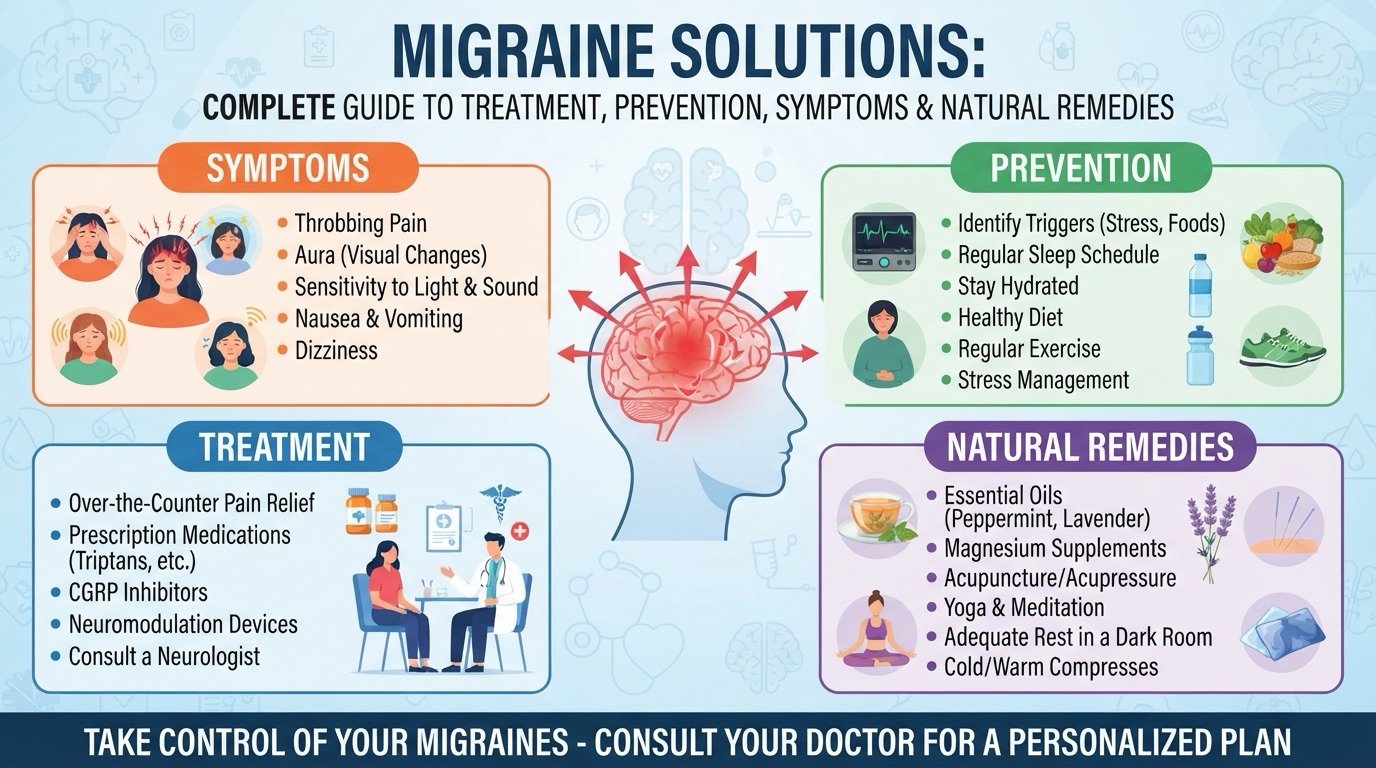
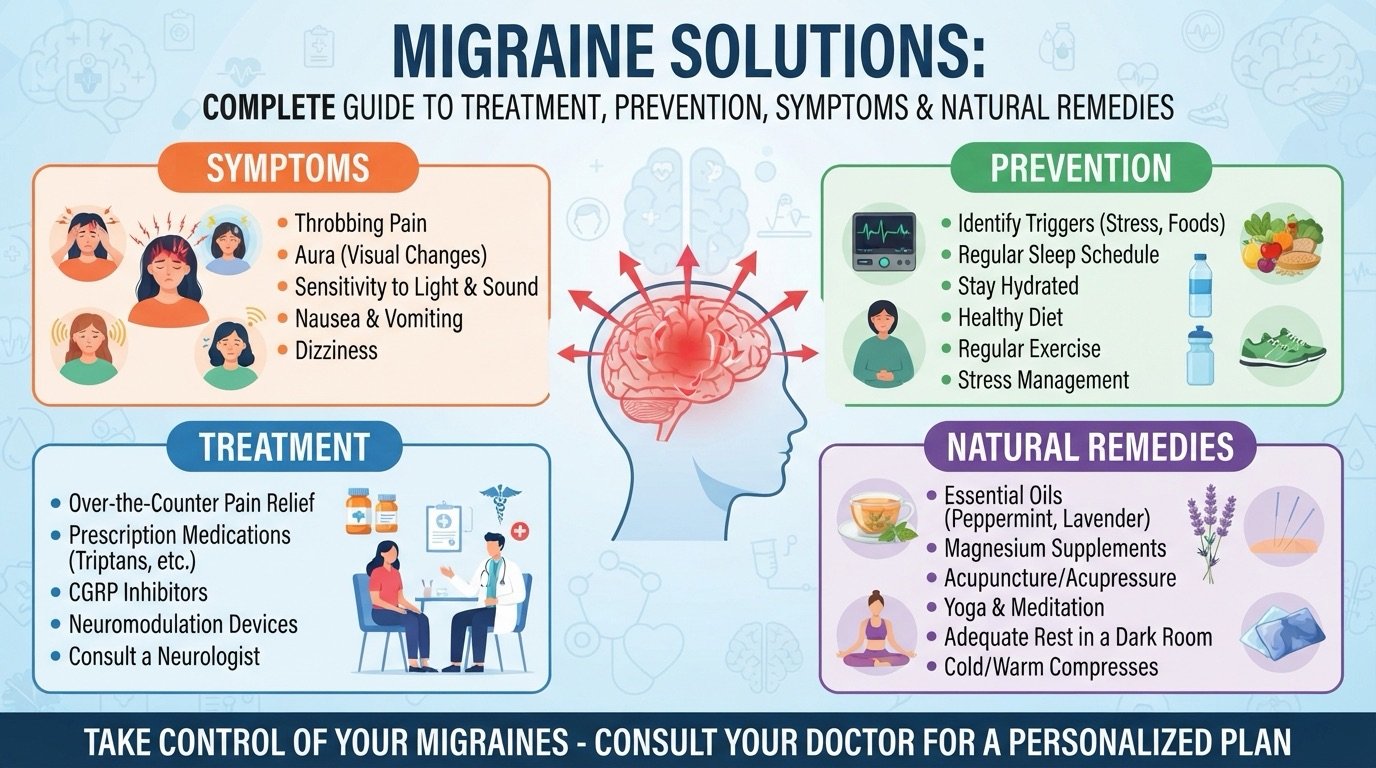
A migraine can be much more than an ordinary headache. It may cause intense or throbbing head pain, nausea, vomiting, sensitivity to light and sound, dizziness, fatigue, and sometimes visual or sensory disturbances.
For people who experience recurring migraine attacks, finding effective migraine solutions can make a major difference in everyday life.
Fortunately, migraine can often be managed with the right combination of treatment, lifestyle changes, trigger management, and preventive strategies. There is no single solution that works for everyone, so treatment should be personalized with guidance from a healthcare professional.
This comprehensive guide explains how to manage migraine, how to get migraine relief, migraine treatment options, natural migraine remedies, prevention strategies, common triggers, and when to seek medical attention.
Medical disclaimer: This article provides general educational information and is not a substitute for professional medical advice, diagnosis, or treatment. Medication is not suitable for everyone. Speak with a doctor or pharmacist before starting or changing treatment.
What Is a Migraine?
A migraine is a neurological condition that causes recurring attacks involving headache and other symptoms.
Migraine pain can be moderate or severe and may feel throbbing or pulsating. Some people experience pain on one side of the head, while others experience pain on both sides.
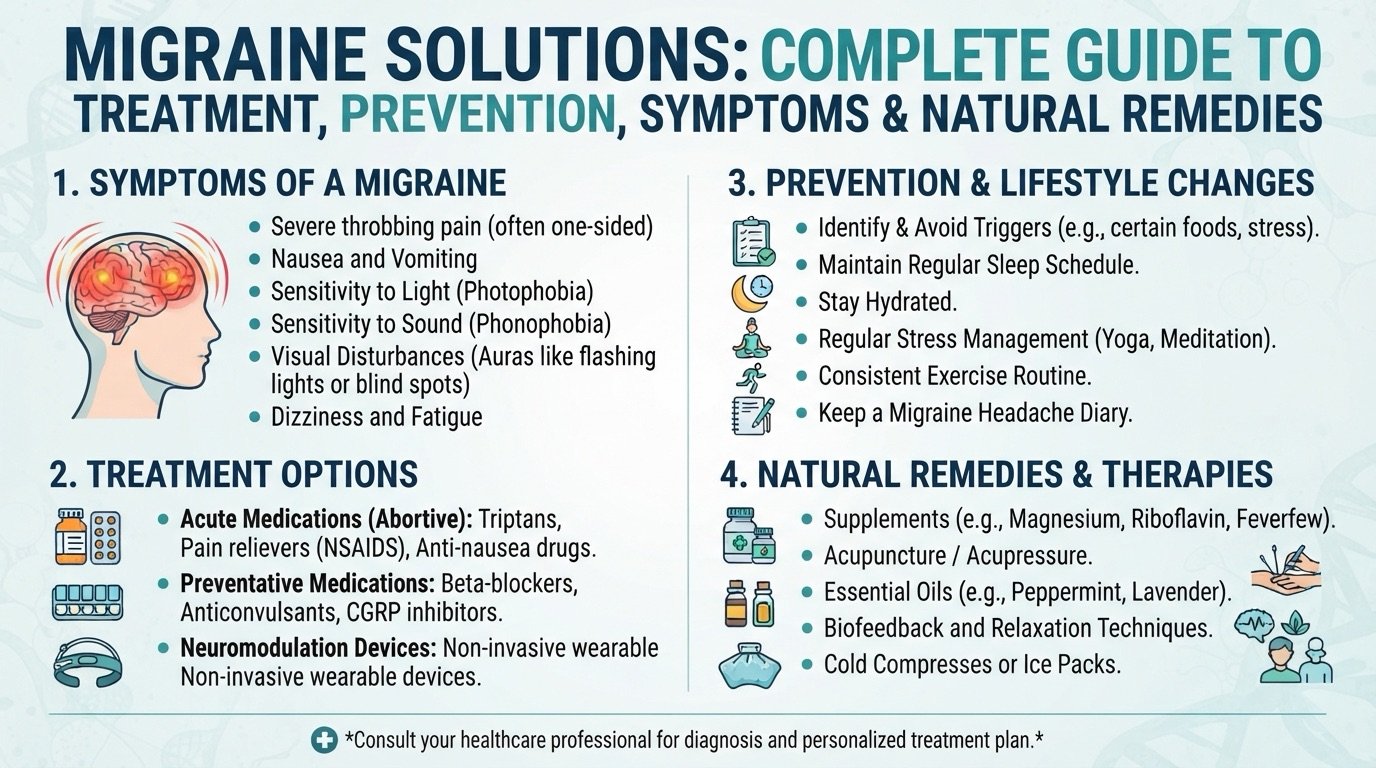
Common migraine symptoms include:
- Throbbing headache
- Nausea
- Vomiting
- Sensitivity to light
- Sensitivity to sound
- Sensitivity to smells
- Fatigue
- Dizziness
- Difficulty concentrating
- Visual disturbances
- Tingling or numbness
- Temporary speech difficulties in some cases
Some people experience migraine with aura. Aura can cause visual changes such as flashing lights, zigzag patterns, blind spots, or other sensory and speech symptoms before or during an attack.
Because many different medical conditions can cause headaches, recurring or unexplained headaches should be evaluated by a healthcare professional.
What Causes Migraine?
There is no single cause of migraine.
Genetics, brain activity, hormones, stress, sleep patterns, environmental factors, and other factors can contribute to migraine.
Certain triggers may increase the likelihood of an attack in susceptible people.
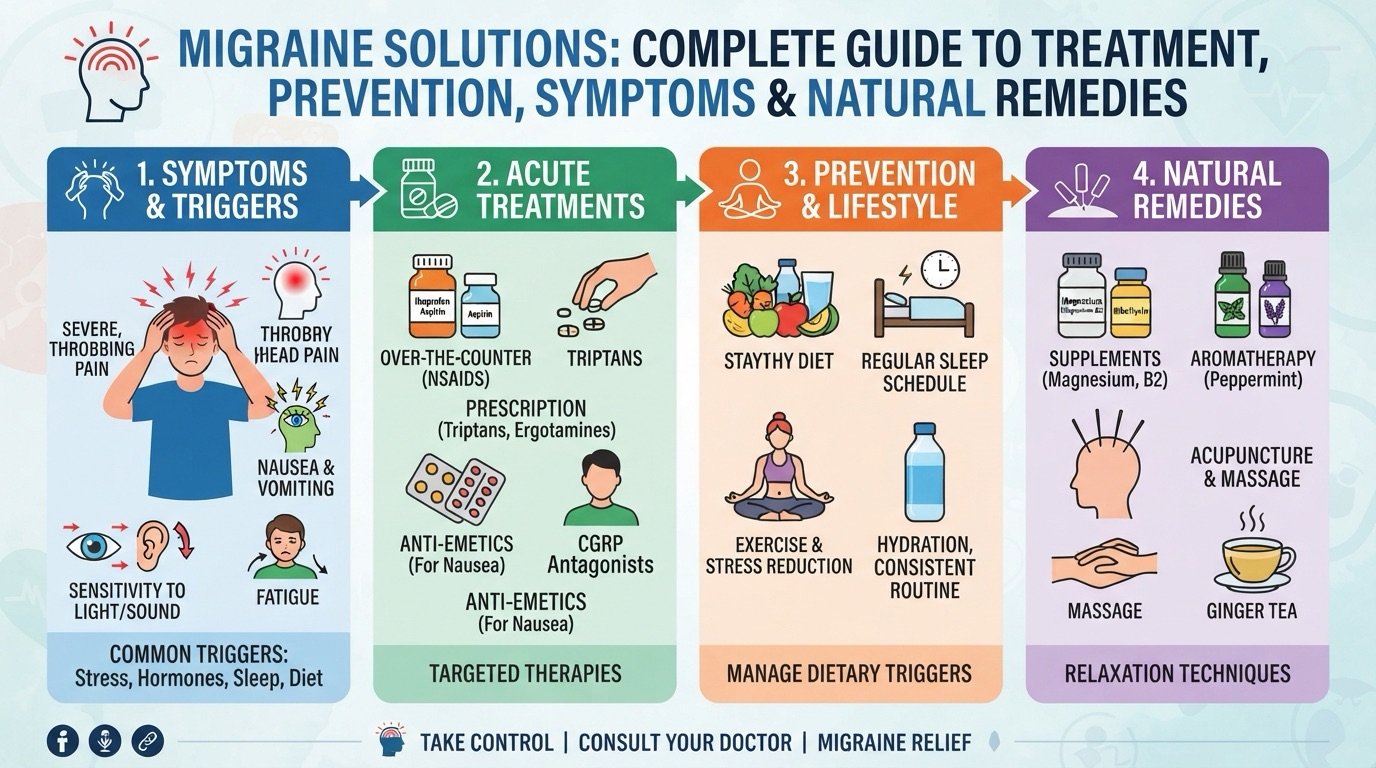
Common migraine triggers include:
Stress
Emotional stress is a common migraine trigger. Work pressure, anxiety, emotional strain, or sudden changes in stress levels may contribute to attacks.
Lack of Sleep
Too little sleep, irregular sleep schedules, or major changes in sleeping patterns may trigger migraine.
Skipping Meals
Going for long periods without eating may contribute to headaches in some people.
Dehydration
Not drinking enough fluids can contribute to headaches and may make migraine symptoms worse.
Bright Light
Strong sunlight, flashing lights, or prolonged exposure to bright screens may trigger or worsen symptoms in some people.
Strong Smells
Perfume, smoke, chemicals, and strong food odors may trigger migraine in some individuals.
Hormonal Changes
Hormonal fluctuations can influence migraine, particularly around menstruation for some people.
Certain Foods and Drinks
Some people report food-related migraine triggers. However, triggers are highly individual.
Rather than eliminating large numbers of foods unnecessarily, keeping a migraine diary can help identify consistent patterns.
How to Get Rid of a Migraine Fast
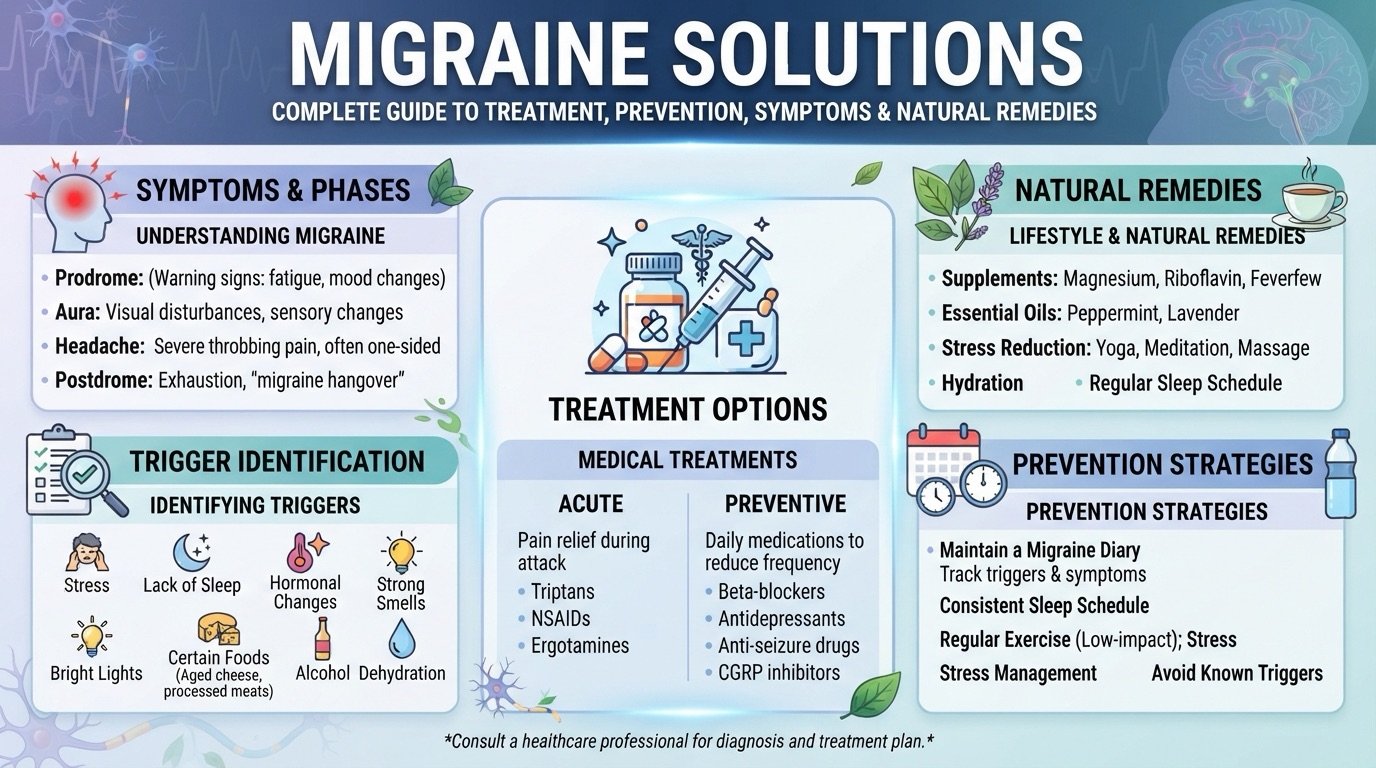
There is no guaranteed instant cure for migraine, but early treatment can sometimes reduce the severity or duration of an attack.
When you recognize that a migraine is starting, consider these steps.
1. Go Somewhere Quiet and Dark
Light and sound can worsen migraine symptoms.
If possible, move to a quiet, dark room and reduce exposure to bright lights and loud sounds.
Turn down screen brightness, close curtains, and reduce unnecessary noise.
2. Drink Water
Sip water regularly, especially if you have not been drinking enough.
If vomiting prevents you from keeping fluids down, seek medical advice because dehydration can become serious.
3. Use a Cool Compress
A cool cloth or appropriately wrapped cold pack placed on the forehead may provide temporary comfort for some people.
Never place ice directly against the skin for prolonged periods.
4. Rest
Stop strenuous activities and allow yourself to rest.
Some people find that sleeping helps during an attack, although maintaining a regular sleep schedule is also important for long-term prevention.
5. Follow Your Treatment Plan
If a doctor has prescribed medication specifically for your migraine, follow the instructions provided.
Acute migraine medicines often work best when used early in an attack, depending on the medicine.
Migraine Treatment Options
Migraine treatment generally has two main goals:
- Treat the current attack.
- Prevent future attacks.
Treatment can include medication, lifestyle changes, behavioral approaches, and preventive therapies.
The appropriate treatment depends on factors such as migraine frequency, severity, symptoms, other medical conditions, and previous treatment response.
Over-the-Counter Migraine Medicines
For some people with occasional migraine, over-the-counter pain relievers may provide relief.
These can include:
- Ibuprofen
- Aspirin
- Acetaminophen/paracetamol
However, these medicines are not appropriate for everyone.
Certain pain relievers may be unsuitable for people with specific stomach, kidney, liver, cardiovascular, bleeding, or medication-related conditions.
Always follow the product instructions and ask a pharmacist or doctor if you are uncertain.
Prescription Migraine Medicines
When over-the-counter medicines are insufficient, a healthcare professional may recommend prescription treatment.
Triptans
Triptans are migraine-specific medicines used to treat migraine attacks.
Examples include sumatriptan and other medicines in the same class.
They are not appropriate for everyone, particularly people with certain cardiovascular conditions.
Gepants
Gepants target the CGRP pathway involved in migraine.
Some are used for acute migraine treatment, while others are used for prevention.
Your doctor can determine whether this type of treatment is appropriate for you.
Anti-Nausea Medicines
Some people experience significant nausea or vomiting during migraine.
A doctor may prescribe medication to control nausea and vomiting when appropriate.
Medication-Overuse Headache
One important aspect of migraine treatment is avoiding excessive use of acute headache medicines.
Using headache medicines too frequently can contribute to medication-overuse headache.
This can create a cycle:
Migraine → medication → temporary relief → frequent medication use → more frequent headaches
If you regularly need acute headache medication, talk with a healthcare professional rather than simply taking more.
Frequent attacks may indicate that preventive treatment should be considered.
Preventive Migraine Treatment
If migraine attacks are frequent, severe, disabling, or difficult to control, a healthcare professional may recommend preventive treatment.
Unlike acute treatment, preventive treatment is intended to reduce the likelihood and severity of future attacks.
Possible preventive treatments include:
- Certain blood-pressure medicines
- Certain antidepressants
- Certain anti-seizure medicines
- CGRP-targeting medicines
- Botox for appropriate patients with chronic migraine
- Behavioral therapy
- Lifestyle management
Preventive treatment is individualized.
Some treatments are taken daily, while some newer therapies are administered at longer intervals.
Your doctor can determine which option is appropriate based on your health history.
Natural Migraine Remedies
Many people search for natural migraine remedies.
Some non-drug approaches may help certain people, especially when combined with medical treatment.
However, natural remedies are not guaranteed cures.
Cold Compress
A cold compress may provide temporary comfort during an attack.
Relaxation
Deep breathing, meditation, progressive muscle relaxation, and other relaxation techniques may help reduce stress.
Regular Exercise
Moderate physical activity may help some people reduce migraine frequency.
Walking, swimming, cycling, and other manageable activities can be useful.
Start gradually because sudden intense exercise can trigger headaches in some people.
Hydration
Maintaining adequate hydration is a simple part of a healthy migraine-management routine.
Consistent Sleep
Regular sleep and wake times may help reduce migraine triggers associated with sleep disruption.
Magnesium for Migraine
Magnesium has been studied as a possible migraine-prevention supplement.
Some people may benefit from magnesium, but supplements are not appropriate for everyone.
High doses can cause side effects, particularly digestive problems, and supplements may interact with certain medical conditions or medicines.
Talk to a healthcare professional before using magnesium regularly for migraine prevention.
Riboflavin and Migraine
Riboflavin, also known as vitamin B2, has also been studied for migraine prevention.
Some research suggests that high-dose riboflavin may reduce migraine frequency or severity in certain people.
However, supplementation should be discussed with a healthcare professional before use.
Do not assume that taking more vitamins will provide better migraine protection.
How to Prevent Migraine Attacks
Long-term migraine management often focuses on reducing potential triggers and maintaining consistent routines.
Follow the “SEEDS” Approach
A useful framework for migraine lifestyle management is:
S — Sleep
Maintain regular sleep and wake times.
E — Exercise
Engage in regular, appropriate physical activity.
E — Eat
Eat regular, balanced meals and avoid routinely skipping meals.
D — Diary
Keep a migraine diary to identify patterns.
S — Stress
Use healthy stress-management techniques.
This type of structured routine can make migraine management easier.
Keep a Migraine Diary
A migraine diary can help identify personal triggers and determine whether treatment is working.
Record:
- Date
- Time the migraine started
- Duration
- Pain intensity
- Location of pain
- Nausea
- Vomiting
- Aura
- Sleep
- Meals
- Fluid intake
- Stress
- Exercise
- Menstrual cycle, when relevant
- Medicines taken
- Response to treatment
- Possible triggers
After several weeks, you may notice patterns.
For example, migraines may repeatedly occur after poor sleep combined with skipped meals and high stress.
A diary can also provide useful information for your doctor.
Migraine and Stress
Stress does not mean migraine is “all in your head.”
Migraine is a real neurological condition.
However, stress can influence migraine frequency or severity in some people.
Stress-management techniques may include:
- Meditation
- Slow breathing
- Yoga
- Progressive muscle relaxation
- Exercise
- Adequate sleep
- Relaxing hobbies
- Counseling when appropriate
The goal is not to eliminate all stress, which is unrealistic, but to develop healthier ways of responding to it.
Migraine and Diet
There is no universal migraine diet.
A food that triggers migraine in one person may have no effect on another.
Instead of following restrictive diets, focus on:
- Regular meals
- Adequate hydration
- Balanced nutrition
- Consistent eating patterns
- Tracking possible food triggers
If you repeatedly notice the same food or drink before migraine attacks, discuss the pattern with a healthcare professional.
Avoid eliminating multiple food groups without a good reason.
Migraine and Caffeine
Caffeine can have complicated effects on migraine.
For some people, caffeine may temporarily help headache symptoms or improve the effect of certain medicines.
However, frequent or excessive caffeine consumption can contribute to headaches, and sudden caffeine withdrawal may also trigger headaches.
If you consume caffeine regularly, maintaining a consistent amount may be preferable to repeatedly switching between high and low intake.
Migraine and Screen Time
Screens may worsen migraine symptoms for some people because of bright light, prolonged visual concentration, glare, or associated neck and shoulder tension.
Try:
- Reducing screen brightness
- Taking regular breaks
- Avoiding extreme brightness differences
- Adjusting your screen position
- Maintaining comfortable posture
- Using appropriate room lighting
If screen exposure repeatedly triggers headaches, record it in your migraine diary.
Migraine During Work
Migraine can significantly interfere with productivity.
If attacks occur at work, prepare a migraine-management plan.
You might keep:
- Your prescribed medication
- A bottle of water
- A snack
- Sunglasses if bright light is problematic
- Access to a quiet place where you can rest
Recognizing your early symptoms can allow you to begin your treatment plan before the attack becomes severe.
When to See a Doctor for Migraine
Speak with a healthcare professional if:
- Migraines are becoming more frequent
- Headaches are becoming more severe
- Your normal headache pattern changes
- Headaches interfere with work or daily activities
- Your current treatment is no longer effective
- You frequently need pain medication
- You experience new neurological symptoms
- You are uncertain whether your headaches are migraine
A doctor can determine whether your symptoms are consistent with migraine and whether another condition needs to be investigated.
Migraine Red Flags: When to Seek Emergency Help
Most migraine attacks are not emergencies.
However, seek urgent medical attention if you experience a headache that:
- Appears suddenly and becomes extremely severe very quickly
- Is the worst or most unusual headache you have experienced
- Occurs after a serious head injury
- Is accompanied by new weakness or paralysis
- Causes new speech problems
- Causes significant new vision problems
- Causes confusion
- Is accompanied by a seizure
- Occurs with fever and a stiff neck
- Is dramatically different from your usual migraine
A sudden, extremely severe headache can be a warning sign of a serious medical problem.
Do not assume that every severe headache is a migraine.
Migraine During Pregnancy
Pregnancy can change migraine patterns.
Some migraine medications are not appropriate during pregnancy, and some preventive medicines may carry risks.
If you are pregnant, planning pregnancy, or breastfeeding, speak with your doctor before starting, stopping, or changing migraine medication.
Never assume that an over-the-counter or “natural” remedy is automatically safe during pregnancy.
Frequently Asked Questions About Migraine
What is the fastest way to relieve a migraine?
There is no guaranteed instant cure. Early use of an appropriate migraine treatment, resting in a quiet dark environment, staying hydrated, and reducing sensory stimulation may help.
How can I stop a migraine naturally?
Rest, hydration, a cool compress, relaxation techniques, regular sleep, and identifying personal triggers may help. Persistent or severe migraine should be discussed with a healthcare professional.
What is the best medicine for migraine?
There is no single best medicine for everyone. Treatment depends on migraine severity, frequency, medical history, other medications, and individual response.
Can drinking water stop a migraine?
If dehydration contributes to your headache, drinking fluids may help. However, water is not a guaranteed treatment for migraine.
Can lack of sleep cause migraine?
Sleep disruption can trigger migraine in some people. Maintaining a consistent sleep schedule may help reduce attacks.
Can stress cause migraine?
Stress is a commonly reported migraine trigger. Managing stress may help some people reduce migraine frequency.
Is migraine curable?
There is currently no universal permanent cure, but migraine can often be effectively managed with individualized treatment and preventive strategies.
How often should I take migraine medicine?
This depends on the specific medication. Taking acute headache medicine too frequently can contribute to medication-overuse headache. Follow medical or package instructions and speak with a healthcare professional if you frequently need medication.
10 Practical Migraine Prevention Tips
Here are ten simple strategies that may help with migraine management:
- Maintain a regular sleep schedule.
- Do not routinely skip meals.
- Stay adequately hydrated.
- Exercise regularly and gradually.
- Manage stress with healthy relaxation techniques.
- Track headaches in a migraine diary.
- Identify your personal triggers rather than avoiding everything.
- Limit excessive or inconsistent caffeine intake.
- Follow your prescribed treatment plan.
- Seek medical advice when headaches become frequent, severe, or unusual.
Final Thoughts: Finding the Right Migraine Solution
Finding an effective migraine solution usually requires more than taking a painkiller.
The best approach is often a combination of:
Early treatment + prevention + healthy routines + trigger management + professional medical guidance.
When a migraine begins, reduce light and noise, rest, drink fluids if tolerated, use a cool compress if helpful, and follow your recommended treatment plan.
For long-term prevention, focus on consistent sleep, regular meals, hydration, physical activity, stress management, and headache tracking.
If migraines are frequent or disabling, ask a healthcare professional about preventive treatment. Modern migraine care includes several options beyond traditional painkillers.
Most importantly, do not ignore a sudden, extremely severe, or unusual headache, especially when it occurs with neurological symptoms such as weakness, confusion, speech difficulty, or major vision changes.
The goal of migraine treatment is not simply to endure attacks. It is to reduce their frequency, severity, and impact on your everyday life.