
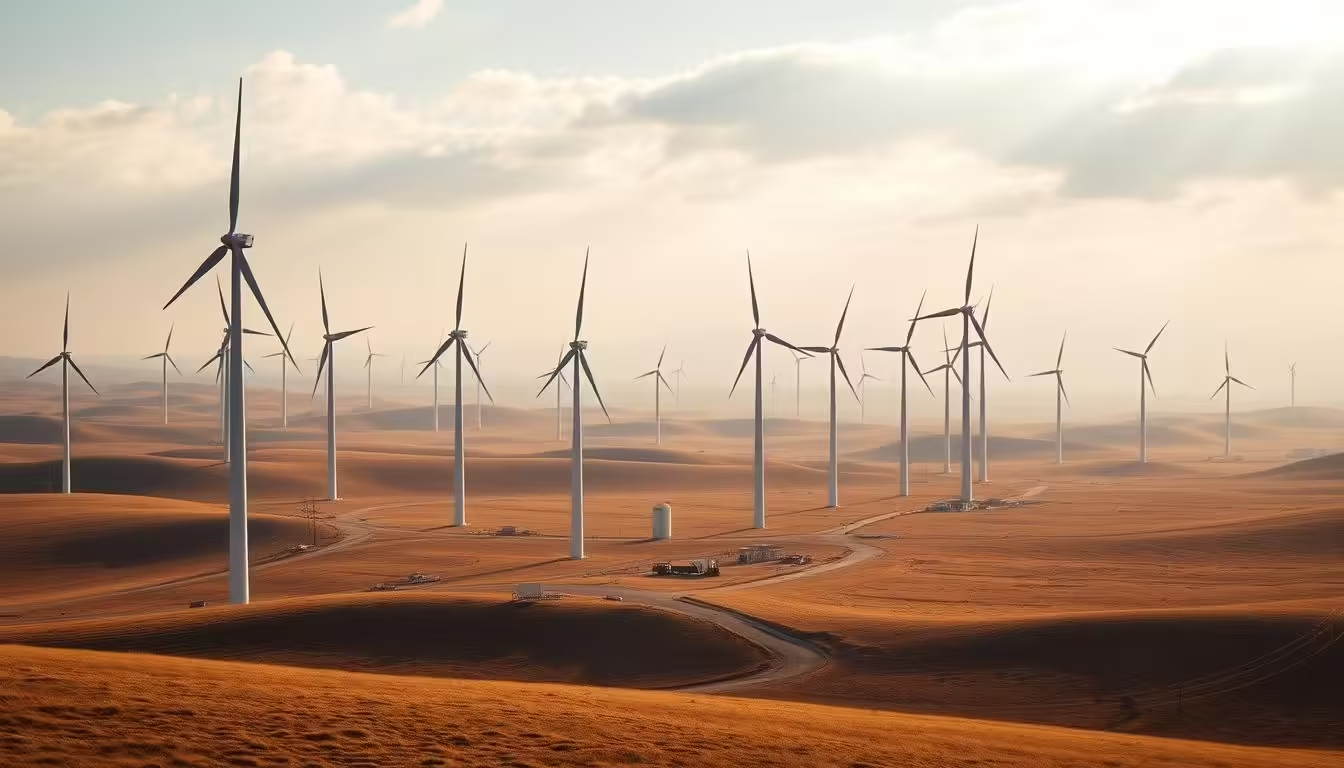
Wind farms are revolutionizing the way we harness renewable energy by utilizing real-time wind data to optimize turbine positioning. This innovative approach significantly enhances the efficiency of wind energy production.
By leveraging real-time data, wind farms can adjust turbine angles to capture the maximum amount of wind energy. This not only boosts energy output but also contributes to a more sustainable future.
Key Takeaways
- Wind farms use real-time wind data to optimize turbine positioning.
- This approach enhances the overall efficiency of wind energy production.
- Real-time data allows for adjustments to be made to turbine angles.
- The use of real-time data contributes to a more sustainable future.
- Wind energy production becomes more efficient and reliable.
The Evolution of Wind Energy Technology
From ancient windmills to modern turbines, wind energy technology has come a long way. The journey of wind energy from traditional windmills to sophisticated modern turbines has been marked by significant technological advancements.
From Traditional Windmills to Modern Turbines
Traditional windmills were used for centuries to perform mechanical tasks such as grinding grain and pumping water. The transition to modern wind turbines began in the late 20th century, with a focus on generating electricity. Modern turbines are designed to be more efficient and reliable, with improvements in materials and design allowing them to capture more wind energy.
Key Technological Advancements in Wind Energy
The development of wind energy technology has been driven by advancements in two key areas: turbine design and control systems.
Turbine Design Improvements
Modern turbine designs have improved significantly, with larger rotors and taller towers enabling them to capture more wind energy. The table below highlights some key improvements in turbine design.
| Design Feature | Traditional | Modern |
|---|---|---|
| Rotor Diameter | 10-20 meters | 100-150 meters |
| Tower Height | 20-30 meters | 80-100 meters |
| Material | Wood, Steel | Advanced Composites |
Control System Development
Advanced control systems have been developed to optimize turbine performance. These systems use real-time data to adjust turbine settings, maximizing energy production.
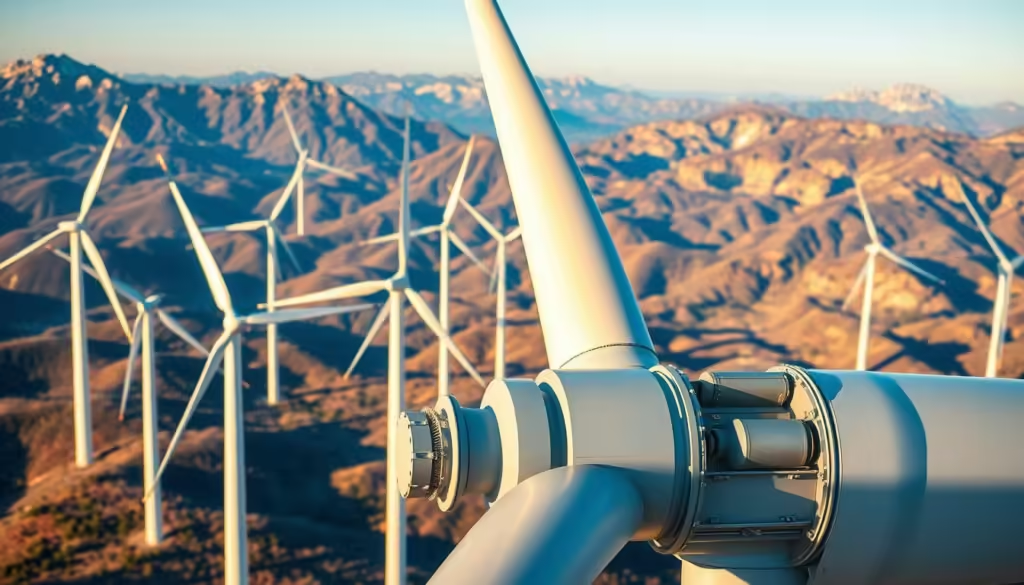
By integrating advanced control systems, wind turbines can operate more efficiently and respond to changing wind conditions.
Understanding Wind Farm Efficiency Challenges
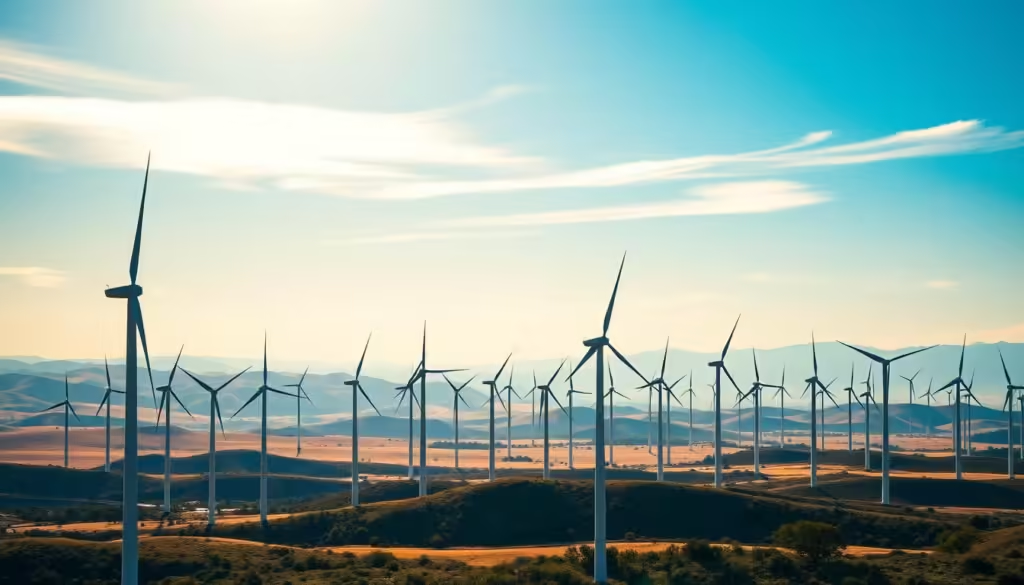
Maximizing wind farm efficiency requires a deep understanding of the challenges posed by wind variability and turbine interactions. Wind farms operate in a complex and dynamic environment, where wind speeds and directions are constantly changing.
Wind Variability and Unpredictability
One of the primary challenges facing wind farms is the variability and unpredictability of wind. As wind speeds and directions change, turbines must adjust to optimize energy production. According to industry experts, “the ability to predict wind patterns accurately is crucial for maximizing wind farm efficiency.”
“Accurate wind forecasting allows wind farm operators to make informed decisions about turbine operation and maintenance, thereby reducing energy loss and increasing overall efficiency.”
Turbine Positioning and Wake Effect
The positioning of turbines within a wind farm is critical, as it affects the wake effect – a phenomenon where the rotation of one turbine creates turbulence that can impact the performance of nearby turbines. Optimizing turbine placement is essential to minimize the wake effect and maximize energy production.
- Turbine spacing and layout play a crucial role in reducing the wake effect.
- Advanced computational models and simulations are used to optimize turbine positioning.
- Real-time data on wind conditions helps in adjusting turbine angles for maximum efficiency.
Energy Loss Factors
Energy loss in wind farms can occur due to various factors, including the wake effect, turbine downtime, and electrical losses. Understanding these factors is vital for implementing strategies to mitigate energy loss and enhance overall wind farm efficiency.
By addressing these challenges and leveraging advanced technologies, wind farm operators can significantly improve efficiency and contribute to a more sustainable energy future.
The Role of Real-Time Data in Wind Farm Operations
Wind farms rely heavily on real-time data to adjust turbine positions and maximize energy production. The integration of real-time data into wind farm operations has become a cornerstone of efficiency and productivity.
Types of Wind Data Collected
Wind farms collect various types of data to optimize their operations. This includes metrics on wind speed and direction, as well as atmospheric condition parameters.
Wind Speed and Direction Metrics
Accurate measurements of wind speed and direction are crucial for optimizing turbine performance. Advanced sensors are used to capture these metrics in real-time, enabling precise adjustments to turbine positions.
Atmospheric Condition Parameters
Atmospheric conditions such as temperature, humidity, and air pressure also play a significant role in wind farm operations. Monitoring these parameters helps in predicting and responding to changes in wind patterns.
Sensors and Monitoring Equipment
The collection of real-time data is made possible through the use of advanced sensors and monitoring equipment. These devices are strategically placed throughout the wind farm to capture a comprehensive dataset.
Data Transmission and Processing Systems
Once the data is collected, it is transmitted to a central processing system where it is analyzed and used to make informed decisions. Advanced data processing algorithms help in identifying patterns and predicting future wind conditions, enabling proactive adjustments to turbine operations.
The use of real-time data in wind farm operations not only enhances efficiency but also contributes to the overall sustainability of green tech initiatives. By maximizing energy production and minimizing downtime, wind farms can significantly reduce their environmental impact.
Advanced Weather Forecasting for Wind Farms
Wind farms are increasingly relying on advanced weather forecasting to maximize their energy output. By leveraging sophisticated meteorological models, wind farms can predict wind patterns more accurately, thereby optimizing turbine positioning and energy production.
Meteorological Models for Wind Prediction
Advanced meteorological models play a crucial role in predicting wind patterns. These models use complex algorithms to analyze various atmospheric conditions, providing detailed forecasts that help wind farm operators make informed decisions.
- High-resolution models that provide detailed wind forecasts
- Ensemble forecasting that combines multiple models for improved accuracy
- Nowcasting that offers real-time wind condition updates
Integration with Farm Management Systems
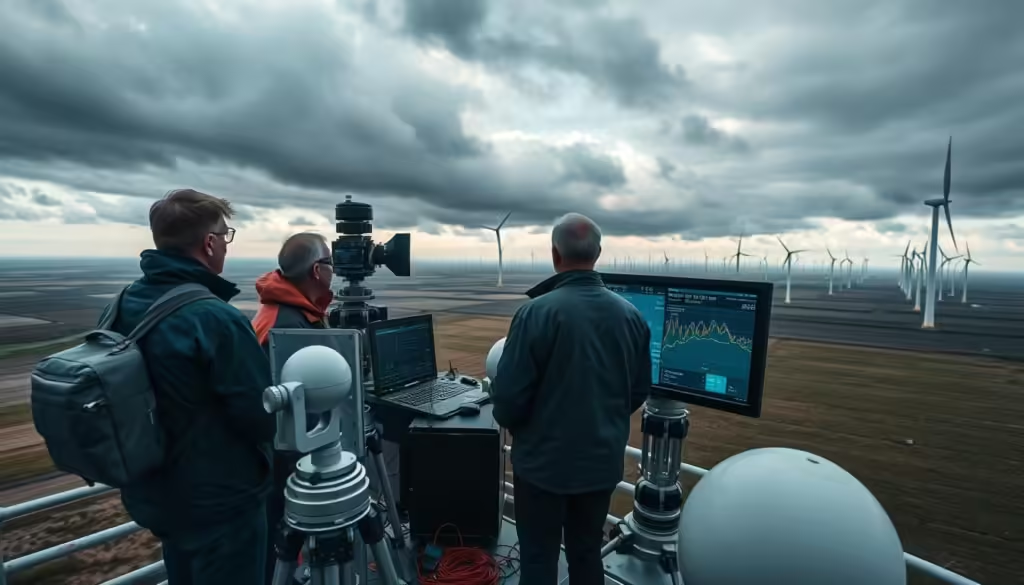
The integration of weather forecasting with farm management systems is key to optimizing wind farm operations. This integration enables real-time adjustments to turbine settings, maximizing energy capture while minimizing wear and tear on equipment.
Predictive Analytics Applications
Predictive analytics is being increasingly used in wind farms to enhance operational efficiency. By analyzing historical and real-time data, predictive models can forecast potential issues, optimize maintenance schedules, and improve overall energy production.
Predictive maintenance is a significant application, allowing operators to address potential turbine issues before they become major problems, thus reducing downtime and increasing overall efficiency.
How Dynamic Turbine Positioning Works
Modern wind energy technology has evolved to include sophisticated systems for dynamic turbine positioning. This advancement is crucial for maximizing energy production in wind farms.
Yaw and Pitch Control Mechanisms
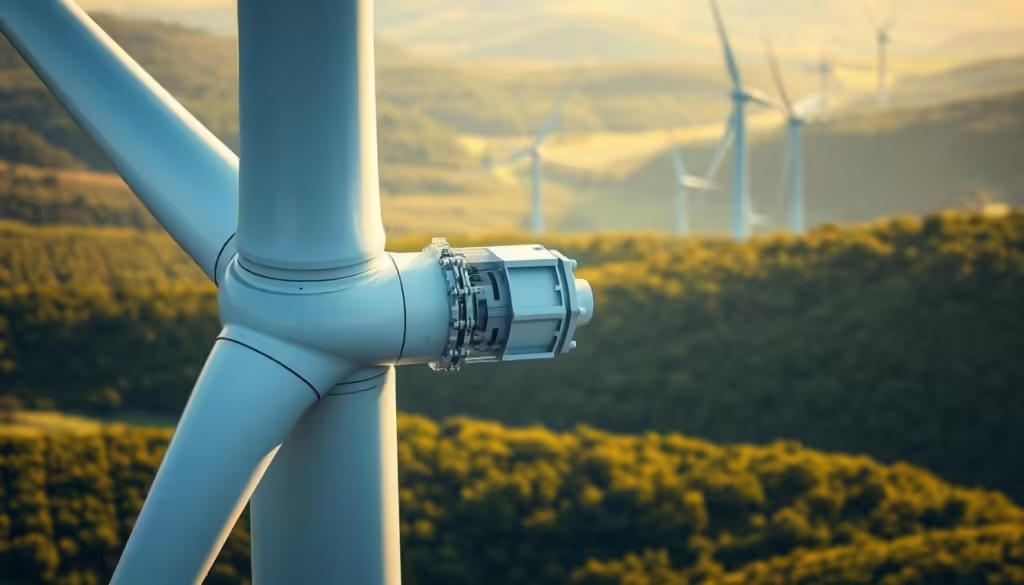
Dynamic turbine positioning relies heavily on precise yaw and pitch control mechanisms. Yaw control allows turbines to face the wind direction, while pitch control adjusts the angle of the blades to optimize energy capture. “The precision in yaw and pitch control is what sets modern wind turbines apart from their predecessors,” says an industry expert.
Automated Adjustment Algorithms
Advanced automated adjustment algorithms play a vital role in dynamic turbine positioning. These algorithms process real-time data to determine the optimal position and angle for the turbines, ensuring maximum efficiency.
Real-Time Response to Changing Conditions
The ability to respond in real-time to changing wind conditions is a hallmark of modern wind farms. This is achieved through a combination of sensors, data processing systems, and real-time response mechanisms.
Response Time Optimization
Optimizing response time is critical for maximizing energy production. Turbines must adjust quickly to changes in wind direction and speed.
Coordination Between Multiple Turbines
Coordination between multiple turbines is essential for overall wind farm efficiency. By optimizing the positioning of each turbine, wind farms can reduce wake effects and increase overall energy output.
“The future of wind energy lies in its ability to adapt and respond to changing conditions in real-time,” notes a leading renewable energy researcher.
Wind Farms and Sustainability: Maximizing Green Tech Potential
Maximizing the efficiency of wind farms is essential for unlocking their full green tech potential. As the world continues to transition towards renewable energy sources, the role of wind farms in sustainability efforts becomes increasingly significant.
Environmental Benefits of Optimized Wind Farms
Optimized wind farms offer numerous environmental benefits, including reduced greenhouse gas emissions and lower environmental impact compared to traditional energy sources. By maximizing energy production through advanced technologies and real-time data analysis, wind farms can significantly contribute to a cleaner environment.
Reducing Carbon Footprint Through Efficiency
Improving the efficiency of wind farms directly correlates with a reduction in carbon footprint. By optimizing turbine positioning and leveraging real-time wind data, wind farms can produce more energy while minimizing waste. This efficiency is crucial in the global effort to combat climate change.
Integration with Other Renewable Energy Sources
Wind energy can be effectively integrated with other renewable energy sources, such as solar and hydroelectric power, to create a more resilient and sustainable energy grid. This diversification is key to reducing reliance on fossil fuels and achieving sustainability goals.
| Renewable Energy Source | Environmental Benefit | Integration Potential |
|---|---|---|
| Wind Energy | Reduced greenhouse gas emissions | High |
| Solar Energy | Lowers carbon footprint | High |
| Hydroelectric Power | Renewable and sustainable | Medium |

By embracing advanced technologies and integrating wind energy with other renewable sources, we can maximize the green tech potential of wind farms and move closer to a sustainable future.
Earth's Climate Change Mitigation Through Efficient Wind Energy
As the world grapples with the challenges of climate change, efficient wind energy stands out as a crucial component in the global effort to reduce greenhouse gas emissions. The role of wind power in this endeavor cannot be overstated.
Wind Power's Role in Reducing Greenhouse Gas Emissions
Wind power is a clean and renewable source of energy that produces no greenhouse gas emissions during operation. By harnessing wind energy, we can significantly reduce our reliance on fossil fuels, thereby decreasing the amount of carbon dioxide and other harmful gases released into the atmosphere.
Scaling Wind Energy to Meet Climate Goals
To effectively combat climate change, it’s essential to scale up wind energy production. This involves not only installing more wind turbines but also improving the efficiency of existing ones through advanced technologies and real-time data analysis.
Policy Support for Wind Technology Advancement
Policy support is critical for the advancement of wind technology. Governments can incentivize the development and implementation of wind energy projects through subsidies, tax credits, and other forms of support, helping to drive the transition to a cleaner, more sustainable energy mix.
By combining efficient wind energy with supportive policies, we can make significant strides in mitigating climate change and creating a more sustainable environment for future generations.
Case Studies: Successful Implementation of Data-Driven Wind Farms
Real-time data utilization has significantly enhanced wind farm efficiency, as demonstrated by numerous successful case studies globally. The integration of advanced data analytics and real-time monitoring has enabled wind farms to optimize their operations, leading to increased energy production and reduced maintenance costs.
North American Success Stories
The adoption of data-driven technologies has been particularly successful in North America, with several wind farms in the Midwest and coastal regions achieving significant efficiency improvements.
Midwest Wind Farm Optimization
A notable example is the Prairie Wind Farm in the Midwest, which implemented a real-time data monitoring system to optimize turbine performance. This resulted in a 12% increase in energy production within the first year.
Coastal Wind Energy Projects
Coastal wind energy projects, such as the Atlantic Offshore Wind Farm, have also benefited from data-driven approaches. By leveraging advanced weather forecasting and real-time data analytics, these projects have achieved higher capacity factors and reduced operational costs.
Global Leaders in Wind Farm Optimization
Globally, countries like Denmark and Germany are leading the way in wind farm optimization through the use of advanced data analytics and real-time monitoring. These countries have implemented innovative technologies to enhance wind farm performance, serving as models for other regions.
Measurable Efficiency Improvements
| Wind Farm | Location | Efficiency Improvement |
|---|---|---|
| Prairie Wind Farm | Midwest, USA | 12% |
| Atlantic Offshore Wind Farm | Coastal, USA | 15% |
| Ørsted Wind Farm | Denmark | 10% |
The table above illustrates the measurable efficiency improvements achieved by various wind farms through the adoption of data-driven technologies. As the industry continues to evolve, we can expect to see even more innovative applications of real-time data and advanced analytics in wind energy production.
Economic Impact of Increased Wind Farm Efficiency
Optimizing wind farm efficiency not only contributes to sustainability but also has substantial economic benefits. As the world shifts towards renewable energy sources, the economic implications of wind farm efficiency become increasingly significant.
Cost Savings and ROI
Increased efficiency in wind farms leads to significant cost savings. By optimizing turbine positioning and leveraging real-time wind data, wind farms can reduce operational costs and enhance their return on investment (ROI). A study on wind farm efficiency found that even a small increase in efficiency can lead to millions of dollars in savings annually.
| Efficiency Improvement | Annual Cost Savings | ROI Enhancement |
|---|---|---|
| 1% | $1.2 million | 5% |
| 2% | $2.5 million | 10% |
| 3% | $3.7 million | 15% |
Market Competitiveness of Wind Energy
Enhanced efficiency also boosts the market competitiveness of wind energy. As wind farms become more efficient, they can offer electricity at more competitive rates, making wind energy a more viable option for both consumers and investors.
Job Creation in Advanced Wind Technology
The advancement in wind technology, driven by the need for increased efficiency, is creating new job opportunities. From data analysts to turbine engineers, the sector is witnessing a surge in employment opportunities, contributing to local economies.
In conclusion, the economic impact of increased wind farm efficiency is multifaceted, influencing cost savings, market competitiveness, and job creation. As the world continues to invest in renewable energy, the benefits of optimizing wind farm efficiency will only continue to grow.
Challenges and Limitations in Real-Time Wind Data Utilization
While real-time wind data has revolutionized wind farm operations, several challenges remain. The effective utilization of this data is crucial for maximizing efficiency, but it poses significant technical and infrastructural hurdles.
Technical Hurdles
One of the primary technical challenges is the accuracy and reliability of the data collected. Sensors and monitoring equipment must be highly sophisticated to capture precise wind patterns, and any malfunction can lead to incorrect data interpretation.
The complexity of data processing is another significant hurdle. Advanced algorithms and significant computational power are required to analyze the vast amounts of data generated in real-time.
Infrastructure Requirements
A robust infrastructure is necessary to support the collection, transmission, and processing of real-time wind data. This includes high-speed data transmission networks and powerful processing units.
The cost of establishing and maintaining such infrastructure can be substantial, making it a significant consideration for wind farm operators.
Solutions and Workarounds
To address these challenges, the industry is turning to advanced technologies such as AI and machine learning for more accurate data analysis and predictive modeling.
Additionally, improvements in sensor technology and data transmission protocols are enhancing the reliability and efficiency of real-time data utilization.
Conclusion: The Future of Data-Driven Wind Energy
The future of data-driven wind energy is bright, with technology playing a crucial role in enhancing the efficiency and sustainability of wind farms. By harnessing real-time wind data and advanced weather forecasting, wind energy can become a more reliable and potent force in the global transition to renewable energy sources.
As the world grapples with climate change, the importance of green tech cannot be overstated. Data-driven wind energy is poised to make a significant impact, reducing greenhouse gas emissions and contributing to a cleaner environment on earth.
With continued advancements in technology, the potential for wind energy to meet a larger share of the world’s energy needs is vast. The integration of data-driven approaches will be key to unlocking this potential, driving innovation, and supporting a more sustainable future.
FAQ
How do wind farms use real-time wind data to optimize turbine positioning?
Wind farms utilize real-time wind data to adjust the position of their turbines, ensuring they operate at maximum efficiency. This is achieved through advanced sensors and monitoring equipment that collect data on wind speed, direction, and other atmospheric conditions.
What are the benefits of using real-time data in wind farm operations?
The use of real-time data in wind farm operations enhances efficiency, reduces energy loss, and contributes to a more sustainable future. It allows for dynamic turbine positioning, optimizing energy production and minimizing the wake effect.
How does advanced weather forecasting improve wind farm efficiency?
Advanced weather forecasting techniques, including meteorological models, help predict wind patterns, enabling wind farms to optimize energy production. By integrating these forecasts with farm management systems, wind farms can make informed decisions to maximize efficiency.
What role does data-driven decision-making play in wind farm optimization?
Data-driven decision-making is crucial in wind farm optimization, as it enables operators to make informed decisions based on real-time data and predictive analytics. This approach helps to maximize energy production, reduce costs, and improve overall efficiency.
How do wind farms contribute to a more sustainable future?
Wind farms contribute to a more sustainable future by providing a clean source of renewable energy, reducing greenhouse gas emissions, and minimizing environmental impact. Optimizing wind farm efficiency through real-time data and advanced technologies further enhances their sustainability benefits.
What are the economic benefits of increasing wind farm efficiency?
Increasing wind farm efficiency leads to cost savings, improved return on investment (ROI), and enhanced market competitiveness. It also creates job opportunities in the advanced wind technology sector, contributing to economic growth.
What challenges are associated with the utilization of real-time wind data?
The utilization of real-time wind data presents technical hurdles, infrastructure requirements, and other challenges. However, these can be addressed through innovative solutions and workarounds, ensuring the effective use of real-time data in wind farm operations.
How can policy support advance wind technology?
Policy support plays a crucial role in advancing wind technology by providing incentives, funding, and regulatory frameworks that encourage the development and deployment of efficient wind energy solutions.