Introduction
Human immunodeficiency virus (HIV) is a virus that attacks the immune system, particularly CD4 white blood cells. Without treatment, HIV can progressively weaken the body’s ability to fight infections and certain cancers. The most advanced stage of untreated HIV infection is called AIDS (acquired immunodeficiency syndrome). (World Health Organization)
One of the most important things to understand about HIV is that symptoms alone cannot tell you whether you have HIV. Some people develop flu-like symptoms soon after infection, while others have no noticeable symptoms at all. Later, a person may remain without obvious symptoms for years. The only reliable way to know your HIV status is to take an HIV test. (World Health Organization)
This article explains the common symptoms associated with different stages of HIV infection, what early HIV may feel like, why symptoms can be misleading, and why testing is so important.
What Are the Early Symptoms of HIV?
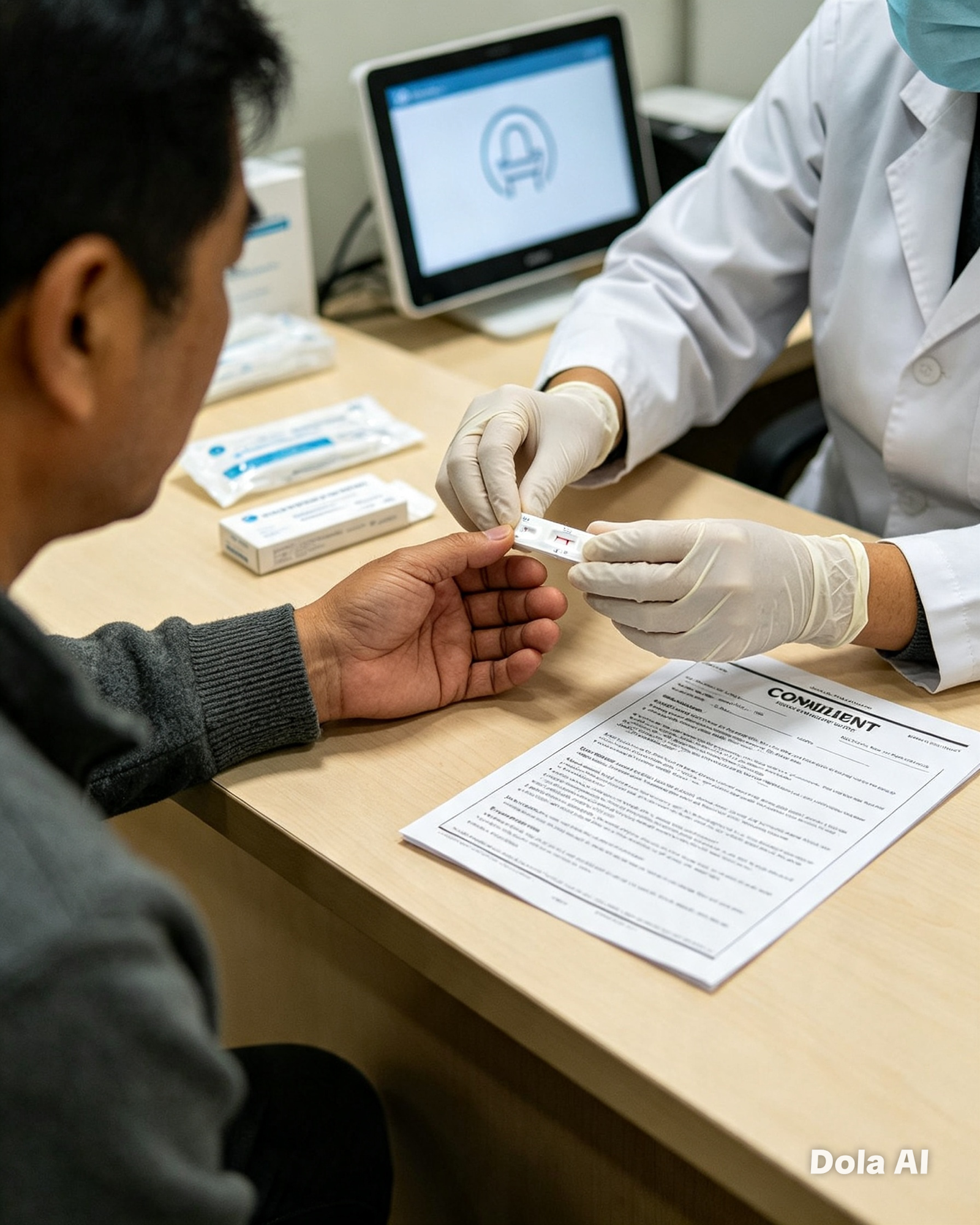
During the earliest stage, called acute HIV infection, the virus begins multiplying rapidly in the body. Some people develop an illness that resembles influenza or another common viral infection. Others have no symptoms.
Possible early symptoms include:
- Fever
- Tiredness or unusual fatigue
- Sore throat
- Headache
- Skin rash
- Swollen lymph nodes
- Muscle or joint aches
- Diarrhoea
- Swollen tonsils
- Night sweats
According to CDC information, acute HIV infection can sometimes begin within days after exposure and commonly lasts around two weeks, although the duration can vary. These symptoms are not specific to HIV and can occur with many other infections. (CDC)
Because the symptoms can look like a cold, flu, COVID-19, mononucleosis, or another infection, it is not possible to diagnose HIV simply by looking at symptoms.
Fever and Fatigue
Fever is one of the symptoms that may occur during acute HIV infection. It can occur together with tiredness, headache, sore throat, muscle aches, or swollen lymph nodes.
Fatigue can also be prominent. However, fatigue and fever are extremely common symptoms with many illnesses, so having them does not mean that someone has HIV.
If flu-like symptoms occur after a possible HIV exposure, testing and medical advice are much more useful than trying to identify HIV based on symptoms alone.
Rash and Skin Changes
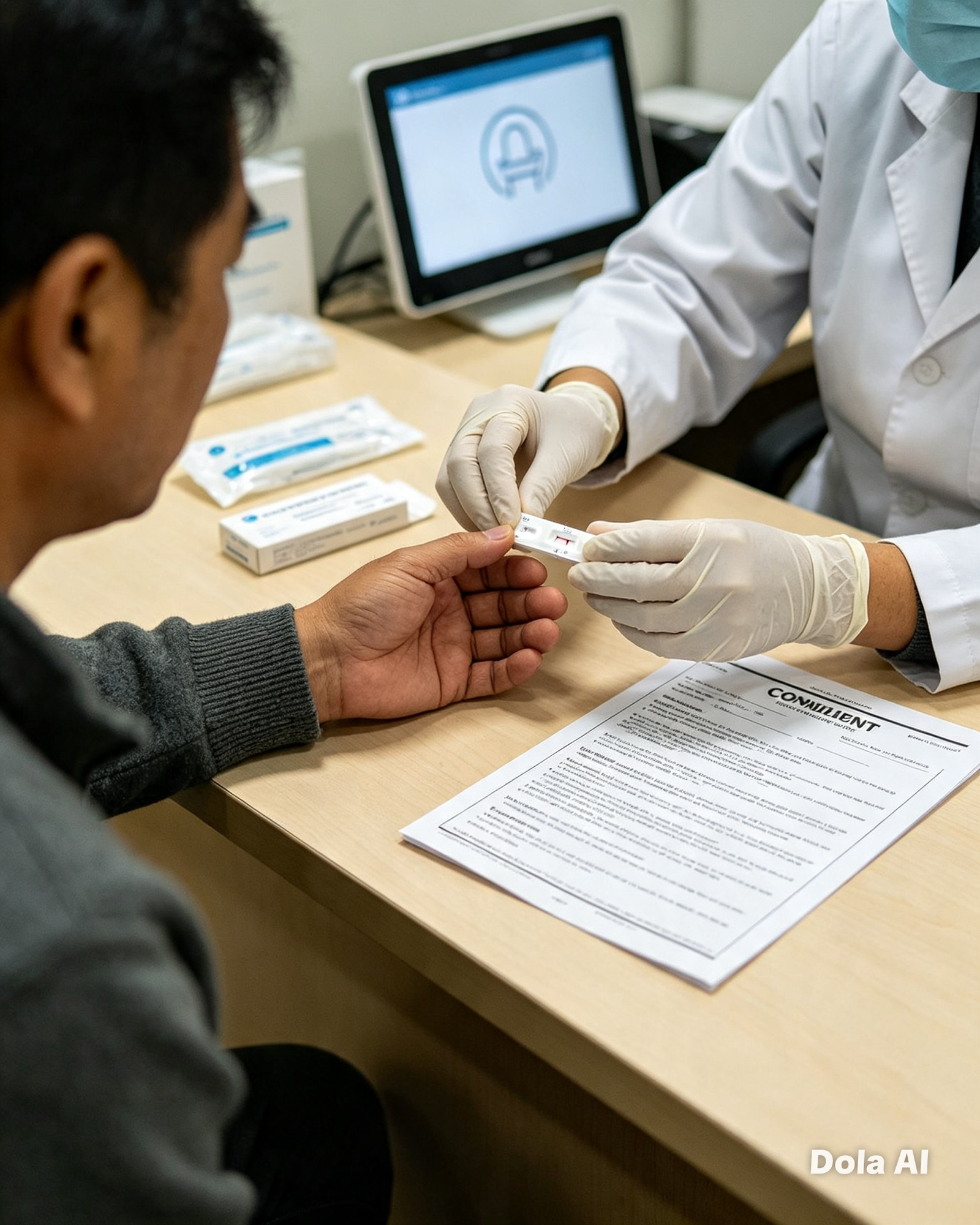
A skin rash can occur during acute HIV infection. The appearance and severity can vary, and a rash can also be caused by allergies, medications, viral infections, skin conditions, or other illnesses.
For this reason, a rash should not be considered proof of HIV.
If a person has a rash together with fever, sore throat, swollen lymph nodes, or other symptoms following a possible exposure, it is appropriate to discuss HIV testing with a healthcare professional.
Swollen Lymph Nodes
Swollen lymph nodes can occur when the immune system responds to an infection. They may appear in areas such as the neck, armpits, or groin.
Swollen lymph nodes are not unique to HIV. Ordinary viral infections and many other medical conditions can cause them.
Therefore, swollen lymph nodes by themselves cannot establish whether someone has HIV.
Sore Throat, Headache, and Muscle Aches
A sore throat, headache, and muscle or joint aches can occur during acute HIV infection. These symptoms may occur together with fever and fatigue.
The difficulty is that the same combination is common in many ordinary illnesses.
This is why it is important not to search for a particular “HIV symptom” and assume that finding it confirms infection. Symptoms can provide a reason to seek medical attention, but testing provides the answer.
Can HIV Cause No Symptoms?
Yes.
Some people experience no obvious symptoms after acquiring HIV. Others may experience mild symptoms that they do not recognize as being related to HIV.
After the initial stage, HIV can enter a period commonly described as chronic or clinical-latency infection. During this period, a person may feel healthy even though HIV remains active in the body. Without treatment, this stage can last for years. (HIV Risk Reduction Tool)
This is one reason HIV testing is important. Feeling healthy does not necessarily mean that a person is HIV-negative.
Symptoms of Untreated HIV in Later Stages
Without effective treatment, HIV can progressively damage the immune system. As the immune system becomes weaker, a person may develop symptoms and illnesses that occur because the body has difficulty fighting infections.
Possible symptoms include:
- Persistent or recurring fever
- Unexplained weight loss
- Persistent diarrhoea
- Swollen lymph nodes
- Persistent cough
- Recurrent or severe infections
- Increased susceptibility to tuberculosis and other infections
WHO notes that advanced untreated HIV can be associated with serious illnesses including tuberculosis, cryptococcal meningitis, severe bacterial infections, lymphomas, and Kaposi’s sarcoma. (World Health Organization)
These conditions require medical assessment. They should not automatically be interpreted as evidence of HIV because many different medical conditions can produce similar symptoms.
Why Symptoms Are Not Enough to Diagnose HIV
There is a common misconception that HIV can be recognized by a specific group of symptoms.
In reality, there is no single symptom that proves HIV infection.
For example:
Fever does not prove HIV.
A rash does not prove HIV.
Night sweats do not prove HIV.
Weight loss does not prove HIV.
Swollen lymph nodes do not prove HIV.
Even having several of these symptoms together does not establish an HIV diagnosis.
Many infections and health conditions produce similar symptoms. Conversely, someone with HIV may have no symptoms at all.
Therefore, if there has been a possible exposure, the appropriate response is HIV testing rather than symptom checking.
How Is HIV Diagnosed?
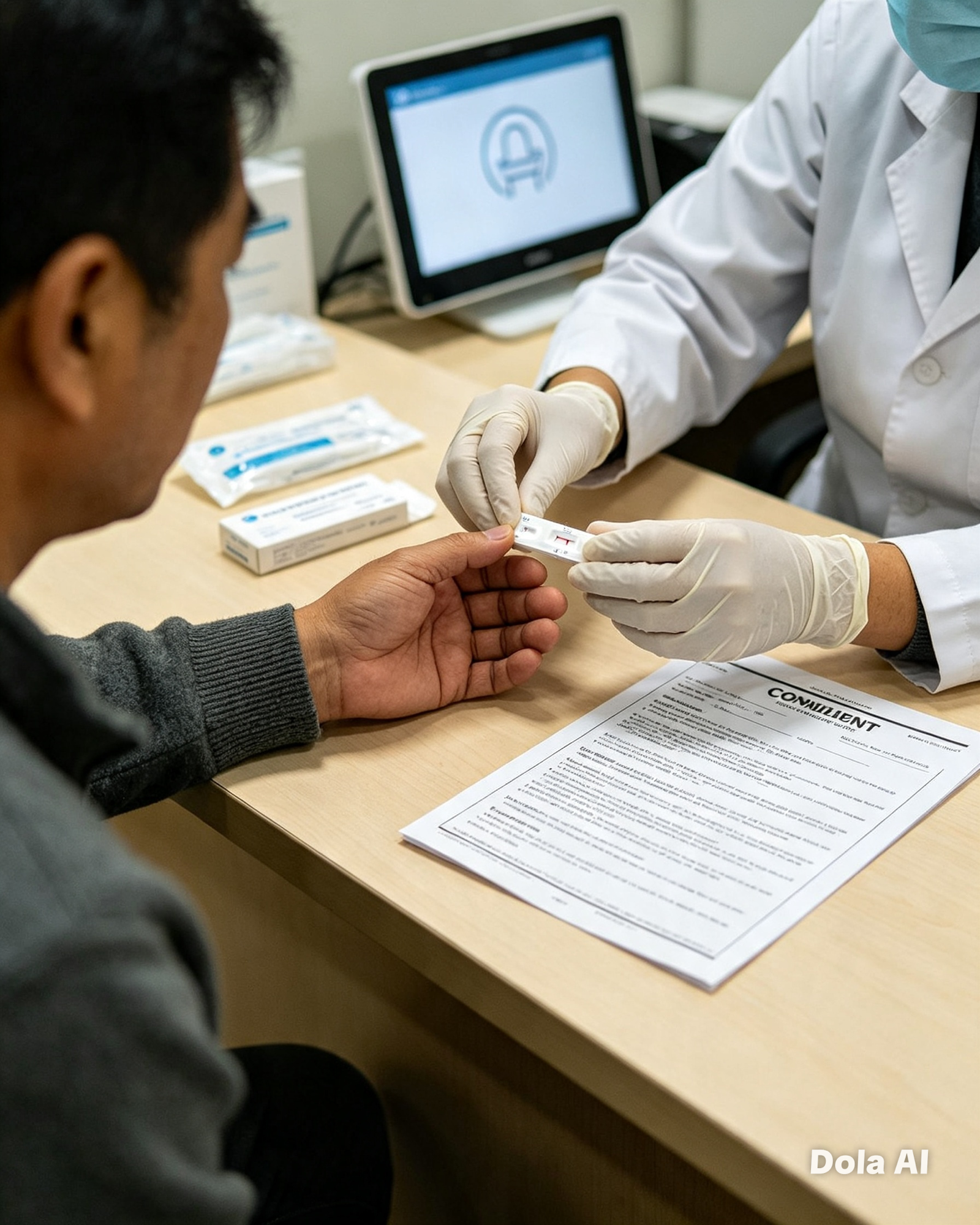
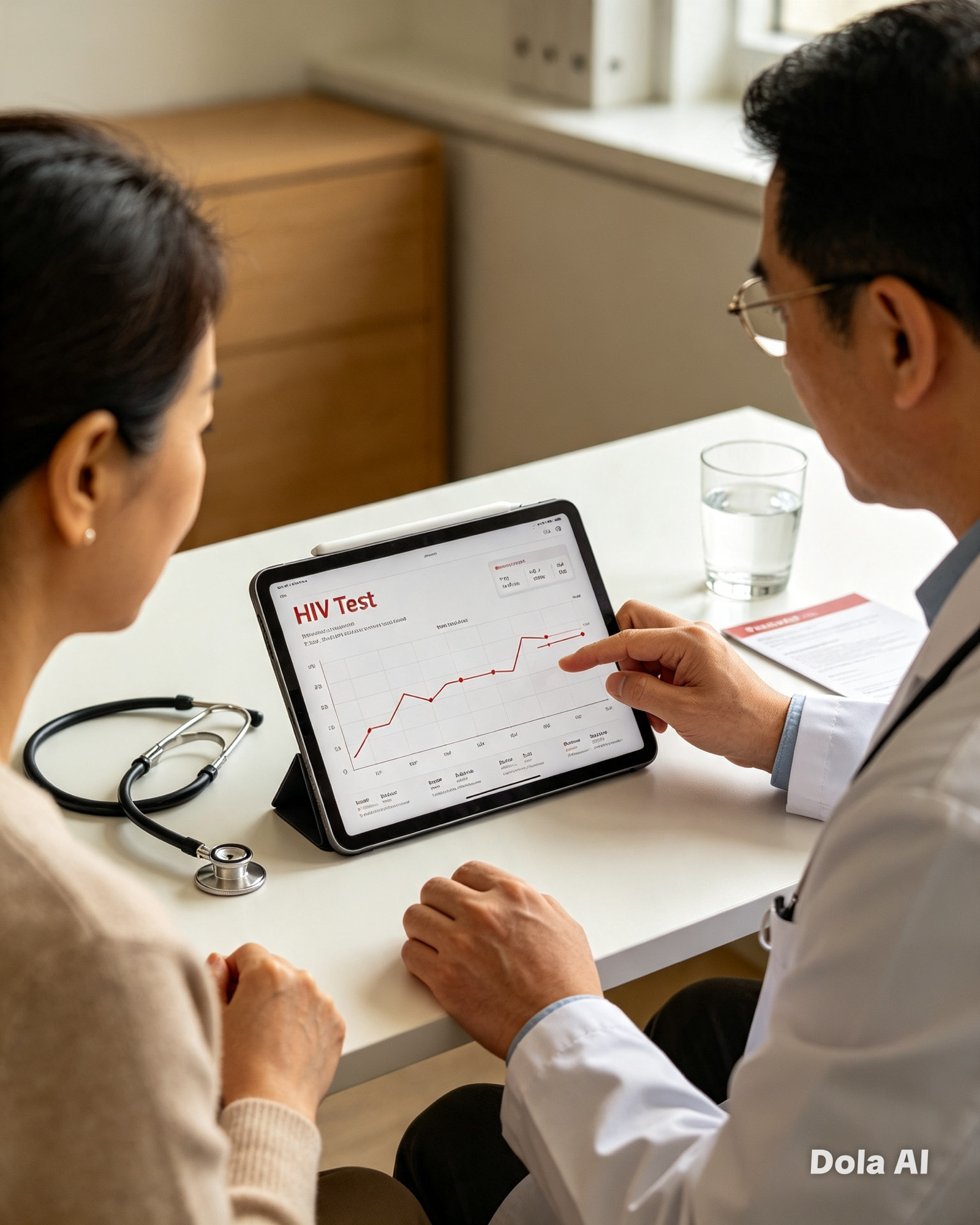
HIV is diagnosed using HIV tests. Rapid diagnostic tests can provide results quickly, and HIV self-testing is also available in many countries. However, a reactive or positive self-test requires appropriate confirmatory testing by a qualified healthcare provider. (World Health Organization)
Different tests detect different markers of HIV, including antibodies, antigen, or the virus itself.
The timing of testing matters because there is a period after infection when a test may not yet detect HIV. WHO explains that many commonly used tests detect antibodies, which generally develop within about 28 days, although the exact window depends on the test and individual circumstances. (World Health Organization)
Therefore, someone who has had a recent possible exposure should discuss the appropriate test and timing with a healthcare professional rather than relying on symptoms.
What Is the HIV Window Period?
The window period is the time between HIV infection and the point when a particular test can reliably detect infection.
During this period, a person may have HIV even though a particular test is negative. The length of the window period varies according to the type of test used.
This is why the timing of testing matters.
If a person has a recent possible exposure and receives a negative result very early, a healthcare professional may recommend additional testing at an appropriate later time.
A negative result is therefore interpreted in the context of the test used, the timing of the test, and the person’s possible exposure.
What Should You Do After a Possible HIV Exposure?
If you think you may recently have been exposed to HIV, do not wait for symptoms to appear.
Seek medical advice promptly. Depending on the circumstances and how recently the exposure occurred, post-exposure prophylaxis (PEP) may be an option. PEP involves taking antiretroviral medicines after a possible exposure to reduce the chance of HIV infection. WHO recommends seeking clinical advice when considering PEP. (World Health Organization)
The sooner a possible exposure is assessed, the better, because PEP is time-sensitive.
People with ongoing risk may also discuss pre-exposure prophylaxis (PrEP) with a healthcare professional. PrEP is medication taken by people who do not have HIV to reduce their risk of acquiring HIV. (World Health Organization)
HIV Treatment Can Make a Major Difference
An HIV diagnosis today does not mean that a person will inevitably develop AIDS.
Modern antiretroviral therapy (ART) can suppress HIV replication and help the immune system remain strong. WHO describes HIV as a manageable chronic health condition when people have access to effective treatment and care. (World Health Organization)
Treatment also has an important prevention benefit. People living with HIV who take ART and maintain an undetectable viral load do not sexually transmit HIV to their partners. (World Health Organization)
Early diagnosis allows people to access treatment, monitoring, support, and prevention services.
How Can HIV Be Prevented?
HIV transmission can be reduced through several effective prevention strategies.
These include:
- Using condoms during sex
- Regular HIV and STI testing
- PrEP for people who may benefit from it
- PEP after certain possible exposures
- Avoiding sharing needles or injection equipment
- Using sterile equipment for medical or piercing procedures
- Appropriate HIV treatment during pregnancy to reduce transmission to the baby
WHO recommends HIV testing for people who may be at risk and emphasizes access to comprehensive prevention, testing, and treatment services. (World Health Organization)
How HIV Is Not Spread
Understanding how HIV is transmitted can also reduce unnecessary fear.
HIV is not spread through ordinary everyday contact such as:
- Hugging
- Handshakes
- Sharing food
- Sharing water
- Ordinary social contact
- Kissing in normal circumstances
WHO explains that HIV transmission occurs through specific infected body fluids, including blood, semen, vaginal fluids, and breast milk, rather than ordinary casual contact. (World Health Organization)
When Should You Get Tested?
Consider HIV testing if you have had an exposure that could transmit HIV, particularly if you have had sex without a condom, shared injection equipment, or experienced another recognized exposure.
Testing is also important because many people with HIV may not have symptoms.
If you are worried about a recent exposure, speak with a healthcare professional or an HIV testing service about which test is appropriate and when it should be performed.
If a self-test gives a reactive result, it should be followed by confirmatory testing. (World Health Organization)
Final Thoughts
HIV symptoms can vary significantly from person to person. Some people develop flu-like symptoms soon after infection, including fever, fatigue, sore throat, rash, headache, swollen lymph nodes, muscle aches, and diarrhoea. Others experience no noticeable symptoms.
Later in untreated infection, a weakened immune system can lead to weight loss, persistent fever, diarrhoea, cough, recurrent infections, and serious illnesses.
However, none of these symptoms can diagnose HIV.
The most important message is simple: if you think you may have been exposed to HIV, do not wait for symptoms. Get tested and seek medical advice.
HIV is treatable, and effective treatment can allow people living with HIV to lead long and healthy lives. Early diagnosis and treatment also play an important role in preventing HIV transmission. (World Health Organization)
Medical Disclaimer
This article is for general educational purposes and is not a substitute for medical diagnosis or treatment. Symptoms can have many causes. If you are concerned about a possible HIV exposure, contact a qualified healthcare professional or HIV testing service for individualized advice.