
Introduction
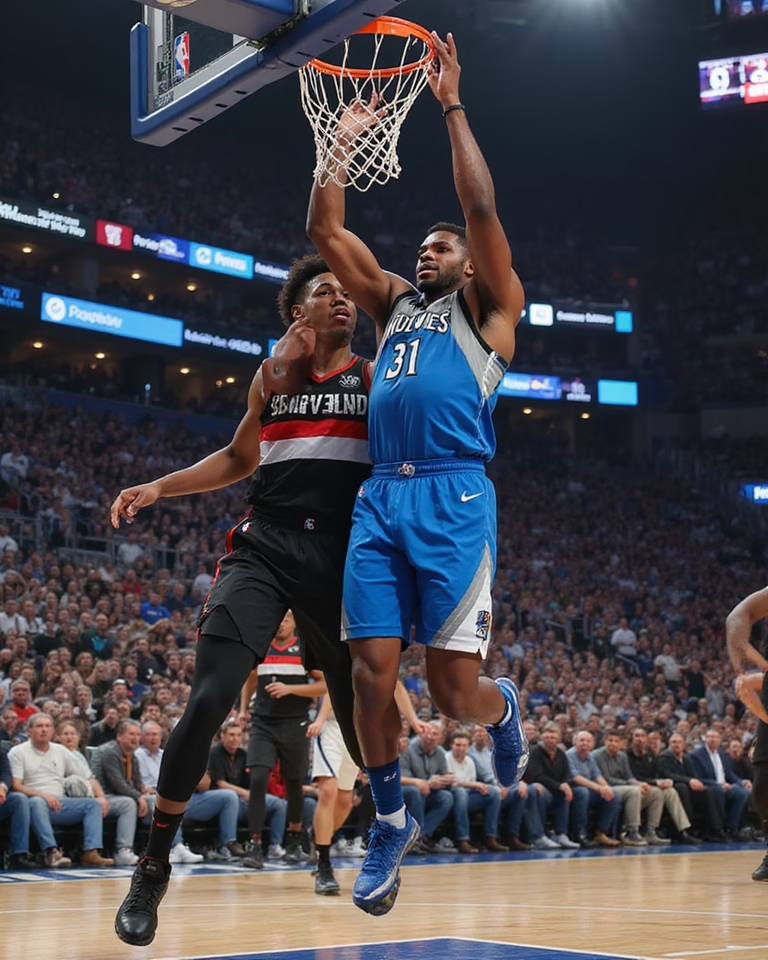
On November 16, 2026, basketball fans witnessed a thrilling game as the Minnesota Timberwolves secured a 106-98 victory against the Portland Trail Blazers. This game not only showcased the intense competition between the two NBA teams but also highlighted notable performances and strategic moves that can serve as insightful lessons for basketball enthusiasts and casual fans alike. In this article, we will provide a comprehensive analysis of the game, key player performances, tactical insights, and implications for both teams in the ongoing NBA season.
Background and Context
The Minnesota Timberwolves and the Portland Trail Blazers have had a storied rivalry with multiple closely contested matches in recent seasons. Both teams are striving to climb the Western Conference standings, making every game significant for playoff positioning. The Timberwolves, led by an evolving roster and experienced coaching staff, came into this game aiming to build momentum. Meanwhile, the Trail Blazers sought to overcome a challenging early schedule that had tested their depth and resilience.
Game Overview: Key Moments and Turning Points
The Timberwolves' 106-98 win was marked by crucial moments where defensive intensity and timely offensive bursts made the difference. The Blazers initially showed sparks of strong offense, but a frigid shooting night particularly in the second half hampered their comeback efforts. The Wolves capitalized on this cold streak, maintaining composure and executing their game plan effectively toward the final quarter.
The game's turning point was a critical sequence in the third quarter when the Timberwolves tightened their defense, forcing turnovers and fast-break points that widened the lead. The Blazers managed to keep the game competitive with moments of strong individual plays, but as a team, they struggled with shooting efficiency and controlling the pace set by Minnesota.
Highlighting Standout Performances
Terrence Shannon Jr. was a standout for the Timberwolves, recording a career-high 34 points along with impactful defensive plays that energized his team. Alongside him, Deni Avdija contributed significantly with 27 points and 8 rebounds, providing both scoring and playmaking that disrupted the Blazers' defensive schemes.
On the Trail Blazers side, despite the overall shooting woes, some players showed resilience and effort on both ends of the court. However, the team’s inability to find consistent scoring especially from long-range shooters was a limiting factor that the Timberwolves exploited.
Tactical Analysis: Strategies and Adjustments
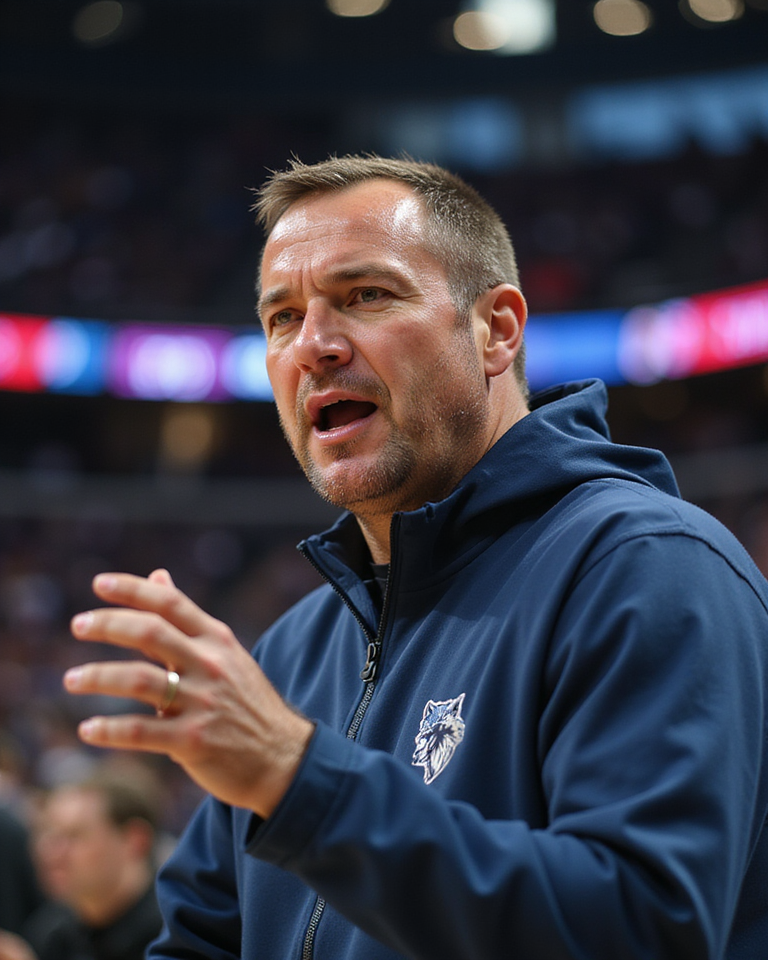
The Timberwolves displayed an effective balance between aggressive defense and fast-paced offense. Coach Chris Finch’s game plan focused on disrupting the Blazers’ shooting rhythm and exploiting transition opportunities. This strategic approach allowed Minnesota to maintain control despite a few turnovers and bouts of sloppy ball movement.
Portland’s strategy, hampered by the cold shooting night, involved trying to slow the tempo and rely on half-court sets. While this helped to some extent, their defensive adjustments fell short in containing Minnesota's perimeter shooters and the inside presence of Rudy Gobert, which led to second-chance points and crucial rebounds.
Impact on NBA Season and Future Outlook
This victory provides a much-needed boost for the Minnesota Timberwolves as they aim to solidify themselves as playoff contenders. Momentum from such wins can accelerate development, especially for a young roster building chemistry. Conversely, the Trail Blazers must regroup and find more reliable offensive options to overcome such shooting slumps and tighten their defensive schemes.
Both teams will look ahead to upcoming fixtures with a focus on maintaining health, adjusting lineups, and extracting consistent performance from key players. Such games not only influence standings but also reveal strengths and weaknesses that coaching staffs will address in practice and game planning.
Practical Takeaways for Basketball Enthusiasts
From this game, several lessons can be extracted for aspiring players and fans:
- Resilience Matters: The Timberwolves’ ability to stay composed during periods of their own shooting inconsistency underlines the importance of mental toughness.
- Defense Wins Games: Emphasizing defensive strategies to force turnovers and disrupt opponent rhythm can change the dynamic of a close game.
- Role of Key Players: Standout individual efforts like those of Terrence Shannon Jr. showcase how vital it is to have players who can step up in critical moments.
- Adaptability: Teams must be able to adjust game plans dynamically depending on the opponent’s strengths and in-game circumstances.
Fan Engagement and Community
The game was attended by passionate fans, with celebrities such as Olympic gymnast Suni Lee spotted courtside, adding to the vibrant atmosphere. Fan discussions on social platforms highlight ongoing interest in the team dynamics and player development, reflecting how sports events foster strong community engagement and shared experiences.
Player Development and Team Chemistry
The Timberwolves’ win also underscores the importance of player development and team chemistry in achieving sustained success. Coach Chris Finch has emphasized cultivating a culture where young players are given opportunities to grow through meaningful minutes on the court. Terrence Shannon Jr.'s breakout performance is a testament to this developmental approach, illustrating how nurturing emerging talent can pay dividends in high-stakes games.
Moreover, the synergy between players like Deni Avdija and Rudy Gobert reflects the progress made in integrating individual strengths into a cohesive team strategy. Their complementary skills—Avdija's versatility as a scorer and facilitator paired with Gobert's defensive dominance—create matchup problems for opponents and contribute significantly to the Timberwolves' overall effectiveness.
Fan Experience and Game Atmosphere
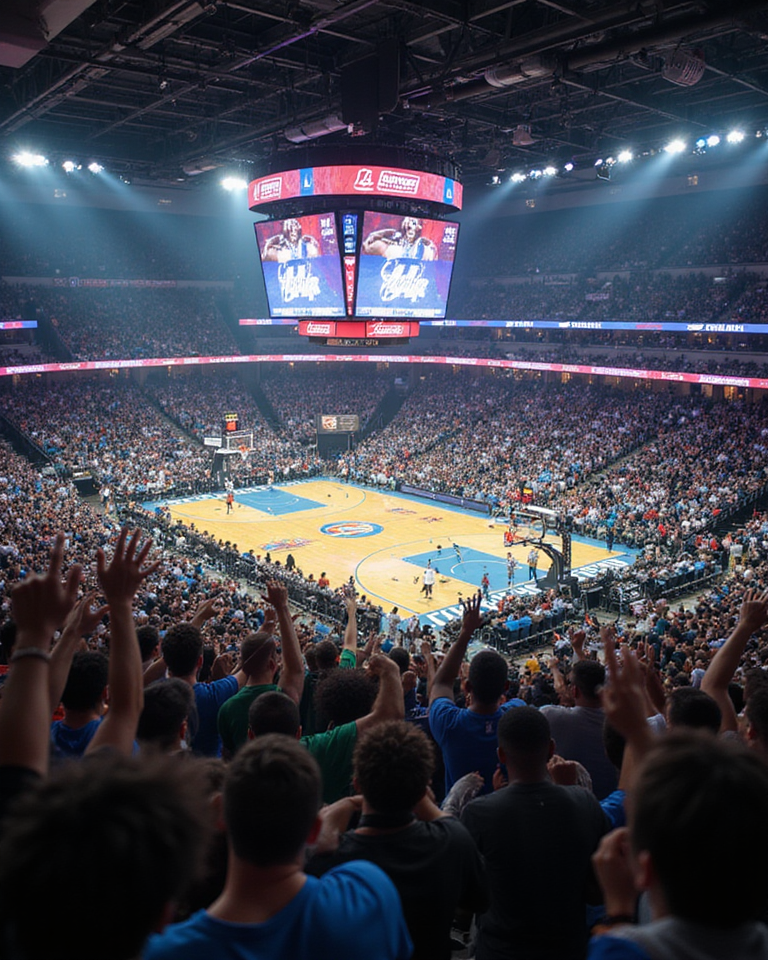
The atmosphere in the arena was electric, fueled by the passionate fan base of both teams. The Timberwolves’ fans brought energy that lifted the team during critical moments, particularly in the second half when the game’s momentum shifted firmly in Minnesota's favor. This dynamic demonstrates how vital fan support is in creating a home-court advantage and inspiring players to elevate their performance.
Additionally, the presence of notable figures in attendance, such as Olympic gymnast Suni Lee, not only added celebrity allure but also highlighted the cross-sport appeal of NBA games. These gatherings serve as platforms for community interaction, uniting diverse groups of people united by their love for sports and competition.
Advanced Statistical Insights
Analyzing the advanced statistics from the game offers further insights into the Timberwolves' efficiency and the Trail Blazers' challenges. Minnesota's effective field goal percentage (eFG%) was notably higher than Portland’s, reflecting their superior shot selection and execution despite some turnovers. The Wolves also dominated in rebounding margin, helped by Rudy Gobert’s presence on the boards, which translated into valuable second-chance points.
On the defensive side, Minnesota's ability to generate steals and limit the Trail Blazers' points in the paint was crucial. Limiting Portland’s scoring inside forced them into lower percentage perimeter shots, which contributed to the Blazers’ shooting struggles. This statistical dominance in key facets underscores the multifaceted approach the Timberwolves executed to secure the win.
Looking Ahead: Upcoming Matchups and Strategies
As the NBA season progresses, both the Timberwolves and Trail Blazers face critical phases that will test their adaptability and resolve. For Minnesota, focusing on maintaining the health of key players and continuing to integrate young talent will be essential. Coach Finch is likely to refine his rotations and strategy to optimize offensive balance and defensive intensity against a variety of opponents.
The Trail Blazers, meanwhile, must address their offensive inconsistencies and improve their defensive rotations. Coming off this tough loss, they have the opportunity to recalibrate their game plan by emphasizing improved shot selection and fostering better ball movement to alleviate the pressure on their leading scorers.
Community and Social Media Impact
In recent seasons, the role of digital platforms has expanded in shaping fan engagement and team identity. The Timberwolves’ victory sparked a surge in social media interactions, with fans sharing highlights, player commendations, and tactical analyses. This interaction not only amplifies the reach of the sport but also provides players and coaches with direct feedback and encouragement from their supporter base.
Similarly, the Trail Blazers’ fans expressed both disappointment and optimism, engaging in constructive discussions about how the team can bounce back. This dynamic dialogue fosters a resilient fan community that remains loyal regardless of outcomes, underscoring the enduring connections forged through sports.
Conclusion
The November 16, 2026 game between the Minnesota Timberwolves and Portland Trail Blazers delivered exciting basketball with significant implications for both teams’ seasons. The Timberwolves' victory, powered by career performances and a sound game strategy, marked a positive milestone. As both teams continue their NBA journeys, fans can look forward to continued competition and thrilling matchups. This game not only entertained but also offered insights into the evolving landscape of professional basketball, emphasizing resilience, strategy, and teamwork.
Leave a Reply