
Introduction
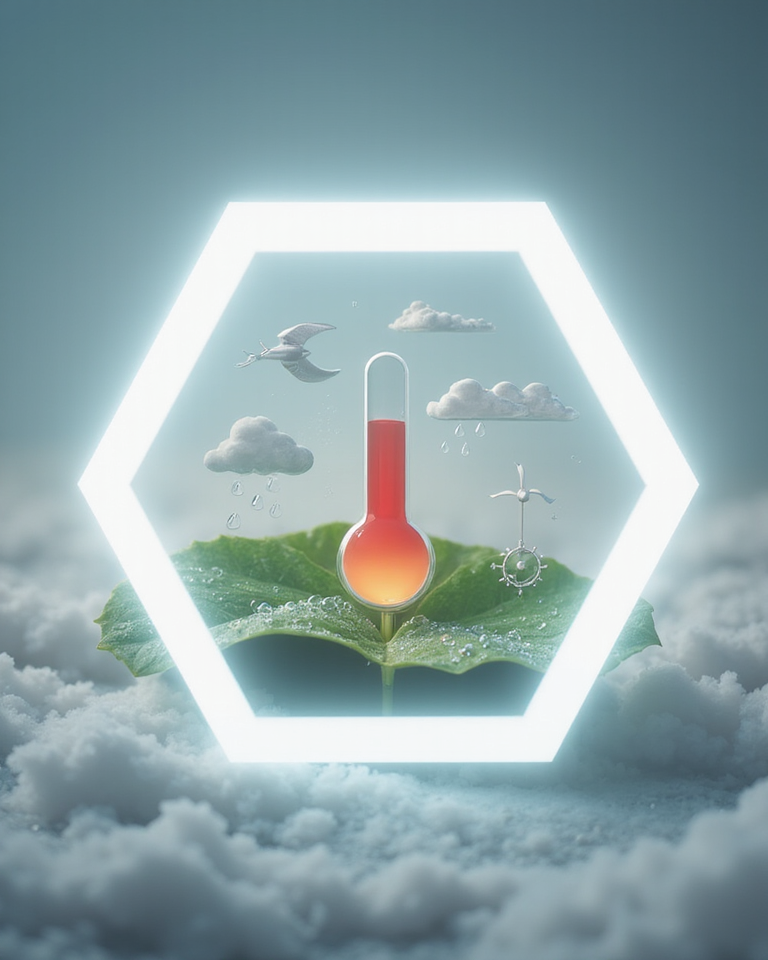
Weather, known as "météo" in French, plays a critical role in shaping our daily activities, moods, and even long-term planning. From deciding what to wear to planning a holiday or agricultural activities, accurate weather forecasting is invaluable. This article explores the fundamentals of météo, the science behind weather forecasting, recent advancements including AI in meteorology, and how météo affects lifestyles in Italy and around the world.
What Is Météo? Understanding Weather Basics
The term "météo" refers broadly to the state of the atmosphere at a given place and time, including temperature, humidity, wind, precipitation, and atmospheric pressure. These elements collectively determine the weather conditions we experience daily, ranging from sunshine and clear skies to storms and extreme weather events.
Weather is the short-term manifestation of atmospheric conditions, distinct from climate, which represents long-term average patterns over decades. Météo impacts not only our immediate environments but also various sectors such as agriculture, transportation, and tourism.
Key Meteorological Elements
- Temperature: The measure of heat in the atmosphere, affecting comfort levels and biological processes.
- Humidity: The amount of water vapor in the air, influencing precipitation and human comfort.
- Wind: Air movement, carrying energy, moisture, and pollutants.
- Precipitation: Forms of water like rain, sleet, snow, or hail falling from the atmosphere.
- Pressure: Atmospheric pressure drives weather patterns and helps predict changes.
The Science Behind Weather Forecasting
Weather forecasting is an intricate scientific discipline that combines data collection, mathematical modeling, and technological tools to predict future atmospheric conditions. Meteorologists analyze real-time data gathered from satellite imagery, weather stations, radar, and balloons to develop forecasts.
These data feed into advanced computer models that simulate the atmosphere's behavior. Forecast accuracy improves with data quality and computational power, making today’s predictions more reliable than ever.
Organizations Specializing in Weather Forecasting
- Météo-France: The French national meteorological service, providing detailed vigilance maps and forecasts, recently enhanced with more precise departmental alerts to help citizens prepare for bad weather (source).
- ECMWF: The European Centre for Medium-Range Weather Forecasts collaborates with Météo-France on advanced climate and weather research (source).
Recent Extreme Weather Events and Their Impacts
Recent years have seen several notable extreme weather events that underscore the importance of reliable météo services. For example, Storm Charles brought heavy rain and thunderstorms to regions like the French Riviera, leading to extended weather warnings and precautions (source).
Such events affect transportation, local economies, and pose safety risks. Reliable forecasts and vigilance maps enable better preparation and minimize damage.
Emerging Technology: AI and Faster More Accurate Weather Predictions
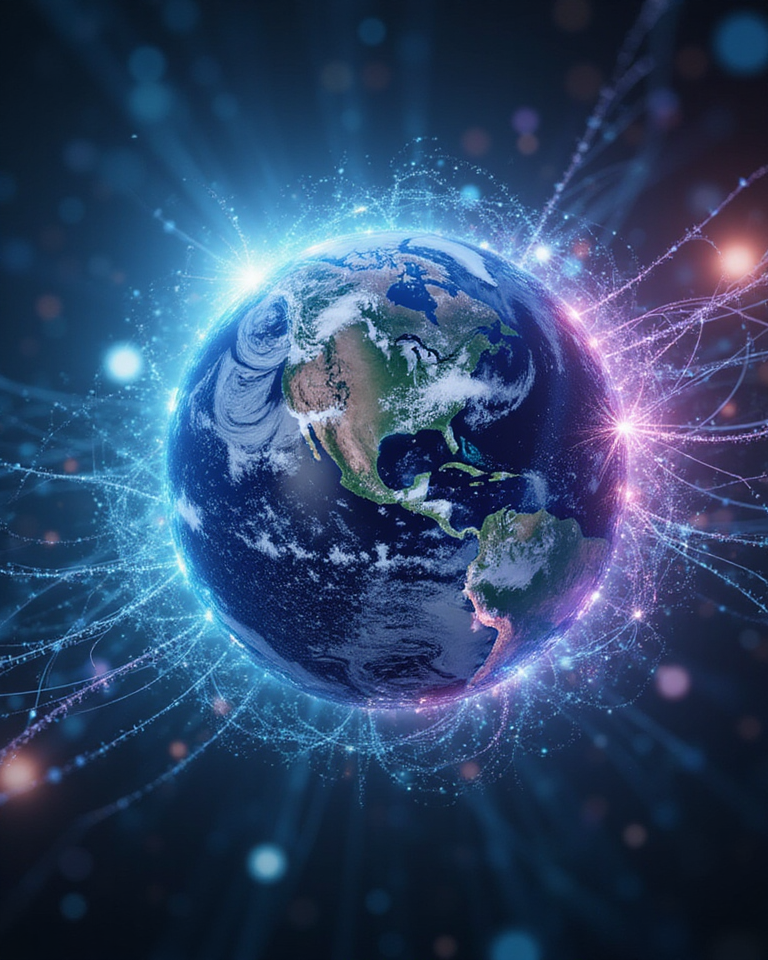
Artificial intelligence is revolutionizing météo by enabling faster and more precise forecasts. Models like Google's DeepMind GraphCast demonstrate how AI can process complex global weather data efficiently, improving the accuracy and timeliness of weather models (source).
Benefits of AI in Meteorology
- Faster processing of gigantic data sets from sensors and satellites.
- Improved prediction accuracy, especially for severe weather warnings.
- Better resource allocation for disaster preparedness and response.
Météo and Daily Life in Italy
In Italy, météo is particularly important given the country’s diverse climate zones — from Alpine cold to Mediterranean warmth. Weather forecasts affect agricultural cycles, tourism, and city planning. Being informed about météo means better decision-making for farmers, travelers, and residents.
For example, knowing when rain is expected can protect crops or guide tourists to alternative plans. Additionally, public services rely on accurate météo data to prepare for emergencies such as floods or storms.
How to Stay Updated on Météo
There are many ways to stay informed about current weather conditions and forecasts. Popular platforms include national meteorological services like Météo-France and regional sites, as well as global apps such as The Weather Network and AccuWeather.
Many services now also integrate customized alerts based on user location, ensuring timely warnings about severe weather. For instance, vigilance maps issued by authorities highlight areas at risk and the severity level, helping individuals and organizations take necessary precautions.
Frequently Asked Questions About Météo
How reliable are weather forecasts?
Weather forecasts have improved significantly, with medium-range forecasts (3-7 days) generally being quite accurate thanks to advanced models and data. Long-range forecasts beyond two weeks remain less reliable due to the inherently chaotic nature of the atmosphere.
What do weather vigilance maps indicate?
Vigilance maps use color-coded alerts to indicate the level of risk posed by weather events such as storms, floods, and heatwaves. They help authorities communicate danger levels and recommend safety measures to the public.
Can AI completely replace human meteorologists?
While AI enhances data processing and prediction capabilities, human expertise remains crucial for interpreting forecasts, understanding local conditions, and communicating complex information effectively.
How can individuals prepare for extreme weather?
Staying informed via trusted sources, having emergency kits, and following official safety guidelines are essential. Planning ahead can mitigate risks related to floods, storms, or cold spells.
The Role of Climate Change in Météo
Climate change has a significant and growing influence on météo patterns worldwide. Rising global temperatures affect atmospheric dynamics, leading to more frequent and intense extreme weather events such as heatwaves, storms, and heavy rainfall. Understanding this connection helps meteorologists refine their models and warn the public about evolving risks.
In Italy, changes in rainfall distribution and increased temperatures have influenced agriculture and water resources. For instance, some regions face droughts, while others experience sudden flooding. Monitoring these changes is crucial for planning mitigation and adaptation strategies in urban development, agriculture, and environmental protection.
The Importance of Localized Weather Forecasting
While global weather models provide broad predictions, localized météo forecasting is essential for practical daily decisions. Microclimates — small areas where weather differs from surrounding regions due to geographical features like mountains, coastlines, or urban structures — require specialized observation and prediction.
Localized forecasts are especially important in regions of Italy with varied topography, such as the Alps or coastal zones. Accurate local forecasts can help prevent accidents, optimize energy use, and guide emergency services more effectively.
Tools for Local Weather Monitoring
- Automatic weather stations located in strategic areas.
- Mobile radar systems capturing regional precipitation patterns.
- Community weather sensors contributing real-time data.
Weather and Health: How Météo Affects Well-being
Beyond physical impacts, weather conditions significantly influence human health and well-being. Changes in temperature, humidity, and air pressure can affect respiratory conditions, allergies, and mental health.
For example, cold and damp weather often exacerbates arthritis symptoms, while high heat and humidity may increase the risk of heatstroke or dehydration. Seasonal weather changes also have psychological effects; prolonged grey and rainy periods can contribute to seasonal affective disorder (SAD).
Understanding météo helps healthcare providers prepare for seasonal health needs and guides individuals in managing their conditions accordingly.
Weather's Role in Agriculture and Food Security
Agriculture remains highly sensitive to météo. Farmers depend on accurate weather forecasts to schedule planting, irrigation, and harvesting. Unpredictable weather can cause crop losses and affect food supply.
In Italy's diverse agricultural landscape, from vineyards in Tuscany to olive groves in Puglia, knowing precise weather conditions supports sustainable farming practices. Early warnings of frost or drought enable farmers to take protective measures, reducing economic losses and preserving food quality.
The Influence of Météo on Tourism
Tourism is directly impacted by weather conditions worldwide and especially in tourism-dependent regions like Italy. Sunny and mild weather attracts visitors to beaches, historical sites, and outdoor events. Conversely, adverse weather can reduce tourist flow and affect local economies.
Tourism operators and travelers increasingly rely on detailed météo forecasts to optimize travel plans, event scheduling, and resource allocation. Seasonal weather trends influence the timing of festivals and outdoor activities, making accurate weather awareness essential for the tourism industry.
Conclusion
Understanding météo is essential in today’s rapidly changing environment. From traditional forecasting techniques to cutting-edge AI technologies, meteorology continues to evolve, providing more accurate and timely information that impacts our daily lives across Italy and worldwide. Staying informed helps individuals and communities prepare for all kinds of weather, ensuring safety and better quality of life.
Leave a Reply