
Introduction
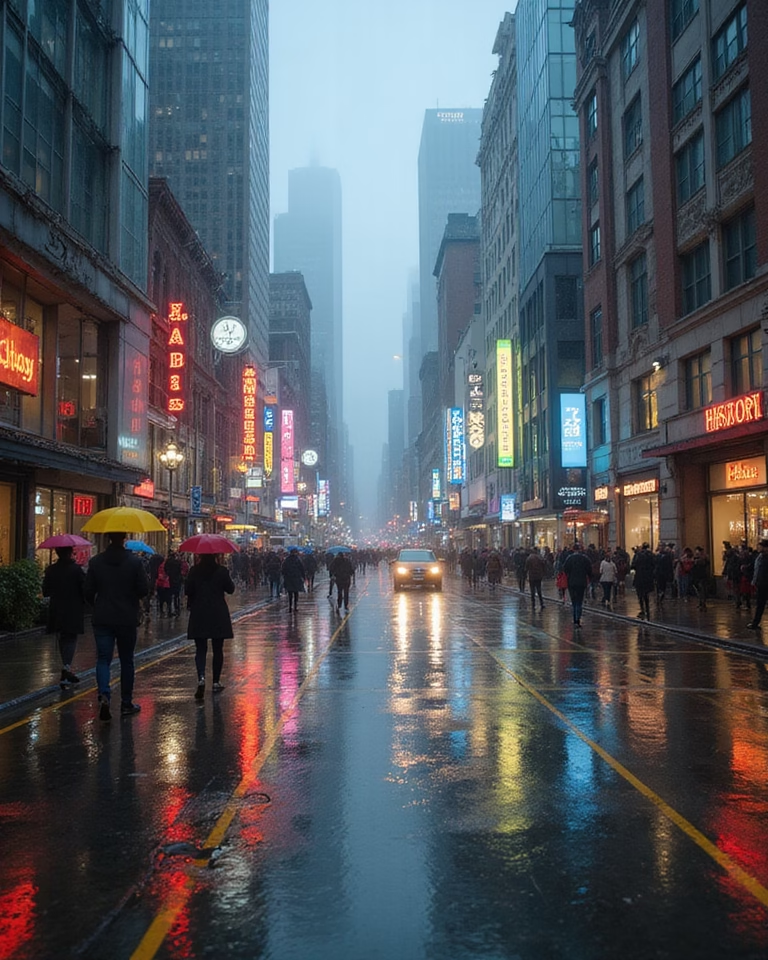
Weather influences our daily routines and lifestyles in significant ways, and among the most impactful conditions is "wetter" weather—periods characterized by increased rainfall, humidity, or moisture. This article explores what wetter weather means, the scientific factors behind it, and practical implications for everyday life. Whether you're planning outdoor activities, managing health concerns, or simply curious about climate trends, knowing about wetter weather can help you adapt and thrive.
What Does "Wetter" Weather Mean?
"Wetter" weather refers to conditions where there is an increase in precipitation such as rain, snow, sleet, or drizzle, as well as increased atmospheric moisture. This can manifest as frequent showers, persistent dampness, or storms. Wetter weather is often linked to shifts in atmospheric patterns and can vary by region and season.
Different Forms of Precipitation
Precipitation comes in many forms and all contribute to wetter weather. Rain is most common, but other forms like snow and sleet also increase moisture levels. Understanding these can help in preparing for the specific challenges posed by wetter conditions.
Scientific Causes of Wetter Weather
Several meteorological and climatic factors contribute to wetter weather events. Some are natural phenomena, while others are influenced by human-induced climate changes.
El Niño and Climate Patterns
El Niño is a prominent climate pattern characterized by warmer Pacific Ocean surface temperatures, which can disrupt global weather. During strong El Niño phases, certain areas experience wetter and colder winters, as noted in regions such as Texas and Florida. This increased moisture can lead to more storms, floods, and snowfall in some regions.
Atmospheric Rivers and Moisture Transport
Atmospheric rivers are narrow corridors of concentrated moisture in the atmosphere. When these strike land, they can bring intense rainfall and contribute to wetter periods, sometimes linked to flooding concerns.
Global Warming and Changing Rainfall Patterns
With global temperatures rising, the atmosphere holds more moisture, which may increase the intensity of rainstorms. Research indicates that the world's wettest storms are becoming wetter, raising concerns about flood risks and shifts in drought patterns.
Recent Trends: Wetter Weather Around the World
Recent weather reports show that many parts of the world are experiencing shifts towards wetter conditions, especially during certain seasons.
Winter 2026-27 Forecasts
Forecasts for winter 2026-27 predict warmer and wetter conditions in several US regions and globally, driven partly by the ongoing El Niño. For instance, California, Florida, and parts of the central and southern US are expected to see increased rainfall and storm activity, which may bring drought relief but also flooding risks.
Unseasonably Mild and Moist Conditions
Some regions such as the US Heartland and Maryland have seen unseasonably mild temperatures accompanied by wetter weather, impacting agriculture and local ecosystems.
Practical Effects of Wetter Weather on Lifestyle
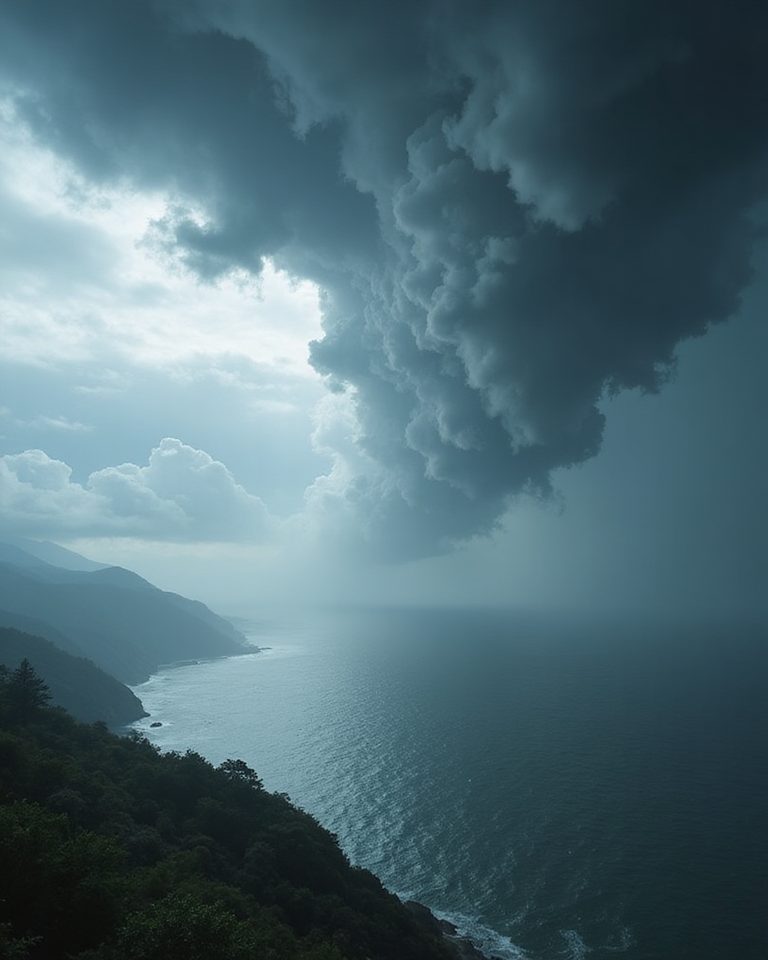
Wetter weather can affect various aspects of daily life, requiring adaptations to minimize inconvenience and hazards.
Health Implications
Increased moisture and damp environments can worsen respiratory conditions such as asthma or allergies. Mold growth is also more common indoors during wetter periods. It's essential to manage indoor air quality and maintain dryness where possible.
Transportation and Travel
Heavy rainfall and wet roads can increase traffic accidents and road closures. Travelers should monitor weather forecasts closely and allow extra time for journeys. Flooding can disrupt flights, trains, and other transport services.
Home and Garden Care
Gardeners will need to adjust watering schedules, sometimes reducing irrigation when natural precipitation increases. Homes require proper drainage systems to prevent water damage and mold.
Adapting to Wetter Weather: Practical Tips
Understanding wetter weather helps individuals and communities prepare effectively.
- Check Regular Weather Updates: Monitor local forecasts to anticipate wetter days and plan activities accordingly.
- Dress Appropriately: Use waterproof clothing and footwear during wet days to stay comfortable.
- Maintain Home Safeguards: Keep gutters and drainage clear, and consider water-resistant paints and sealants to protect structures.
- Protect Your Health: Use dehumidifiers indoors and maintain good ventilation to reduce mold risks.
- Drive Safely: Reduce speeds on wet roads and keep headlights on during rain or fog.
- Plan Outdoor Events Wisely: Have backup plans for outdoor gatherings that may be affected by rain.
The Role of Technology in Managing Wetter Weather
Modern technology equips us to better understand and cope with wetter weather conditions.
Weather Forecasting Tools
Advances in meteorology provide accurate weather predictions using satellites, radar, and computer models, enabling timely warnings for heavy rain events.
Smart Home Devices
Smart sensors can monitor indoor humidity levels and automate dehumidifiers or ventilation systems, improving comfort and reducing health risks.
Infrastructure Enhancements
Urban planners are increasingly incorporating smart drainage systems and flood barriers that respond dynamically to changing rainfall patterns.
Environmental Considerations
While wetter weather can rejuvenate ecosystems by replenishing water bodies and soil moisture, excessive rainfall may cause soil erosion, water pollution, and habitat disruption.
Flooding Risks
More frequent or intense storms increase flood risks in vulnerable areas. Sustainable land management and proper urban planning are crucial for resilience.
Drought Relief vs. Overwatering
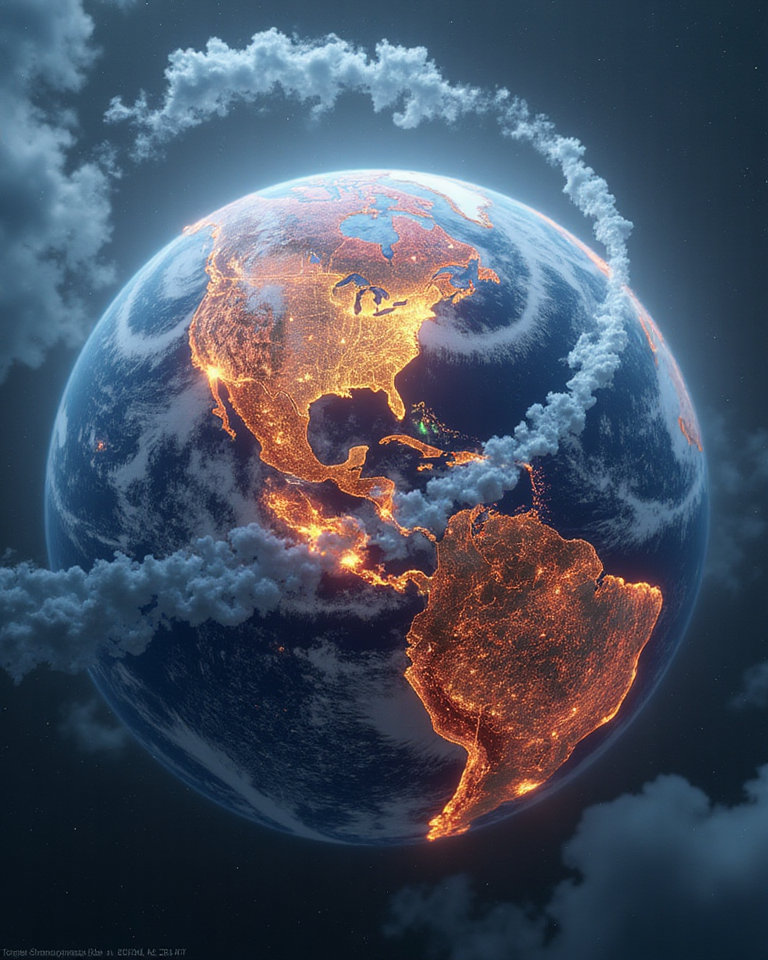
Some regions benefit from wetter periods that alleviate drought, while others may suffer from waterlogging that harms plants and agriculture.
Frequently Asked Questions
What causes wetter weather?
Wetter weather is typically caused by atmospheric patterns including El Niño, atmospheric rivers, and changes driven by global warming that increase moisture in the air.
How long does wetter weather last?
The duration varies by region and season, ranging from brief storms to several weeks of increased rain or dampness.
Can wetter weather affect health?
Yes, increased moisture can worsen respiratory issues and promote mold growth, making it important to control indoor humidity.
How should I prepare my home for wetter weather?
Clear gutters, ensure proper drainage, use water-resistant materials, and monitor indoor humidity to prevent damage and mold.
Does wetter weather mean flooding?
It increases the risk but doesn't guarantee flooding. Factors like topography, drainage, and precipitation intensity influence flood occurrence.
Additional Considerations: Agriculture and Ecosystem Impacts
Beyond the immediate effects on daily life, wetter weather profoundly impacts agriculture and natural ecosystems. Farmers face both opportunities and challenges during wetter periods. While increased rainfall can enhance soil moisture, benefiting crop growth, excessive moisture can lead to waterlogged fields, root diseases, and delayed planting or harvesting.
Crop Management Challenges
Proper drainage becomes critical to avoid standing water that promotes fungal infections and inhibits crop development. Wet conditions may also increase pest populations, requiring careful monitoring and integrated pest management strategies to protect yields without excessive chemical use.
Soil Health and Nutrient Leaching
Heavy and frequent rains can cause nutrient leaching, washing away important minerals and organic matter, which decreases soil fertility over time. Farmers may need to adjust fertilization plans to compensate and consider soil conservation techniques such as cover cropping and contour plowing to maintain soil structure and reduce erosion.
Impact on Wildlife Habitats
Wetter weather can alter habitats by changing water availability and vegetation patterns. Wetlands may expand, providing vital breeding grounds for amphibians and birds. However, prolonged flooding can disrupt terrestrial habitats and displace wildlife, necessitating careful environmental management to balance conservation with agricultural needs.
Community and Infrastructure Preparedness
Communities must also plan for wetter weather to minimize damage and maintain functionality. This involves strategies on multiple levels, from emergency preparedness to infrastructure development.
Flood Mitigation and Urban Planning
Designing cities with permeable surfaces, green spaces, and effective drainage systems reduces surface runoff and flooding. Retrofitting existing infrastructure to handle heavier rainfall events is increasingly important in the face of climate change.
Emergency Response and Public Awareness
Effective communication networks that provide timely flood warnings and safety instructions save lives and property. Public education campaigns can help residents understand risks and appropriate responses during wetter weather emergencies.
Water Resource Management
Wetter periods can recharge aquifers and reservoirs, but managing excess water through retention basins or controlled release helps prevent flooding downstream. Integrated water management approaches improve resilience and support sustainable urban and rural water supplies.
Economic Impacts of Wetter Weather
Periods of wetter weather also have significant economic implications spanning several sectors.
Costs of Flood Damage
Increased rainfall and flooding can lead to costly damage to homes, businesses, and public infrastructure. Repair and recovery efforts strain public budgets and insurance systems. Preventative investments in resilient infrastructure, though initially expensive, tend to reduce long-term economic losses.
Agricultural Losses and Opportunities
While wetter conditions may improve crop yields in some cases, the risk of crop losses due to storms, flooding, and disease outbreaks represents a major economic challenge for farmers. Crop insurance and diversified planting strategies are essential risk management tools in wetter climates.
Impact on Transportation and Commerce
Flooded roads and disrupted transport routes hinder supply chains and daily commuting, affecting business operations and delivery of goods. Businesses must adapt logistics and contingency plans to mitigate these risks.
Psychological and Social Effects of Wetter Weather
Beyond physical and economic impacts, wetter weather can also influence mental health and social behavior.
Mood and Mental Health
Extended periods of cloudy, rainy weather may contribute to seasonal affective disorder (SAD) or feelings of lethargy and depression. Maintaining social connections and engaging in indoor activities can help counteract these effects.
Community Interaction and Lifestyle Changes
Wetter weather can lead to reduced outdoor social interactions, prompting shifts toward indoor gatherings and virtual communications. Community centers and local initiatives can play a role in fostering social engagement during wetter seasons.
Conclusion
Wetter weather is a natural and sometimes complex phenomenon influenced by global and regional climatic factors. Being informed about its causes, effects, and practical ways to adapt can help individuals live comfortably and safely amid changing moisture conditions. Leveraging technology and good planning ensures that wetter times bring benefits while minimizing risks to health, transportation, and property.
Leave a Reply