
Introduction
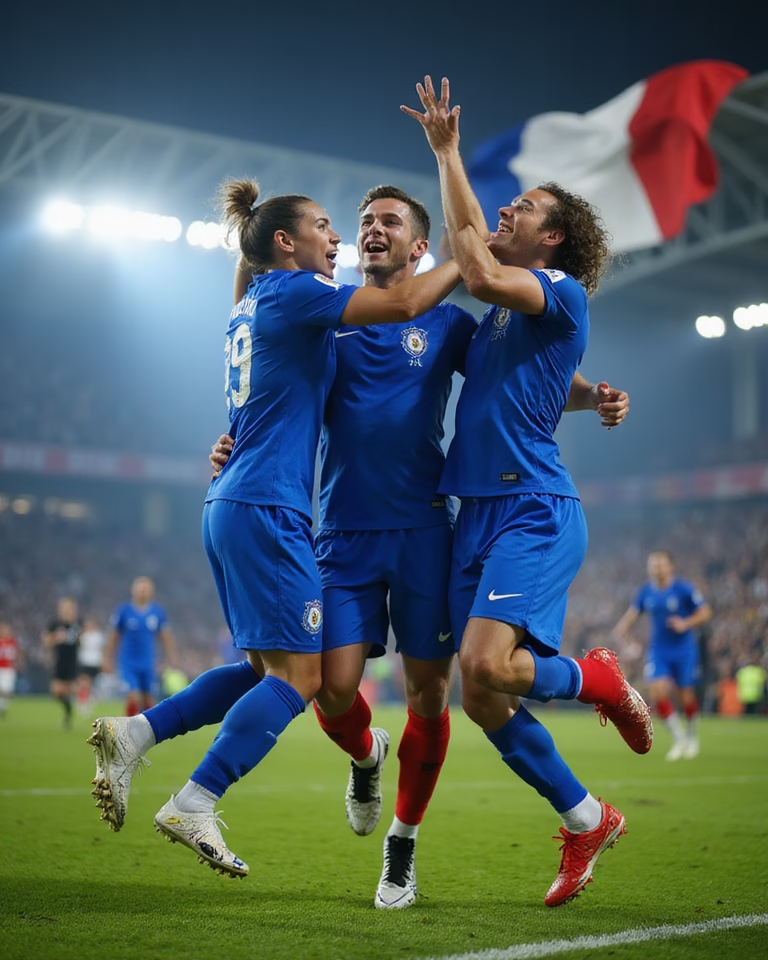
The France national football team has consistently been one of the most formidable and fascinating squads in international soccer. Known for its blend of world-class talent, tactical prowess, and passionate fanbase, "Les Bleus" have regularly made headlines in major tournaments and leagues. This article provides an in-depth exploration of the French men's national football team, highlighting their recent performances, player dynamics, coaching strategies, and what future holds for this football powerhouse.
Historical Background and Legacy
France has a rich football history, crowned by their World Cup victories in 1998 and 2018, alongside a European Championship win in 1984 and 2000. Over the decades, the team has nurtured some of the game's brightest stars like Zinedine Zidane, Michel Platini, and Thierry Henry. This legacy has established France not only as a competitive side but as a beacon of skill and style in world football.
Recent Form and International Performance
In recent years, France has maintained an impressive form in international competitions, including the UEFA Nations League and the FIFA World Cup qualifiers. Their match against Italy in the 2026 UEFA Nations League ended in a gripping 1-1 draw, showcasing defensive resilience and attacking flair. Following that, the team delivered a commanding 4-1 victory over Belgium, emphasizing their offensive prowess and tactical maturity.
These performances illustrate a squad adept at balancing experienced veterans and emerging young talents, fostering a highly competitive environment on the pitch.
Key Players and Rising Stars
The backbone of France's team lies in its talented roster. Kylian Mbappé continues to be the focal point of their attack, renowned for his pace, technique, and goal-scoring ability. Meanwhile, rising stars like Aurélien Tchouaméni and defender William Saliba add strength and agility to the midfield and backline.
Young talents such as Amine Adliouche, recently spotlighted for his promising performances, signal a bright future for the national side. Additionally, players from major European clubs undergoing pivotal growth bring a dynamic edge to France’s tactical options.
Tactical Approach and Coaching
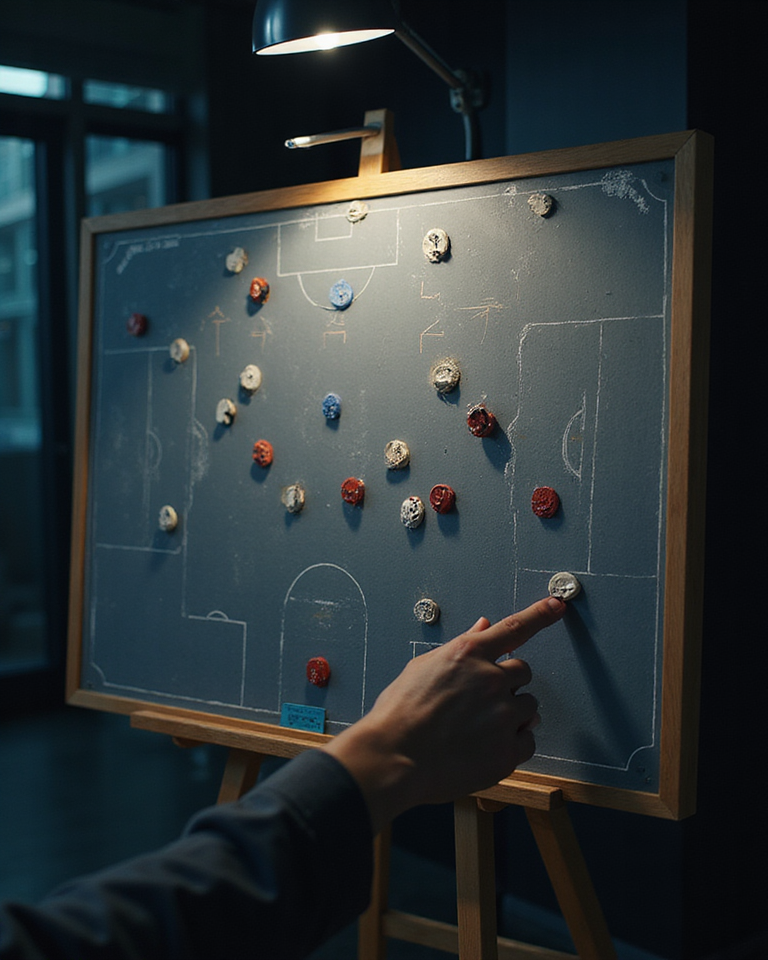
Under the guidance of the head coach, France adopts a flexible tactical approach that allows them to adapt to diverse opponents. Their style fiercely combines disciplined defensive structures with rapid transitional attacks.
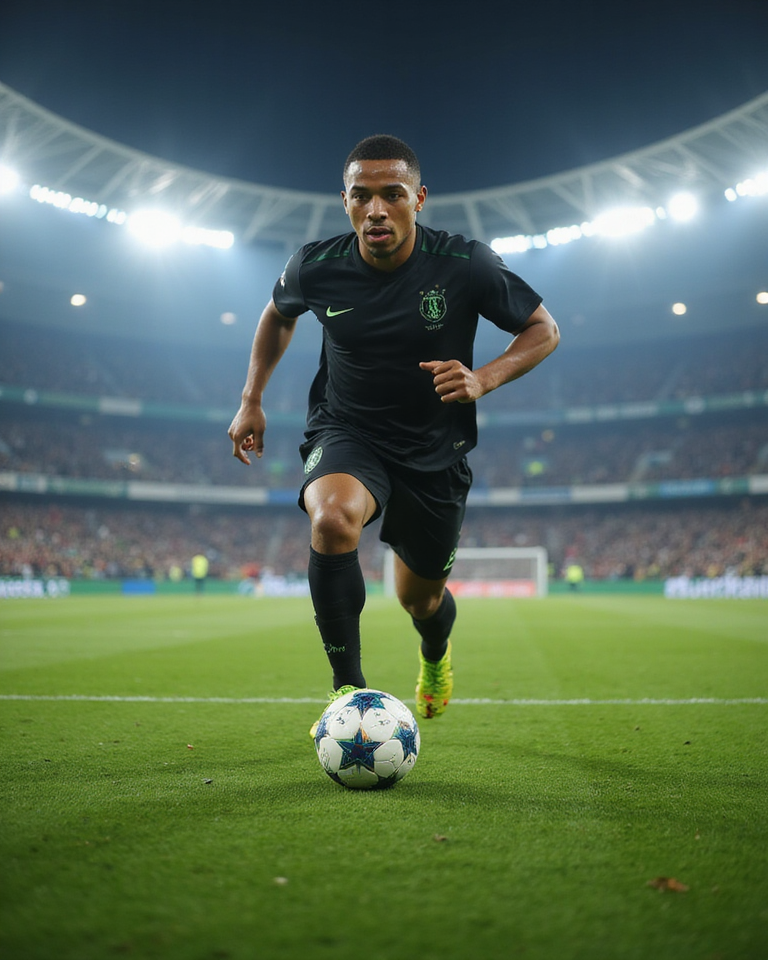
This adaptability was evident in their recent Nations League matches through fluid formations and intelligent ball control. Key to this success has been the ability of the coach to manage squad rotation effectively while preserving competitive intensity.
Adapting to Modern Football Challenges
French football continuously evolves with new tactics and player roles becoming prominent. The coaching staff has embraced sports science and data analytics to optimize player performance and reduce injury risks, ensuring the team remains at the cutting edge of the sport.
International Rivalries and Upcoming Fixtures
France's rivalry with traditional football powers is always intense, with matches against Italy, Belgium, and Spain drawing significant attention. The UEFA Nations League fixtures provide exciting opportunities for these encounters, each game offering a narrative of tactical battles and national pride.
Future fixtures, including high-profile games at iconic stadiums such as San Siro, add extra layers of anticipation and prestige to international football calendars.
Challenges and Opportunities Ahead
Despite their strength, France faces challenges like ensuring continuity amid player injuries, integrating young players seamlessly, and adapting to the tactical innovations of rivals. However, their depth in talent and experienced coaching staff present excellent opportunities for sustained success.
France and Global Football Culture
The national team is more than just a squad; it is a cultural symbol that unites diverse communities across France and inspires millions worldwide. Their style emphasizes creativity, resilience, and sportsmanship, which resonates with fans beyond borders.
Practical Insights for Fans and Football Enthusiasts
For followers of international football, keeping an eye on France's squad selections, tactical shifts, and player development offers rich insights into modern football trends. Fans can expect a vibrant blend of seasoned leadership and youthful energy in upcoming tournaments.
Engaging with match broadcasts, fan forums, and expert analyses further enriches the experience of supporting this iconic team.
Development Programs and Youth Academy Systems
France’s success on the international stage is partly rooted in its robust development programs and youth academy systems. The nation’s football federation places a significant focus on identifying and nurturing young talent from grassroots levels. Many French players start their professional journey in regional clubs before moving to renowned academies such as INF Clairefontaine, which has produced several world-class players.
These academies emphasize technical skills, tactical understanding, and psychological resilience, preparing athletes for the competitive pressures of professional football. Youth tournaments and national training camps also offer platforms for emerging players to showcase their abilities and catch the eyes of scouts and coaches.
Impact of French Football on Domestic Leagues
The success of the national team has a symbiotic relationship with the French domestic leagues, especially Ligue 1. Top French clubs like Paris Saint-Germain, Olympique Lyonnais, and AS Monaco contribute significantly to the pool of talent available for national selection. These clubs provide a competitive environment where players can develop strategically and physically under high-pressure situations.
Moreover, foreign players in Ligue 1 and international French players spread across Europe's top leagues bring diverse tactical influences. This rich environment helps sharpen the national team's adaptability and skill diversity. As a result, the interplay between domestic and international football strengthens France’s overall competitive edge.
Women's Football in France
While this article primarily focuses on the men’s national team, it is essential to acknowledge the growing prominence of women's football in France. The French women's national team has also made significant strides, competing strongly in European Championships and World Cups. Support from the French Football Federation and increasing public interest continue to drive the development of women’s football, reflecting the nation’s holistic commitment to the sport.
Fan Culture and Media Engagement
French football fans, known for their passionate and vibrant support, play a crucial role in the team’s morale and public image. Matchdays at the Stade de France and other venues feature enthusiastic chants, banners, and a communal spirit that unites supporters across social and economic backgrounds.
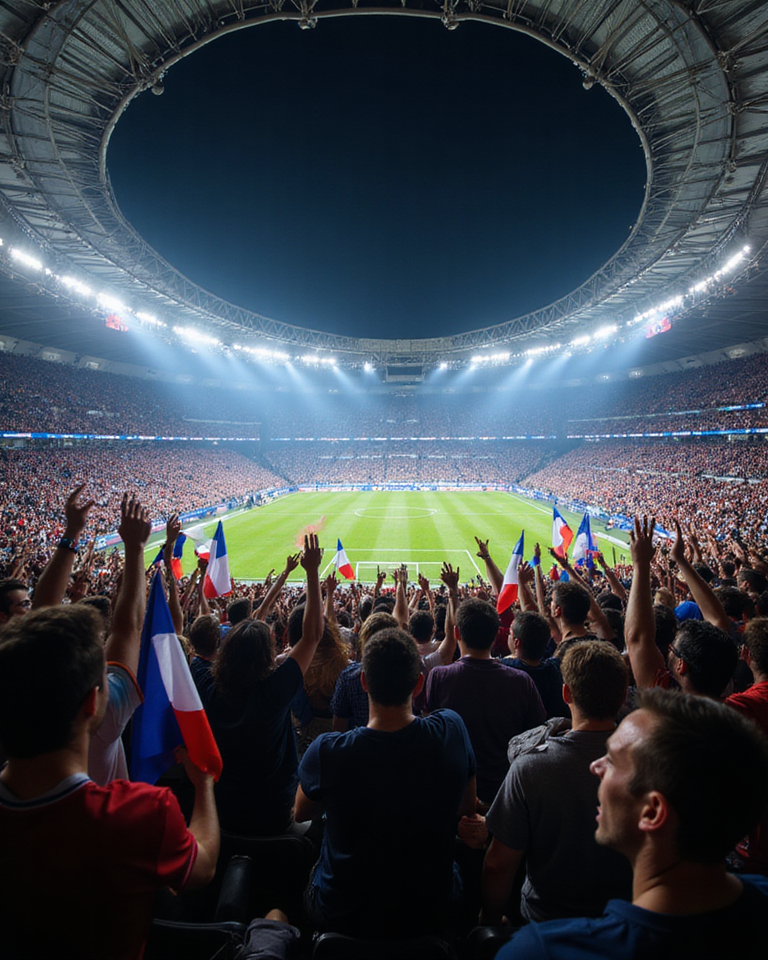
Media coverage, including television broadcasts, sports commentary, and social media, further amplifies fan engagement. This widespread attention not only boosts the team’s visibility but also contributes to football’s cultural significance in France. Interactive fan experiences, such as fan zones and digital platforms, enhance connection and loyalty among the supporters.
Technological Innovations in Training and Gameplay
Modern football increasingly relies on technological advancements, and the France national football team is no exception. The coaching staff utilizes video analysis to review match footage meticulously, enabling detailed tactical adjustments. Wearable technology tracks players’ physical metrics, helping optimize training loads and prevent injuries.
Furthermore, virtual reality training and simulated scenarios are becoming part of preparation protocols. These tools enable players to improve decision-making and reaction times in controlled environments, contributing to enhanced performance on the field.
Economic Impact and Sponsorship
The France national football team also has a significant economic impact on both the football industry and France’s economy. Successful performances in major tournaments boost merchandise sales, ticket revenues, and overall branding opportunities. Major global brands often partner with the team for sponsorships, advertising campaigns, and collaborative events, further raising the team’s profile.
This financial infusion supports infrastructure development, youth programs, and community initiatives, creating a sustainable ecosystem that benefits French football at all levels.
Conclusion
The France national football team continues to be a dynamic and influential force in international soccer. Their rich history, combined with a talented modern squad and progressive tactics, ensures they remain a captivating team for fans worldwide. By following their progress and appreciating their style, enthusiasts gain a deeper understanding of football's evolving landscape.
Leave a Reply