

Introduction
The word "nave" may not be a common term in everyday conversation, yet it holds a remarkable place in language, architecture, and culture. Whether you have stumbled upon the term while visiting historic churches or encountering discussions about shipbuilding, understanding the nave unlocks a rich story of history and design. This article will explore the many facets of "nave," from its primary architectural meaning to lesser-known uses and its cultural resonance today.
What is a Nave?
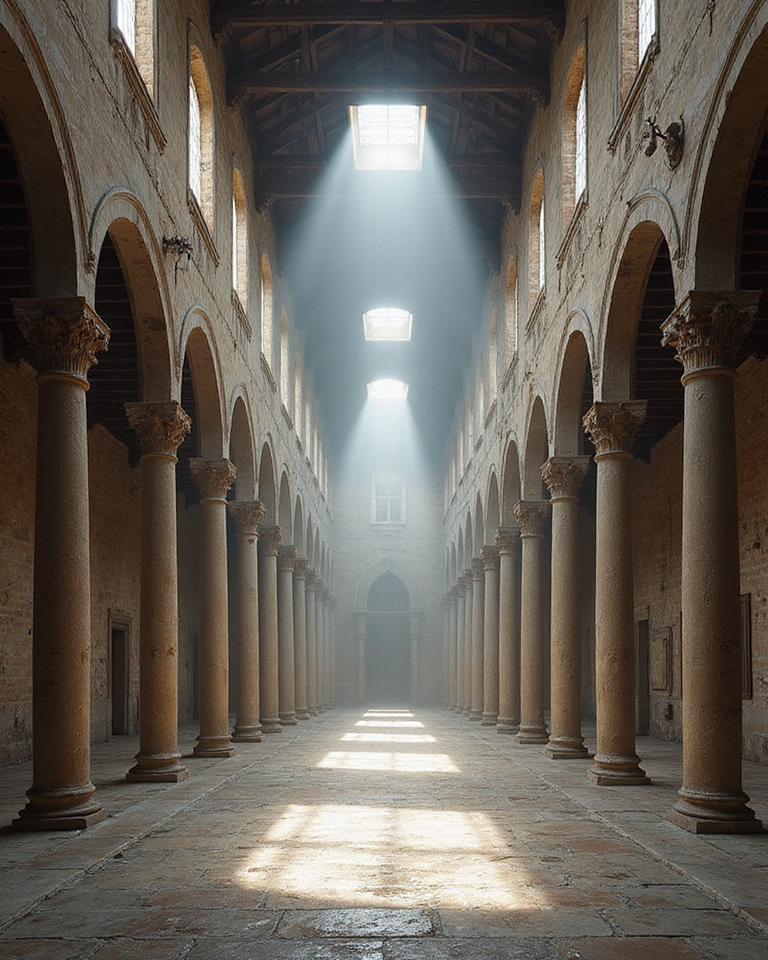
At its core, the "nave" traditionally refers to the central part of a church building intended to accommodate most of the congregation. The term is most often used in the context of Christian church architecture, where the nave forms the main body of the building stretching from the entrance to the altar.
The word "nave" derives from the Latin word "navis," meaning "ship." This etymology beautifully reflects how early church builders and theologians pictured the church as a vessel carrying believers through the turbulent seas of life toward salvation.
Historical Background of the Nave
The use of the nave in church design dates back to the early Christian basilicas of Rome, which adapted Roman civic buildings to serve religious purposes. The nave was designed as a spacious, longitudinal hall that allowed large gatherings of worshippers to assemble for liturgical ceremonies.
Throughout the Middle Ages, the nave became a focal point of Gothic and Romanesque cathedrals. Architectural advancements led to grand naves with soaring ceilings, elaborate vaults, and expansive windows that flooded the spaces with light, symbolizing divine presence and grace.
Architectural Features of the Nave
A traditional nave often includes aisles on either side separated by columns or arcades, a raised platform or choir section, and sometimes transepts (arms of a cross-shaped church) intersecting the nave near the altar area.
The design of the nave plays a critical role in church acoustics, sightlines, and the overall sacred atmosphere. It enables congregants to focus their attention towards the altar or pulpit, fostering a communal worship experience.
Variants and Regional Differences
While the classic European cathedral nave is well-known, the concept exists worldwide with architectural variations. For example, in Eastern Orthodox churches, the nave may be narrower or integrated differently with iconostases (screen decorated with icons).
In modern church architecture, the nave can sometimes be reinterpreted to fit contemporary worship styles, incorporating flexible seating and multimedia elements.
The Nave Beyond Architecture
Interestingly, "nave" also has a usage outside of ecclesiastical architecture. In nautical terminology, "nave" is sometimes an uncommon variant or misspelling related to "navy" or "naval." However, the original Latin root emphasizes the connection to ships, thus reinforcing its metaphorical symbolism.
Additionally, in mechanical engineering, "nave" can refer to a hub or central part of a wheel, akin to the nave of a church—central and structurally essential.
Cultural and Symbolic Significance
Beyond its physical presence, the nave symbolizes journey and refuge. The metaphor of the church as a ship guiding followers through life’s storms continues to inspire religious and artistic expressions.
Artworks throughout centuries depict the nave as a place of gathering, sanctity, and spiritual passage. In literature and music, the nave sometimes appears as a poetic space filled with reverence and solemnity.
The Nave as a Symbol in Art and Literature
The nave’s symbolic function extends deeply into various forms of creative expression. Many painters and sculptors have used the imagery of the nave to evoke feelings of shelter, faith, or introspection. In these works, the nave is often portrayed as a luminous corridor leading to spiritual enlightenment or as a sanctuary offering peace amidst chaos.
In literature, writers have frequently used the nave metaphorically to describe moments of transformation or refuge. Poets may depict the nave as a quiet space where one contemplates life’s meaning or finds solace from the external world. Such usage underscores the nave’s role not just as an architectural term but as a powerful cultural symbol.
Music Inspired by the Nave
The acoustic properties of a church nave have inspired composers and musicians for centuries. The way sound reverberates within these vast spaces creates a unique auditory experience that elevates religious and musical performances alike. Compositions intended for performance in such spaces often take into account the nave’s size and shape to maximize resonance and clarity.
Many classical choral and organ works are composed specifically to fill the nave, enhancing the spiritual atmosphere of the liturgy. Modern musical groups and artists occasionally choose venues with notable naves for their concerts precisely because of the distinctive sound qualities.

Famous Naves and Their Architectural Innovations
Among the world’s most renowned naves, several stand out for their innovative features that pushed the boundaries of architecture for their time:
- Cologne Cathedral, Germany: Known for its enormous length and impressive Gothic vaulting, the nave of Cologne Cathedral represents the pinnacle of medieval engineering.
- Chartres Cathedral, France: The nave’s stained glass windows are masterpieces of medieval art, transforming sunlight into vibrant colors that fill the space with ethereal glow.
- Santa Maria del Fiore, Florence, Italy: The vast nave beneath Brunelleschi’s Dome exemplifies the harmony of engineering and artistry during the Renaissance.
These naves not only demonstrate technical achievement but also exemplify how architectural design influences religious experience.
Modern Adaptations and Challenges
As church attendance and religious practices evolve, the function and design of naves have similarly undergone transformation. Modern architects face the challenge of maintaining the nave’s traditional sense of sacred space while accommodating new forms of worship and community engagement.
Contemporary church designs sometimes incorporate multipurpose spaces where the nave can be adapted for concerts, lectures, or social gatherings. This flexibility can require innovative materials and movable furnishings, diverging from the fixed pew arrangements of historic churches.
Another challenge is preserving historic naves in the face of aging structures and limited restoration funds. Preservation efforts must balance maintaining architectural integrity with meeting safety and accessibility standards.
The Nave’s Role in Community Life
The nave often serves as more than just a physical structure; it acts as a focal point for community gatherings, affirming a sense of belonging and shared identity. Beyond religious ceremonies, many churches use their naves for weddings, funerals, and cultural events, weaving them into social fabric.
In some communities, the nave’s open and inclusive design provides a welcoming space for interfaith dialogues, charity events, and educational programs. This extended use highlights the nave’s enduring relevance as a place of connection amid changing social dynamics.
Engagement with the Arts and Education
Many churches with notable naves actively promote arts and cultural education by hosting exhibitions, recitals, and workshops. These activities encourage broader public engagement and appreciation of the church’s artistic heritage.

Educational programs may include guided tours focusing on architectural styles, symbolism, and historical context, helping visitors understand the deeper meanings behind the nave’s design.
Practical Tips for Exploring Naves
- When visiting historic churches, take time to observe the architectural details like arches, columns, and volume.
- Respect the space and any ongoing religious services.
- Use guided tours or audio guides to learn about the history and significance of particular naves.
- Photography is often allowed but check for restrictions to preserve sacred art and ambiance.
FAQs about the Nave
What distinguishes a nave from other parts of a church?
The nave is the central area typically meant for the congregation, distinct from the choir, altar, or transepts. Its function is primarily to accommodate worshippers and facilitate communal ceremonies.
Can naves be found in modern buildings?
Yes, many contemporary churches incorporate naves, though designs vary widely to accommodate modern worship practices and community needs.
Why does the word "nave" come from the word for ship?
The nave’s name evokes the symbolism of a ship carrying the faithful through the trials of life, an ancient metaphor embraced in Christian tradition.
Is "nave" used outside church architecture?
Besides churches, the term sometimes appears in mechanical contexts (e.g., wheel hub), and historically relates to ships in language roots, though it’s uncommon in everyday language outside architecture.
Are there famous naves worth visiting?
Absolutely, many cathedrals worldwide boast impressive naves known for their artistic, architectural, and spiritual impact.
Conclusion
The nave is a fascinating word rich with history, symbolism, and artistic importance. Whether admired in soaring cathedrals or understood through its linguistic roots, the nave embodies central themes of journey, community, and sanctuary. Appreciating the nave deepens our understanding of cultural heritage, architectural innovation, and the enduring human quest for meaning and connection.
Leave a Reply